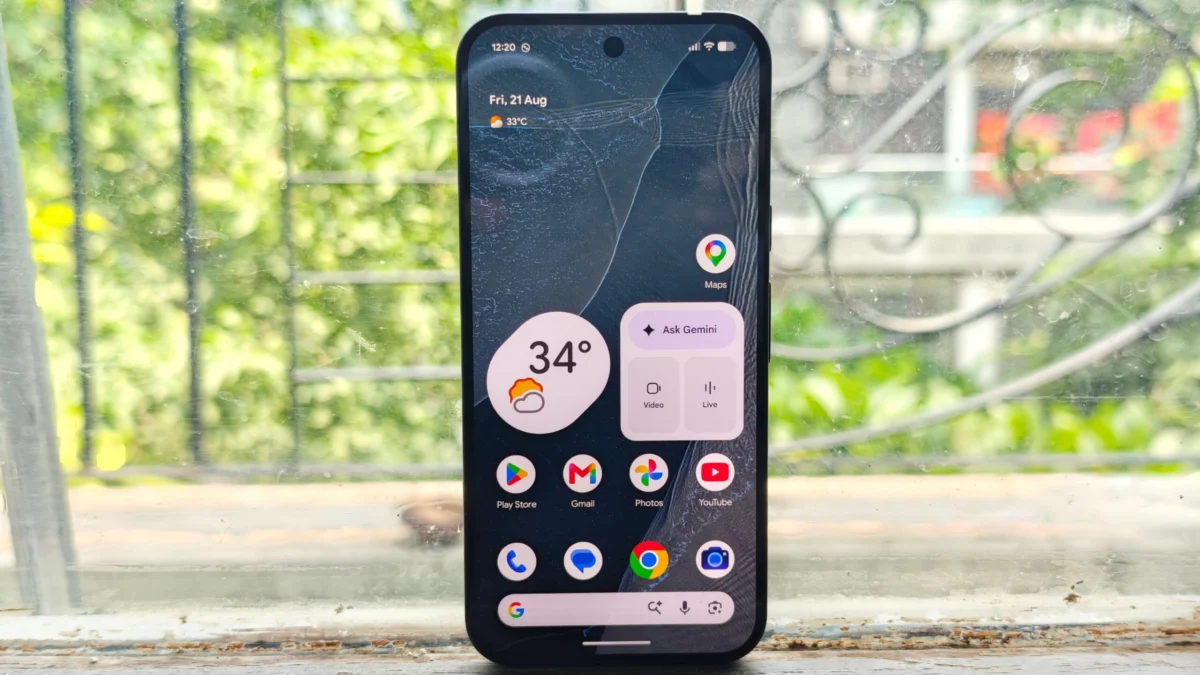
The latest iteration in Google’s flagship smartphone series, the Pixel 11 Pro, has been officially released, presenting a blend of subtle aesthetic refinements and significant under-the-hood technological advancements. Initial impressions from early users and industry analysts suggest that while the device offers a robust and satisfying user experience, its visual distinction from previous generations remains minimal, potentially requiring owners to actively highlight their upgrade to casual observers. This nuanced launch comes at a time when the smartphone market is intensely competitive, with consumers increasingly scrutinizing value propositions amidst rising device costs and a global component crunch.

Design Evolution: A Refined Familiarity

At first glance, the Pixel 11 Pro maintains the signature design language that has characterized Google’s smartphone line for several years. The main aesthetic changes are primarily manifested in a new palette of "gorgeous" colors and the discreet integration of a small, glowing LED light on the rear, dubbed HiLight. While the new color options aim to inject a fresh appeal, the overall form factor and visual identity are largely consistent with its predecessors. This design philosophy, favoring evolution over revolution, might be a double-edged sword for Google. On one hand, it offers continuity and familiarity to loyal Pixel users. On the other, in a market where visual novelty often drives upgrade cycles, the lack of a dramatically different appearance could temper immediate consumer excitement. The HiLight, an LED notification light that replaces the previous generation’s temperature sensor, glows in various vibrant hues—green, yellow, pink, purple, or white—when active. However, its utility is currently limited, primarily signaling Gemini activity or incoming calls from designated "favorite contacts," leaving out crucial notifications like text messages. This restricted functionality, while visually appealing, falls short of the broader utility expected from such a feature, though it holds potential for future software updates to expand its customization and application.

Advancing Intelligence: Gemini at the Core

A central pillar of the Pixel 11 Pro’s new capabilities lies in its enhanced Gemini features. Google has consistently positioned its Pixel line as the vanguard of Android’s AI integration, and the 11 Pro continues this tradition. The device boasts advanced AI capabilities, including a standout new dictation tool called Rambler. This AI-powered feature is designed to transcribe speech while intelligently filtering out common filler words such as "um" and "ah," and automatically formatting the output for clarity. Rambler directly competes with established dictation applications like Wispr and Willow, aiming to offer a more seamless and polished transcription experience. Its ability to handle language switching and perform effectively in noisy environments further underscores its sophistication. For users who frequently rely on dictation for note-taking, email responses, or messaging, Rambler presents a compelling, daily-use feature that transcends many of the more niche AI functionalities seen in the market. Its immediate utility, as demonstrated by the reviewer crafting part of the original article with it, highlights a practical application of AI that could genuinely enhance productivity.

Beyond Rambler, the Pixel 11 Pro introduces "Proactive Suggestions," a Gemini-powered feature designed to offer context-aware recommendations from various applications. While the reviewer noted that this feature was still in its nascent stages of deployment after only five days of use, it showed promise in scenarios like scheduling conversations. However, a key limitation identified was its current inability to integrate with all user calendars beyond Google’s own ecosystem, hindering its full potential for comprehensive availability suggestions. Similarly, the feature occasionally missed obvious contextual cues, such as suggesting an address from email history when prompted. Furthermore, the device introduces agentic capabilities, allowing Gemini to assist with complex tasks like placing food orders. However, geographical restrictions meant this feature could not be tested by the reviewer based in India, highlighting the phased rollout and regional limitations that often accompany advanced AI functionalities. Live Translate also sees an upgrade, now capable of translating live streams and videos without pre-existing captions, a boon for international content consumption, albeit requiring users to download specific language packs.

Camera Innovations: Speed and Creative Control

The Pixel series has long been lauded for its computational photography prowess, and the Pixel 11 Pro builds upon this legacy with notable camera improvements. Google has incorporated larger sensors for both the main and telephoto lenses compared to the Pixel 10 Pro XL. Theoretically, this hardware enhancement allows for greater light intake, translating into richer detail and improved low-light performance. While a detailed "pixel-peeping" analysis was not provided, the reviewer emphasized the tangible benefits: a significantly "snappier" camera application and faster photo capture, largely attributed to the new processor and refined software algorithms. This responsiveness is critical for capturing fleeting moments.

Night Sight, Google’s celebrated low-light photography mode, has also been optimized for speed, reducing the required hold time and minimizing the risk of blurry images—a common challenge in low-light conditions. The Pro Res Zoom feature, which leverages AI to enhance image quality at extreme digital zoom levels, sees its maximum capability extended from 100x to an impressive 120x on the Pro XL model. While achieving a perfectly legible image at such extreme magnification remains challenging due to hand stability issues, the feature delivers "usable" results at lower zoom ranges.

Perhaps the most significant creative addition to the camera suite is "Looks." Described as more than mere filters, "Looks" fundamentally alters the computational photography pipeline, offering users a deeper level of control over the final image aesthetic. Default options include "original," "natural," "shadows," and "vanilla," with additional styles like "editorial," "classic" (with added grain), "digi" (mimicking old digital cameras), "black tie," and "minimal" available. These customizable settings, accessible via one-touch quick access controls, allow photographers to tailor their image output directly from the capture interface, moving beyond post-processing edits. The reviewer, for instance, noted the ability to swap white balance for ISO in quick access.

Finally, the new "Magic Capture" feature is poised to be a favorite among pet owners and parents. This mode initiates a video recording, then intelligently uses AI to extract and save the "top moments" as 12-megapixel still photographs. Ideal for capturing unpredictable subjects like babies, pets, or fast-paced action shots, it simplifies the process of getting that perfect frame from dynamic scenarios. While it currently struggles with rapidly moving subjects and is limited to 12-megapixel output, its core functionality addresses a common user pain point, offering a glimpse into how AI can enhance everyday photography.

Pricing Strategy and Market Implications

The launch of the Pixel 11 Pro coincides with a challenging global economic climate, marked by a component crunch that has driven up hardware costs across the tech industry. Google’s pricing strategy reflects these pressures and potentially a shifting market approach. The company has discontinued the 128GB base model, making the 256GB variant the new entry point. While the Pixel 11 and Pixel 11 Pro maintain the same pricing as last year’s 256GB models, Google has reduced the RAM from 16GB to 12GB across both devices. This decision, likely aimed at cost control or optimizing for specific performance targets, might be a point of contention for some power users.

The Pixel 11 Pro XL, however, has seen a direct price increase of $100, now retailing at $1,299. This puts the device squarely in the premium segment, directly competing with top-tier offerings from Apple and Samsung. Industry analysts suggest that this pricing, coupled with the largely iterative hardware updates, might not provide a strong enough incentive for existing Pixel 10 Pro users or even owners of slightly older flagships to upgrade immediately. The expectation is that many of the software and AI enhancements, particularly features like Rambler, will eventually "trickle down" to older Pixel models through software updates, further diminishing the urgency for an immediate upgrade.

Google’s continued focus on AI and computational photography, rather than radical hardware redesigns, underscores its strategy to differentiate through software intelligence. However, in a market saturated with high-performing devices, the challenge remains convincing consumers that these software-driven advantages justify a premium price point and a modest visual refresh. The Pixel 11 Pro is undeniably a solid and enjoyable device to use, representing Google’s consistent vision for an AI-first smartphone experience. Its long-term success will likely hinge on Google’s ability to further expand the utility and reach of its AI features and to address the perceived incremental nature of its hardware evolution in subsequent releases. The launch marks another step in Google’s journey to solidify its position in the competitive high-end smartphone market, emphasizing intelligent software experiences as its primary differentiator.