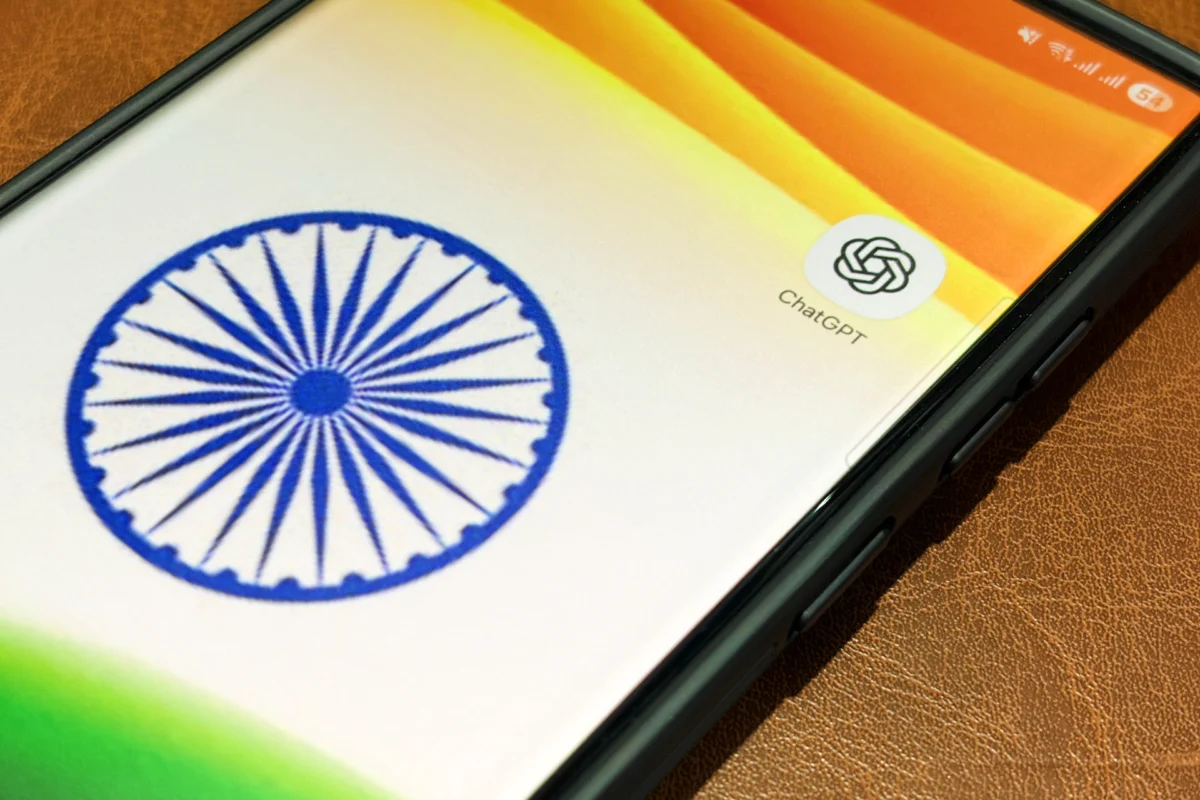
OpenAI announced on Thursday its decision to begin displaying advertisements on its ChatGPT Free and Go subscription tiers within India, marking a significant expansion of its monetization efforts and underscoring the escalating commercial pressures faced by leading artificial intelligence developers. This move follows a recent amendment to the company’s terms of service earlier this month, which explicitly indicated its intent to introduce advertising to users of its AI assistant. The strategic implementation in India, a market boasting over 100 million weekly active ChatGPT users—a substantial proportion of whom utilize the free or lower-priced Go tiers—highlights the country’s pivotal role in OpenAI’s global revenue generation strategy.
The Commercial Imperative: Monetizing a Global User Base
The introduction of advertising into ChatGPT’s free and lower-cost offerings represents a critical pivot for OpenAI, a company that began as a non-profit research organization before transitioning to a "capped-profit" model to fund its ambitious and computationally intensive AI research. The immense popularity of ChatGPT since its launch in November 2022 created an unprecedented user base, but also presented a significant challenge: how to monetize millions of free users without compromising the user experience or alienating a crucial segment of its global audience. The cost of running large language models (LLMs) like GPT-3.5 and GPT-4, particularly the "inference" costs associated with processing user queries, is substantial, necessitating robust and diversified revenue streams.
This latest announcement details that OpenAI will initially partner with 50 brands to showcase advertisements. To facilitate this, the company has forged alliances with prominent advertising agencies WPP and Omnicom, leveraging their extensive expertise and reach within the Indian market. Furthermore, OpenAI plans to launch a dedicated ad manager next month, empowering marketers to create and manage their campaigns directly. This platform will require a daily minimum budget of ₹725 (approximately $7.60), indicating an accessible entry point for businesses of various sizes. Dave Dugan, head of global ads solutions at OpenAI, articulated the company’s vision for this new venture, stating, "With ChatGPT Ads, businesses of every size can introduce themselves at relevant, high-context moments when decisions are beginning to take shape." This statement underscores a focus on contextual advertising, aiming to integrate promotions seamlessly into user interactions rather than employing disruptive, unrelated ads.
A Phased Global Rollout and India’s Strategic Importance
The integration of advertising into ChatGPT is not an isolated event but rather part of a carefully orchestrated global strategy. OpenAI first initiated its ad program for users in the United States in February 2026. This initial rollout served as a testing ground, allowing the company to refine its ad delivery mechanisms and gather crucial feedback. Following this, the program was expanded to serve advertisements across Europe earlier this month, indicating a measured, phased approach to widespread monetization.
India’s inclusion in this expansion highlights its strategic importance to OpenAI’s long-term growth. The country represents a vast and rapidly expanding digital market, characterized by high smartphone penetration, affordable data, and a burgeoning tech-savvy population eager to embrace new technologies. OpenAI has invested significantly in cultivating its user base in India, demonstrating a clear understanding of the market’s potential. In August 2025, the company launched a sub-$5 ChatGPT Go plan specifically tailored for the Indian market, recognizing the sensitivity to pricing in developing economies. This was further bolstered by a limited-time promotional offer in October 2025, which provided a full year of the ChatGPT Go tier free to all users in India, a move designed to rapidly accelerate adoption and familiarity with the platform.
Beyond subscription strategies, OpenAI has actively engaged with the Indian populace through targeted marketing campaigns. The company heavily advertised its products during major sports tournaments, including the Women’s Premier League (WPL) and the Indian Premier League (IPL) cricket leagues, which command immense viewership and national attention. These efforts culminated in a significant organizational move in June 2026, when OpenAI hired Uber India’s former chief to lead its expansion efforts in the country, signaling a serious commitment to making India its largest market outside the U.S. These preceding investments and initiatives underscore that the introduction of ads is not a reactive measure but a planned progression in a comprehensive market development strategy.
OpenAI’s Financial Trajectory and the Path to IPO
The aggressive pursuit of diversified revenue streams, particularly through advertising, is intrinsically linked to OpenAI’s broader financial objectives and its anticipated Initial Public Offering (IPO). Speculation suggests a potential IPO within this year or the next, and robust, sustainable revenue growth is paramount for a successful market debut. According to reports by The Wall Street Journal, OpenAI recorded revenue of $6.7 billion in the second quarter ended June 2026, a notable increase from $5.7 billion in the previous quarter. While these figures indicate substantial growth, the report also alluded to "tepid growth" compared to some competitors like Anthropic, suggesting an imperative for OpenAI to accelerate its revenue expansion.
The long-term financial ambitions of OpenAI are ambitious. The Information reported in November 2025 that the company projected reaching at least 220 million paying ChatGPT subscribers by 2030. At the time of that report, approximately 35 million users were subscribed to its premium Plus and Pro plans. The introduction of advertising to the free and Go tiers serves a dual purpose: it directly monetizes a vast segment of the user base that may never convert to paid subscriptions, and it could also act as a nudge, subtly encouraging some users to upgrade to ad-free premium tiers for an uninterrupted experience. This strategy aims to maximize revenue across the entire user spectrum, from free users generating ad impressions to premium subscribers paying for advanced features and an ad-free environment.
Implications for Users, Brands, and the AI Ecosystem
The integration of ads into ChatGPT carries multifaceted implications for various stakeholders. For the millions of free and Go tier users in India, the primary impact will be a change in their interaction with the AI assistant. While OpenAI emphasizes "relevant, high-context moments," the presence of advertisements will undoubtedly alter the user experience. The challenge for OpenAI will be to ensure that these ads are genuinely non-intrusive and contextually valuable, avoiding the pitfalls of disruptive advertising that could lead to user frustration or churn. The success of this model will hinge on the quality of its ad-targeting algorithms and the ability to maintain a perception of helpfulness rather than commercial exploitation.
For brands, particularly the initial 50 partners and those that will utilize the upcoming ad manager, ChatGPT presents a novel and potentially highly effective advertising channel. The conversational nature of the platform offers an unprecedented opportunity for contextual advertising. Imagine a user discussing travel plans with ChatGPT; an ad for a flight aggregator or hotel chain could be delivered at the precise moment of decision-making. This level of granular, intent-based targeting has the potential to yield significantly higher engagement and conversion rates compared to traditional digital advertising formats. The partnership with WPP and Omnicom further suggests a sophisticated approach, leveraging their expertise in crafting compelling ad campaigns and navigating the complexities of the Indian market.
The broader AI industry will closely observe OpenAI’s ad monetization strategy. As AI models become more ubiquitous and their operational costs remain high, other AI developers may follow suit, exploring ad-supported models to sustain their growth and innovation. This could usher in a new era of AI-powered advertising, where conversational interfaces become a significant battleground for ad dollars, potentially reshaping the digital advertising landscape currently dominated by search engines and social media platforms. The ethical considerations surrounding data privacy and the use of conversational data for ad targeting will also become increasingly prominent, requiring robust policies and transparent communication from AI providers.
The Future of AI Monetization and India’s Digital Evolution
OpenAI’s decision to bring ads to ChatGPT in India is more than just a revenue play; it’s a strategic move that reflects the evolving economics of large-scale AI deployment. It underscores the immense cost of maintaining and developing cutting-edge AI, necessitating creative and aggressive monetization strategies. India, with its vibrant digital ecosystem and immense user base, provides an ideal testbed and growth engine for this new advertising paradigm.
As India continues its rapid digital transformation, the integration of AI into daily life is accelerating. Platforms like ChatGPT are becoming integral tools for information, creativity, and productivity. By embedding advertising within these tools, OpenAI is not only securing its financial future but also pioneering new avenues for brand engagement in the age of generative AI. The success or challenges faced by OpenAI in this endeavor will undoubtedly offer valuable lessons for the entire technology industry as it grapples with the intricate balance between delivering free, innovative AI services and ensuring their long-term economic viability. The "no escaping the ad industry" sentiment, as articulated in the initial summary, appears to be an undeniable reality, even for the most revolutionary AI platforms.