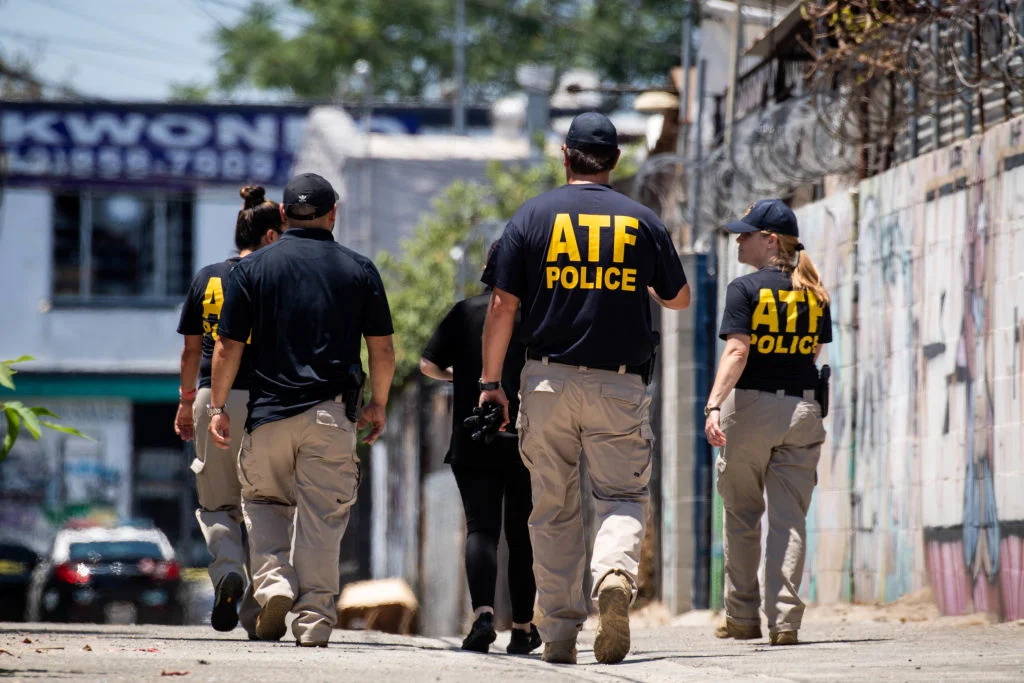
The U.S. Bureau of Alcohol, Tobacco, Firearms and Explosives (ATF) has formally declared a cyberattack on one of its systems a "major incident," a classification under federal law that necessitates immediate and formal notification to members of Congress. This significant breach, reported on August 27, 2026, at 10:54 AM PDT, has cast a spotlight on the persistent and evolving threat landscape facing critical U.S. government agencies, particularly those involved in sensitive law enforcement operations. The incident has drawn particular attention due to claims of responsibility from the notorious Qilin ransomware gang, known for its sophisticated "ransomware-as-a-service" operations and a history of targeting high-profile entities globally.
The Breach and its Immediate Classification
The ATF confirmed the cyberattack through an official statement, specifying that the compromise occurred on a "stand-alone system" distinct from the bureau’s broader network. While the isolation of the system might suggest a degree of containment, an ATF spokesperson revealed to reporters that the targeted computer system contained highly sensitive information, specifically "targets of ATF investigations." This disclosure immediately elevates the severity of the incident, as such data could potentially compromise ongoing law enforcement operations, endanger informants, or reveal strategic priorities of the federal agency.
The classification of the event as a "major incident" is not merely a descriptive term but a formal legal designation outlined by federal statutes, particularly the Federal Information Security Modernization Act (FISMA) and CISA’s Federal Incident Notification Guidelines. Under these guidelines, a major incident refers to a significant cyber event that is likely to cause demonstrable harm to U.S. national security, foreign relations, or broader U.S. interests. Such a designation triggers a specific protocol, including mandatory reporting to Congress within one week of discovery, as well as collaboration with the Cybersecurity and Infrastructure Security Agency (CISA) for forensic analysis and remediation efforts. This structured response underscores the gravity with which the U.S. government treats breaches affecting its critical infrastructure and sensitive data holdings.
The Shadow of Qilin: A Notorious Threat Actor
Adding another layer of concern to the incident is the claim of responsibility by the Qilin ransomware gang, which surfaced on their dark web leak site shortly after the ATF’s announcement. While Qilin did not immediately provide irrefutable evidence, such as a sample of the allegedly exfiltrated data, their assertion is taken seriously given their established track record. Qilin operates a "ransomware-as-a-service" (RaaS) model, a pervasive and highly effective criminal enterprise where the core developers lease their sophisticated hacking tools and infrastructure to affiliated threat actors, who then execute the attacks. In return, Qilin receives a percentage of any successful ransom payments.
This operational model allows Qilin to scale its malicious activities significantly, reaching a wider array of targets. The gang is particularly known for its "double extortion" tactics, where they not only encrypt a victim’s data, demanding a ransom for its decryption key, but also exfiltrate sensitive information, threatening to publish it on their leak site if a separate ransom is not paid. This dual pressure strategy maximizes their chances of financial gain and significantly increases the stakes for victims, especially those holding confidential or proprietary information.
Qilin has previously been linked to several high-profile cyberattacks that caused significant disruption and financial losses. Among their notable victims are media giant Lee Enterprises, which experienced disruptions to freelance and contractor payments, and the U.K. pathology lab giant Synnovis, an attack that severely impacted healthcare services and patient data. These past incidents demonstrate Qilin’s capability to infiltrate diverse and critical sectors, highlighting their sophisticated technical prowess and the potential for severe real-world consequences from their actions. The claim against the ATF, if substantiated, would mark a significant escalation in their targeting, moving into direct confrontation with U.S. federal law enforcement.
Chronology of Discovery and Response Protocols
While the precise timeline leading up to the public announcement remains under wraps as investigations proceed, the general chronology of a "major incident" typically follows a strict protocol. The initial discovery of unusual activity or a confirmed breach by the ATF’s internal security teams would have triggered an immediate internal alert. Following preliminary assessments confirming the nature and scope of the compromise, the incident would have been escalated to senior leadership, culminating in the formal declaration of a "major incident."
This declaration initiates a cascade of mandatory actions. Within hours, CISA would be engaged, providing expertise, resources, and coordination for the federal response. Forensic teams, potentially comprising ATF specialists, CISA experts, and even private sector cybersecurity firms, would begin an exhaustive analysis to determine the entry point, the extent of data exfiltration or modification, and the vulnerabilities exploited. Simultaneously, internal mitigation efforts would focus on containing the breach, isolating affected systems, patching vulnerabilities, and restoring operational integrity.
The legal requirement to notify Congress within a week of discovery ensures that legislative oversight bodies are promptly informed of significant threats to federal information systems. This notification typically includes a preliminary assessment of the incident’s nature, its potential impact, and the steps being taken for remediation. This transparency, albeit delayed by a few days to allow for initial assessments, is crucial for maintaining public and legislative confidence in the government’s handling of cybersecurity threats. Further updates to Congress and the public are expected as the investigation unfolds and more definitive information becomes available regarding the scope and impact of the breach.
The Bureau of Alcohol, Tobacco, Firearms and Explosives: A High-Value Target
The ATF is a principal law enforcement agency within the U.S. Department of Justice, with a critical mission centered on combating the illegal use and trafficking of firearms, explosives, arson, and the diversion of alcohol and tobacco products. Its mandate often involves complex, multi-jurisdictional investigations into organized crime, domestic terrorism, and international smuggling operations. Consequently, the data held by the ATF is inherently sensitive and represents a high-value target for various malicious actors, including state-sponsored groups, cybercriminals, and even domestic extremists.

The "targets of ATF investigations" specifically mentioned as being on the compromised system could include a wide array of highly confidential information. This might encompass identities of suspects, details of ongoing surveillance operations, financial records, communication intercepts, forensic evidence, and potentially the identities of confidential informants or undercover agents. The exposure of such data could have catastrophic consequences: it could alert criminals to ongoing investigations, allowing them to destroy evidence or flee; it could jeopardize the safety of law enforcement personnel and their sources; and it could severely undermine the integrity and effectiveness of future law enforcement efforts. The compromise of such data could also be exploited by adversaries for counter-intelligence purposes or to disrupt national security operations.
A Broader Trend: Government Agencies Under Siege
The cyberattack on the ATF is not an isolated incident but rather a stark reminder of the relentless and escalating cyber threats facing U.S. government agencies. In recent years, federal networks have become prime targets for a diverse range of sophisticated adversaries, from nation-state actors seeking intelligence or geopolitical advantage to financially motivated criminal organizations like Qilin.
Statistics from various cybersecurity reports consistently show a rise in cyberattacks against government entities. For instance, reports from CISA and other security firms often highlight that federal agencies experience thousands of cyber incidents annually, with a growing percentage classified as severe. The motivations are varied: some seek to steal classified information, intellectual property, or personal data of employees and citizens; others aim to disrupt critical services or sow discord.
The ATF joins a growing list of federal agencies that have declared "major incidents" following significant breaches. In 2023, the U.S. Marshals Service suffered a ransomware attack that reportedly accessed sensitive law enforcement data. Earlier in 2026, a breach of an FBI system exposed phone numbers of targets under surveillance by federal agents, sparking another major cyber incident declaration. These incidents underscore a systemic vulnerability across government IT infrastructure, despite continuous investments in cybersecurity. Factors contributing to this vulnerability include legacy systems, complex inter-agency networks, the sheer volume of data, and the ever-evolving tactics of highly skilled threat actors. The average cost of a government data breach can run into tens of millions of dollars when factoring in investigation, remediation, legal liabilities, and reputational damage.
Implications and Ramifications: A Multifaceted Threat
The implications of the ATF cyberattack are multifaceted, extending beyond the immediate operational disruption.
- National Security: The potential exposure of investigative targets could have direct national security ramifications. If the targets include individuals or groups involved in terrorism, espionage, or large-scale organized crime, compromising their information could allow them to evade justice, continue their illicit activities, or even pose a greater threat to public safety. Foreign adversaries could also leverage such intelligence for their own strategic interests.
- Law Enforcement Operations: The integrity of ongoing and future ATF investigations is at risk. Agents may have to reassess current strategies, modify tactics, and potentially abandon certain lines of inquiry if the data exposure compromises their effectiveness or the safety of their personnel. Trust in federal agencies to protect sensitive information is paramount for effective law enforcement, particularly when dealing with confidential informants.
- Public Trust and Data Privacy: Every government data breach erodes public trust in the ability of federal agencies to safeguard sensitive information. For citizens whose personal data might be indirectly linked to investigations, or for the broader public, concerns about privacy and security become heightened. This can lead to increased scrutiny from watchdog groups and demands for greater accountability.
- Financial Costs and Resource Diversion: The immediate costs of a major cyber incident are substantial, including forensic investigations, system remediation, legal counsel, and potential fines or liabilities. Beyond direct financial outlays, significant personnel resources are diverted from their primary duties to address the crisis, impacting the agency’s operational capacity for an extended period.
- Policy and Legislative Response: Major incidents often serve as catalysts for policy changes. Congress may demand stricter cybersecurity mandates, increased funding for federal cybersecurity initiatives, or new legislative frameworks to enhance protection and accountability. The incident could influence debates on data encryption, information sharing protocols, and international cooperation in combating cybercrime.
Official Responses and Expert Commentary
In the wake of such a significant event, official responses are typically carefully managed. The ATF is expected to emphasize its commitment to national security and the protection of sensitive information, stating that an exhaustive investigation is underway in collaboration with federal partners like CISA and the FBI. Statements would likely reassure the public that all necessary measures are being taken to contain the breach, mitigate its impact, and bolster defenses against future attacks.
CISA, as the nation’s cyber defense agency, would likely highlight its ongoing support to the ATF, reiterating its mission to help federal agencies secure their networks. They might issue general advisories about the evolving threat landscape and the importance of resilience.
Cybersecurity experts, both within and outside government, would likely offer commentary emphasizing several critical aspects. Many would stress the importance of a "zero-trust" architecture, where no user or device is inherently trusted, regardless of their location. Others would point to the need for continuous vulnerability management, robust endpoint detection and response (EDR) solutions, and regular security audits. The human element would also be a focus, highlighting the importance of comprehensive employee training on phishing, social engineering, and secure data handling practices. Experts might also underscore the challenge of securing legacy systems and the need for significant modernization investments across the federal government. The consensus would likely be that while complete impenetrable security is an illusion, a layered, proactive, and adaptive defense strategy is essential.
Looking Ahead: Strengthening Federal Cyber Defenses
The ATF cyberattack serves as another potent reminder that the digital battlefield is constantly evolving. As government agencies increasingly rely on interconnected systems and digital data for their operations, they become more attractive targets for a sophisticated array of adversaries. The incident underscores the critical importance of not only investing in cutting-edge cybersecurity technologies but also fostering a culture of security awareness, implementing rigorous incident response plans, and maintaining robust intelligence-sharing partnerships.
The ongoing investigation into the ATF breach will be crucial for understanding the full scope of the compromise, identifying the specific vulnerabilities exploited, and determining the ultimate impact on law enforcement operations and national security. Lessons learned from this incident will undoubtedly contribute to the refinement of federal cybersecurity policies and practices, driving efforts to build a more resilient and secure digital infrastructure for the entire U.S. government. As federal agencies continue to confront an unrelenting barrage of cyber threats, the imperative to adapt, innovate, and collaborate has never been more urgent.