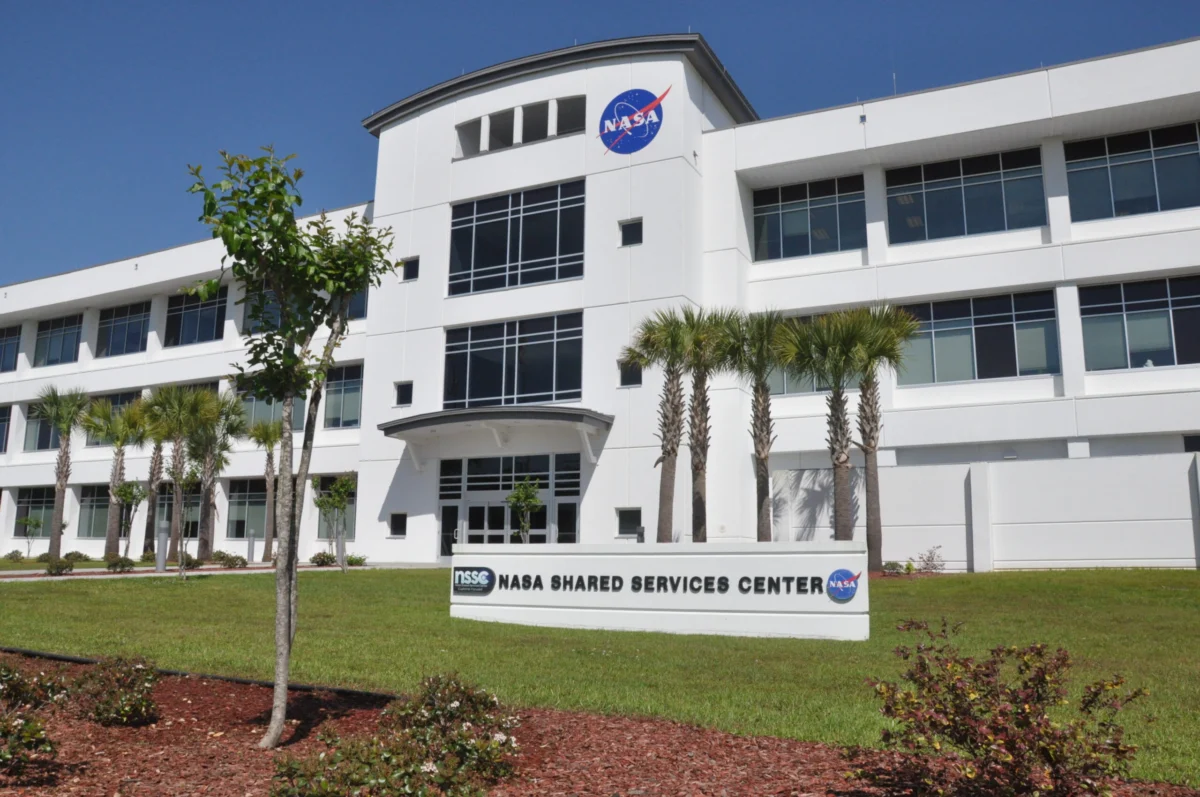
NASA has issued significant updates to its grant management policies, including a directive for all grant and cooperative agreement recipients to immediately cease and desist from Diversity, Equity, Inclusion, and Accessibility (DEIA) activities required for their grants. This policy shift, announced on January 29, 2025, follows a memorandum from NASA’s Office of Procurement (OP) dated January 23, 2025, which references a broader federal policy change encapsulated in an Executive Order titled "Initial Rescission of Harmful Executive Orders and Actions" and an Office of Personnel Management (OPM) memorandum providing "Initial Guidance Regarding DEIA Executive Orders." This move signals a notable reorientation in the federal approach to DEIA mandates within federally funded projects, impacting a wide array of research and development initiatives supported by the space agency.
The directive explicitly states that grant recipients must discontinue all DEIA-related work, which may encompass, but is not limited to, DEIA plan requirements, training sessions, workshops, reporting obligations, considerations for staffing based on DEIA principles, or any other direct or indirect grant activity connected to DEIA. Grantees are further instructed to notify their cognizant Grant Officer if they identify any existing requirements within their active grants that are now in violation of this new guidance. The contact information for the relevant Grant Officer can be found on the recipient’s NF 1687, Notice of Award for Grant and Cooperative Agreement (NOA). This immediate cessation order underscores a rapid implementation of the new federal stance, compelling organizations partnering with NASA to promptly reassess and adjust their operational frameworks and project scopes.
This pivot in DEIA policy represents a significant administrative and programmatic challenge for many institutions, particularly universities, non-profit organizations, and private companies that rely on NASA funding to conduct cutting-edge research and foster innovation. For years, federal agencies, including NASA, have championed DEIA initiatives as critical components for broadening participation in science, technology, engineering, and mathematics (STEM) fields, enhancing scientific creativity, and ensuring equitable access to opportunities. The abrupt change necessitates a thorough review of ongoing projects and an understanding of how to comply with the revised federal directives without disrupting essential research objectives.
Beyond the immediate DEIA policy changes, NASA has also clarified and updated several other critical aspects of its grant and cooperative agreement management. These updates aim to enhance transparency, streamline administrative processes, and reinforce compliance across its extensive portfolio of awards.
Context of the DEIA Policy Shift
The decision to halt DEIA activities within NASA grants does not occur in isolation but is part of a broader federal administrative realignment. The referenced Executive Order, "Initial Rescission of Harmful Executive Orders and Actions," suggests a re-evaluation of previous governmental directives and priorities. While the specific details of the rescinded orders are not fully elaborated in the NASA announcement, such actions typically stem from changes in presidential administrations or significant policy shifts that redefine the scope and implementation of federal programs. The OPM memorandum, "Initial Guidance Regarding DEIA Executive Orders," further clarifies the federal government’s new position, providing specific instructions to agencies on how to implement the changes. For NASA, as a federal agency, adherence to these overarching executive directives is mandatory, translating into direct policy implementation for its contractor and grantee community. The impact on grant recipients is immediate, requiring swift action to ensure compliance and avoid potential issues with federal funding.
Evolution of Grant Terms and Conditions
In a move designed to enhance clarity and accessibility, NASA formally separated its Grant and Cooperative Agreement Terms and Conditions from the broader NASA Grant and Cooperative Agreement Manual (GCAM) in Fiscal Year 2025. This structural change results in a standalone document that meticulously outlines both the general and specific terms and conditions applicable to all awards issued under 2 CFR 1800, which represents NASA’s adoption of the federal government-wide Uniform Administrative Requirements, Cost Principles, and Audit Requirements for Federal Awards (commonly known as 2 CFR 200 or the Uniform Guidance). The new "NASA Grant and Cooperative Agreement Terms and Conditions 7-15-2026" document is a critical reference for all award recipients, providing a consolidated and comprehensive guide to their obligations and NASA’s expectations. This separation underscores NASA’s commitment to simplifying the complex landscape of federal grant administration, offering grantees a more focused resource for compliance.
The Uniform Guidance (2 CFR 200), adopted by NASA through 2 CFR 1800, establishes a consistent framework for the management of federal awards, promoting efficiency and accountability. By separating the Terms and Conditions, NASA aims to provide a more direct pathway for grantees to understand the specific legal and administrative requirements tied to their funding, distinct from the broader policy guidance found in the GCAM.
Comprehensive Grant Administration Framework
NASA’s grant management ecosystem is designed to support thousands of researchers and organizations engaged in projects vital to the agency’s mission, ranging from astrophysics and planetary science to Earth observation and aeronautics. The integrity and efficiency of this system are paramount.
The NASA Grant and Cooperative Agreement Manual (GCAM): This manual serves as NASA’s authoritative guide for both proposers and award-managing personnel, as well as award recipients. It provides extensive pre- and post-award policy guidance, ensuring the consistent implementation of government-wide and NASA-specific regulations. The GCAM covers the entire lifecycle of grants and cooperative agreements with educational and non-profit organizations, state, local, and Indian tribal governments, and for-profit entities. It remains an indispensable resource for navigating the intricacies of federal funding.
Federal-Wide Research Terms and Conditions (RTC): For all research and research-related grant and cooperative agreement awards issued under 2 CFR 1800, NASA has implemented the Federal-wide Research Terms and Conditions. These terms are designed to streamline the administration of research awards across federal agencies, further implementing the requirements of the Uniform Guidance. The RTC framework includes three crucial companion documents:
- RTC Appendix A: Prior Approval Matrix: Delineates when prior approval from the federal awarding agency is required for various grant-related actions.
- RTC Appendix B: Subaward Requirements: Provides detailed guidance on managing subawards, ensuring compliance and proper oversight for funds passed through to other entities.
- RTC Appendix C: National Policy Requirements: Outlines specific national policy requirements that apply to federal awards, such as environmental protection, civil rights, and intellectual property.
These documents are readily accessible on the NSF website, serving as a centralized resource for grantees across multiple federal agencies.
Pre-Award and Application Resources: For entities seeking NASA funding, several key platforms facilitate the application process:
- Grants.gov: The primary federal portal for finding and applying for federal grants.
- NASA Research Opportunities Online (NSPIRES): NASA’s dedicated system for announcing research opportunities, submitting proposals, and managing awards.
- System for Award Management (SAM): A mandatory registration system for all entities wishing to do business with the U.S. government, including receiving federal grants.
Financial Management and Payment Systems
NASA utilizes the Department of Health and Human Services (HHS) Payment Management System (PMS) as its service provider for disbursing federal funds to recipients. This centralized system ensures efficient and compliant financial transactions. Upon receiving an award, PMS provides recipients with detailed instructions for registering and subsequently requesting funds through the system. This standardized approach enhances financial accountability and streamlines the funding process for grantees.
Post-Award Monitoring and Reporting Requirements
Maintaining rigorous oversight of federal funds is a core responsibility of NASA. The agency conducts routine post-award monitoring on all awards, irrespective of their initial risk determination. This comprehensive monitoring includes several critical components:
- Annual Performance Reports: All NASA award recipients are mandated to submit annual performance reports. These reports are due 60 days prior to the annual anniversary of the award’s Period of Performance (POP) start date. For instance, if an award’s POP runs from October 1 to September 30, the performance report would be due 60 days before October 1. These reports are crucial for NASA to assess project progress, outcomes, and adherence to scientific and programmatic objectives.
- Semi-Annual Federal Financial Report (FFR): Grantees must submit semi-annual FFRs through the PMS system, ensuring transparent financial accounting of federal expenditures. The deadlines are:
- Period 1 (October 1 – March 31): Due by April 30 each year.
- Period 2 (April 1 – September 30): Due by October 30 of each year.
- Final FFRs: A final FFR is required 120 days after the official end of the Period of Performance, providing a comprehensive financial closure for the award.
- Transactions Testing Review: NASA also conducts periodic transactions testing reviews to verify the accuracy and compliance of financial transactions associated with awards.
Additional information and comprehensive training resources for the Payment Management System are available on the PMS website (https://pms.psc.gov/), and a dedicated help desk can be reached at 1-877-614-5533 for recipient support.
Administrative Supplement and Transfer Requests
To facilitate the dynamic nature of research projects, NASA provides structured processes for various administrative adjustments:
- Administrative Supplement Request Templates: Standardized forms are available for common administrative changes, including:
- No Cost Extension (NCE) Request Form: For extending the project period without additional funding.
- Other Administrative Supplement Request Form: For various other administrative adjustments.
- Principal Investigator (PI) Change Request Form: For changes in project leadership.
- Period of Performance (POP) Change Form: For formal adjustments to the project timeline.
These requests are submitted via email to NSSC-ADMIN-SUPPLEMENT REQUEST.
- PI Transfer Requests: For instances where a Principal Investigator moves to a new institution and wishes to transfer their grant, requests are submitted via email to NSSC-Grants-PI-Transfer. These processes ensure proper documentation and approval for significant project modifications.
Promoting NASA’s Mission Through Partnerships
NASA actively encourages its grantees to use the official NASA Insignia Format, as detailed in the "NASA Insignia Guidelines for NASA Grantees." These guidelines are designed to standardize the visual representation of NASA’s brand in partnership materials. The objective is to increase public awareness of NASA’s mission activities and achievements, leveraging the extensive network of grantee partnerships to reach a broader and more diverse audience. By prominently displaying the NASA insignia, grantees contribute to a unified public image of federal investment in scientific exploration and technological advancement.
Compliance and Accountability
Ensuring adherence to federal regulations and ethical conduct is paramount in NASA’s grant administration. Several forms and resources support this:
- Post-Award Certifications and Representations: Grantees are required to submit various certifications and representations post-award, confirming their compliance with federal laws and regulations.
- NASA Biographical Sketch Form: Used to provide detailed professional information about key personnel involved in the grant.
- Current and Pending Support (CPS) Form: Essential for disclosing all active and pending support from federal and non-federal sources, preventing conflicts of interest and ensuring transparency in research funding.
- NASA Pre-Award and Post-Award Disclosure Requirements: Outlines the specific disclosure obligations for grantees throughout the award lifecycle.
These documents collectively uphold transparency and integrity in the federal research ecosystem. The Electronic Code of Federal Regulations serves as the definitive source for the legal framework governing federal grants.
Complaint Mechanism for Discrimination
NASA maintains a robust system for addressing complaints related to denial of equal opportunity or discrimination. Individuals who believe they have experienced discrimination based on race, color, national origin, sex, disability, or age in connection with NASA-funded activities can file a complaint. Resources for filing such complaints include:
- The NASA Office of Inspector General (OIG) Hotline: Accessible via https://oig.nasa.gov/hotline.html or by calling 1-800-424-9183.
- Direct mail to 300 E Street, S.W. Suite 8V39, Washington, DC 20546-0001.
- The NASA OIG Hotline online form: https://oigforms.nasa.gov/wp_cyberhotline.html.
- Additional information is available at http://missionstem.nasa.gov/filing-a-complaint.html.
This comprehensive system underscores NASA’s commitment to upholding civil rights and ensuring equitable practices across all its programs and partnerships.
Broader Implications and Outlook
The immediate cessation of DEIA activities for NASA grant recipients signifies a notable shift in the federal government’s approach to diversity initiatives, reflecting a broader national debate on these policies. For the thousands of researchers, institutions, and organizations that collaborate with NASA, this directive necessitates an urgent review of ongoing projects, potential re-scoping of activities, and a heightened focus on administrative compliance. While the precise long-term impacts on the composition of the STEM workforce and research priorities remain to be fully understood, the immediate requirement for grantees to notify their Grant Officer of conflicting requirements suggests that NASA is preparing for a period of adjustment and clarification.
The simultaneous updates to other aspects of grant management, such as the separation of Terms and Conditions and the emphasis on robust monitoring, reflect NASA’s ongoing commitment to administrative efficiency and fiscal accountability. These changes, while less politically charged than the DEIA directive, are crucial for the seamless operation of NASA’s vast grant portfolio, which annually supports groundbreaking scientific discovery and technological innovation. Grantees are encouraged to remain vigilant, consult the updated guidelines, and maintain open lines of communication with their respective Grant Officers to ensure full compliance with NASA’s evolving grant administration policies. The landscape of federal funding is dynamic, and continuous adaptation to policy changes is a fundamental aspect of successful partnership with agencies like NASA.