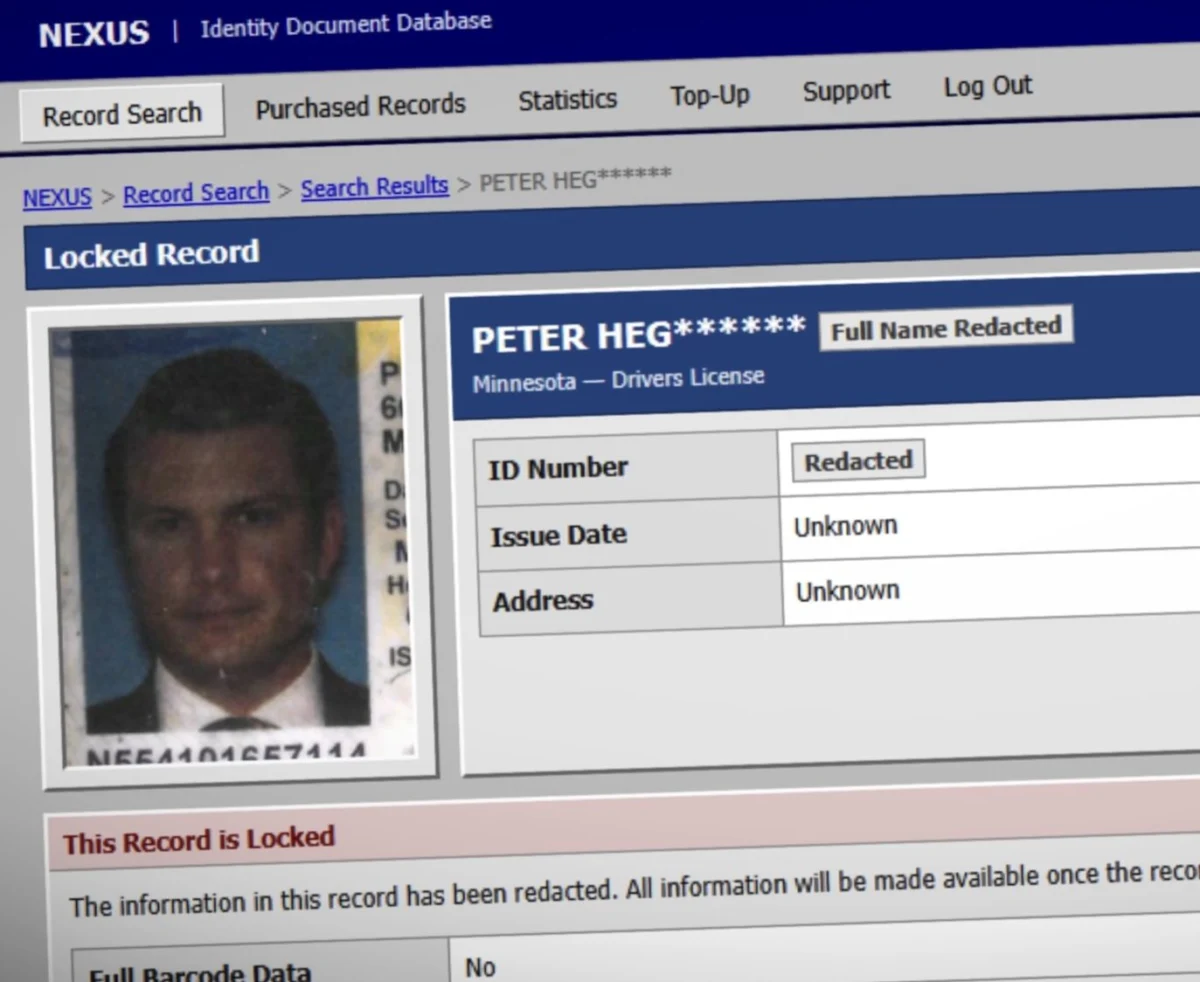
A suspected monumental data breach has potentially compromised the personal identification documents of over 150 million individuals across the United States and Canada, with driver’s licenses and passports now reportedly being offered for sale and search on a dark web marketplace. The incident, first brought to light by independent security journalist Brian Krebs, points to a significant failure in the security protocols of a major identity verification service, likely IDScan, a Louisiana-based company relied upon by numerous consumer brands and government agencies to authenticate real-world identity documents. This event marks what could be one of the largest single exposures of government-issued identity documents in recent history, raising profound concerns about identity theft, digital trust, and the broader implications for an increasingly digitized society.
The Unveiling: Brian Krebs’ Investigation
The alarm was first raised following a comprehensive investigation by Brian Krebs, renowned for his in-depth reporting on cybersecurity incidents. Krebs’ report, published on his KrebsOnSecurity blog, detailed the emergence of a new dark web site named "Nexus" earlier this week. Nexus boldly claimed to possess and facilitate searches through a vast database exceeding 150 million driver’s licenses and passports belonging to residents of the U.S. and Canada. The site’s advertisement on a prominent Russian cybercrime forum further escalated concerns, stating that Nexus was adding approximately half a million new documents daily, implying persistent, near real-time access to the systems of the compromised identity verification company.
Crucially, Krebs was able to independently verify the authenticity of the stolen data. Upon searching the Nexus database, he discovered his own driver’s license among the accessible records, complete with an accompanying photo. This personal confirmation underscored the severe reality of the breach. Further corroboration came with the discovery of high-profile individuals’ data, including that of Secretary of Defense Pete Hegseth, whose photo was also listed on the identity search site. This level of detail and the inclusion of photographic evidence significantly elevate the risk posed by the exposed information, making it a potent tool for sophisticated identity fraud. Krebs collaborated with security researcher Zach Edwards, whose own ID card was also found within the illicit database, further solidifying the veracity of the claims made by the dark web actors.
IDScan: The Suspected Epicenter of the Breach
Working in tandem with Edwards, Krebs identified the probable source of this colossal data leak as IDScan.net, a prominent identity verification service headquartered in Louisiana. IDScan plays a critical role in the modern economy, providing solutions that enable businesses and organizations to verify government-issued IDs for various purposes. Its technology is deployed across a wide spectrum of sectors, from hospitality (bars, nightclubs) and retail (cannabis dispensaries) to automotive rentals and financial services, processing tens of millions of identity checks globally each month. The company’s core service involves scanning physical documents like driver’s licenses and passports, extracting data, and often capturing an image of the document and the individual for verification purposes. This centralization of highly sensitive personally identifiable information (PII) makes such companies prime targets for cybercriminals.
The sheer volume of records allegedly exfiltrated—over 150 million—suggests a breach of profound scale, potentially impacting a significant percentage of the adult populations in both the United States and Canada. The purported daily influx of 500,000 new documents into the Nexus database indicates that the attackers might have maintained continuous access to IDScan’s systems for an extended period, or that they had managed to compromise a continuous data pipeline.
Chronology of Discovery and Initial Responses
The timeline of the incident unfolded rapidly, beginning with the public launch of the Nexus identity theft site on the dark web early this week.
- Early Week: Nexus, the dark web marketplace, goes live, advertising a searchable database of over 150 million stolen driver’s licenses and passports. Posts on Russian cybercrime forums detail the site’s capabilities and claim ongoing data acquisition.
- Mid-Week: Brian Krebs, following up on leads and analyzing the dark web activity, publishes his exposé on KrebsOnSecurity. His report provides verifiable evidence, including his own compromised data and that of a high-ranking government official, Secretary of Defense Pete Hegseth.
- Following Krebs’ Report:
- The Department of Defense (DoD) issues a brief statement to TechCrunch, confirming awareness of the reports and indicating that they are "evaluating them."
- IDScan’s Chief Operating Officer, Jillain Kossman, tells Krebs that the company is investigating the claims. However, IDScan chief executive Jimmy Roussel did not respond to TechCrunch’s request for comment, leaving many questions unanswered regarding the scope and nature of the breach from the company’s perspective.
- The FBI’s field office in New Orleans initiates an investigation into the breach, as reported by Krebs. An FBI spokesperson, however, did not comment on TechCrunch’s inquiries.
- Shortly after Krebs’ report gained traction, the Nexus dark web site abruptly went offline, a common reaction from illicit operations once they are exposed and draw unwanted attention from law enforcement and cybersecurity researchers.
The rapid shutdown of Nexus suggests the immediate impact of public exposure, but it does not diminish the fact that the data has already been disseminated and potentially copied by numerous malicious actors.
Scale and Scope of the Breach: A Goldmine for Identity Thieves
The claimed 150 million records represent an unprecedented trove of highly sensitive personal information. Unlike breaches involving credit card numbers, which can be quickly canceled, or even social security numbers, which are static but might require additional verification, government-issued IDs like driver’s licenses and passports are foundational identity documents. They contain a wealth of PII, including full names, dates of birth, addresses, driver’s license numbers, and crucially, high-quality photographs.
This type of data is invaluable on the dark web. Identity thieves can use it to:
- Synthetic Identity Fraud: Combine stolen PII with fabricated details to create new, fraudulent identities, which can then be used to open bank accounts, apply for loans, or secure credit cards.
- Account Takeovers: Leverage the exposed PII to bypass security questions or "forgot password" procedures on existing online accounts, gaining access to financial services, email, or social media.
- Impersonation: The presence of high-quality photos, confirmed by Krebs, enables more sophisticated forms of impersonation, potentially even for in-person transactions if combined with other forged documents.
- Phishing and Social Engineering: The detailed information allows cybercriminals to craft highly convincing phishing emails or social engineering attempts, making victims more susceptible to further compromise.
- Accessing Restricted Services: For individuals whose IDs were used for age verification, this data could be exploited to bypass age gates on various platforms, posing risks particularly for minors.
The estimated market value of such comprehensive identity profiles on dark web forums can range from tens to hundreds of dollars per record, depending on the completeness and freshness of the data. With 150 million records, the potential financial windfall for the perpetrators is staggering, underscoring the motivation behind such large-scale attacks.
Industry Context: The Double-Edged Sword of Digital Identity Verification
This breach occurs amidst a global push for enhanced digital identity verification, driven by factors such as increasing online transactions, regulatory compliance (e.g., Know Your Customer/KYC and Anti-Money Laundering/AML laws), and the growing implementation of age verification mandates. Governments and businesses are increasingly relying on services like IDScan to ensure that individuals are who they claim to be, particularly for age-restricted content or services, as highlighted by recent legislative trends.
While these services offer convenience and a perceived layer of security, they inherently create centralized honeypots of sensitive data. Cybersecurity experts and privacy advocates have long warned about the inherent risks of accumulating vast quantities of government-issued identity documents in single repositories. The argument is that while individual businesses might benefit from offloading the complexity of ID verification, the aggregation of millions of such documents by a third-party service creates an irresistible target for sophisticated cybercriminal organizations. The potential for a single point of failure to compromise the identities of an entire population underscores the need for robust security measures, data minimization practices, and potentially, a shift towards more decentralized identity solutions where personal data is not stored en masse by third parties.
Broader Impact on Digital Trust and Regulation
The IDScan breach, if confirmed as the source, will have far-reaching implications beyond immediate identity theft. It could significantly erode public trust in digital identity verification services, making consumers hesitant to share their sensitive documents with online platforms or businesses that outsource their verification processes. This erosion of trust could slow the adoption of digital-first services and force a re-evaluation of how identity is managed in the digital realm.
From a regulatory standpoint, this incident is likely to intensify scrutiny on identity verification providers. Regulators in the U.S. and Canada may consider imposing stricter data security standards, mandating more frequent security audits, and potentially limiting how long companies can retain sensitive identity documents. The incident could also spur renewed debate on the privacy implications of age verification laws, especially those that necessitate the submission of government-issued IDs, and whether alternative, less data-intensive methods can be developed. The potential for class-action lawsuits against IDScan and potentially its clients also looms large, given the scale and sensitivity of the compromised data.
Protecting Yourself: Steps for Affected Individuals
Given the scale of the breach and the nature of the compromised data, individuals who have used identity verification services at bars, cannabis dispensaries, car rentals, or any other venue that uses third-party ID scanning technology in the U.S. or Canada should assume their data may be at risk. Proactive measures are crucial:
- Monitor Financial Accounts: Regularly review bank statements, credit card statements, and other financial accounts for any suspicious or unauthorized activity.
- Credit Monitoring and Freezes: Consider placing a credit freeze with all three major credit bureaus (Equifax, Experian, and TransUnion) to prevent new credit accounts from being opened in your name. Enroll in credit monitoring services, which often come free after major breaches, to be alerted to changes in your credit report.
- Be Wary of Phishing: Be extremely cautious of unsolicited emails, text messages, or phone calls, especially those asking for personal information or account details. Cybercriminals will likely use this stolen data to craft highly convincing phishing attempts.
- Change Passwords: While not directly linked to this breach, regularly changing passwords for important online accounts, especially those with financial implications, is always a good practice. Use strong, unique passwords and enable multi-factor authentication (MFA) wherever possible.
- Review Government Records: Monitor for any unusual activity related to government benefits or tax filings, as stolen IDs can be used for tax fraud or to claim benefits.
- Report Suspicious Activity: If you suspect you are a victim of identity theft, report it to the Federal Trade Commission (FTC) in the U.S. or the Canadian Anti-Fraud Centre.
The full ramifications of this massive data breach are still unfolding. While the Nexus site may be offline, the exfiltrated data is undoubtedly in the hands of malicious actors, marking a critical moment for digital identity security and consumer protection.