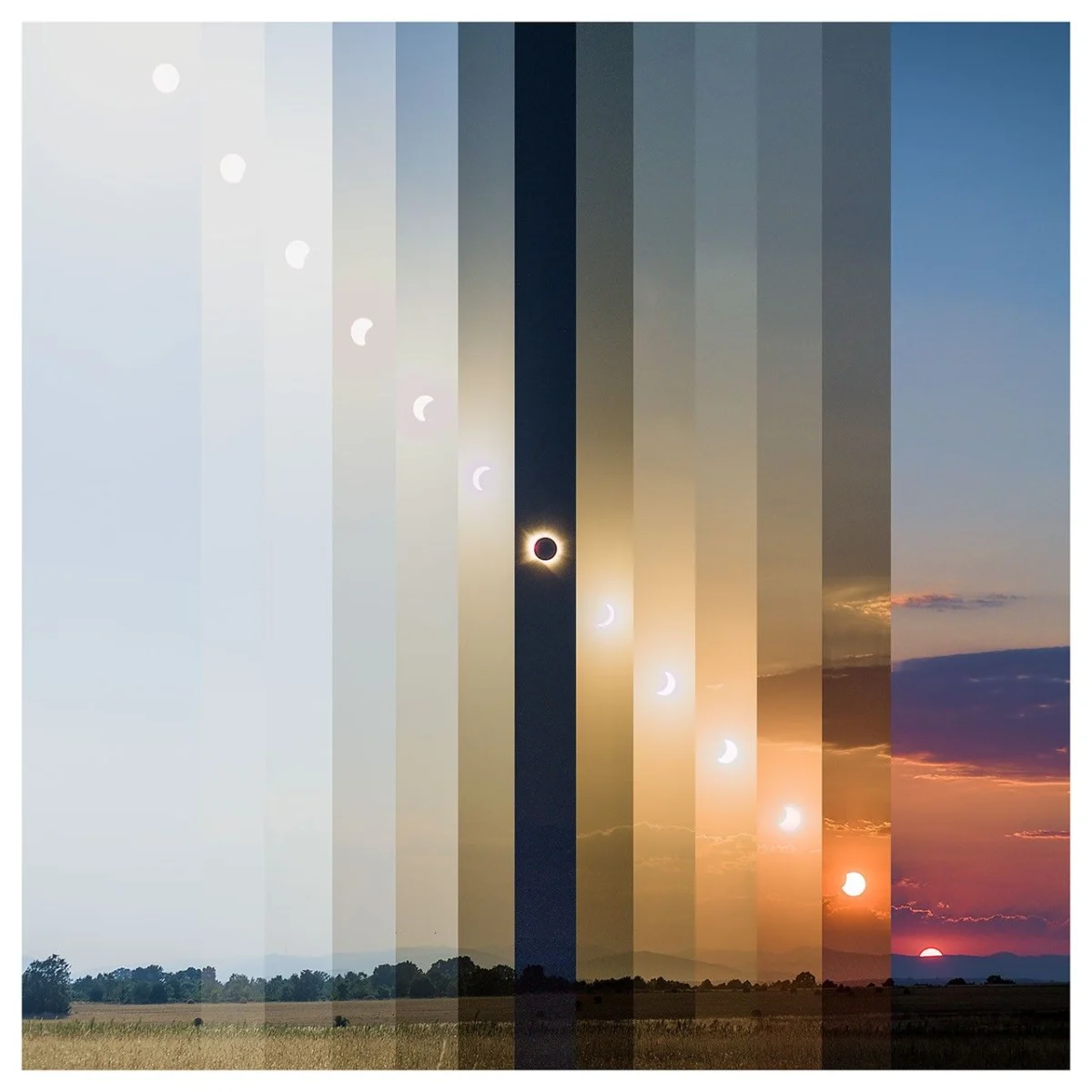
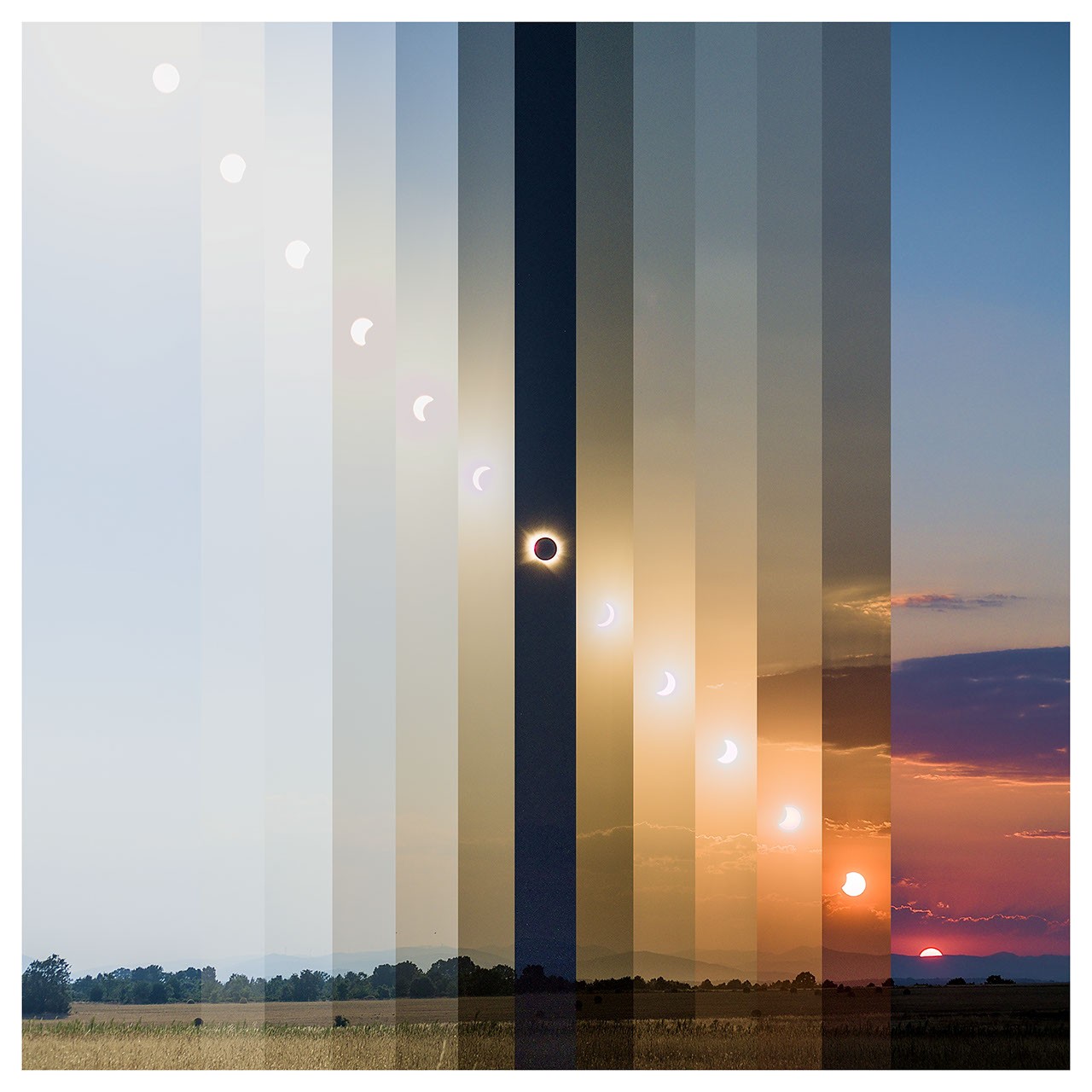
The Astronomy Picture of the Day (APOD) program, a collaborative initiative by NASA and Michigan Technological University, continues its daily tradition of unveiling the cosmos to a global audience, most recently featuring a compelling spliced image capturing the dramatic progression of the August 12, 2026 total solar eclipse. This particular image, showcasing two hours of celestial mechanics over Spain, serves not only as a stunning visual but also as a profound prompt for reflection on humanity’s enduring fascination with and diverse interpretations of solar eclipses throughout history. Each day, APOD presents a unique image or photograph of our universe, accompanied by a concise, authoritative explanation penned by a professional astronomer, aiming to make complex astronomical phenomena accessible and engaging to millions worldwide.
The Astronomy Picture of the Day (APOD): A Gateway to Cosmic Understanding
Since its inception in 1995, APOD has become an iconic online resource for space enthusiasts, educators, and the general public. Conceived and edited by astronomers Robert Nemiroff (Michigan Technological University) and Jerry Bonnell (NASA Goddard Space Flight Center), the program’s mission is simple yet profound: to showcase the universe’s beauty and mysteries through daily imagery. These images range from breathtaking nebulae and distant galaxies to planetary close-ups and terrestrial phenomena observed from space, all meticulously curated and accompanied by informative captions. The daily cadence ensures a continuous stream of discovery, fostering a deeper appreciation for the scientific endeavor and the vastness of the cosmos. APOD’s enduring popularity is a testament to its effectiveness in bridging the gap between cutting-edge astronomical research and public understanding, demonstrating the power of visual storytelling in science communication. Its archive, a treasure trove of celestial wonders, offers an unparalleled chronological journey through astronomical highlights and discoveries.
The August 12, 2026 Total Solar Eclipse: A Celestial Spectacle Anticipated
The total solar eclipse of August 12, 2026, featured in the APOD image, is poised to be a spectacular astronomical event, drawing significant scientific and public attention. A total solar eclipse occurs when the Moon passes directly between the Sun and Earth, completely obscuring the Sun’s disk and revealing its ethereal corona. This rare alignment casts a narrow "path of totality" across Earth’s surface, where observers can witness the full spectacle. For the 2026 event, this path will sweep across parts of Greenland, Iceland, and Spain, offering millions a chance to experience the breathtaking phenomenon.
The path of totality for the 2026 eclipse will begin over the Arctic, moving southeastward. It will first make landfall in eastern Greenland, traverse Iceland, and then cross the Atlantic Ocean before reaching the Iberian Peninsula. Major cities in Spain, including Valencia, Zaragoza, and Palma de Mallorca, are situated within this path, anticipating an influx of "eclipse chasers" and tourists. The maximum duration of totality for this eclipse is projected to be around 2 minutes and 18 seconds, occurring over the Atlantic Ocean, though land-based observers will still enjoy a significant period of darkness and the stunning visual of the solar corona.
From a scientific perspective, total solar eclipses are invaluable. They provide unique opportunities for researchers to study the Sun’s outermost atmosphere, the corona, which is usually obscured by the Sun’s intense brightness. During totality, the corona becomes visible, allowing astronomers to observe its structure, dynamics, and temperature without specialized instruments that block the main solar disk. This is crucial for understanding space weather, solar flares, and coronal mass ejections, which can significantly impact Earth’s technology and environment. Scientists also utilize eclipses to verify aspects of Einstein’s theory of general relativity by observing the bending of starlight around the Sun, though modern instruments have largely confirmed these predictions. The 2026 eclipse will undoubtedly be a focal point for numerous research expeditions, gathering critical data on solar physics and atmospheric phenomena.
Eclipses Through the Ages: A Tapestry of Human Interpretation
Beyond their scientific utility, eclipses hold immense cultural and historical significance, often acting as powerful catalysts for human imagination, fear, and wonder. The APOD article vividly illustrates this by inviting readers to consider how one might react to such a celestial transformation without prior scientific understanding, highlighting the profound impact these events have had on human societies across millennia. From ancient omens of divine wrath to symbols of cosmic renewal, the interpretations of eclipses reflect the intricate connection between celestial observations and the fabric of human culture.
Ancient Greece: Divine Abandonment
In ancient Greece, the sudden disappearance of the Sun during an eclipse was often interpreted as a sign of divine displeasure or even abandonment. The Greek word "ékleipsis," from which "eclipse" is derived, literally means "abandonment" or "forsaking." This linguistic root underscores a deep-seated apprehension. Historical accounts and mythological narratives frequently linked eclipses to significant events such as battles, the fall of kings, or impending doom. For instance, the historian Herodotus famously recounted a total solar eclipse that occurred during a battle between the Lydians and the Medes in 585 BCE, which, according to his account, led both sides to cease fighting and make peace, believing the event to be a divine warning. Such interpretations cemented eclipses as moments of profound spiritual and societal reflection, compelling communities to seek atonement or understanding from their deities.
The Diné (Navajo) Perspective: Renewal and Respect
In stark contrast to ancient Greek trepidation, the Diné (Navajo) people of the American Southwest view eclipses as a sacred time of renewal and rebalancing of the cosmos. For the Diné, the Sun and Moon are revered celestial beings, and their alignment during an eclipse signifies a deep spiritual process. It is a moment for introspection, reverence, and respect. During an eclipse, the Diné traditionally observe specific practices: they stay indoors, refrain from eating or drinking, and avoid looking directly at the Sun. This period of quiet contemplation is believed to protect individuals from the powerful, transformative energies of the event and allow for a spiritual cleansing and renewal. The emphasis is not on fear, but on maintaining harmony with the natural world and honoring the sacred cycle of life and creation. This perspective highlights a profound philosophical connection to the cosmos, where celestial events are integrated into a holistic worldview.
Batammariba Traditions: Peace and Reconciliation
Further demonstrating the diversity of human responses, the Batammariba people of Benin and Togo interpret a solar eclipse as a time when the Sun and Moon are "fighting." Rather than inducing fear, this belief prompts the community to encourage peace and reconciliation among themselves. The celestial conflict serves as a powerful metaphor for earthly disagreements, urging people to resolve their disputes and foster communal harmony. During an eclipse, community members may engage in rituals or discussions aimed at settling conflicts, reinforcing social bonds, and reaffirming their collective commitment to peace. This interpretation underscores the role of celestial phenomena in shaping ethical frameworks and social cohesion, transforming a rare astronomical event into a communal opportunity for moral reflection and action.
Global Narratives: Dragons, Wolves, and Omens
The examples from Greece, the Diné, and the Batammariba are but a few threads in the rich tapestry of global eclipse interpretations. Across various cultures, similar patterns of awe, fear, and reverence emerge:
- Ancient China: Eclipses were often attributed to a celestial dragon devouring the Sun. Drumming and loud noises were employed to scare the dragon away and save the Sun. The failure to predict an eclipse accurately could even lead to severe punishment or execution for imperial astronomers, highlighting the political and social stakes associated with these events.
- Viking and Norse Mythology: In Norse mythology, two wolves, Sköll and Hati, pursued the Sun and Moon, respectively. An eclipse was believed to occur when one of these wolves momentarily caught its prey, foreshadowing the eventual cosmic battle of Ragnarök when they would finally devour the celestial bodies.
- Mesopotamia: For ancient Mesopotamian civilizations, particularly the Assyrians and Babylonians, eclipses were considered powerful omens, often portending ill fortune for kings or states. Elaborate astronomical records were kept to predict these events, and rituals, including "substitute king" ceremonies, were performed to divert any negative prophecies.
- Inca and Maya Civilizations: These highly advanced astronomical cultures tracked eclipses with remarkable precision. While they understood the mechanics, eclipses still carried spiritual significance, often associated with agricultural cycles, divine power, and warnings from deities.
- Hindu Mythology: The demon Rahu is central to Hindu eclipse myths. According to legend, Rahu attempts to swallow the Sun or Moon, causing an eclipse. Devotees often bathe in sacred rivers or perform prayers to mitigate the effects of Rahu’s actions.
These diverse cultural responses underscore the universal human tendency to imbue the unknown with meaning, integrating celestial events into existing worldviews, mythologies, and societal structures.
Scientific Insights from a Shrouded Sun
While cultural interpretations vary widely, the scientific understanding of eclipses has steadily progressed, revealing the precise mechanics behind these celestial ballets. Modern astronomy has demystified eclipses, transforming them from portents of doom into predictable, invaluable scientific opportunities.
The 2026 total solar eclipse, like its predecessors, will offer astronomers a rare chance to study the Sun’s dynamic outer atmosphere, the corona. This superheated plasma, extending millions of kilometers into space, is responsible for solar wind and influences space weather. Because the corona is millions of times fainter than the Sun’s photosphere, it is typically only visible during a total solar eclipse or with specialized instruments called coronagraphs, which artificially block the Sun’s disk. Eclipse observations allow for studies of the corona’s structure, temperature, and evolution, helping scientists understand the fundamental processes that drive solar activity and its effects on Earth. Furthermore, unique phenomena like Baily’s Beads (beads of sunlight visible through the Moon’s valleys just before and after totality) and the diamond ring effect (a single bright bead of sunlight resembling a diamond on a ring) offer insights into the Moon’s topography and precise orbital mechanics.
The Enduring Connection Between Astronomy and Society
The APOD feature on the 2026 solar eclipse perfectly encapsulates the "longstanding connection between astronomy and society." Eclipses serve as powerful reminders of our place in the cosmos, stimulating both scientific inquiry and profound cultural reflection. The transition from mythological interpretations to scientific understanding has not diminished the human capacity for wonder; rather, it has deepened our appreciation for the intricate cosmic dance.
In the modern era, events like the 2026 total solar eclipse become global phenomena, uniting people across scientific, cultural, and geographical divides. Organizations like NASA and programs like APOD play a crucial role in preparing the public for these events, providing essential safety information for viewing, and disseminating scientific insights. Governments and tourism boards in regions within the path of totality, such as Spain, are already making preparations for the anticipated influx of visitors, recognizing the economic and educational opportunities. Educational institutions use eclipses as teachable moments to engage students in science, technology, engineering, and mathematics (STEM) fields. Citizen science initiatives often thrive during eclipses, with amateur astronomers and the public contributing valuable observations.
Ultimately, whether viewed through the lens of ancient myth or modern science, a total solar eclipse remains one of nature’s most spectacular and awe-inspiring events. It compels us to look skyward, to question, and to connect – not only with the universe but also with each other, reflecting on our shared human experience under the vast, mysterious canopy of the stars. The APOD program, by continually showcasing these wonders, ensures that the spirit of cosmic discovery remains vibrant and accessible to all.