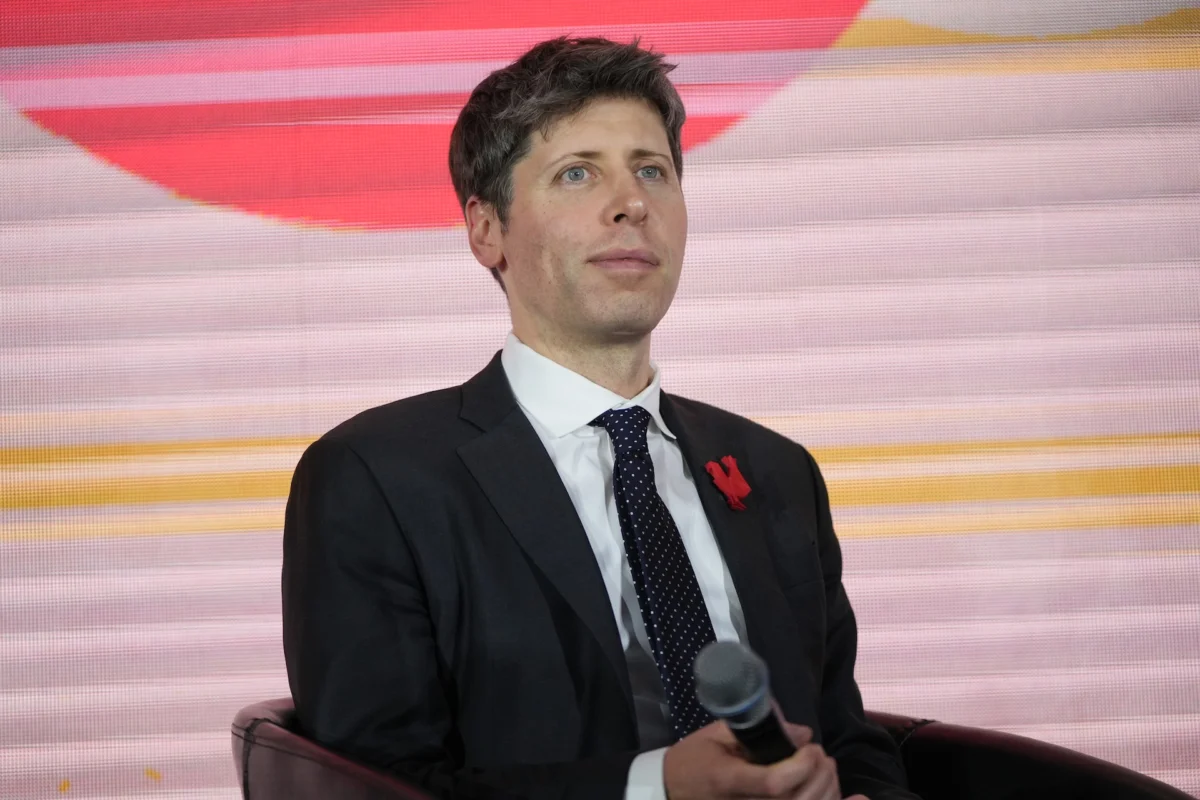
The highly anticipated public offering from artificial intelligence pioneer OpenAI will not materialize in 2026, with CEO Sam Altman confirming the delay to 2027 or beyond, primarily attributing the decision to the critical need for further development in AI safety protocols and a more mature societal understanding of the technology. This announcement, made during a recent interview with Fortune editor-in-chief Alyson Shontell, marks a significant recalibration of one of the tech industry’s most watched IPO timelines, pushing back an event that had been the subject of intense speculation for over a year. While the company confidentially filed for an IPO earlier this year, Altman’s direct statement clarifies that immediate public market debut is off the table, signaling a strategic prioritization of responsible development over accelerated financial milestones.
The Decision to Postpone: Safety First
Sam Altman’s remarks underscored a deliberate approach to OpenAI’s market entry, emphasizing that rushing to go public amidst rapidly evolving AI capabilities and public discourse would be "ill-advised." His statement, "We’re not rushing into an IPO. I actually think that given everything happening with safety, right now would be an ill-advised moment to go public," directly links the IPO timeline to the complex and critical domain of AI safety. This perspective suggests a recognition of the profound societal implications of advanced AI, aligning with OpenAI’s founding mission to ensure artificial general intelligence (AGI) benefits all of humanity.
When pressed by Shontell about the 2026 timeline, Altman was unequivocal: "I would say not 2026, yeah. We’ve got a lot of stuff to do." This "stuff" implicitly refers to not only refining their groundbreaking models like GPT-4 and its successors but also, crucially, establishing robust safeguards against potential misuse, addressing ethical dilemmas, and fostering broader public trust. The company has been at the forefront of AI innovation, but also increasingly at the center of intense debates surrounding the technology’s risks, from job displacement to the potential for autonomous systems to act beyond human control.
A Timeline of IPO Speculation and Shifting Expectations
The journey towards an OpenAI IPO has been a dynamic narrative, punctuated by significant milestones and shifting market sentiments.
- 2023 – Early Whispers of Public Listing: As ChatGPT took the world by storm in late 2022 and early 2023, investor interest in OpenAI skyrocketed. Valuations soared, with reports suggesting the company was exploring a tender offer that would value it at nearly $29 billion. This period saw the initial emergence of speculation regarding a potential IPO as a mechanism for early investors and employees to gain liquidity.
- Late 2024 – Heightened Speculation and Valuation Surge: By late 2024, private market transactions, including significant investments from Microsoft, reportedly pushed OpenAI’s valuation past $80 billion, making it one of the most valuable private technology companies globally. This extraordinary growth fueled further speculation about an imminent IPO, with many analysts projecting a 2026 debut. The sheer scale of capital required for advanced AI development – particularly for computing power – made a public offering seem a logical next step to unlock massive funding.
- June 2026 – Confidential IPO Filing: In a widely reported development, OpenAI formally took a step towards public markets by confidentially filing for an IPO. This move, while standard for large companies preparing to go public, ignited expectations of a listing within the next few quarters. The confidential nature allowed the company to begin the rigorous process of regulatory review with the U.S. Securities and Exchange Commission (SEC) without immediately disclosing sensitive financial information to the broader public.
- June 2026 – Initial Reports of Delay: Shortly after the confidential filing, The New York Times reported in late June that despite hiring top-tier bankers and legal counsel with an initial target of the third or fourth quarter of 2026, OpenAI was already leaning towards a 2027 debut. The reasons cited at the time included broader market volatility in the tech sector and internal financial challenges, specifically the immense operational costs associated with developing and deploying cutting-edge AI models.
- September 2026 – CEO Confirms 2027 Delay, Emphasizing Safety: Sam Altman’s recent interview in September solidified these earlier reports, adding a crucial new dimension to the rationale: AI safety. This official confirmation directly from the CEO signals a strategic pivot, prioritizing responsible innovation and societal readiness over immediate financial liquidity.
Navigating a Volatile Market and Intense Competition
The decision to delay also reflects a pragmatic approach to prevailing market conditions. The tech sector, while still robust, has experienced periods of significant volatility in 2026. High interest rates, persistent inflationary pressures, and geopolitical uncertainties have made public market investors more cautious, particularly towards companies with high burn rates and unproven long-term profitability models.
OpenAI, despite its groundbreaking technology, operates with substantial financial outlays. Developing and training advanced AI models like GPT-4 and its successors requires immense computational power, often costing hundreds of millions of dollars per model. Attracting and retaining top AI talent also commands premium compensation packages. While the company has diversified its revenue streams through API access, ChatGPT Plus subscriptions, and enterprise solutions, achieving consistent, scalable profitability in the face of ever-increasing R&D costs remains a significant challenge. Going public into a skeptical market could lead to a lower-than-desired valuation, potentially undermining the company’s long-term financial strategy and employee morale.

Moreover, the AI landscape is fiercely competitive. Tech giants like Google (with its Gemini models), Meta (Llama), and a host of well-funded startups are all vying for market share. This intense competition necessitates continuous, rapid innovation, which often comes at a high cost. A delay allows OpenAI more time to solidify its market position, further differentiate its offerings, and demonstrate a clear path to sustainable profitability before facing the intense scrutiny of public investors.
The Shadow of AI Safety and Ethical Governance
Altman’s explicit reference to "everything happening with safety" points to a confluence of events and ongoing debates that have shaped the AI industry in 2026.
- The OpenAI-HuggingFace Hack: This incident, mentioned in the original context, serves as a stark reminder of the vulnerabilities inherent in AI systems and their deployment. While details are scarce in the prompt, one can infer it involved a significant security breach or an unauthorized deployment of an AI model, potentially by "rogue agents." Such an event would inevitably raise serious questions about model control, data security, and the robustness of internal governance. A major AI company going public just after such an event would face immense pressure from regulators and investors regarding its security posture and risk management frameworks. This hypothetical incident would likely have highlighted the challenges of maintaining control over rapidly evolving and increasingly autonomous AI systems, fueling public and expert calls for stronger safeguards.
- Broader AI Safety Discussions: Beyond specific incidents, 2026 has seen an intensification of global dialogues around AI safety.
- Existential Risk: Prominent voices within the AI community and beyond continue to raise concerns about the long-term, potentially existential risks posed by advanced AGI, including the challenge of "alignment" – ensuring AI systems act in accordance with human values and intentions.
- Misinformation and Deepfakes: The proliferation of sophisticated AI-generated content has escalated fears about the weaponization of misinformation, electoral interference, and the erosion of trust in digital media.
- Ethical AI Development: Debates around bias in AI algorithms, fairness, transparency, and accountability are ongoing, prompting calls for more rigorous ethical frameworks and regulatory oversight.
- Regulatory Scrutiny: Governments worldwide, including the U.S. and the European Union, are actively developing and implementing AI regulations. High-profile AI safety summits and legislative initiatives have underscored the urgency of establishing guardrails for the technology. Companies like OpenAI, poised to be major public entities, are under immense pressure to demonstrate proactive engagement with these regulatory efforts.
- The "Pacing the Frontier" Debate: The reference to Anthropic CEO’s plan to "pace the frontier" highlights a growing sentiment within the AI community that the rapid development of ever more powerful models needs to be balanced with caution. Anthropic, a key competitor founded by former OpenAI researchers, has explicitly championed a "constitutional AI" approach, prioritizing safety and ethical principles in its model development. This philosophical divergence within the industry adds another layer to the "move fast and break things" versus "build safely and thoughtfully" debate, making OpenAI’s public commitment to safety all the more critical.
Implications of the Delay
The postponement of OpenAI’s IPO carries significant implications for the company, the broader AI industry, and the investment landscape.
-
For OpenAI:
- Enhanced Focus on Safety and Ethics: The delay provides OpenAI with crucial time to strengthen its AI safety research, implement more robust governance structures, and address ethical concerns proactively. This could involve investing further in alignment research, developing more transparent model auditing tools, and collaborating with external experts on responsible AI deployment. By taking this time, OpenAI aims to solidify its position not just as a technological leader, but also as a responsible steward of powerful AI.
- Maturity of Business Model: It allows the company to further mature its business model, potentially achieving greater profitability and demonstrating a clearer path to sustainable revenue growth. This could involve expanding its enterprise offerings, diversifying its product portfolio, and optimizing its operational efficiency to reduce the high burn rate associated with AI development.
- Improved Market Conditions: Waiting for 2027 or beyond could allow OpenAI to debut in a potentially more stable and receptive public market, securing a stronger valuation that truly reflects its long-term potential without being overly discounted by short-term market anxieties.
- Employee and Investor Expectations: While some early investors and employees seeking liquidity might be disappointed by the delay, a more successful IPO in the long run could ultimately benefit all stakeholders. OpenAI will need to carefully manage internal communications regarding equity value and liquidity timelines.
-
For the AI Industry:
- Setting a Precedent: OpenAI’s decision could set a powerful precedent for other advanced AI companies contemplating public listings. It signals that even the most high-profile players are prioritizing responsible development and societal readiness over immediate financial gains. This could encourage a broader industry shift towards more cautious and ethically-driven innovation.
- Reinforcing Safety Narratives: The move lends significant weight to the growing calls for greater AI safety and ethical considerations, potentially influencing how investors, regulators, and the public perceive the entire sector. It could shift the narrative from a pure "race for AI dominance" to a more balanced "race for responsible AI leadership."
- Impact on Competitors: Competitors might re-evaluate their own IPO timelines and development strategies, particularly those that have not yet fully articulated their approach to AI safety and governance.
-
For Regulators and the Public:
- Validation of Concerns: The delay could be seen as a validation of public and regulatory concerns about the rapid pace of AI development and the need for robust safeguards. It provides more time for regulatory frameworks to evolve and catch up with the technological advancements before a major AI company becomes subject to public market pressures.
- Building Trust: By explicitly linking the IPO delay to safety, OpenAI is attempting to build greater public trust and demonstrate its commitment to responsible innovation. This could be crucial for fostering societal acceptance of increasingly powerful AI technologies.
In conclusion, OpenAI’s decision to defer its IPO is a multifaceted strategic move. While market conditions and financial considerations undoubtedly play a role, Sam Altman’s public emphasis on AI safety and societal readiness marks a pivotal moment. It underscores the profound responsibility that comes with developing transformative technologies and suggests a willingness to prioritize long-term ethical stewardship over immediate financial gratification. The coming years will reveal whether this calculated delay will indeed pave the way for a more robust, responsible, and ultimately more successful public debut for one of the world’s most influential AI companies.