NASA has announced the selection of twelve pioneering investigations aimed at bolstering humanity’s ambitious endeavors in space, particularly supporting long-duration human missions to the Moon and Mars. These crucial studies, funded through competitive grants, are strategically divided into two primary areas: six investigations dedicated to advancing the capability for off-planet food production, and another six focused on deepening our understanding of how the unique, challenging conditions of space exploration impact astronaut health and physiology. This significant investment, totaling over $7 million across fiscal years 2026-2030, underscores NASA’s commitment to ensuring the sustainability and safety of future human presence beyond Earth.
The Imperative for Self-Sufficiency and Health in Deep Space
The selection of these investigations comes at a pivotal moment in human space exploration. With the Artemis program charting a course for a sustainable lunar presence and setting the stage for eventual crewed missions to Mars, the challenges of supporting human life far from Earth’s resources become increasingly complex. Long-duration missions, extending from months to years, necessitate radical advancements in life support systems, including reliable, renewable food sources and robust strategies for maintaining astronaut health in environments characterized by microgravity, radiation, isolation, and altered planetary atmospheres or surfaces. These twelve projects represent a proactive step towards overcoming these formidable hurdles, transforming the theoretical possibility of deep-space habitation into a tangible reality.
NASA’s Biological and Physical Sciences Division, the driving force behind these grants, plays a critical role in conducting fundamental research that not only enables human spaceflight but also yields profound benefits for life on Earth. The division’s strategic focus areas, encompassing space biology and physical sciences, are designed to unravel the mysteries of how biological systems and physical processes behave in space, providing the foundational knowledge necessary for humanity to thrive off-world.
Cultivating Life Beyond Earth: The Space Crops Grants
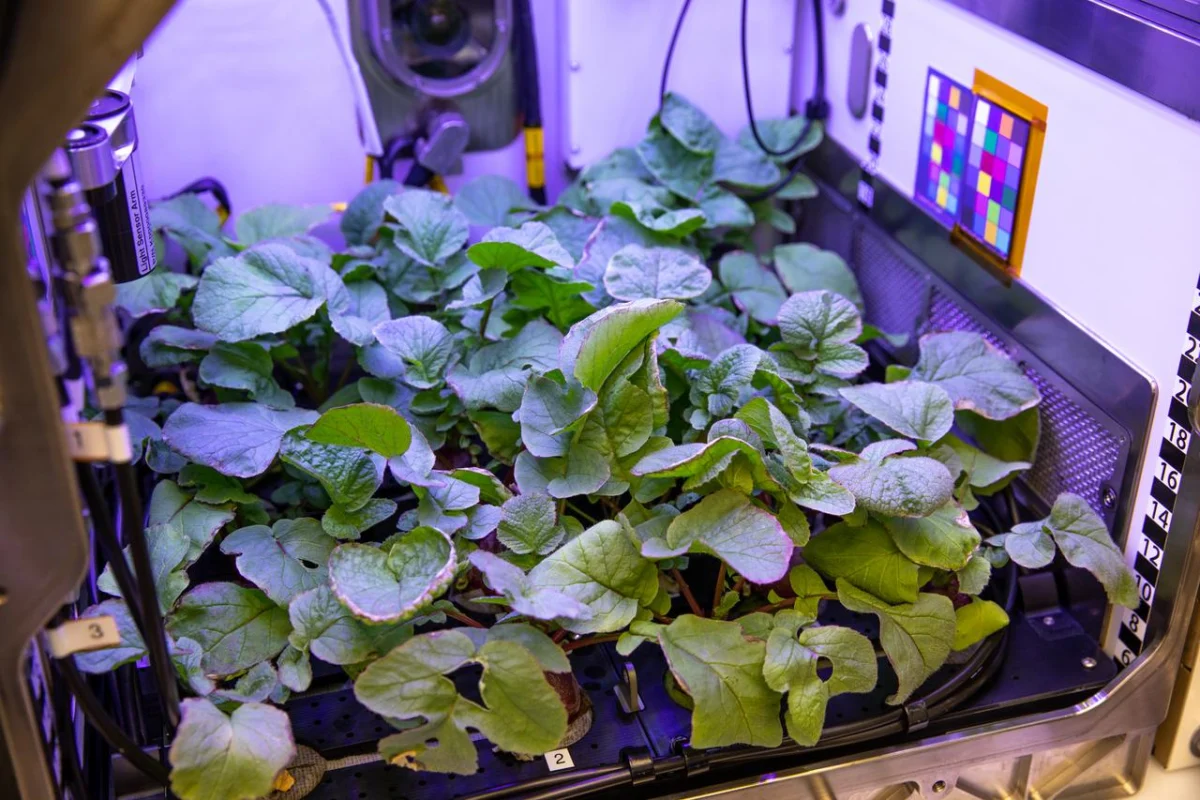
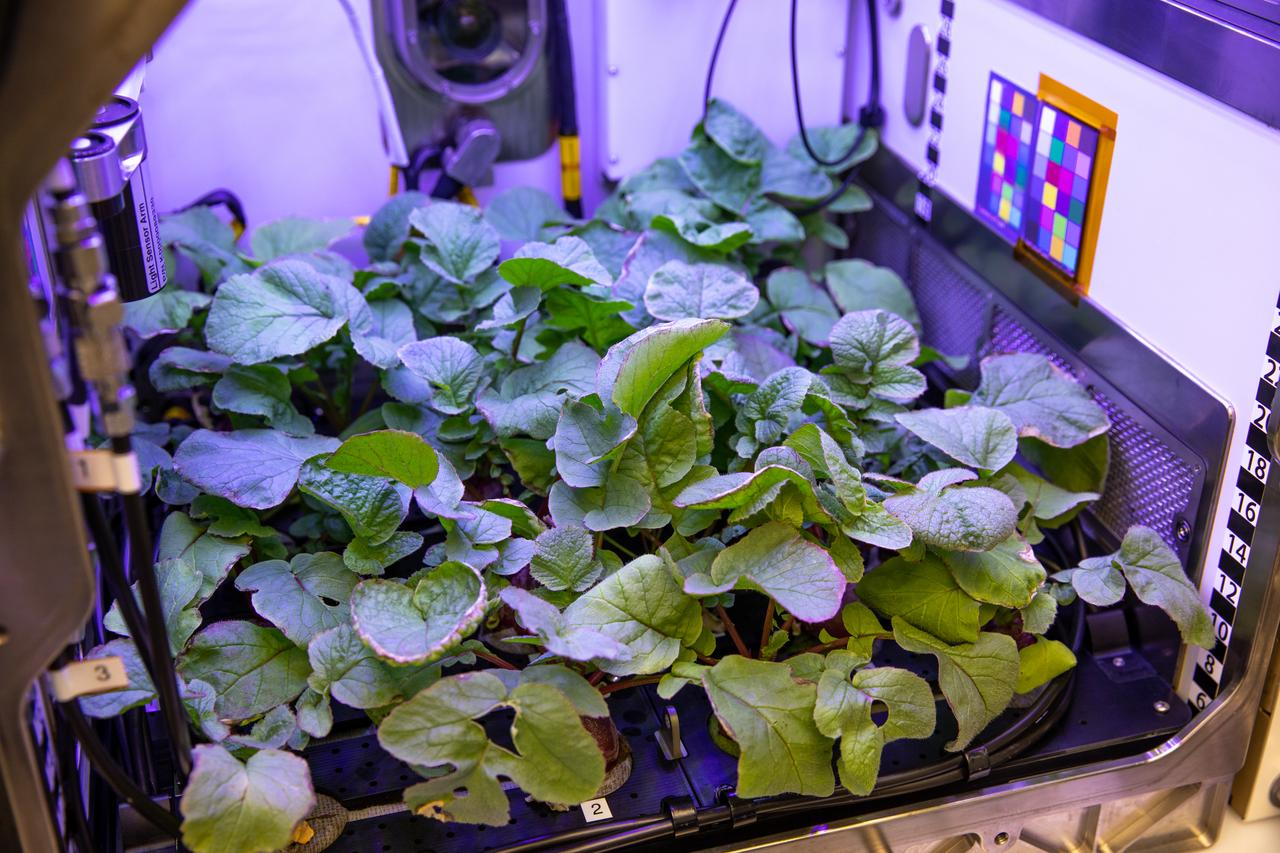
Six of the newly selected investigations fall under NASA’s Space Crops grants, a program designed to harness the remarkable power of plants and other biological systems to enhance the quality of life for humans in space and to enable lunar and Martian exploration. The overarching goal is to reduce reliance on Earth-supplied provisions, minimize launch mass, and provide fresh, nutritious food that contributes to astronaut well-being and morale during arduous missions.
Four of these space crops proposals delve into the intricate studies of edible plants, examining how their growth, physiology, and associated microbial communities are affected by the unprecedented environmental conditions encountered in space or on other planetary bodies. This includes scrutinizing the effects of altered gravity (microgravity or partial gravity on the Moon/Mars), unique light spectra, nutrient delivery systems in closed environments, and atmospheric compositions that differ significantly from Earth’s. Understanding these interactions is paramount for developing efficient and productive extraterrestrial agricultural systems. For instance, researchers will explore how changes in root development in microgravity affect nutrient uptake, or how radiation exposure influences plant metabolic pathways, potentially impacting yield or nutritional content. The role of beneficial microbes in plant health and soil fertility, crucial on Earth, takes on new significance in sterile or novel extraterrestrial substrates, making their study vital for establishing sustainable bio-regenerative life support.
A particularly fascinating proposal involves understanding the mechanisms by which certain plant species, known as resurrection plants, can withstand extreme, dry conditions. These remarkable plants possess the ability to survive near-total desiccation, appearing dead, only to revive rapidly upon rehydration. Examples like Selaginella lepidophylla (the "resurrection plant") offer natural blueprints for extreme stress tolerance. By dissecting the genetic and molecular pathways that enable this incredible resilience, scientists hope to identify genes or mechanisms that could be engineered into conventional crop plants, making them more robust and adaptable to the arid, resource-limited environments of the Moon or Mars, where water conservation is paramount. Such discoveries could revolutionize future off-world agriculture, potentially leading to crops that can endure harsh Martian dust storms or long periods of dormancy during transit.
The final space crops proposal builds upon previous groundbreaking studies conducted aboard the International Space Station (ISS) to uncover the functions of algal genes. Specifically, it seeks to understand how the expression of these genes, which control algae survival and metabolic processes, is modified by the spaceflight environment. Algae are considered highly promising candidates for future bioregenerative life support systems due to their rapid growth rates, high protein content, efficiency in oxygen production, and ability to scrub carbon dioxide. By identifying which algal genes are upregulated or downregulated in space, and understanding the implications for their performance, scientists can optimize algal bioreactors for maximum efficiency and resilience, integrating these biological-based solutions into the complex life-support systems required for sustainable human outposts. Previous ISS experiments with various plant growth chambers, such as Veggie and the Advanced Plant Habitat, have demonstrated the feasibility of growing produce like lettuce, zinnias, and even chili peppers in space, laying a foundational understanding that these new algal studies aim to advance significantly.
Safeguarding the Human Element: Precision Health in Space
The second set of six proposals falls under the agency’s Biological and Physical Sciences Division’s focus on precision health. This cutting-edge approach seeks to unravel the complex mechanisms by which space exploration affects human health and well-being, aiming to develop personalized countermeasures and preventative strategies tailored to individual astronaut profiles. The objective is to mitigate health risks associated with long-duration missions and ensure astronauts remain in optimal condition throughout their journeys and upon return to Earth.
One critical proposal within this category studies how lunar dust exposure impacts respiratory, immune, and inflammation responses. Lunar dust, famously abrasive, electrostatically charged, and potentially chemically reactive, posed challenges during the Apollo missions, causing irritation to eyes and respiratory systems. As NASA plans for a sustained human presence on the Moon, understanding the long-term health effects of chronic lunar dust exposure becomes imperative. This research will investigate the cellular and molecular pathways triggered by dust inhalation, identifying potential biomarkers for early detection of harm and paving the way for protective measures or treatments. The findings could inform the design of lunar habitats, EVA suits, and dust mitigation protocols, preventing serious health complications for future lunar explorers.
A second proposal focuses on identifying repurposed drugs that can mitigate the diverse effects space travel has on human health and physiology. Drug repurposing involves finding new uses for existing, approved medications, which significantly accelerates the development and testing timeline compared to creating new drugs from scratch. Astronauts face a myriad of physiological challenges, including bone density loss (osteopenia), muscle atrophy, cardiovascular deconditioning, neuro-ocular syndrome (SANS), and altered immune function. This research will screen and evaluate existing pharmaceuticals for their potential to counteract these specific spaceflight-induced conditions, offering a faster pathway to deploy effective countermeasures that could be readily available during missions.
Two more of the research proposals look at how radiation, combined with other spaceflight stressors, affects age-relevant characteristics seen in various organ and physiological systems. Space radiation, primarily from galactic cosmic rays and solar particle events, poses a significant long-term health risk, causing DNA damage, increasing cancer risk, and potentially accelerating aging processes. However, radiation rarely acts in isolation. It interacts with other stressors like microgravity, altered circadian rhythms, chronic stress, and confinement. These investigations will explore how these combined factors might accelerate cellular senescence, telomere shortening, and other markers of biological aging, affecting critical systems such as the central nervous system, cardiovascular system, and immune system. Understanding these synergistic effects is crucial for developing comprehensive protection strategies against the cumulative damage experienced during multi-year missions to Mars.
The final two proposals assess molecular and cellular changes induced by stressors in space that can alter gene expression or protein function. These fundamental studies aim to uncover the subtle yet profound ways in which the space environment remodels biological processes at the most basic level. Changes in gene expression (which genes are turned on or off) and protein function (how proteins perform their roles) can lead to a cascade of physiological adaptations or maladaptations. The research will seek to identify specific molecular pathways that are perturbed, serving as crucial biomarkers for health risks. Critically, this research will also identify ways to mitigate these health issues and develop early-warning detection systems, allowing crew members to be notified of potential concerns before symptoms manifest, enabling proactive interventions. This personalized, predictive approach is a cornerstone of precision medicine, adapted for the unique context of space.
A Nationwide Collaborative Effort and Strategic Investment
The principal investigators leading these cutting-edge space biology studies hail from 10 esteemed institutions across eight states, reflecting the broad scientific talent pool engaged in advancing NASA’s exploration goals. Notably, nine of these awards are granted to investigators who are receiving funding from the Space Biology Program for the first time. This deliberate effort to bring in new researchers and fresh perspectives ensures a vibrant, innovative, and diverse scientific community is continually contributing to space exploration challenges. The competitive nature of the ROSES-2024 (Research Opportunities in Space and Earth Sciences) solicitation, specifically Program Element E.9: Space Biology Research Studies (NNH24ZDA001N-SBR), guarantees that only the most scientifically rigorous and impactful proposals receive funding after a thorough peer-review process.
When fully implemented, the more than $7 million in grant money allocated throughout fiscal years 2026-2030 represents a significant, long-term investment in fundamental space biology. This sustained funding allows researchers the necessary time and resources to conduct complex experiments, analyze data, and iterate on their findings, pushing the boundaries of what is known about life in extreme environments.
Leadership Perspectives on the Future of Space Biology
"These selected investigations are more than just scientific projects; they are foundational pillars for humanity’s sustained presence beyond Earth," stated a representative from NASA’s Science Mission Directorate, emphasizing the strategic importance of the research. "Our journey to the Moon and Mars is not just about rockets and hardware; it’s profoundly about understanding and adapting life to new environments. The insights gained from these studies will directly enable our astronauts to live and work safely and productively, far from home."
The Director of NASA’s Biological and Physical Sciences Division further elaborated, "The precision health and space crops research pathways are critical to our holistic approach to human spaceflight. From designing closed-loop ecosystems that can feed our crews to developing personalized medical countermeasures against the unique stressors of space, this portfolio represents a significant leap forward. We are not just preparing for future missions; we are building the scientific infrastructure for a multi-planetary civilization, ensuring that every step of our journey is supported by robust, data-driven biological understanding. Furthermore, the fresh perspectives from our first-time principal investigators are invigorating the field with new ideas and approaches."
Principal investigators involved in these grants expressed their enthusiasm and the profound significance of their work. Dr. Anya Sharma, lead for one of the precision health studies, remarked, "To be at the forefront of understanding how lunar dust impacts human physiology is an immense privilege. Our findings could literally shape how we design habitats and protective gear for future lunar missions, safeguarding the health of explorers for generations to come." Similarly, Dr. Kai Chen, whose team is investigating resurrection plants, commented, "Unlocking the secrets of extreme plant resilience offers not just a path to growing food on Mars, but also invaluable knowledge for developing more robust crops here on Earth in the face of climate change. The dual benefits of this research are truly exciting."
Broader Impact and Terrestrial Spin-offs
The implications of these twelve investigations extend far beyond the confines of space exploration. The fundamental research into plant growth in extreme environments and resource-efficient agriculture has direct applications for addressing food security challenges on Earth. Insights into drought-resistant crops, optimized nutrient delivery systems, and closed-environment agriculture could revolutionize vertical farming and sustainable agricultural practices, particularly in arid regions or densely populated urban areas. The lessons learned about efficient resource utilization and waste recycling in space can also inform efforts to create more sustainable, circular economies on Earth.
Similarly, the precision health investigations hold immense potential for terrestrial medicine. Understanding how radiation and microgravity affect human physiology can provide novel insights into age-related diseases, osteoporosis, cardiovascular health, and immune disorders on Earth. The development of personalized medical countermeasures and early-warning detection systems for astronauts could translate into advanced diagnostic tools and treatments for patients on Earth, pushing the boundaries of precision medicine in clinical practice. Research into drug repurposing for spaceflight-induced conditions might uncover new therapeutic uses for existing drugs, accelerating the development of treatments for various ailments affecting millions.
In conclusion, NASA’s selection of these twelve investigations marks a crucial advancement in the agency’s strategy to enable sustainable human deep-space exploration. By fostering innovative research into off-planet food production and comprehensive astronaut health, NASA is not only paving the way for future lunar and Martian missions but also generating invaluable scientific knowledge and technological breakthroughs that promise to benefit all of humanity, both in space and on Earth. The investment underscores a future where humanity’s reach into the cosmos is matched by its ingenuity in sustaining life across new frontiers.