The rapid acceleration of the artificial intelligence (AI) sector is set to dramatically reshape the energy landscape, with a new forecast indicating that U.S. data centers could consume more natural gas by 2035 than the combined current usage of Germany and Japan. This startling projection, released in a comprehensive report by BloombergNEF, highlights an unprecedented surge in energy demand driven by the insatiable computational needs of AI, posing significant challenges for energy infrastructure, market stability, and climate goals.
Unprecedented Surge in Natural Gas Demand
According to BloombergNEF’s latest analysis, U.S. data centers are projected to consume approximately 18 billion cubic feet per day (Bcf/d) of natural gas by 2035. This figure represents nearly double the amount the organization had predicted just nine months prior, underscoring the rapid and escalating pace of AI development and deployment. To put this into perspective, the U.S. consumed an average of around 85-90 Bcf/d of natural gas in recent years across all sectors, making the projected data center demand a substantial and rapidly growing fraction of the national energy profile. The report meticulously accounts for the realistic completion rates of announced data center projects, suggesting that even with potential delays or cancellations, the core trend remains robust.
This projected demand positions data centers as the second-strongest driver of natural gas demand growth over the next decade, trailing only behind liquefied natural gas (LNG) exports. The convergence of these two powerful demand forces—domestic technological expansion and international energy supply—is poised to exert immense pressure on natural gas markets and infrastructure.
The Dual Track of Data Center Power: Grid vs. Onsite Generation
The escalating energy requirements of AI-driven data centers are manifesting through two primary consumption pathways: direct grid reliance and a growing trend towards onsite power generation.
Onsite Power Plants: A Strategic Shift by Hyperscalers
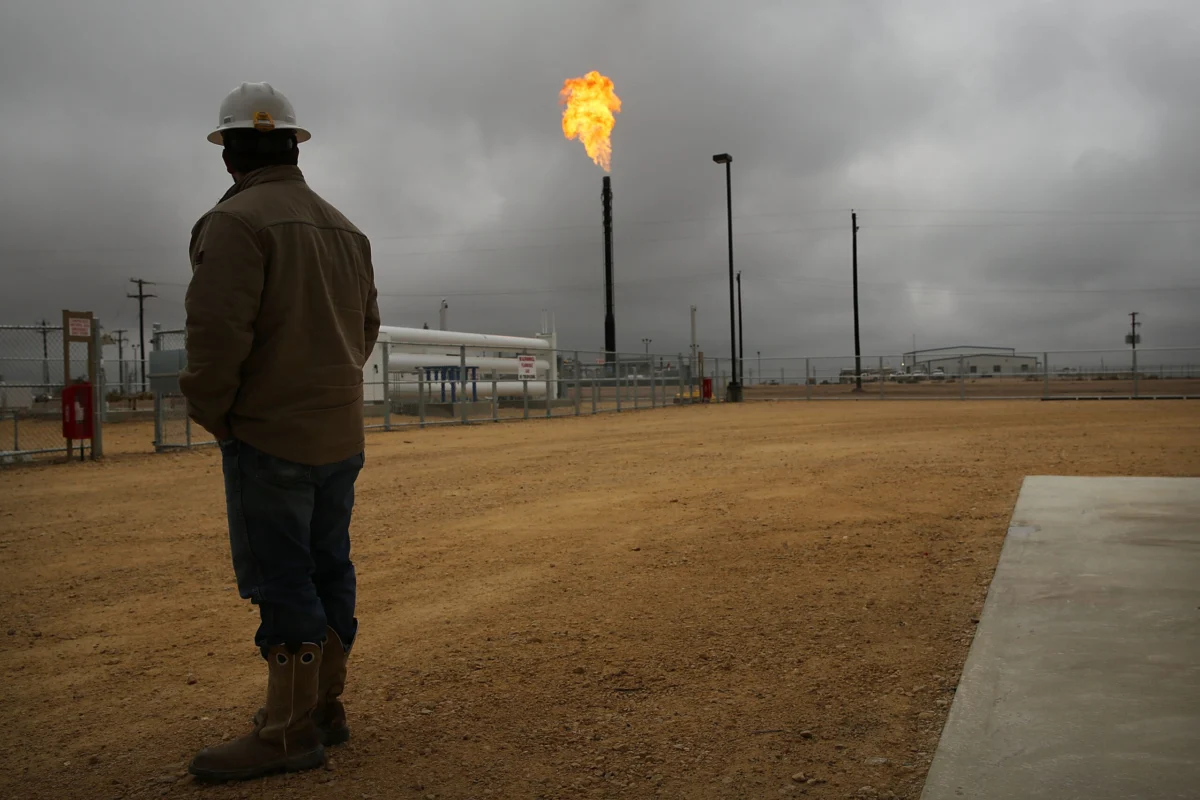
In recent months, major technology companies, often referred to as hyperscalers, have made headlines with their plans to construct dedicated natural gas power plants to supply their data centers directly, bypassing the traditional electricity grid. Giants such like Meta, Microsoft, Google, and Amazon have all announced or are actively pursuing projects that will generate power onsite. These facilities are anticipated to consume between 2.9 billion and 3.4 billion cubic feet per day of natural gas by 2035. This amount alone is roughly equivalent to the total natural gas consumed by all U.S. data centers today, including the gas used to generate grid power for them.
The motivation behind this strategic shift is multi-faceted. Hyperscalers seek greater energy independence, enhanced reliability, and potentially more stable operational costs in an era of volatile energy markets and increasingly strained public grids. By controlling their power generation, these companies aim to ensure an uninterrupted, high-quality power supply critical for the continuous operation of AI models and massive data processing. This trend represents a significant departure from traditional reliance on utility grids and underscores the critical importance of power availability to their business models. The initial capital outlay for such projects is substantial, but the long-term benefits in terms of operational control and potential cost predictability appear to outweigh these considerations for the industry leaders.
Grid-Connected Data Centers: The Larger Share of Future Demand
Despite the attention garnered by onsite power initiatives, BloombergNEF’s analysis indicates that grid-connected data centers are projected to drive the lion’s share of future natural gas consumption growth. By the middle of the next decade, these facilities are expected to necessitate an additional 15 billion cubic feet per day of natural gas consumption by the power sector. This colossal increase is five times greater than the demand growth anticipated from all other grid-connected sectors combined through 2035.
This substantial demand from grid-connected centers will place immense strain on existing utility infrastructure and necessitate significant investment in new power generation capacity, much of which is currently slated to be natural gas-fired. The challenge for utility companies will be to rapidly expand their generation and transmission capabilities while navigating complex regulatory environments and increasing pressure for decarbonization.
Background and Context: The Genesis of AI’s Energy Hunger
The current surge in data center energy demand is directly attributable to the explosive growth of artificial intelligence, particularly generative AI models. The timeline of this acceleration can be traced to late 2022 and early 2023 with the public release of models like OpenAI’s ChatGPT. This event catalyzed widespread adoption and investment in AI across nearly every industry sector.
What Makes AI So Energy-Intensive?
AI workloads are inherently power-hungry for several reasons:
- Computational Intensity: Training and running large language models (LLMs) and other complex AI algorithms require immense computational power. This is typically delivered by Graphics Processing Units (GPUs), which are significantly more energy-intensive than traditional Central Processing Units (CPUs).
- Continuous Operation: AI models often run continuously, processing vast datasets, performing inferences, and learning. This 24/7 operation translates into constant, high-level electricity demand.
- Cooling Requirements: The high-density computing clusters generate substantial heat. Efficient and continuous cooling systems are indispensable to prevent hardware damage and maintain optimal performance, further adding to the energy load.
- Data Storage and Transfer: AI relies on massive datasets, necessitating extensive data storage infrastructure and high-speed networking, both of which consume significant power.
The "AI race" among tech giants is a fierce competition to develop and deploy the most advanced AI capabilities. This competition fuels the rapid construction of new data centers and the continuous upgrade of existing ones, all demanding ever-increasing amounts of electricity. Each new generation of AI model is more complex and data-intensive than the last, creating a seemingly endless upward spiral in energy consumption.
Broader Economic and Energy Market Implications
The projected demand growth from data centers carries profound implications for natural gas prices, utility ratepayers, and the overall energy market.
Impact on Natural Gas Prices:
Much of the current data center buildout and the financial models supporting it have been predicated on the relatively stable and historically low natural gas prices observed in recent years. However, analysts like those at Noreva are cautioning that this stability may be a "false hope." The combined effect of soaring data center demand and robust LNG exports could lead to a significant upward trajectory in natural gas prices. This potential price surge would impact not only the operating costs for tech companies but also the broader economy. While hyperscalers might possess the financial resilience to absorb higher energy costs, the burden on utility ratepayers—households and smaller businesses—could be substantial, potentially leading to higher electricity bills across the country.
Strain on Energy Infrastructure:
The unprecedented demand shock from data centers will place immense pressure on the U.S. electricity grid. Utilities will face the daunting task of upgrading and expanding generation, transmission, and distribution infrastructure at an accelerated pace. This requires substantial capital investment, long planning horizons, and overcoming regulatory hurdles. The risk of grid instability, localized power shortages, and increased reliance on fossil fuels to meet peak demand becomes more pronounced.
Competition with LNG Exports:
Natural gas has emerged as a critical export commodity for the U.S., particularly to Europe and Asia, supporting global energy security. The escalating domestic demand from data centers will create a direct competition for natural gas resources with the burgeoning LNG export market. This internal competition could influence U.S. energy policy, pricing strategies, and the overall allocation of natural gas supplies.
Environmental and Climate Impact
Beyond the economic ramifications, the projected natural gas consumption by data centers poses a significant challenge to climate change mitigation efforts.
Increased Greenhouse Gas Emissions:
Burning one cubic foot of natural gas releases the equivalent of approximately 60 grams of carbon dioxide into the atmosphere, according to the International Energy Agency (IEA). This figure includes emissions from extraction, processing, and distribution (e.g., methane leaks). The additional demand from data centers—18 Bcf/d—will generate an estimated 1 million metric tons of additional greenhouse gas (GHG) pollution daily. This daily increment alone represents approximately 12% of total U.S. greenhouse gas emissions today, which is a staggering contribution from a single sector’s growth.
This substantial increase in emissions directly contradicts national and international climate goals aimed at decarbonizing electricity grids and transitioning to renewable energy sources. The reliance on natural gas, while cleaner than coal, is still a significant contributor to global warming, particularly given the potency of methane as a greenhouse gas if leaked during production and transport.
Challenges to Renewable Energy Transition:
The rapid deployment of natural gas infrastructure to meet data center demand could potentially lock in fossil fuel dependency for decades, making the transition to a fully renewable energy grid more challenging. While some tech companies have ambitious renewable energy targets, the sheer scale and immediacy of their power needs often necessitate the use of dispatchable, always-on power sources like natural gas, especially in regions where renewable generation and grid storage are not yet sufficiently developed.
Other Environmental Concerns:
Beyond greenhouse gas emissions, data centers have other environmental footprints. They are significant consumers of water for cooling, particularly in arid regions. The expansion of data center infrastructure also requires considerable land use, impacting local ecosystems and communities.
Industry Reactions and Future Outlook
While specific official statements on the BloombergNEF report’s findings from all parties are pending, informed reactions from relevant stakeholders can be logically inferred:
Tech Companies (Hyperscalers): While acknowledging the environmental footprint, tech companies are likely to emphasize their commitment to sustainability goals, including investing in renewable energy projects, improving data center energy efficiency, and exploring advanced cooling technologies. However, they will also underscore the imperative to meet the growing demand for AI computing power, which is seen as essential for innovation and economic competitiveness. They might highlight efforts to purchase renewable energy credits or invest in carbon capture technologies as part of their broader sustainability strategies.
Utility Companies: Utilities will likely stress the enormous capital investment required to modernize and expand the grid to accommodate this unprecedented demand. They may advocate for regulatory frameworks that support rapid infrastructure development and cost recovery. They will also emphasize the need for a diverse energy portfolio, including natural gas, to ensure grid reliability during the transition to higher levels of renewable energy.
Energy Analysts and Policy Makers: Energy analysts will likely call for a comprehensive national energy strategy that balances economic growth, technological advancement, and environmental sustainability. Policy makers will face increasing pressure to accelerate investments in renewable energy, grid modernization, and energy storage solutions. Discussions around carbon pricing, incentives for clean energy, and stricter emissions standards for data centers are likely to intensify. There may also be calls for greater transparency regarding data center energy consumption and its environmental impact.
Environmental Advocacy Groups: Environmental organizations are expected to intensify their calls for tech companies and governments to prioritize genuinely clean energy solutions. They will likely highlight the potential for the AI boom to derail climate progress and push for stronger regulations, mandatory renewable energy sourcing, and a rapid phase-out of fossil fuels in the power sector. They may also point to the need for greater scrutiny of the "green" claims made by tech companies given their escalating reliance on natural gas.
Conclusion: A Critical Juncture for Energy and AI
The BloombergNEF forecast serves as a critical warning sign, signaling that the rapid advancement of artificial intelligence is creating an energy demand shock with profound and far-reaching implications. The projected natural gas consumption by U.S. data centers by 2035—exceeding the combined usage of two major industrial nations—underscores the urgent need for a strategic, multi-faceted response.
Addressing this challenge requires coordinated efforts from technology giants, utility providers, policymakers, and environmental stakeholders. Innovation in energy efficiency, aggressive deployment of renewable energy sources, advancements in energy storage, and potentially the integration of other low-carbon power generation technologies like nuclear will be crucial. The AI race, while promising immense societal benefits, must navigate a sustainable path to avoid exacerbating climate change and straining critical energy resources. The coming decade will be a defining period for how the world balances technological progress with environmental responsibility.