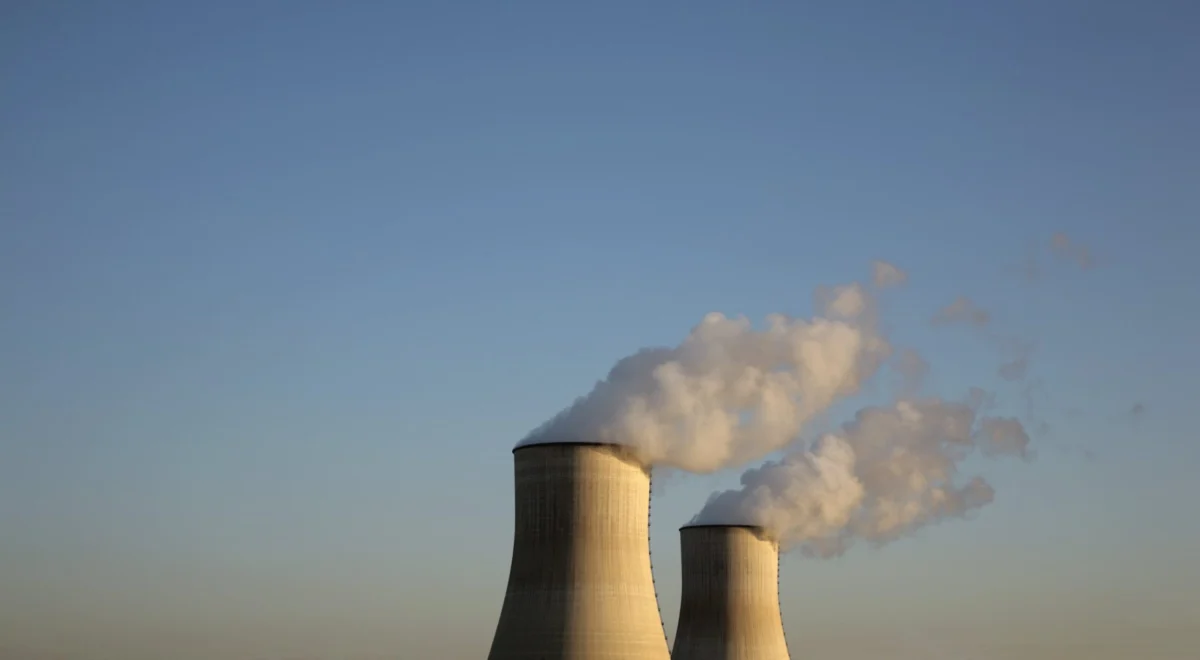
Kairos Power, a leading nuclear startup at the forefront of advanced reactor development, has announced a significant partnership with global engineering and construction powerhouse Samsung C&T. The collaboration centers on the construction of Kairos Power’s 50-megawatt demonstration reactor, a crucial component of its broader agreement to supply carbon-free electricity to Google’s energy-intensive data centers. The ambitious timeline for this initial reactor targets completion by 2030, underscoring the urgent demand for clean, reliable power sources driven by the exponential growth of artificial intelligence.
A Strategic Alliance Forged for Nuclear Innovation
The partnership, unveiled on Monday, involves a substantial financial commitment from Samsung C&T, comprising an equity investment of $70 million and an additional contribution of "in-kind" engineering services, collectively valued at up to $100 million. This strategic investment not only provides Kairos Power with vital capital but also integrates Samsung C&T’s extensive expertise in complex infrastructure projects, particularly within the nuclear sector. For Kairos Power, securing such a robust partner is a critical step in de-risking and accelerating the deployment of its innovative reactor technology. Samsung C&T’s track record includes the construction or co-construction of approximately a dozen nuclear reactors worldwide, providing invaluable experience in project management, supply chain optimization, and adherence to stringent safety and regulatory standards.
The infusion of capital and specialized engineering support is expected to significantly bolster Kairos Power’s capabilities, enabling it to meet the demanding schedule required for its demonstration project. The "in-kind" services will likely encompass critical areas such as detailed design, procurement assistance, construction planning, and project execution support, all of which are essential for a first-of-a-kind advanced nuclear build.
Google’s Ambitious Clean Energy Imperative
This partnership is a direct outgrowth of Google’s proactive strategy to decarbonize its global operations, particularly its rapidly expanding network of data centers. In a landmark deal signed in the fall of 2024, Google engaged Kairos Power to develop nuclear reactors capable of generating approximately half a gigawatt (500 megawatts) of electricity by 2035. This long-term commitment highlights the tech giant’s recognition of nuclear power as a vital, dispatchable, and carbon-free energy source necessary to meet the escalating power demands of its AI infrastructure.
The energy consumption of data centers, particularly those optimized for AI workloads, has surged dramatically in recent years. Industry estimates suggest that AI data centers could consume between 85 to 134 terawatt-hours (TWh) annually by 2027, comparable to the electricity consumption of entire medium-sized countries. This immense and growing appetite for power necessitates innovative, scalable, and sustainable energy solutions beyond traditional renewables, which often suffer from intermittency issues. Google’s pursuit of advanced nuclear micro-reactors is a testament to its "24/7 carbon-free energy" goal, aiming to match its electricity consumption with clean energy sources every hour of every day, everywhere. This aggressive target pushes beyond simply purchasing renewable energy credits and requires direct, continuous access to carbon-free power.
Kairos Power’s Innovative Reactor Design: Hermes 2
Kairos Power is currently making tangible progress on its reactor development in Oak Ridge, Tennessee. The company is constructing two reactors: Hermes 1, a low-power demonstrator designed to refine its commercial reactor technology, and Hermes 2, which will be its first commercial-scale reactor. The output from Hermes 2 is slated to count as the initial 50 megawatts toward its agreement with Google.
Hermes 2 is designed as a fluoride salt-cooled high-temperature reactor (FHR), a technology that has been conceptualized and studied for decades but has yet to be built at a commercial scale. This reactor type leverages the unique thermodynamic properties of fluoride salts, which possess exceptionally high boiling points. This characteristic allows the reactor to operate at lower pressures compared to conventional light water reactors, significantly reducing the risk of high-pressure blowouts in the event of component failures. The inherent safety features of FHRs, including passive heat removal capabilities, are a key selling point for advanced reactor developers and regulators alike. Operating at higher temperatures also offers the potential for greater thermal efficiency in electricity generation and opens avenues for process heat applications in industrial sectors.
Advanced Fuel Technology: TRISO for Enhanced Safety
Beyond the reactor’s cooling system, Kairos Power is also employing a relatively novel form of nuclear fuel known as TRISO (TRi-structural ISOtropic particle fuel). TRISO fuel represents a significant advancement in nuclear safety and performance. Each TRISO particle encapsulates tiny kernels of uranium fuel within multiple layers of ceramic and carbon materials. These layers, typically including a porous carbon buffer, an inner pyrolytic carbon layer, a silicon carbide (SiC) layer, and an outer pyrolytic carbon layer, act as miniature pressure vessels and containment barriers. These billiard ball-sized spheres, packed with TRISO particles, are designed to withstand extremely high temperatures and retain fission products even under severe accident conditions, effectively preventing meltdowns.
The multi-barrier containment of TRISO fuel provides a robust defense against radioactive release, even if the reactor core were to experience a loss of cooling. This "inherent safety" aspect is a cornerstone of advanced reactor designs, aiming to simplify safety systems and enhance public confidence in nuclear power. TRISO fuel has a long history of development, notably used in high-temperature gas-cooled reactors (HTGRs) in various experimental and demonstration projects globally, showcasing its proven resilience.
Navigating the Regulatory Landscape and Ambitious Timelines
The path to deploying advanced nuclear reactors is rigorous and heavily regulated. Kairos Power received crucial approval from the Nuclear Regulatory Commission (NRC) in November 2024 to proceed with the construction of its two small nuclear reactors. This approval marked a significant milestone, demonstrating the NRC’s willingness to review and license non-light water reactor designs, a process that often requires adapting existing regulatory frameworks. The company anticipates Hermes 2 to commence operations in 2030, aligning precisely with its original agreement with Google.
Achieving operational status for a first-of-a-kind nuclear power plant within a five-year timeframe is an exceptionally ambitious goal within the nuclear industry. Traditional nuclear power plant construction often spans a decade or more, fraught with cost overruns and delays. However, advanced reactor developers like Kairos Power aim to streamline this process through modular construction techniques, factory fabrication, and simplified designs. The involvement of Samsung C&T, with its vast experience in complex, large-scale engineering projects and its ability to mobilize significant resources, is expected to be instrumental in meeting this accelerated timeline. Their expertise in project management, supply chain logistics, and efficient construction methodologies could prove invaluable in overcoming potential hurdles and ensuring timely delivery.
The Broader Nuclear Renaissance and the Rise of SMRs
Kairos Power is part of a growing wave of nuclear startups benefiting from a renewed global interest in nuclear energy. This "nuclear renaissance" is fueled by several factors: the urgent need for decarbonization to combat climate change, the increasing demand for reliable baseload power, and geopolitical considerations regarding energy independence. Small Modular Reactors (SMRs) are central to this resurgence. SMRs are defined by the International Atomic Energy Agency (IAEA) as advanced nuclear reactors that produce up to 300 MWe (electrical) per unit, are designed for modularity, and have the potential for factory fabrication and serial deployment.
The advantages of SMRs are compelling:
- Scalability: Their modular nature allows for incremental capacity additions, matching grid demands more precisely.
- Reduced Footprint: Smaller physical size enables deployment in a wider range of locations, including industrial sites or remote communities.
- Enhanced Safety: Many SMR designs incorporate advanced passive safety features, requiring less active intervention in emergencies.
- Factory Fabrication: The ability to mass-produce modules in a factory setting promises lower costs, higher quality control, and significantly shorter construction times compared to large, custom-built reactors.
- Grid Flexibility: SMRs can be integrated with renewable energy sources, providing stable baseload power to balance intermittent generation.
The global SMR market is projected to grow significantly over the next few decades, with various designs under development worldwide. The partnership between Kairos Power and Samsung C&T signals a growing confidence in the commercial viability and deployability of these advanced technologies, particularly for industrial applications and to power critical infrastructure like data centers.
Implications for Advanced Nuclear Deployment and Energy Security
This collaboration has profound implications for the future of advanced nuclear energy. Firstly, it validates the commercial potential of innovative reactor designs and fuels, attracting significant investment from established industrial players. Samsung C&T’s commitment is not merely financial; it’s a strategic endorsement of Kairos Power’s technology and business model. This could pave the way for similar partnerships between advanced reactor developers and major engineering firms, accelerating the overall pace of SMR deployment globally.
Secondly, the partnership highlights a new model for nuclear project execution. By combining the agility and innovation of a startup like Kairos Power with the industrial scale and construction prowess of Samsung C&T, the nuclear industry can potentially overcome historical challenges of cost overruns and protracted timelines. This integrated approach, where an experienced EPC (Engineering, Procurement, and Construction) firm takes an equity stake, aligns incentives and fosters a more collaborative environment for project success.
Thirdly, the deal reinforces the critical role of nuclear power in achieving energy security and decarbonization targets. As nations strive to reduce reliance on fossil fuels and build resilient energy infrastructures, dispatchable, carbon-free power sources like advanced nuclear reactors become indispensable. The ability to deploy modular, inherently safer reactors in a more timely fashion offers a pathway to meet growing energy demand while simultaneously addressing climate change imperatives. For Google, securing a reliable, clean energy supply directly at its data center locations will reduce transmission losses, enhance grid stability, and provide predictable operating costs, further cementing its leadership in sustainable technology.
Challenges and the Path Ahead
Despite the significant progress and the strategic partnership, challenges remain. The 2030 timeline, while ambitious, is still subject to the complexities inherent in nuclear construction, supply chain logistics, and ongoing regulatory oversight. Scaling up from a demonstration reactor to the half-gigawatt capacity promised to Google by 2035 will require an even faster deployment rate for subsequent reactors, a feat that will test the limits of modular construction and serial manufacturing. Samsung C&T’s experience in streamlining large-scale projects will be crucial in this phase.
Moreover, public perception and acceptance of new nuclear technologies, while improving, remain a factor. Continuous transparent communication about the safety features of FHRs and TRISO fuel will be essential. The success of Hermes 2 will serve as a critical proof point, not only for Kairos Power and its partners but for the entire advanced nuclear industry, demonstrating that these innovative designs can be built safely, on time, and within budget.
In conclusion, the partnership between Kairos Power and Samsung C&T represents a pivotal moment in the evolution of advanced nuclear energy. It combines cutting-edge reactor technology with seasoned construction expertise, backed by the immense energy demands of the digital age. This collaboration is poised to accelerate the deployment of next-generation nuclear power, offering a tangible solution to the world’s urgent need for clean, reliable, and scalable energy. The success of this project could well set a new benchmark for how nuclear power is developed and delivered in the 21st century, profoundly impacting global energy security and climate goals.