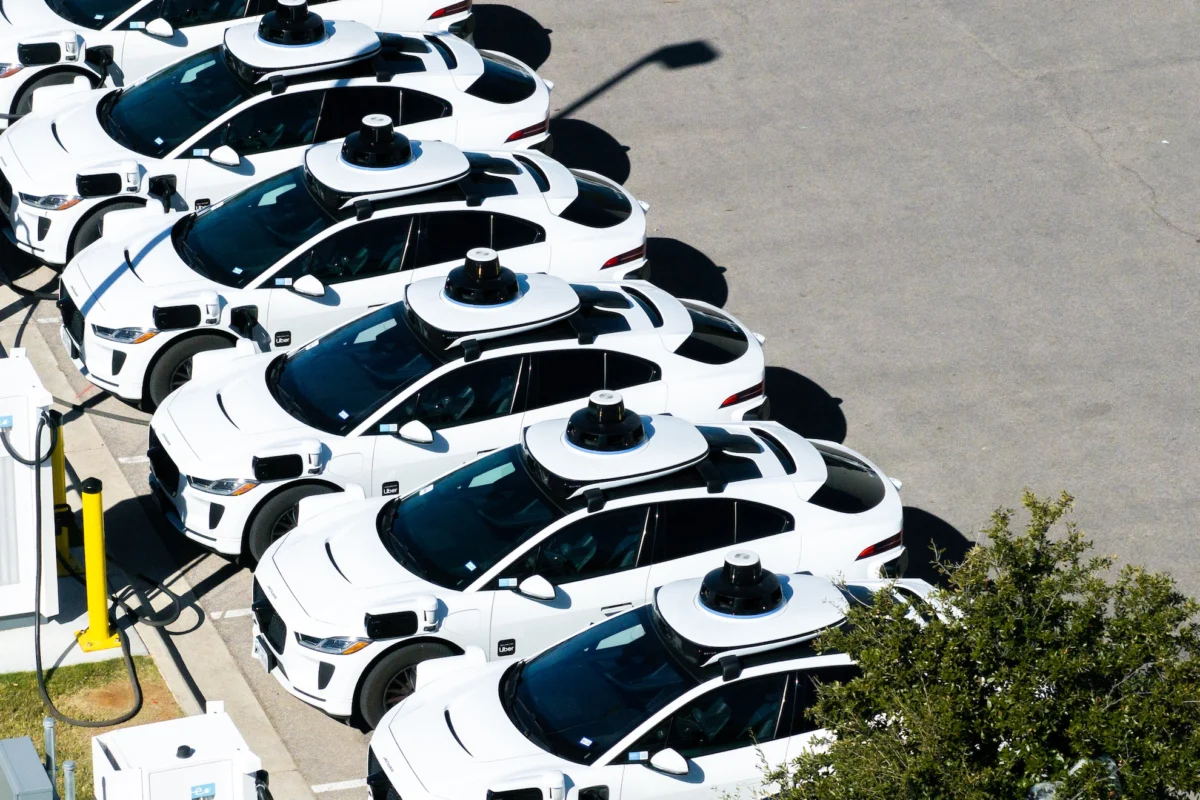
Waymo, the pioneering autonomous vehicle subsidiary of Alphabet, is demonstrating an ambitious and multifaceted commercial robotaxi ramp-up that appears expansive across various metrics, including geographic reach and ridership figures. By almost every measure, the company’s recent growth trajectory is robust and indicative of a leader in the nascent self-driving sector. However, a deeper examination reveals a highly concentrated deployment strategy, focusing substantial resources on specific high-potential markets, primarily within two key U.S. states. This calculated approach underscores Waymo’s long-term vision for scalability and profitability, even as it navigates complex supply chain economics and regulatory landscapes.
The impressive headline figures reflect the kind of strategic commercial rollout expected from a deeply capitalized technology giant like Waymo, which originated from Google’s self-driving car project and remains predominantly owned by Alphabet. Just two years ago, in September 2024, Waymo’s commercial operations were limited to a nascent presence in three major U.S. cities: Phoenix, Arizona; Los Angeles, California; and San Francisco, California. Fast forward to today, and the company proudly offers its autonomous ride-hailing service in 15 U.S. cities, with the vast majority of these commercial launches having occurred within the past year. This rapid geographical expansion has been mirrored by a dramatic surge in demand, with Waymo now consistently averaging an astounding 500,000 paid robotaxi rides every single week. This volume signifies a significant milestone, indicating growing consumer trust and operational efficiency in selected markets, laying the groundwork for what Waymo hopes will be a widespread adoption of autonomous mobility.
Geographic Concentration and Strategic Imperatives
Despite the impressive tally of 15 operational cities, a granular analysis of Waymo’s physical fleet distribution reveals a distinct concentration of its assets. Approximately 80% of Waymo’s roughly 4,000 operational robotaxis are strategically deployed in just two states: California and Texas. This concentration is not accidental but a deliberate maneuver, reflecting a calculated focus on markets deemed most critical for advanced testing, regulatory navigation, and rapid scaling. While California has historically served as Waymo’s foundational testing ground and continues to host a significant portion of its fleet, Texas has recently emerged as a new epicenter of growth, experiencing an accelerated influx of Waymo vehicles.
The strategic emphasis on California is inherently logical for Waymo. Headquartered in Silicon Valley, the company benefits from proximity to its talent pool, extensive engineering facilities, and a regulatory environment that, while stringent, has also been instrumental in shaping early autonomous vehicle (AV) policy. California’s tech-forward population also provides a fertile ground for early adoption, offering valuable real-world feedback on service quality and user experience. Moreover, the state’s diverse urban and suburban environments present a complex array of driving scenarios, crucial for refining Waymo’s autonomous driving system.
However, the recent, almost explosive, growth in Texas represents a particularly compelling chapter in Waymo’s expansion narrative. According to state vehicle registrations and comprehensive data compiled by the Texas Autonomous Vehicle Fleet Tracker, Waymo has augmented its Texas fleet by an extraordinary 49% in just the past three weeks. As of September 24, the company had registered 1,102 autonomous vehicles in the state, making Texas a critical hub for its operations. This rapid deployment highlights Texas’s increasingly favorable regulatory climate for autonomous vehicles, characterized by less restrictive legislation compared to some other states, alongside large, growing metropolitan areas that promise high ridership potential.
Chronology of Texas Expansion
Waymo’s commercial foray into Texas commenced in March 2025 with a strategic partnership in Austin, leveraging Uber’s expansive ride-hailing platform. This collaboration allowed Waymo to integrate its robotaxi service directly into the widely used Uber app, providing immediate access to a vast customer base and facilitating a seamless user experience. This initial success paved the way for a broader expansion across the Lone Star State. Since its Austin debut, Waymo has methodically extended its robotaxi services to other major Texas cities, including Dallas, Houston, and San Antonio, demonstrating a clear intent to establish a robust statewide presence.
For much of the summer, Waymo’s Texas fleet maintained a relatively steady growth trajectory, gradually increasing from approximately 600 vehicles in June to over 700 by the end of August. This period likely involved meticulous operational refinement and infrastructure development in its newly launched markets. However, September marked a pivotal shift, as the fleet experienced a dramatic surge in numbers. This accelerated growth was primarily fueled by a significant influx of Waymo’s new purpose-built minivan, the "Ojai," which now constitutes about a third of the company’s entire Texas fleet. Industry observers and Waymo’s operational patterns strongly suggest that this proportion is poised to grow further, signaling the Ojai’s central role in the company’s scaling strategy.
The "Ojai" Minivan: A Strategic Vehicle for Mass Scale
The "Ojai" robotaxi is more than just a new vehicle; it represents a critical component of Waymo’s strategy to achieve mass scale and, ultimately, profitability. Engineered with Waymo’s sophisticated sixth-generation self-driving system, the Ojai is designed from the ground up for the rigorous demands of continuous commercial operation. Its interior is robustly constructed to withstand heavy daily use, a stark contrast to retrofitted passenger vehicles. Furthermore, it boasts an upgraded rider interface and integrates Google’s advanced Gemini AI, which functions as an intuitive in-car assistant, enhancing the passenger experience with real-time information and support. These features are crucial for fostering positive customer experiences and encouraging repeat usage, vital for the long-term success of any ride-hailing service.
At its core, however, the Ojai is a modified Zeekr RT minivan, manufactured by Zeekr, a rapidly expanding brand under China’s Geely Holding Group. Geely, a global automotive powerhouse, also owns Volvo and Polestar, underscoring its significant footprint in the international auto industry. The Ojai is built upon Zeekr’s SEA-M platform, a highly versatile and modular shared vehicle platform specifically engineered for diverse applications such as robotaxis and commercial delivery vans. This purpose-built architecture allows for optimized interior space, durability, and integration of autonomous hardware.
A crucial aspect of the Ojai’s supply chain is its manufacturing process concerning U.S.-China trade relations. The base Zeekr vehicles are manufactured in China but are shipped to the U.S. without any Chinese-developed connected-car technology onboard. This pre-emptive measure likely addresses potential concerns regarding data security, intellectual property, and compliance with U.S. regulatory and national security protocols. Upon their arrival in the United States, these base vehicles are transported to Waymo’s dedicated factory in Arizona, where they are meticulously outfitted with Waymo’s proprietary self-driving hardware, software, and advanced sensor suite. This two-stage manufacturing process allows Waymo to leverage Zeekr’s efficient manufacturing capabilities for the vehicle platform while maintaining full control over the critical autonomous driving system and associated technologies.
Economic Headwinds and Future Deployment
While the Ojai is designed to drive down per-mile operating costs and accelerate Waymo’s path to profitability by offering a durable, purpose-built platform, its import journey is not without economic challenges. Under current U.S. trade policy, vehicles manufactured in China are subject to steep import tariffs. These tariffs directly increase Waymo’s acquisition costs for every Ojai unit brought into the country, effectively offsetting some of the anticipated cost savings associated with a purpose-built vehicle. This situation highlights the complex interplay between technological innovation, global supply chains, and geopolitical trade dynamics that autonomous vehicle companies must navigate.
Despite these tariff-induced cost escalations, Waymo appears resolute in its commitment to the Ojai. New York-based research firm MoffettNathanson, which closely monitors Ojai imports using detailed shipping records, indicated in its September report that Waymo is on track to import a substantial 5,100 of these vehicles into the U.S. by the end of the year. This aggressive import schedule underscores Waymo’s strategic decision to prioritize rapid fleet expansion and market penetration, even if it means absorbing higher initial costs. The long-term economic benefits of widespread robotaxi deployment, including reduced operational expenses per ride, are evidently deemed significant enough to warrant this upfront investment.
The critical question then becomes: where will these thousands of new Ojai vehicles be deployed? Texas is undoubtedly high on the list, given its recent surge in Waymo’s fleet and its favorable market conditions. However, other burgeoning markets are also expected to receive a significant influx. Florida, where Waymo currently operates in three cities, represents another strategic expansion target due to its high tourism volume and growing population centers. Newer markets like Las Vegas, with its dynamic urban environment and consistent demand for transportation, are also highly likely to see an increased presence of Waymo’s Ojai fleet. This strategic distribution will enable Waymo to test and refine its service in diverse operational environments while simultaneously expanding its commercial footprint.
Broader Implications for the Autonomous Vehicle Industry
Waymo’s concentrated expansion strategy, coupled with its reliance on a purpose-built vehicle like the Ojai, carries significant implications for the broader autonomous vehicle industry. The race to scale and achieve profitability is intensifying, with competitors like Zoox (owned by Amazon) and Mobileye (an Intel company) also vying for market share. The challenges faced by Waymo’s peer, Cruise (a GM subsidiary), which recently paused operations due to safety incidents, underscore the immense technical and regulatory hurdles inherent in deploying AV technology. Waymo’s methodical yet aggressive approach, balancing rapid growth with a focused geographic strategy, positions it as a frontrunner in navigating these complexities.
The adoption of the Ojai also signifies a pivotal shift in AV fleet development. While early deployments often relied on retrofitted conventional vehicles, the trend towards purpose-built platforms like the SEA-M is gaining momentum. These vehicles offer enhanced durability, optimized interior design for passenger comfort and safety, and seamless integration of autonomous hardware, which is crucial for long-term operational efficiency and a superior user experience. Furthermore, Waymo’s willingness to absorb tariffs on Chinese-built vehicles for strategic scaling highlights the global nature of the automotive supply chain and the compromises companies are willing to make to accelerate deployment.
Ultimately, Waymo’s current trajectory suggests a calculated gamble: invest heavily in specific, high-potential markets and deploy a purpose-built fleet to accelerate scalability, even if it entails navigating complex international trade policies and absorbing initial financial headwinds. The goal is clear – to establish a dominant position in the autonomous ride-hailing market, refine its technology, and pave the way for a future where robotaxis are an ubiquitous and indispensable part of urban transportation networks. The success of this concentrated, Ojai-driven expansion will not only define Waymo’s future but also offer crucial lessons for the entire autonomous vehicle industry as it collectively strives towards widespread commercial viability and public acceptance.