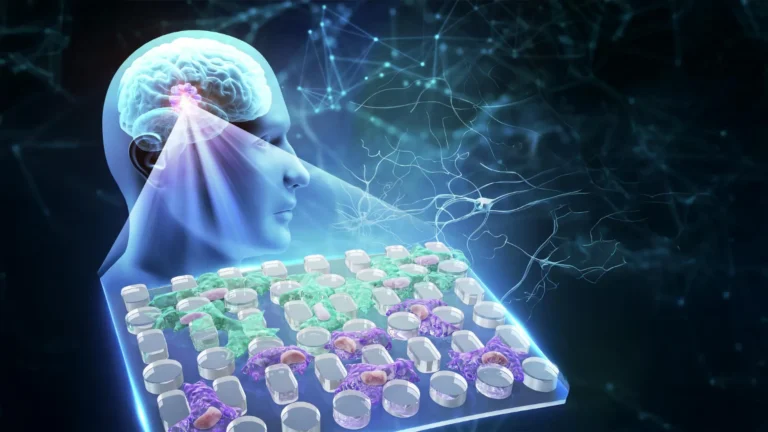


The global fight against obesity may be on the cusp of a paradigm shift, moving beyond appetite suppression to a deeper understanding of cellular energy management. Scientists at the Weizmann Institute of Science have identified a pivotal protein, dubbed "Mitch" (MTCH2), that acts as a critical switch, dictating whether cells prioritize burning fat for energy or storing it. This groundbreaking discovery, detailed in a series of publications in early 2025 and later that year, not only reveals a mechanism for increased fat consumption but also shows promise in hindering the formation of new fat cells, opening a potentially revolutionary avenue for obesity treatment.
A Cellular Crossroads: Fat Burning Versus Fat Storage
For decades, the dominant strategy in obesity management has centered on reducing caloric intake, primarily by curbing appetite. While medications like semaglutide and tirzepatide have demonstrated significant success in promoting weight loss by influencing satiety signals, they often come with the unintended consequence of reducing lean body mass alongside fat. A comprehensive 2026 analysis of over 15,000 participants across 20 clinical trials revealed that between 25% and 39% of weight lost with these popular medications was lean tissue. This loss of muscle and other non-fat tissues can negatively impact strength, mobility, and long-term metabolic health.
It is within this context of seeking more nuanced and effective weight management strategies that the Weizmann Institute’s research gains profound significance. The identification of MTCH2, or Mitch, suggests a way to directly influence the body’s internal energy economy at the cellular level. When this protein is deactivated in laboratory settings, cells exhibit a remarkable surge in fuel consumption, metabolizing both fats and carbohydrates more voraciously. Crucially, the absence of Mitch also appears to disrupt the developmental pathway of immature cells into mature fat cells, a dual action that could offer a potent weapon against excess adiposity.
The Genesis of the Discovery: Insights from Pre-Clinical Studies
The journey to understanding Mitch’s role began with earlier investigations in animal models. Experiments conducted on mice revealed a striking correlation: when MTCH2 activity was suppressed in muscle tissue, the animals displayed a significant increase in energy expenditure. This metabolic boost not only improved their endurance but also conferred remarkable protection against obesity induced by a high-fat diet.
Professor Atan Gross, a leading figure in the research at the Weizmann Institute, and his team observed that genetically modified mice with reduced MTCH2 activity in their muscles showed heightened metabolic rates. These animals were demonstrably resistant to accumulating excess weight, even when subjected to diets rich in fats. Beyond mere weight management, the modifications led to the development of muscle fibers with a superior capacity for oxygen utilization, translating into enhanced physical stamina. These mice performed exceptionally well in exercise and stress tests, exhibiting improvements in cardiovascular function and a more favorable overall body composition.
The breadth of these effects — improved endurance, resistance to obesity, and enhanced cardiovascular health — indicated that Mitch’s influence extended far beyond a single metabolic pathway. It suggested a fundamental role in the body’s ability to regulate energy usage, fat deposition, and the capacity for sustained physical activity. This led the researchers to delve deeper into the cellular machinery responsible for energy production.
Mitochondria: The Powerhouses of the Cell and Mitch’s Domain
The investigation naturally led to the mitochondria, the universally recognized "powerhouses" of cells. These organelles are responsible for converting energy derived from food into adenosine triphosphate (ATP), the primary energy currency for countless biological processes, from muscle contraction to cellular repair and growth.
However, mitochondria are not static entities. They are dynamic, constantly undergoing fusion (joining together to form larger networks) and fission (dividing into smaller units). These structural changes directly impact cellular energy production and consumption. The Weizmann team had previously established Mitch’s crucial role in mitochondrial fusion. Without Mitch, the interconnected mitochondrial network becomes fragmented, leading to alterations in energy efficiency and cellular demand. This fragmented state, the researchers hypothesized, could force cells into a more energy-intensive mode of operation, compelling them to consume more fuel.
Human Cells Echo the Findings: Increased Fat Metabolism
To ascertain whether these effects translated to human physiology, the research team, spearheaded by doctoral student Sabita Chourasia, employed genetic engineering to remove MTCH2 from human cells cultured in the laboratory. The results mirrored those observed in mice. The absence of Mitch disrupted the normal architecture of the mitochondrial networks, leading to more isolated mitochondria. This structural shift altered the delicate balance between energy production and demand, creating a persistent deficit in readily available energy relative to cellular needs.
"After deleting Mitch, we examined, every few hours, the effect that had on more than 100 substances taking part in metabolism in human cells," Chourasia explained. "We saw an increase in cellular respiration, the process in which the cell produces energy from nutrients, such as carbohydrates and fats, using oxygen. This explains the increase in muscular endurance in previous experiments using mice."
Cellular respiration, the fundamental process of energy extraction from nutrients, naturally escalates with increased demand. The human cells lacking Mitch responded by increasing their intake of fats, carbohydrates, and amino acids. The impact on fat metabolism was particularly revealing. Instead of relying on their typical energy substrate mix, these altered cells significantly ramped up their utilization of fatty acids. This indicated that MTCH2 not only influences the total amount of energy a cell consumes but also dictates which nutrients are preferentially used to meet that demand.
Professor Gross elaborated on this crucial finding: "We discovered that deleting Mitch led to a major drop in fats in membranes. At the same time, we saw an increase in fatty substances used to produce energy, and we realized that the fat was being broken down from the membrane to be used as fuel. In other words, we showed that Mitch determines the fate of fat in human cells."
Cell membranes, vital structures composed largely of lipids, are essential for cellular protection and organization. The research suggests that cells deprived of Mitch reallocate these membrane lipids, drawing upon them to fuel increased energy expenditure. This intricate dance of lipid distribution and utilization highlighted MTCH2’s role as a potent regulator of nutrient allocation between energy production and other critical cellular functions.
Interfering with Fat Cell Development: A Dual Strategy
The researchers then turned their attention to a critical question: does Mitch also influence the development of fat cells themselves? This inquiry was particularly pertinent given previous observations of elevated MTCH2 levels in adipose tissue from individuals with obesity.
Fat cells, or adipocytes, originate from immature precursor cells through a process known as adipogenesis, or fat cell differentiation. This developmental pathway requires substantial energy and raw materials to build new cellular structures, synthesize fats, and activate specialized genes for energy storage. The Weizmann team posited that by increasing fuel consumption, the absence of Mitch might create an environment where cells are too preoccupied with energy expenditure to effectively engage in fat storage development.
Experiments using mouse precursor fat cells provided compelling evidence for this hypothesis. When MTCH2 was deleted, a dramatic reduction in the differentiation of these precursor cells into mature fat cells was observed. While approximately 80% to 90% of normal precursor cells successfully differentiated within six days, only a mere 5% to 10% of cells lacking MTCH2 achieved this milestone. Furthermore, these altered cells accumulated significantly fewer lipid droplets, the cellular structures dedicated to fat storage.
"When we deleted Mitch from the progenitor cells, we discovered that the environment created in these cells was not conducive to the synthesis of new fats," Gross explained. "Reducing the ability to synthesize membranes prevents the cells from growing, developing and reaching the point where differentiation is possible. The process of fat accumulation requires a large amount of available energy, but in cells without Mitch, there is a shortage of energy. In addition, the expression of genes necessary for differentiation is suppressed, and there is a shortage of the substances vital for this process to occur. As a result, differentiation of new fat cells is reduced, along with fat accumulation."
This dual action — increasing nutrient consumption and disrupting the machinery for new fat cell formation — presented a powerful two-pronged attack against fat accumulation. It’s important to note that while the fat cell differentiation experiments utilized a mouse-derived cell line, the detailed analysis of nutrient consumption was performed on human cells, suggesting a broad applicability of MTCH2’s regulatory role.
Follow-Up Research Illuminates Another Fat-Burning Pathway
The significance of MTCH2 in metabolic regulation was further underscored by a subsequent study published on October 3, 2025, in Nature Communications. This international collaboration, including key researchers from the Weizmann Institute, delved into the intricate mechanisms by which MTCH2 influences metabolism within fat tissue.
Through comprehensive analysis of human and mouse fat samples, studies of cultured fat cells, and experiments with genetically modified mice, the scientists uncovered an additional pathway linking MTCH2 to energy expenditure. They discovered that MTCH2 plays a critical role in regulating the transport of fatty acids into mitochondria, the very sites where they are broken down for energy production.
This process involves a key enzyme, carnitine palmitoyltransferase 1 (CPT1), which acts as a crucial gatekeeper, controlling the influx of fatty acids into mitochondria for fuel. Normally, CPT1 activity is modulated by malonyl-CoA, a molecule that signals when cells should limit their fat consumption. The researchers found that MTCH2 physically interacts with CPT1, influencing the efficacy of this regulatory signal. By removing MTCH2, this control system was disrupted, allowing mitochondria to ramp up their fatty acid utilization and, consequently, their energy expenditure. This provided a more granular molecular explanation for the increased fat burning observed when the protein was absent.
Mice Burn More Energy Independently of Appetite
Perhaps one of the most compelling findings from this follow-up study emerged from experiments where MTCH2 was selectively removed from the fat cells of mice. These genetically modified mice burned more energy without any increase in physical activity or changes in their food intake. While their weight gain on a standard diet was comparable to control animals, a significant difference emerged when they were fed a high-fat diet.
Mice lacking MTCH2 in their fat tissue gained less weight and accumulated less body fat than their untreated counterparts, despite consuming similar amounts of food. Crucially, their lean body mass remained comparable, suggesting a targeted effect on fat accumulation rather than a general metabolic slowdown. These mice also exhibited improved glucose tolerance, indicating better blood sugar regulation, and lower cholesterol levels. These outcomes provided robust evidence that MTCH2’s metabolic influence extends to the whole body, not just isolated cellular processes. Furthermore, the study revealed that these metabolic effects could occur independently of UCP1, a protein typically associated with heat generation in brown fat, suggesting a novel mechanism for increasing energy expenditure.
Implications for Future Obesity Treatments: A Glimmer of Hope
Collectively, these discoveries paint a vivid picture of MTCH2 as a pivotal molecular switch that orchestrates the delicate balance between fat storage, energy consumption, and the development of new fat cells. The initial findings demonstrated that eliminating Mitch could boost nutrient consumption in human cells and hinder fat cell formation in mouse cells. The subsequent research solidified this by showing that targeted removal of MTCH2 from fat tissue could increase energy expenditure and protect against diet-induced obesity in mice.
This synergistic evidence opens the door to developing novel therapeutic strategies that fundamentally alter how the body manages energy. Such an approach could serve as a powerful complement to existing medications that primarily focus on reducing appetite.
Navigating the Road Ahead: Challenges and Unanswered Questions
Despite the immense promise, several critical questions remain before MTCH2-targeted therapies can become a reality. Scientists have yet to confirm whether inhibiting MTCH2 can safely and sustainably lead to weight loss in humans. The protein’s involvement in other vital biological functions, including mitochondrial regulation and cell survival pathways, raises concerns about potential unintended consequences if its activity is broadly suppressed throughout the body.
Furthermore, preventing the formation of new fat cells is not universally beneficial. Healthy adipose tissue plays a crucial role in storing excess energy, maintaining blood sugar balance, and producing essential hormones. Disrupting its function could inadvertently lead to fat accumulating in organs where it can cause harm. Future research must therefore focus on determining the safety profile of MTCH2 inhibition, identifying the most beneficial target tissues, and ensuring that reducing its activity preserves muscle health while promoting fat loss.
For the present, established strategies such as resistance exercise and adequate protein intake continue to be paramount for protecting lean body mass during weight reduction. A 2026 review of clinical trials reinforced the benefit of combining lifestyle changes with resistance training for more favorable lean mass preservation compared to interventions lacking such exercise components.
Nevertheless, the research on Mitch points toward a compelling future where obesity treatments move beyond simply controlling intake to influencing the body’s internal decision-making processes regarding energy expenditure versus storage. The humble protein, Mitch, appears to be deeply embedded in this fundamental cellular decision, offering a potential new target in the ongoing battle against obesity and its associated metabolic disorders.
Research Team and Publication Details
The foundational study, titled "MTCH2 controls energy demand and expenditure to fuel anabolism during adipogenesis," was published in The EMBO Journal on January 3, 2025. This research was primarily led by Sabita Chourasia and Professor Atan Gross at the Weizmann Institute of Science. Collaborators on this significant work included Dr. Christopher Petucci, Clarissa Shoffler, and Dina Abbasian from the University of Pennsylvania; Hu Wang and Professor Xianlin Han from the University of Texas at San Antonio; and a substantial team from Weizmann’s Life Sciences Core Facilities Department and Immunology and Regenerative Biology Department.
The subsequent, crucial follow-up study, "MTCH2 modulates CPT1 activity to regulate lipid metabolism of adipocytes," appeared in Nature Communications on October 3, 2025. This publication highlighted an international collaborative effort involving researchers from ETH Zurich, the Weizmann Institute of Science, and other contributing institutions, further solidifying the expansive role of MTCH2 in metabolic regulation.