

The intricate journey of human development, particularly concerning neurodevelopmental conditions like autism spectrum disorder (ASD), remains a profound area of scientific inquiry. While the significant role of genetics in ASD is well-established, a growing body of research is illuminating the critical influence of environmental factors, especially those experienced during pregnancy. A groundbreaking study conducted at Cold Spring Harbor Laboratory (CSHL) has recently unveiled a compelling link between maternal inflammation during gestation, alterations within the placenta, and the emergence of autism-like behaviors in male offspring of mice. This research challenges conventional timelines for understanding ASD’s origins, suggesting that key developmental disruptions may commence much earlier than previously theorized, offering novel avenues for investigation into the disorder’s complex etiology.
A Critical Window of Vulnerability Identified
The CSHL study, led by Associate Professor Lucas Cheadle and postdoctoral researcher Irene Sanchez Martin, delved into the impact of maternal immune activation on fetal development. Their experimental approach involved inducing an immune response in pregnant mice using a substance that mimics the body’s reaction to a viral infection, thereby simulating a real-world scenario without introducing actual pathogens. This carefully controlled methodology allowed researchers to isolate the effects of the inflammatory process itself.
The findings revealed a specific and critical window of vulnerability. When maternal inflammation occurred approximately 12.5 days into pregnancy, a significant proportion of the developing mouse fetuses exhibited developmental abnormalities within a remarkably short 24-hour period. According to Sanchez Martin, about one-third of the fetuses exposed to inflammation during this precise gestational stage displayed observable disruptions. This discovery is particularly noteworthy as it pushes the observed timeline for developmental impacts of maternal immune activation earlier than previously documented in scientific literature. For decades, scientists have explored the consequences of maternal immune activation, but this study pinpoints an exceptionally early stage at which these disruptions can manifest.
Sex-Specific Vulnerabilities Emerge
Perhaps the most striking observation from the CSHL research was the pronounced difference in how male and female fetuses responded to maternal inflammation. Across all experimental conditions, autism-like traits were exclusively observed in male offspring, while female fetuses continued to develop along normal trajectories. This stark sex-based divergence offers a potential explanation for the well-documented phenomenon that autism is diagnosed substantially more frequently in boys than in girls, with current statistics indicating that boys are approximately four times more likely to be diagnosed with ASD than girls.
What makes this early sex-based difference particularly intriguing is its occurrence prior to many of the biological changes typically associated with sex-specific development. Professor Cheadle expressed his surprise, noting, "It’s really fascinating, because we’re looking at an age which precedes hormonal surges. It precedes sexual differentiation in the brain and many other regions. So, it’s surprising there would be a sex-based difference this early." This suggests that fundamental biological mechanisms, independent of hormonal influences or overt sexual differentiation, may predispose male fetuses to autism-like developmental trajectories when exposed to certain prenatal environmental stressors.
The Placenta: A Crucial Intermediary
To understand why some developing fetuses were adversely affected while others remained resilient, Cheadle and Sanchez Martin turned their attention to the placenta. This vital organ serves as the lifeline between the mother and the developing fetus, providing essential nutrients and oxygen while also facilitating the removal of waste products. It also plays a critical role in mediating the maternal-fetal immune interface.
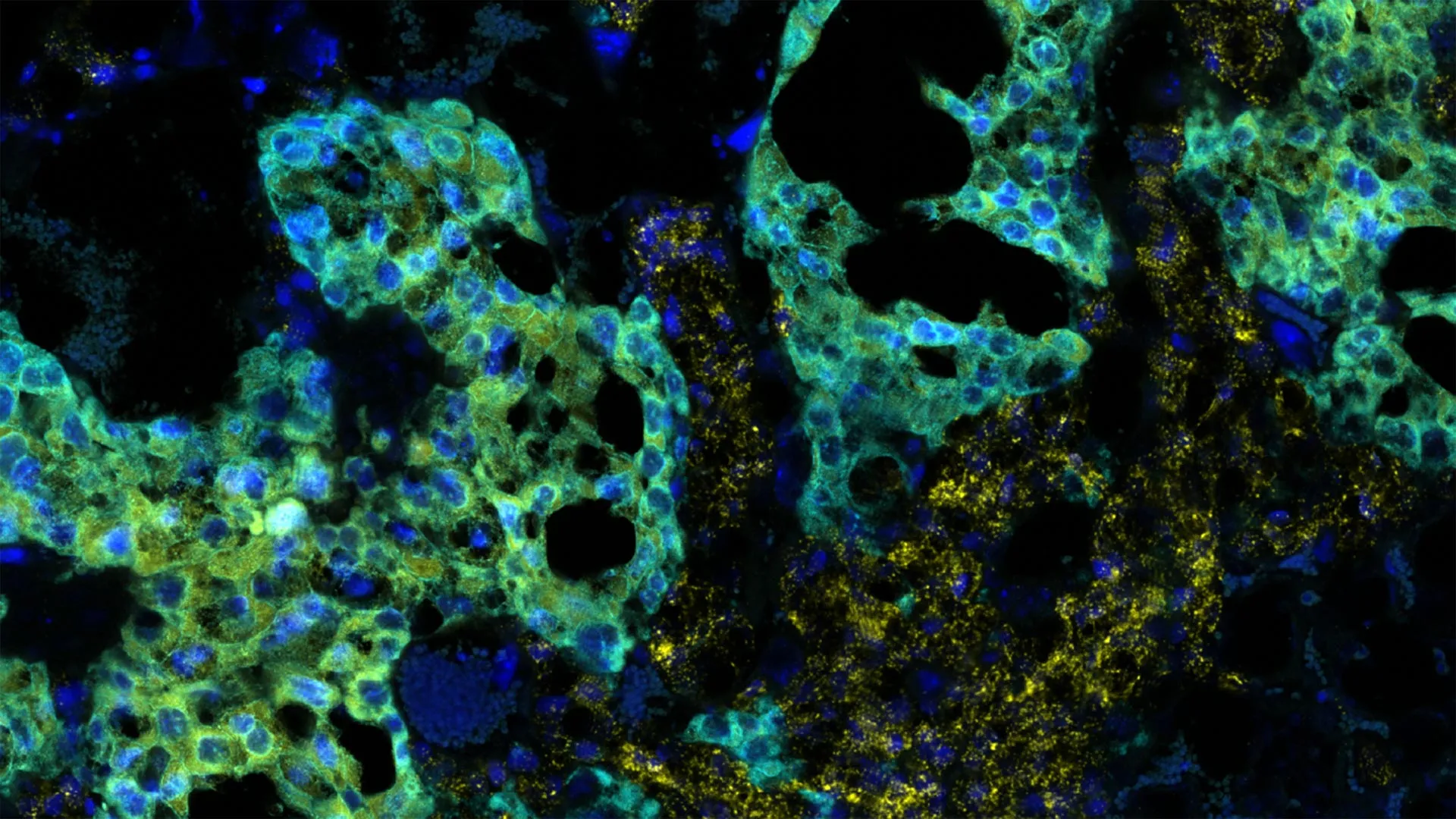
The researchers focused on a specific type of cell within the placenta known as spongiotrophoblasts. These specialized cells are located in a region where maternal and fetal blood vessels come into close proximity, facilitating direct interaction and information exchange between the two systems. In fetuses that developed normally, the spongiotrophoblast layer of the placenta remained healthy and intact. However, male fetuses exhibiting developmental abnormalities showed clear signs of damage to these crucial placental cells.
Spongiotrophoblasts are known to be instrumental in helping the maternal immune system recognize and tolerate the developing fetus. Because the fetus inherits genetic material from both parents, it is not genetically identical to the mother, and thus presents a potential target for immune rejection. The placenta’s role in fostering this maternal immune tolerance is paramount for a successful pregnancy. The CSHL study demonstrated that maternal immune activation, triggered by the simulated infection, could disrupt this delicate protective function. When the spongiotrophoblasts are damaged, the maternal immune system’s response, which is normally modulated to protect the fetus, can inadvertently become harmful, leading to adverse developmental outcomes.
Hypotheses for Female Resilience
The differential vulnerability between male and female fetuses raises a compelling question: what protective mechanisms might be at play in female embryos that render them less susceptible to the effects of maternal inflammation? The researchers have posited several hypotheses. One possibility is that male embryos may produce unique proteins that, when encountered by the maternal immune system, trigger a less tolerant or even an adverse immune response following an infection. Conversely, female embryos might possess inherent protective factors or utilize different biological pathways that enable them to better withstand the inflammatory environment during this sensitive developmental period.
Professor Cheadle elaborated on these possibilities, suggesting, "A protective mechanism may exist within the female that could be harnessed to help the male. We’re trying to understand how autism emerges in both sexes," he explained. "The evidence says that there are potentially different mechanisms." This perspective underscores the complexity of ASD, suggesting that its development might not follow a single, uniform pathway but rather diverge based on sex, influenced by distinct genetic and biological underpinnings. Understanding these sex-specific differences could be crucial for developing targeted interventions.
Implications for Future Research and Intervention
The findings from the CSHL study carry significant implications for future research into autism and the development of potential therapeutic strategies. By identifying an early window of vulnerability and highlighting the placenta’s pivotal role, the research opens up new avenues for early detection and intervention. The team plans to conduct more in-depth investigations into both male and female mice to fully elucidate the molecular and cellular mechanisms responsible for their contrasting responses to maternal inflammation.
The potential to identify specific protective mechanisms in females that could be leveraged to aid males represents a highly promising direction. Furthermore, understanding why certain individuals are more susceptible to environmental influences during pregnancy could lead to the development of personalized risk assessments and preventative measures.
While the study was conducted in mice, the biological similarities between mouse and human placental development and immune responses suggest that these findings may hold relevance for understanding autism in humans. The research underscores a paradigm shift in how scientists are approaching the study of ASD, moving beyond a purely brain-centric view to embrace a more holistic understanding that incorporates the intricate interplay between the maternal environment, the placenta, and fetal development. This broader perspective is essential for unraveling the multifaceted origins of autism spectrum disorder and for paving the way toward more effective diagnostic tools and treatments. The ongoing exploration of these early developmental pathways promises to shed further light on the complex factors contributing to neurodevelopmental diversity.