



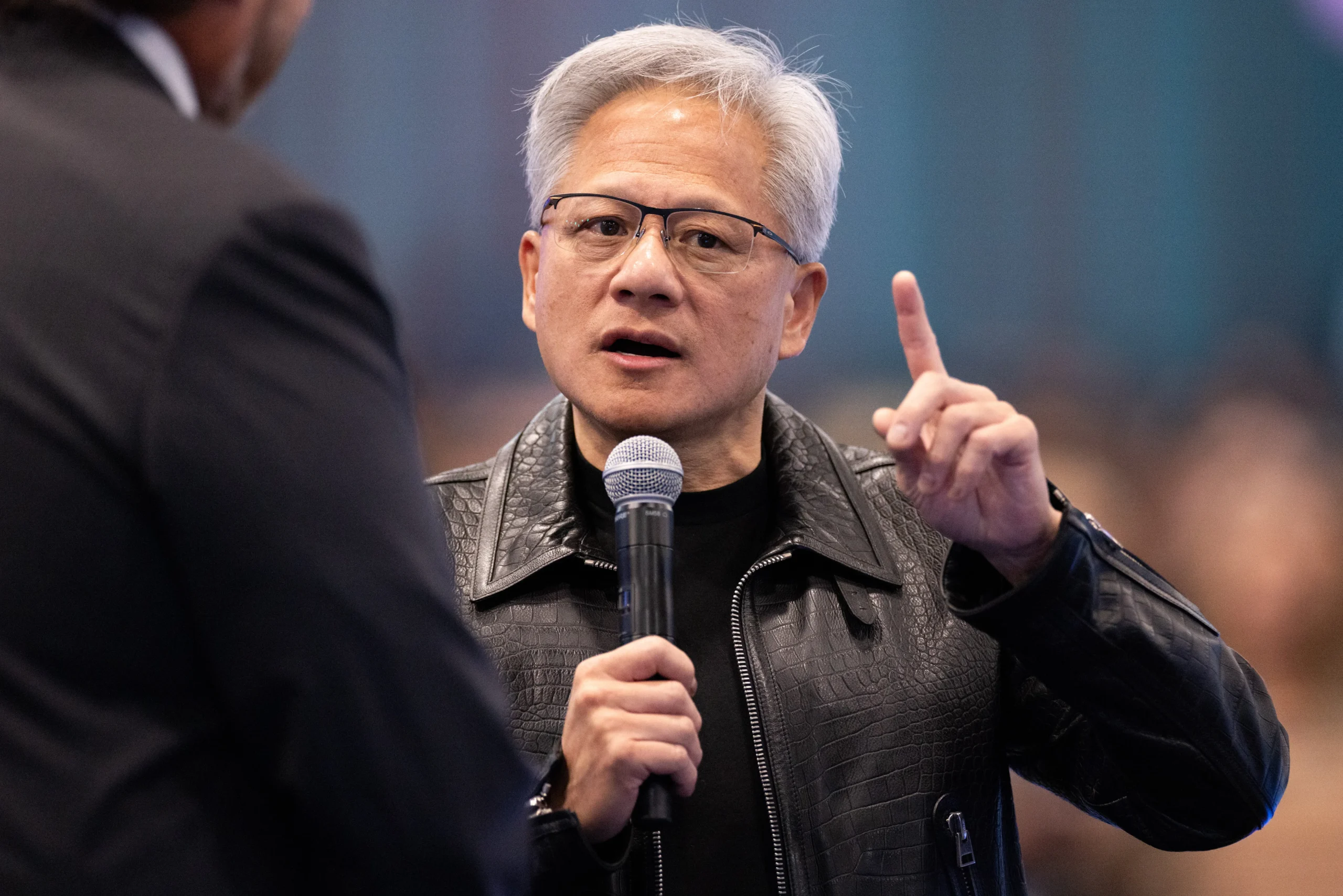
A confidential memo, reportedly based on U.S. intelligence and circulated earlier this year, has unveiled serious allegations that China’s Ministry of State Security (MSS) orchestrated an elaborate espionage attempt targeting Jensen Huang, the highly influential CEO of Nvidia. The purported scheme involved the recruitment of technology executive Alice Huang to spy on the chip industry titan, according to multiple media reports that have sent ripples through the global tech and intelligence communities. The revelations underscore the intensifying geopolitical competition over advanced semiconductor technology and the lengths to which state actors may go to gain a strategic advantage.
Unveiling the Allegations: A Detailed Account
The New York Times, a prominent news organization that had previously hinted at Nvidia’s chief executive being a target of Chinese intelligence, was the first to provide specifics on the memo’s contents. Its report on November 6, 2026, detailed claims that Alice Huang was enlisted by the MSS. This was swiftly followed by a report from The Financial Times, which added a sensational layer to the narrative on November 7, 2026, claiming the memo also alleged a romantic relationship between Jensen Huang and Alice Huang. Alice Huang is identified as an executive at Megaspeed, a company reportedly based in Singapore. These reports have ignited a firestorm of speculation and concern regarding corporate security, national intelligence, and the ethical boundaries of international business relations.
The alleged recruitment of Alice Huang by a foreign intelligence agency to target a CEO of Jensen Huang’s stature highlights the sophisticated and multifaceted nature of modern state-sponsored espionage. Nvidia, under Jensen Huang’s leadership, has ascended to an unparalleled position in the global technology landscape, particularly in the fields of artificial intelligence (AI) and high-performance computing, making its intellectual property and strategic insights highly coveted.
The Geopolitical Chessboard: US-China Tech Rivalry
The alleged espionage attempt against Jensen Huang unfolds against a backdrop of deeply entrenched and escalating technological competition between the United States and China. For years, both nations have been engaged in what has been widely dubbed a “chip war,” a strategic contest for dominance in the semiconductor industry, which is foundational to almost every aspect of modern technology, from defense systems to advanced AI. The U.S. government has implemented a series of stringent export controls, particularly since 2022, aimed at limiting China’s access to advanced semiconductor technology, including high-end AI chips designed by companies like Nvidia.
These controls are rooted in national security concerns, with Washington asserting that unrestricted access to such technology could bolster China’s military capabilities and its broader surveillance state. Beijing, in turn, views these restrictions as an attempt to stifle its technological advancement and maintain American hegemony, vowing to achieve self-sufficiency in critical technologies. This strategic rivalry has transformed the global tech supply chain into a geopolitical battleground, where corporate leaders and their strategic insights become potential targets. The alleged operation against Jensen Huang, if proven true, would serve as a stark illustration of the direct human element in this high-stakes technological conflict.
Nvidia’s Pivotal Role in the AI Era
Nvidia, founded in 1993, has evolved from a graphics card manufacturer into the undisputed leader in AI computing. Its Graphics Processing Units (GPUs) are the backbone of virtually all major AI research, development, and deployment worldwide. From training large language models to powering autonomous vehicles and advanced scientific simulations, Nvidia’s technology is indispensable. The company’s market capitalization has soared, reflecting its critical importance, making Jensen Huang not just a CEO but a pivotal figure whose insights into future technological trends and corporate strategies hold immense value.
The intellectual property, research roadmaps, and strategic partnerships held by Nvidia are considered national treasures by the United States. Access to such sensitive information could provide a rival nation with an invaluable shortcut in its own technological development, potentially saving years of research and billions of dollars. This context elevates any alleged espionage attempt against its CEO from a corporate security incident to a matter of national security, highlighting the vulnerability of key individuals at the helm of critical technology companies.
The Alleged Espionage Attempt: A Deeper Look

The core of the allegations revolves around Alice Huang, an executive at Singapore-based Megaspeed. While details about Megaspeed are not extensively public, its Singaporean base could offer a plausible operational cover, given Singapore’s role as a global financial and tech hub with extensive international connections. The Financial Times’s report about an alleged romantic relationship between Jensen Huang and Alice Huang, if substantiated, would represent a classic playbook for intelligence agencies, often employing "honey traps" or cultivating personal relationships to gain access to targets. Such methods exploit human vulnerabilities and can be incredibly effective in penetrating layers of corporate security that physical or digital means might not.
Nvidia, through a spokesperson, responded to the New York Times regarding the alleged interactions between Jensen Huang and Alice Huang, stating that such interactions were “not unusual.” The company further emphasized that it does not share classified information with its customers. This statement, while defending the CEO’s professional conduct, implicitly acknowledges some level of interaction, though it strongly refutes any suggestion of impropriety or information compromise. The company’s measured response suggests an awareness of the gravity of the allegations while attempting to control the narrative and reassure stakeholders.
The Enigma of New Matrix: Supply Chain Concerns
Compounding the espionage allegations, a separate report by The New York Times on November 7, 2026, brought to light concerns about a Chinese company named New Matrix. This entity had been authorized by the U.S. Commerce Department to purchase advanced Nvidia chips, ostensibly for commercial use. However, NYT reporters investigating the company’s listed office address found only “a hollow gray shell.” This discovery raises significant red flags, suggesting that New Matrix might be a front for a blacklisted private equity firm or another entity that would otherwise be prohibited from acquiring advanced U.S. technology.
The existence of such a shell company in the supply chain for critical technology like Nvidia’s chips poses a severe risk of diversion. Advanced chips could be redirected to unauthorized end-users, potentially including the Chinese military or sanctioned entities, thereby circumventing U.S. export controls. The Nvidia spokesperson, addressing this issue, reiterated the company’s commitment to its primary market: “We sell the first, best and most of our technology in America.” While this statement underscores Nvidia’s focus on its domestic market, it does not directly address the specific concerns raised by the New Matrix situation, leaving questions about the efficacy of current export control enforcement and the potential for exploitation by sophisticated actors.
Implications for Corporate Security and National Interests
The dual revelations – the alleged direct espionage attempt against Jensen Huang and the potential circumvention of export controls through entities like New Matrix – collectively paint a troubling picture for U.S. national security and corporate integrity.
- Heightened Corporate Vigilance: These events will undoubtedly prompt technology companies, especially those at the forefront of critical sectors, to reassess and significantly enhance their executive protection protocols, cybersecurity measures, and insider threat programs. The focus will extend beyond digital defenses to include vetting personal relationships and scrutinizing interactions with foreign nationals, particularly those linked to rival state actors.
- Increased Scrutiny on Supply Chains: The New Matrix case highlights critical vulnerabilities in the enforcement of export controls. Governments will likely intensify efforts to scrutinize end-users and ensure that authorized purchasers are legitimate and not acting as fronts for blacklisted entities. This could lead to more stringent due diligence requirements for U.S. tech exporters and potentially tighter restrictions on sales to certain regions or companies.
- Deterioration of US-China Tech Relations: The alleged espionage will further exacerbate tensions between the U.S. and China. It reinforces the narrative in Washington that Beijing is engaged in aggressive and illicit means to acquire advanced technology, potentially leading to calls for even more restrictive trade policies and greater decoupling efforts.
- Impact on Global Business Climate: For multinational corporations, these allegations create a more complex and perilous operating environment. Executives may become more wary of international engagements, and the perception of risk in doing business with certain regions or entities could increase, potentially leading to a more fragmented global tech ecosystem.
- Intelligence Community Response: The U.S. intelligence community will likely redouble its efforts to identify and neutralize foreign intelligence operations targeting critical technology sectors. This could involve more proactive outreach to corporate leaders and enhanced information sharing between government and industry.
The Path Forward: Increased Scrutiny and Vigilance
As the full extent of these allegations continues to unfold, the immediate future will likely see intensified investigations by U.S. authorities into both the alleged espionage against Jensen Huang and the activities of companies like New Matrix. The U.S. Commerce Department may review its authorization processes, and intelligence agencies will be working to determine the veracity and operational impact of the memo’s claims.
For Nvidia, navigating these challenges will require a delicate balance of protecting its intellectual property, adhering to government regulations, and maintaining its global market leadership. The company’s continued growth is crucial for the advancement of AI globally, but its operations are now under an unprecedented level of geopolitical and national security scrutiny.
Ultimately, these developments serve as a stark reminder that in the high-stakes world of advanced technology, where economic power and national security are inextricably linked, the battle for supremacy is fought not just in labs and boardrooms, but also in the shadows of intelligence operations and the complex web of global supply chains. The alleged targeting of a figure as prominent as Jensen Huang underscores that no entity, however powerful, is immune to the risks posed by state-sponsored espionage in the accelerating tech race. The incident is a potent symbol of a new era where corporate espionage is increasingly entwined with geopolitical strategy, demanding vigilance from both governments and private industry.