



New Research Uncovers a Profound Link Between Extra Virgin Olive Oil, Gut Bacteria, and Preserved Cognitive Function
Tarragona, Spain – A groundbreaking study, spearheaded by a consortium of leading Spanish research institutions, has illuminated a previously underappreciated pathway through which the cornerstone of the Mediterranean diet, extra virgin olive oil (EVOO), actively supports cognitive health. Moving beyond its well-established cardiovascular and metabolic benefits, new scientific evidence suggests that EVOO’s impact on the gut microbiome plays a crucial role in safeguarding brain function, particularly as populations age. The research, a significant component of the PREDIMED-Plus project, provides the first prospective human investigation to specifically dissect the intricate relationship between EVOO consumption, the complex ecosystem of gut bacteria, and the nuances of cognitive performance.
Unraveling the Gut-Brain Axis: A Two-Year Investigation
The comprehensive study, conducted over a two-year period, meticulously tracked 656 adult participants aged between 55 and 75. All individuals were categorized as overweight or obese and presented with metabolic syndrome, a cluster of conditions that significantly elevate the risk of developing cardiovascular disease and type 2 diabetes. Metabolic syndrome, characterized by elevated blood pressure, high blood sugar, unhealthy cholesterol levels, and abdominal obesity, serves as a critical indicator of increased long-term health risks. Participants in this cohort, therefore, represented a population at a heightened vulnerability for both physical and neurological decline.
The research team, drawing expertise from the Human Nutrition Unit at the Universitat Rovira i Virgili (URV), the Pere Virgili Health Research Institute (IISPV-CERCA), and CIBERobn (the Spanish Biomedical Research Centre in Physiopathology of Obesity and Nutrition), employed a rigorous methodology. Participants’ dietary habits were closely monitored, with a specific focus on their intake of virgin and refined olive oil. Concurrently, detailed analyses of their gut microbiota were performed, providing a snapshot of the diverse bacterial communities residing within their digestive tracts. Crucially, changes in cognitive performance were assessed systematically throughout the study, allowing researchers to correlate dietary patterns with mental acuity.
Jiaqi Ni, the study’s first author and a researcher at the URV’s Department of Biochemistry and Biotechnology, emphasized the novelty of their approach. "This is the first prospective study in humans to specifically analyze the role of olive oil in the interaction between gut microbiota and cognitive function," Ni stated. "Our aim was to move beyond observational associations and establish a more direct causal link, understanding how the specific compounds within olive oil might influence the microbial landscape and, subsequently, brain health."
Differentiating the Oils: Virgin Olive Oil’s Superior Cognitive Impact
The findings of the PREDIMED-Plus sub-study revealed a striking dichotomy in the effects of different types of olive oil. Participants who consistently incorporated virgin olive oil into their diets demonstrated tangible improvements in cognitive function over the two-year period. This enhancement was accompanied by a more diverse gut microbiota. A diverse gut microbiome is widely recognized by the scientific community as a key indicator of robust intestinal health, efficient nutrient absorption, and a strengthened immune system, all of which can indirectly benefit brain function.
In stark contrast, individuals who primarily consumed refined olive oil exhibited a tendency towards a decline in gut microbiota diversity over the study duration. This observation underscores a critical distinction: not all olive oils are created equal when it comes to their health-promoting properties. The processing methods employed significantly impact the presence and bioavailability of beneficial compounds.
The Adlercreutzia Connection: A Microbial Biomarker for Brain Health
Further analysis of the gut microbiome data led researchers to identify a specific group of bacteria, tentatively identified as Adlercreutzia, which appeared to be closely associated with the observed benefits of virgin olive oil consumption. The increased prevalence of Adlercreutzia in the guts of EVOO consumers was linked to preserved cognitive function. This discovery suggests that Adlercreutzia may serve as a microbial biomarker, indicating a positive interplay between virgin olive oil intake and cognitive resilience.
"The identification of Adlercreutzia is particularly exciting," commented Dr. Jordi Salas-Salvadó, the principal investigator of the study and a distinguished professor at the URV. "It suggests a potential mechanism through which EVOO exerts its neuroprotective effects. The oil seems to favorably modulate the gut environment, promoting the growth of beneficial bacteria like Adlercreutzia, which in turn may influence brain health through the gut-brain axis. This opens up avenues for targeted interventions."
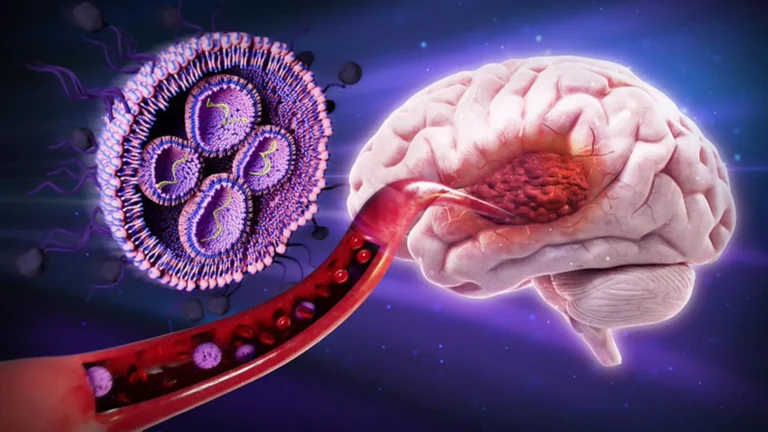
The gut-brain axis is a complex bidirectional communication system linking the central nervous system and the enteric nervous system. This intricate network involves neural, endocrine, and immune pathways, allowing the gut microbiome to influence mood, cognition, and behavior. Compounds produced by gut bacteria, such as short-chain fatty acids (SCFAs), can cross the blood-brain barrier and exert direct effects on neuronal function and inflammation.
The Unrefined Advantage: Why Extra Virgin Olive Oil Reigns Supreme
The fundamental difference between extra virgin olive oil and its refined counterpart lies in their production processes. Extra virgin olive oil is extracted from olives using solely mechanical or other physical means, under conditions that do not lead to any alteration in the oil. This method ensures the preservation of its natural constituents, including a rich array of antioxidants, polyphenols, vitamins, and other bioactive compounds. These elements are believed to be the primary drivers of EVOO’s health benefits.
Refined olive oil, on the other hand, undergoes extensive industrial processing, often involving heat, solvents, and bleaching agents, to remove impurities, neutralize off-flavors, and create a more stable product with a longer shelf life and a consistent taste. While this refining process enhances commercial appeal and consistency, it comes at a significant cost: the degradation or complete removal of many of the beneficial phytonutrients that characterize virgin olive oil.
"It is crucial to understand that not all olive oils are equal in their health-promoting capabilities," reiterated Jiaqi Ni. "The refining process strips away the very compounds that confer health benefits. Therefore, when considering the impact on cognitive function, or indeed overall health, the choice of extra virgin olive oil is paramount. Consumers seeking these specific advantages should prioritize high-quality, unadulterated EVOO."
The impact of polyphenols, abundant in EVOO, is particularly noteworthy. These plant-derived compounds possess potent antioxidant and anti-inflammatory properties, which are critical for protecting brain cells from oxidative stress and inflammation, both of which are implicated in neurodegenerative diseases and cognitive decline.
The Broader Implications: A Dietary Strategy for an Aging World
The implications of this research are far-reaching, especially in the context of a global population that is living longer. As life expectancy continues to rise, so too does the prevalence of age-related cognitive decline, dementia, and Alzheimer’s disease. These conditions place an immense burden on individuals, families, and healthcare systems worldwide.
"At a time when cases of cognitive decline and dementia are on the rise, our findings drive home the importance of improving diet quality," stated co-director Nancy Babio. "Prioritizing extra virgin olive oil over other refined versions presents an effective, simple, and accessible strategy for protecting brain health. It’s a dietary modification that can be integrated into daily life with significant long-term benefits."
Stephanie Nishi, another co-director of the study, echoed this sentiment. "This research reinforces the idea that the quality of the fat we consume is as important as the quantity," she explained. "Extra virgin olive oil not only protects the heart, a vital organ for overall health and cognitive function, but can also help preserve the brain during aging. This is a message of empowerment for individuals looking to proactively manage their cognitive well-being."
The study’s findings align with a growing body of evidence that emphasizes the intricate connection between diet, the gut microbiome, and neurological health. The gut microbiome, once considered a passive bystander, is now recognized as an active participant in maintaining homeostasis and influencing brain function through various signaling pathways.
Paving the Way for Future Interventions
The identification of specific microbial profiles, such as the Adlercreutzia group, linked to the cognitive benefits of EVOO, opens exciting possibilities for future research and targeted nutritional interventions. Dr. Salas-Salvadó highlighted this potential: "Identifying a specific microbial profile linked to these benefits paves the way for new nutrition-based prevention strategies to preserve cognitive functions. We can envision future research exploring prebiotics or probiotics designed to foster the growth of beneficial bacteria like Adlercreutzia, or even targeted EVOO-based interventions for specific at-risk populations."
The PREDIMED-Plus project itself is a large-scale, randomized controlled trial designed to evaluate the effects of an energy-restricted Mediterranean diet supplemented with extra virgin olive oil and nuts on the prevention of cardiovascular disease. This current sub-study adds a critical neurocognitive dimension to the broader health outcomes being investigated.
The collaborative nature of this research, involving institutions from the Netherlands (Wageningen University & Research) and the United States (Harvard T.H. Chan School of Public Health), underscores the global effort to understand and combat age-related cognitive decline. By pooling resources and expertise, researchers are accelerating the pace of discovery and translating complex scientific findings into actionable public health recommendations.
In conclusion, this comprehensive study provides compelling evidence that extra virgin olive oil is more than just a culinary staple; it is a powerful ally in the fight to preserve cognitive health throughout the aging process. By influencing the gut microbiome, EVOO offers a tangible and accessible dietary strategy that can contribute to a sharper mind and a healthier life. As the scientific community continues to unravel the complexities of the gut-brain axis, the humble olive tree’s golden liquid stands out as a testament to the profound impact of nature’s bounty on human well-being.