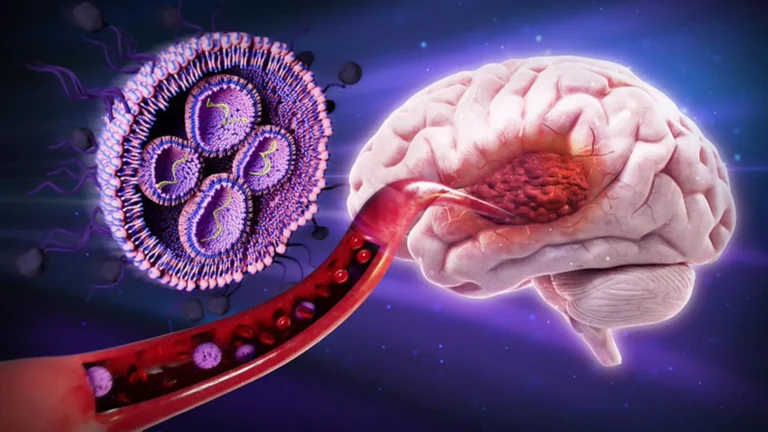



A groundbreaking meta-analysis conducted by researchers at UC Davis Health has identified a consistent, measurable alteration in brain chemistry among individuals diagnosed with anxiety disorders. The study, published in the prestigious journal Molecular Psychiatry, reveals that people experiencing anxiety conditions exhibit significantly lower levels of choline in their brains compared to their non-anxious counterparts. This finding represents a crucial step forward in understanding the neurobiological underpinnings of anxiety and opens new avenues for potential therapeutic interventions.
The comprehensive review synthesized data from 25 independent studies, encompassing the neurometabolites of 370 individuals with diagnosed anxiety disorders and 342 individuals without these conditions. Neurometabolites are the chemical compounds involved in the brain’s metabolic processes, and their measurement offers a window into the intricate biochemical environment of the brain. This large-scale analysis provides a rare, consolidated view of a specific chemical imbalance that appears to cut across various anxiety diagnoses, including generalized anxiety disorder, panic disorder, social anxiety disorder, and phobias.
The Choline Connection: A Consistent Chemical Signal
The most striking and consistent observation across the analyzed studies was the reduction in choline levels within the brains of individuals with anxiety disorders. On average, these individuals displayed approximately 8% lower concentrations of this essential nutrient. This deficit was particularly pronounced in the prefrontal cortex, a region of the brain critically involved in executive functions such as planning, decision-making, emotional regulation, and behavioral control.
Dr. Jason Smucny, co-author of the study and assistant professor in the Department of Psychiatry and Behavioral Sciences at UC Davis Health, highlighted the significance of this discovery. "This is the first meta-analysis to demonstrate a specific chemical pattern in the brain associated with anxiety disorders," Dr. Smucny stated. "It strongly suggests that nutritional approaches, potentially including targeted choline supplementation, could play a role in rectifying brain chemistry imbalances and ultimately improving patient outcomes."
Choline, a water-soluble nutrient often referred to by its pronunciation "kÅ-lÄ“n," is indispensable for a multitude of bodily functions. It serves as a fundamental building block for cell membranes, crucial for the integrity and function of all cells, including those in the brain. Furthermore, choline is vital for neurotransmitter synthesis, particularly acetylcholine, which plays a key role in memory formation, mood regulation, muscle control, and nerve signal transmission. While the human body can produce a small amount of choline internally, the vast majority must be obtained through dietary intake.
The Pervasive Impact of Anxiety Disorders
Anxiety disorders represent a significant public health concern in the United States, ranking among the most prevalent mental health conditions. According to the National Institute of Mental Health (NIMH), approximately 31.1% of adults in the U.S. experience an anxiety disorder at some point in their lives, making them the most common mental illness. Despite their widespread nature, a substantial portion of individuals with anxiety disorders do not receive adequate or timely treatment.
Dr. Richard Maddock, the senior author of the study and a psychiatrist and research professor in the Department of Psychiatry and Behavioral Sciences at UC Davis Health, brings decades of clinical experience and research to this area. His work at the UC Davis Imaging Research Center utilizes advanced magnetic resonance imaging (MRI) techniques to probe the complexities of brain health in mental illness.
"Anxiety disorders are incredibly debilitating, impacting millions of lives and often leading to significant functional impairment in daily life," Dr. Maddock commented. "The fact that many individuals struggle to access effective care underscores the urgent need for a deeper understanding of their underlying biological mechanisms."
The spectrum of anxiety disorders is diverse, encompassing conditions such as generalized anxiety disorder (GAD), characterized by excessive and persistent worry about everyday events; panic disorder, marked by recurrent and unexpected panic attacks; social anxiety disorder, involving intense fear of social situations; and various specific phobias.
Navigating Fear and Stress: The Brain’s Response Systems
At its core, anxiety disorders are deeply intertwined with the brain’s intricate systems for processing threat, danger, and uncertainty. Two key brain regions are frequently implicated: the amygdala, often described as the brain’s "fear center," which rapidly assesses potential threats and triggers the stress response; and the prefrontal cortex, which acts as the brain’s executive control panel, responsible for evaluating situations, making reasoned decisions, and modulating emotional reactions.
Under normal circumstances, these systems work in concert to differentiate between manageable challenges and genuine dangers, allowing for an appropriate and calibrated response. However, in individuals with anxiety disorders, this delicate balance can be disrupted. Everyday concerns may be perceived as overwhelming threats, leading to a persistent state of hyperarousal and a difficulty in disengaging the body’s stress response.
The role of brain chemistry is also paramount. Anxiety disorders have been historically linked to alterations in neurotransmitter systems, including imbalances in norepinephrine, a key component of the "fight-or-flight" response. Elevated levels of norepinephrine are often observed in individuals with anxiety, contributing to feelings of heightened arousal, vigilance, and nervousness. The UC Davis researchers propose that this chronic state of heightened arousal may consequently increase the brain’s metabolic demand for choline, potentially depleting its available reserves.
Non-Invasive Brain Chemistry Measurement: The Power of 1H-MRS
Drs. Maddock and Smucny have been at the forefront of investigating the connection between brain chemistry and mental illness through the application of proton magnetic resonance spectroscopy (1H-MRS). This advanced, non-invasive imaging technique, performed within a standard MRI machine, offers a unique capability: it allows researchers to quantify the concentration of specific chemical compounds within living brain tissue without the need for surgical procedures. Unlike conventional MRI that produces anatomical images, 1H-MRS utilizes magnetic fields and radio waves to detect and measure neurometabolites.
Dr. Maddock’s prior research had already hinted at a choline deficit, with earlier studies observing reduced choline levels in individuals with panic disorder. This initial observation provided a crucial foundation for the more extensive meta-analysis undertaken with Dr. Smucny. While the researchers anticipated finding lower choline levels, the sheer consistency of this finding across multiple independent studies was particularly noteworthy.
"An 8% reduction might sound modest, but within the complex biochemical environment of the brain, it represents a significant deviation," Dr. Maddock emphasized. "The brain is highly sensitive to even subtle changes in nutrient availability and metabolic processes."
Beyond choline, the meta-analysis also identified reduced levels of N-acetylaspartate (NAA) in certain brain regions after some data exclusions. NAA is widely regarded as a marker of neuronal health and function, and its reduction can indicate a decline in neuronal integrity or metabolic activity. However, the most robust and universally observed finding across the diverse group of anxiety disorders was the consistent depletion of choline-containing compounds.
Choline, Diet, and the Mental Health Nexus
The prevailing hypothesis among the UC Davis research team is that the sustained activation of the brain’s stress response system, often termed the "fight-or-flight" response, places an increased metabolic burden on the brain, thereby escalating its demand for choline. If the body’s dietary intake of choline is insufficient to meet this heightened demand, brain choline levels may consequently decline.
It is crucial to note that these findings do not, at this juncture, confirm choline supplementation as a direct treatment for anxiety. Dr. Maddock stressed the importance of caution and further investigation. "We are still in the early stages of understanding this relationship. The critical question of whether increasing dietary choline can effectively alleviate anxiety symptoms remains unanswered and requires rigorous clinical trials," he stated. He also cautioned against individuals with anxiety disorders self-medicating with high doses of choline supplements without professional guidance, as excessive intake can lead to adverse effects.
Nonetheless, this research significantly contributes to the burgeoning field of nutritional psychiatry, which explores the intricate interplay between diet and mental well-being. Choline’s established importance for brain and nervous system health is well-documented. However, current dietary surveys in the United States indicate that a substantial portion of the population, including children and adults, fails to meet the recommended daily intake of choline.
Dr. Maddock suggested a practical takeaway: "Individuals experiencing anxiety might benefit from reviewing their dietary habits to ensure they are consuming adequate amounts of choline. Prior research has consistently shown a widespread shortfall in choline intake across the U.S. population." He further pointed out that certain types of omega-3 fatty acids, commonly found in fatty fish like salmon, are excellent sources that can contribute to brain choline availability.
Future Research Directions and Broader Implications
Since the publication of the UC Davis study, the broader scientific landscape concerning choline and mental health has continued to evolve, presenting an intriguing but not yet definitive picture. Some recent research in adult populations has suggested a correlation between higher choline intake and a reduced likelihood of experiencing depressive symptoms. However, these studies have not consistently found a significant, adjusted association between choline consumption and anxiety or general psychological distress.
This discrepancy makes the UC Davis brain imaging findings particularly valuable. They provide compelling evidence of a measurable, internal biochemical difference within the brain itself, independent of dietary recall. However, it is imperative to reiterate that this study does not establish a causal link between low dietary choline and the development of anxiety, nor does it guarantee that increasing choline intake will resolve anxiety symptoms. Definitive conclusions regarding the therapeutic efficacy of choline supplementation will necessitate carefully designed, controlled clinical trials that assess its impact on both brain chemistry and symptom reduction.
For the present, the findings offer a balanced and actionable message: nutrition may indeed be one component of the complex puzzle of anxiety, but it should not be viewed as a substitute for comprehensive, professional mental health care.
Dietary Sources of Choline
Choline is readily available in a variety of common and nutrient-dense foods. Excellent dietary sources include:
- Organ Meats: Beef liver is exceptionally rich in choline.
- Eggs: Particularly the yolks, which are a concentrated source.
- Meats: Beef and chicken provide significant amounts of choline.
- Fish: Various types of fish are good sources.
- Legumes: Soybeans are a notable plant-based source.
- Dairy Products: Milk also contributes to choline intake.
The UC Davis study underscores a potential biological pathway linking anxiety disorders to a fundamental nutrient that the brain relies on daily for optimal function. It also poses a significant question for future scientific inquiry: could optimizing an individual’s choline status serve as a complementary strategy to help restore biochemical balance in the brains of those struggling with anxiety?
While the definitive answer remains elusive, the discovery offers researchers a more precise biochemical target for investigation and provides the public with another compelling reason to prioritize nutrient-rich foods that support overall brain health. The journey to fully understanding and effectively treating anxiety disorders is ongoing, and this research marks a significant stride in illuminating the complex biochemical landscape within the anxious brain.