



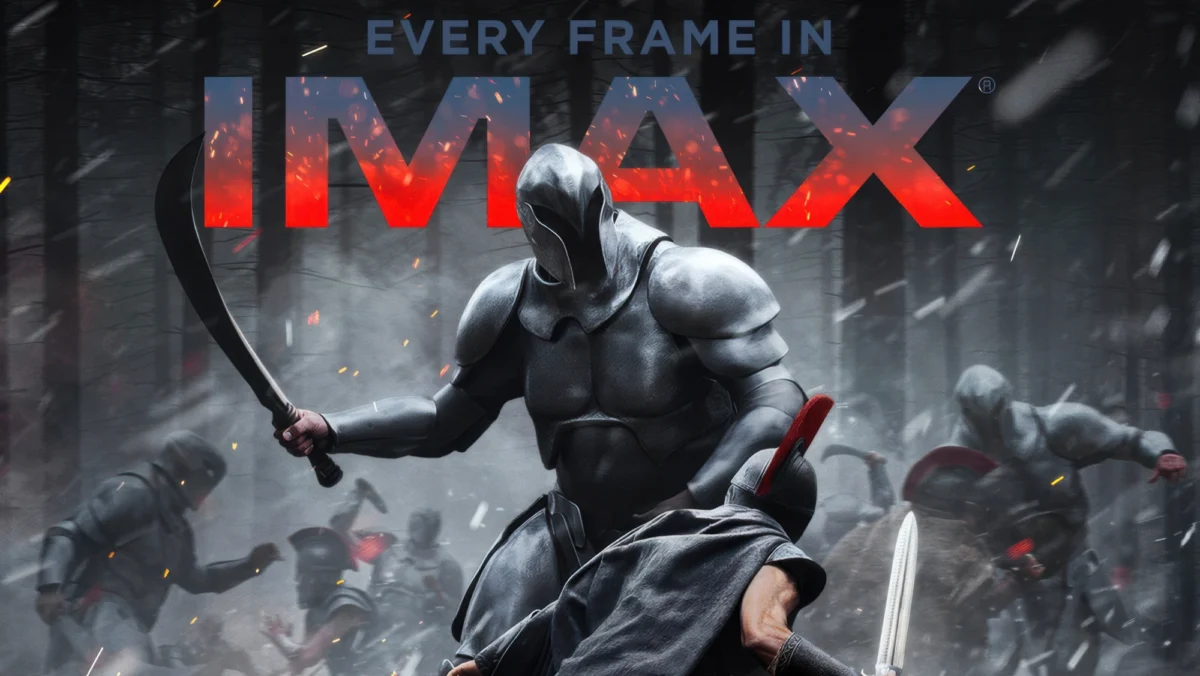
Christopher Nolan’s ambitious cinematic undertaking, The Odyssey, has not only captivated audiences worldwide but has also propelled IMAX Corporation to significant financial gains, as evidenced by the company’s robust second-quarter financial results. The film, a monumental achievement shot entirely on IMAX film cameras and showcased exclusively on the company’s premium large-format screens, serves as a powerful testament to the enduring allure and commercial viability of IMAX technology in Hollywood’s post-pandemic recovery.
IMAX reported a substantial revenue of $102.8 million for the second quarter, marking a healthy 12 percent increase from the $91.7 million generated in the same period last year. This revenue growth translated into a significant boost in profitability, with net income rising by an impressive 30 percent to $15.9 million, up from $12 million in the prior year. Earnings per share (EPS) also demonstrated strong upward momentum, reaching 43 cents on an adjusted basis, a 65 percent surge compared to the 26 cents reported a year earlier. These figures underscore a successful quarter for the film technology giant, driven by strategic investments in premium cinematic experiences and strong content partnerships.
The Nolan Effect: A Transformative Blockbuster
The success of The Odyssey is intrinsically linked to IMAX’s strategy of partnering with visionary filmmakers like Christopher Nolan, who consistently push the boundaries of cinematic storytelling and technical innovation. Nolan’s decision to shoot The Odyssey entirely on IMAX film cameras, a rare feat in modern filmmaking, was a deliberate choice to immerse audiences in an unparalleled visual and auditory experience. The film’s narrative, which explores epic journeys and profound human experiences, was meticulously crafted to leverage the expansive aspect ratio and unparalleled clarity of IMAX.
This commitment to the IMAX format paid dividends, not just in critical acclaim but also in commercial performance. The Odyssey delivered a record-breaking worldwide opening weekend for IMAX, grossing an astonishing $52 million. This figure represented approximately 20 percent of the film’s global first-weekend ticket receipts, highlighting the film’s disproportionate success within the IMAX ecosystem. This performance echoes the transformative impact of James Cameron’s Avatar franchise in earlier business cycles, demonstrating IMAX’s ability to create destination viewing experiences that drive significant box office revenue.
Strategic Pillars: Content and Technology Synergy
IMAX’s financial resurgence is built on a dual strategy of leveraging its proprietary technology and fostering strong relationships with major studios and filmmakers. The company’s "content solutions" segment, which encompasses revenue generated from agreements with studios and filmmakers for the use of IMAX cameras and post-production services, saw a 2 percent increase, reaching $35 million in the second quarter. This segment’s growth is a direct result of the increasing demand for films shot in the IMAX format, as filmmakers recognize its ability to elevate the audience experience and command premium ticket prices.
Complementing this is the robust performance of IMAX’s technology products and services segment. This area, which includes revenue from the sale, lease, and maintenance of IMAX’s extensive global theater systems network, experienced a significant 16 percent surge, bringing in $65 million during the quarter. This growth indicates a strong appetite among exhibitors to invest in and upgrade to IMAX’s premium large-format technology, driven by the proven success of films like The Odyssey and the ongoing trend of audiences seeking out differentiated cinematic experiences.
Navigating the Post-Pandemic Landscape
As Hollywood navigates the complexities of a post-pandemic box office rebound, IMAX has positioned itself as a key player in the resurgence of the theatrical experience. The company’s emphasis on premium screens and content shot with its proprietary cameras, such as The Odyssey, aligns perfectly with the evolving consumer demand for immersive and high-quality entertainment. Major exhibitors are increasingly investing in IMAX installations, recognizing the technology’s ability to attract audiences and generate higher per-screen revenue.
The company’s proactive approach in securing exclusive IMAX releases and its continued investment in filmmaking technology have been instrumental in its success. IMAX is not merely a projector company; it is a holistic cinematic ecosystem that offers filmmakers a unique canvas and audiences an unparalleled viewing experience. This integrated approach has allowed IMAX to maintain its relevance and dominance in an increasingly competitive entertainment landscape.
CEO’s Perspective: A Transformational Moment
Rich Gelfond, CEO of IMAX, expressed his optimism and highlighted the significance of The Odyssey in the company’s trajectory. In a statement accompanying the financial results, Gelfond remarked, "As we enter the second half of 2026, Christopher Nolan’s breathtaking The Odyssey – the first-ever full-length theatrical release filmed entirely with IMAX film cameras – is emerging as a transformational event for IMAX, as the purest and most complete expression yet of the power of our global platform."
Gelfond’s statement underscores the strategic importance of Nolan’s film, positioning it as a landmark achievement that exemplifies the full potential of IMAX’s technological capabilities and its ability to deliver unparalleled cinematic experiences. The CEO’s words reflect a deep understanding of the market and a clear vision for IMAX’s future, emphasizing the company’s commitment to innovation and its role in shaping the future of moviegoing.
A Historical Context: The Evolution of IMAX
The journey of IMAX to this point has been one of continuous innovation and adaptation. Founded in 1967, IMAX initially focused on developing large-format film systems for special venues and documentaries. Its distinctive 70mm film format, with frames ten times larger than standard 35mm, offered a level of detail and immersion previously unseen. Early IMAX documentaries like Tiger Child and North of Superior showcased the technology’s potential to transport audiences to distant lands and capture the grandeur of nature.
The company’s foray into Hollywood blockbusters began in earnest in the late 1990s and early 2000s. Films like Apollo 13 and The Matrix Reloaded were re-mastered for IMAX release, demonstrating the format’s ability to enhance even existing cinematic content. The true turning point, however, came with the widespread adoption of digital IMAX projection systems in the mid-2000s, making the premium experience accessible to a much larger number of theaters globally.
The introduction of IMAX cameras for feature filmmaking, pioneered by directors like Christopher Nolan with The Dark Knight and The Dark Knight Rises, marked a new era. These films, which incorporated significant sequences shot in IMAX, demonstrated the format’s power to elevate dramatic tension and visual spectacle. Subsequent IMAX-shot blockbusters, including Mission: Impossible – Ghost Protocol, Spectre, and Dune, further solidified the format’s appeal among filmmakers and audiences alike.
The Odyssey‘s status as the first full-length theatrical release shot entirely on IMAX film cameras represents a significant milestone, a deliberate return to the roots of IMAX while embracing modern filmmaking techniques. This bold move by Nolan and IMAX signals a commitment to the tactile, organic quality of film, combined with the expansive canvas and immersive sound that IMAX is renowned for.
Broader Implications for the Film Industry
The success of The Odyssey and IMAX’s strong financial performance have several broader implications for the film industry. Firstly, it reinforces the value proposition of premium theatrical experiences. In an era of abundant streaming options, audiences are increasingly willing to pay a premium for a truly differentiated and unforgettable cinematic event. IMAX, with its focus on visual spectacle and immersive sound, is at the forefront of this trend.
Secondly, it encourages further investment in IMAX technology by filmmakers and exhibitors. The proven box office success of IMAX-shot films provides a compelling business case for studios to allocate more resources to IMAX productions and for exhibitors to upgrade their screens to the IMAX standard. This creates a virtuous cycle, where more IMAX content leads to more IMAX screens, which in turn drives greater audience demand.
Thirdly, it highlights the enduring power of film as a medium. Despite the rise of digital filmmaking, the artistic and technical merits of shooting on IMAX film remain undeniable. The tactile nature of film, the unique aesthetic it produces, and the inherent quality it offers continue to attract visionary directors like Christopher Nolan, proving that film is far from obsolete.
Looking ahead, IMAX is well-positioned to capitalize on these trends. The company’s ongoing expansion into new markets, its commitment to technological innovation, and its strategic partnerships with leading studios and filmmakers suggest a bright future. The success of The Odyssey is not just a financial win for IMAX; it is a validation of its long-term strategy and a powerful indicator of the continued relevance and growing importance of premium large-format cinema in the global entertainment landscape. The company’s ability to consistently deliver such impactful experiences underscores its enduring role in shaping how audiences engage with the magic of movies.