

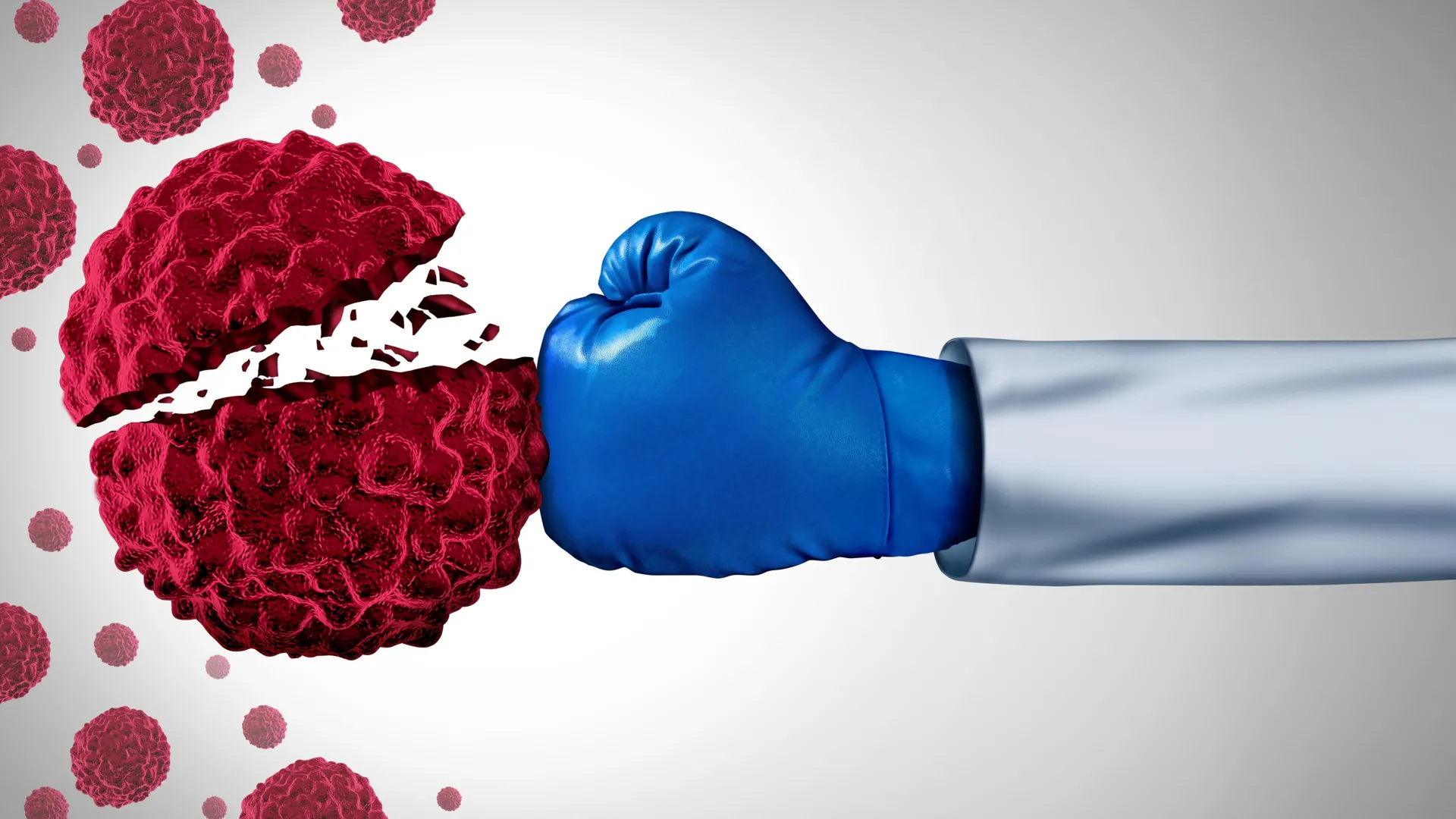
A groundbreaking study, led by Dr. Robert Noble, Senior Lecturer at the Department of Mathematics, City, St George’s, University of London, suggests a paradigm shift in cancer treatment, advocating for a proactive approach to combat drug resistance. The research, published in the journal Genetics, proposes that doctors could significantly improve cure rates by strategically altering therapies before a tumor develops robust resistance, rather than waiting for the cancer to relapse. This novel strategy, described as "kicking it while it’s down," aims to disrupt the evolutionary trajectory of cancer cells by introducing new therapeutic pressures while the tumor is still actively responding to treatment.
The Elusive Nature of Cancer Recurrence
For decades, the cyclical nature of cancer treatment – initial success followed by relapse – has been a persistent and devastating challenge. Tumors, initially shrinking under the assault of chemotherapy, radiation, or targeted therapies, often exhibit a stubborn resilience. This regrowth is not a sign of treatment failure in itself, but rather a testament to the remarkable adaptive capabilities of cancer cells. Dr. Noble explains, "Although tumors may at first shrink under therapy, in many cases they eventually regrow. These relapses stem from a small number of cancer cells that have gained mutations making the cells resistant to the treatment." These mutations, akin to spontaneous genetic errors that occur as cells divide, can confer a survival advantage. When a drug eliminates susceptible cancer cells, these rare, pre-existing resistant cells are free to proliferate, eventually rebuilding the tumor, often with an even greater capacity to evade subsequent treatments.
The conventional clinical approach often involves continuing a particular therapy until diagnostic tests, such as imaging scans or blood markers, indicate that the cancer has begun to grow again. Only then are physicians likely to switch to a different drug or treatment modality. While this reactive strategy has saved countless lives, it inadvertently provides a prolonged window for resistant cancer cell populations to evolve and solidify their defenses. By the time a second-line treatment is introduced, the surviving cells may have already acquired mutations that render them impervious to this new therapeutic agent as well, perpetuating a difficult cycle of treatment and relapse. This phenomenon is a significant driver of mortality in many advanced cancers, underscoring the urgent need for more sophisticated strategies.
An Evolutionary Leap: Switching Therapies Proactively
Drawing inspiration from evolutionary biology, Dr. Noble and his international team of mathematical biologists propose a radical departure from the standard of care. Instead of a sequential, reactive approach, they advocate for a dynamic, adaptive treatment regimen. The core of this strategy lies in switching to a second, different therapy while the tumor is still demonstrably shrinking, effectively preempting the emergence of widespread resistance. This "kick it while it’s down" philosophy leverages the principles that have proven successful in other evolutionary battles, such as combating antibiotic resistance in bacteria and predicting influenza virus evolution for vaccine development.
"Evolutionary approaches have been very successful in other contexts, such as combating antibiotic resistance, or predicting what vaccines we should use in a particular flu season," Dr. Noble elaborated in a podcast discussing the study. "There is every reason to suppose that similar approaches should work in tumors." The parallels with antibiotic resistance are striking: bacteria, like cancer cells, possess genetic variability. When exposed to an antibiotic, susceptible bacteria die, but those with pre-existing resistance mutations survive and multiply, leading to a resistant population. Similarly, scientists track the evolutionary patterns of influenza viruses, identifying dominant strains to inform the composition of seasonal vaccines. The researchers posit that cancer treatment can similarly benefit from a forward-thinking, evolution-informed approach.
Mathematical Models Illuminate Tumor Dynamics
To rigorously test this evolutionary hypothesis, Dr. Noble and his colleagues employed sophisticated mathematical modeling techniques. These tools, typically used to predict how ecological systems evolve under environmental pressures like climate change, were adapted to simulate tumor growth and response to therapy. In this context, each cancer treatment acts as a distinct environmental pressure. A given therapy will selectively eliminate cancer cells that are vulnerable to it, while inadvertently promoting the survival and proliferation of cells that possess resistance-conferring mutations.
The mathematical models allowed the researchers to explore a vast array of potential treatment schedules and sequences. By simulating the interactions between different therapies and the evolving tumor cell populations, they could predict which strategies would be most effective in minimizing tumor regrowth and maximizing long-term survival. The results of these simulations were compelling, suggesting that switching treatments before the tumor shows signs of relapse could, in many scenarios, outperform the current standard of care.
Beyond Two Therapies: The Promise of Multi-Drug Regimens
Crucially, the mathematical models also indicated that a simple sequence of two treatments might not be sufficient to eradicate larger or more aggressive tumors. Dr. Noble stated, "Our models predict that this new approach will generally outperform the standard of care. A sequence of two treatments, even if optimally timed, is likely to succeed only in relatively small tumors. But we have reason to hope that switching between three or more treatments, following the same principle, could eliminate larger tumors."
The rationale behind this multi-drug approach is rooted in the concept of evolutionary multi-tasking. By exposing cancer cells to a succession of diverse therapeutic pressures, it becomes exponentially more difficult for any single resistant cell population to develop the necessary defenses to survive all challenges. Each new therapy acts as a fresh evolutionary hurdle, preventing any one resistant clone from establishing dominance. This creates a more robust and adaptive defense system against the cancer’s inherent plasticity.
Implications and Future Directions
The implications of this research are far-reaching. If validated in clinical settings, this evolutionary-informed strategy could fundamentally alter how oncologists approach treatment planning, particularly for cancers known for their propensity to develop resistance. This includes conditions like certain types of leukemia, melanoma, and lung cancer, where acquired drug resistance is a major cause of treatment failure.
However, the researchers are quick to emphasize that this is not a one-size-fits-all solution. The optimal treatment sequence, the timing of therapy switches, and the specific drugs used would still need to be meticulously tailored to the individual patient. Factors such as the specific cancer type, its genetic makeup, the tumor’s size and stage, the availability of different therapies, and the patient’s overall health and tolerance for treatment would all play critical roles in designing personalized regimens. Determining the safest and most effective intervals for switching therapies will also be a key area of ongoing research.
From Simulation to Clinic: Early Clinical Trials Underway
While the current findings are based on theoretical modeling, the scientific community is actively translating these insights into tangible clinical applications. Three small clinical trials are already underway, investigating this proactive switching strategy in patients with soft-tissue sarcomas, prostate cancer, and breast cancer. These trials represent the critical next step in validating the mathematical predictions and assessing the real-world efficacy and safety of this novel approach. Further clinical trials are in various stages of development, underscoring the growing interest and optimism surrounding this research.
The project itself has a compelling origin story, stemming from the final-year work of Srishti Patil, a master’s student at the Indian Institute of Science Education and Research, Pune. Patil’s intensive research period at City, St George’s, University of London, under Dr. Noble’s guidance, laid the foundational work for this ambitious study. The collaborative effort also included contributions from Johns Hopkins University undergraduate Armaan Ahmed and Dr. Noble’s long-term collaborator, Dr. Yannick Viossat of Université Paris Dauphine-PSL, highlighting the global nature of this scientific endeavor.
In essence, this research offers a powerful new lens through which to view cancer therapy. Instead of merely reacting to the tumor’s resilience, oncologists may, in the future, be empowered to anticipate and preempt resistance, proactively shaping the evolutionary landscape of the cancer to achieve more durable and ultimately curative outcomes. The journey from mathematical model to widespread clinical practice will undoubtedly be long and complex, but the potential to significantly improve the lives of cancer patients worldwide makes this evolutionary pursuit a vital and exciting frontier in oncology.