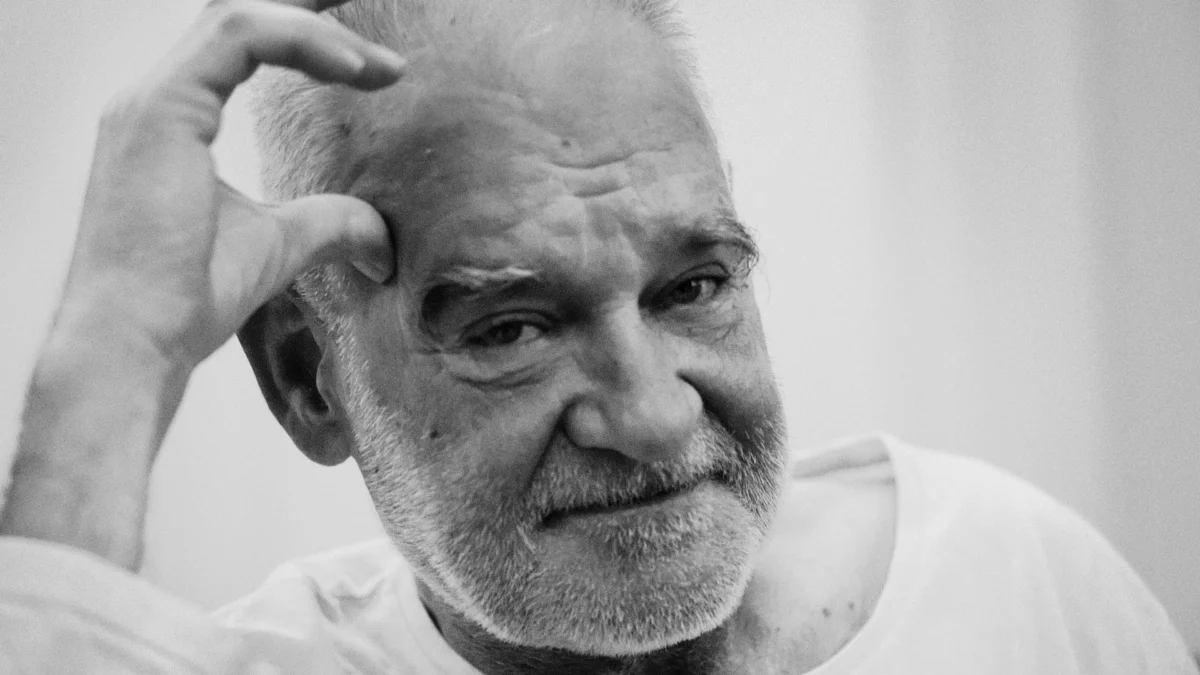
The Sarajevo Film Festival, a beacon for cinematic discovery and a vital platform for filmmakers from across the globe, has announced a significant new initiative designed to immortalize the profound legacy of the late Hungarian auteur, Béla Tarr. This ambitious program, titled "Béla Tarr in Sarajevo," is conceived as a long-term tribute, celebrating not only Tarr’s groundbreaking contributions to world cinema but also the enduring impact of his pedagogical vision. The inaugural selection features a curated collection of films by his former students, a testament to the vibrant artistic ecosystem he fostered during his tenure as director of the Film Factory in Sarajevo.
Béla Tarr, a filmmaker renowned for his distinctive "slow cinema" aesthetic and his unflinching exploration of existential themes, passed away earlier this year at the age of 70. His death marked the end of an era for arthouse cinema, leaving behind a body of work that continues to inspire and challenge audiences and filmmakers alike. The Film Factory, an international, experimental doctoral school for film studies, operated in the Bosnian capital from 2013 to 2017. It was Tarr’s brainchild, designed to provide a unique environment for emerging filmmakers to hone their craft under his guidance. The program’s aim is to transcend a simple retrospective, instead serving as a dynamic platform that showcases how the spirit of curiosity, rigor, and cinematic freedom, so central to Tarr’s philosophy, continues to flourish through the works of those he mentored.
A Legacy Cultivated in Sarajevo
The Sarajevo Film Festival has a long-standing and deeply personal relationship with Béla Tarr. His presence has been a recurring and celebrated fixture at the festival for years. In 2006, the festival’s Tribute to Program honored him with a comprehensive retrospective of his select works, allowing audiences to immerse themselves in the immersive and philosophical depth of his filmography. The festival further recognized his immense contributions in 2013 by bestowing upon him the prestigious Honorary Heart of Sarajevo award. The following year, Tarr lent his considerable expertise and discerning eye to the festival by serving as the president of the jury for the narrative feature film selection, a role that underscored his commitment to nurturing new cinematic talent.
The "Béla Tarr in Sarajevo" program is more than a posthumous acknowledgment; it is an active engagement with the creative lineage he established. Jovan Marjanović, the director of the Sarajevo Film Festival, articulated the program’s core mission: "The selection reflects careers that have since taken these filmmakers to many of the world’s leading festivals, including Cannes, San Sebastián, Locarno, Rotterdam and Clermont-Ferrand. Rather than revealing a single aesthetic or cinematic school, their films reflect an educational philosophy that encouraged every filmmaker to discover a distinctly personal artistic language." This statement highlights the program’s success in translating Tarr’s pedagogical approach into tangible artistic achievements. The films chosen are not mere echoes of Tarr’s style but rather vibrant expressions of individual artistic voices that were undoubtedly shaped by his influential tutelage.
The Film Factory: An Incubator of Cinematic Thought
The Film Factory was established with a visionary objective: to provide a fertile ground for advanced film studies that prioritized experimentation and the development of a unique directorial voice. Unlike traditional film schools, it was conceived as a doctoral program that pushed the boundaries of cinematic inquiry. From its inception in 2013 to its conclusion in 2017, the institution attracted aspiring filmmakers from around the globe, drawn by the prospect of learning directly from one of contemporary cinema’s most revered figures. Tarr’s approach was known for its demanding yet deeply rewarding nature, emphasizing a profound engagement with the filmmaking process and a relentless pursuit of authentic expression. The curriculum was designed to encourage a deep understanding of film history, theory, and practice, fostering an environment where critical thinking and creative risk-taking were paramount. The success of the Film Factory is now vividly illustrated by the calibre of films produced by its alumni, many of whom have gone on to achieve international recognition.
A Glimpse into the Inaugural Selection
The films selected for the inaugural "Béla Tarr in Sarajevo" program offer a compelling insight into the diverse artistic outputs of Tarr’s former students. These works have already garnered attention at prestigious film festivals worldwide, underscoring the program’s success in identifying and promoting emerging talent.
Among the featured films is Lamb from Icelandic filmmaker Valdimar Jóhannsson. This critically acclaimed film tells the story of a childless couple who discover a mysterious newborn lamb with human-like qualities in their sheep barn, leading them down a path of profound and unsettling consequences. Lamb has captivated audiences with its unique blend of folk horror, magical realism, and poignant emotional depth, demonstrating Jóhannsson’s distinct narrative and visual style.
Another notable inclusion is Grant Gulczynski’s Naval Gays. Hailing from the U.K., this meta-project is described as a film about a filmmaker grappling with low self-esteem who embarks on creating a movie that delves into themes of sex, the body, and his own identity. The film’s self-reflexive nature and exploration of vulnerability suggest a deeply personal and introspective cinematic journey.
The full lineup of films for the inaugural "Béla Tarr in Sarajevo" program is as follows:
- Cenote by Kaori Oda (Japan)
- Firewood by Manel Raga Raga (Spain)
- Lamb by Valdimar Jóhannsson (Iceland)
- Love Dog by Bianca Lucas (USA)
- Motherhood by Pilar Palomero (Spain)
- Naval Gays by Grant Gulczynski (U.K.)
- Soil and Wings by Stefan Maleševiæ (Serbia)
- The Bridge by Léa Triboulet (France)
- Travesias by Sergio Flores Thorija (Mexico)
- Who the Fuck Are You by Marina Radmilac (Serbia)
This diverse selection represents a spectrum of national origins and thematic preoccupations, yet each film is united by the common thread of artistic exploration fostered within the unique environment of the Film Factory. The inclusion of films from various corners of the globe further emphasizes the international scope of Tarr’s influence and the reach of his pedagogical legacy.
Broader Implications and the Future of Cinematic Education
The establishment of the "Béla Tarr in Sarajevo" program at the Sarajevo Film Festival carries significant implications for the future of cinematic education and the preservation of artistic legacies. In an industry often characterized by commercial pressures and the pursuit of formulaic narratives, initiatives like this serve as crucial counterpoints, championing artistic integrity and the development of singular creative voices.
The success of the Film Factory and the subsequent achievements of its alumni, as showcased in this program, provide a compelling case study for alternative models of film education. Tarr’s emphasis on personal artistic discovery, rather than the imposition of a rigid stylistic dogma, has clearly empowered his students to forge their own paths. This approach fosters a sense of agency and intellectual freedom that is invaluable for developing filmmakers who can contribute meaningfully to the evolving landscape of cinema.
Furthermore, the program’s long-term vision suggests a commitment from the Sarajevo Film Festival to actively cultivate and promote filmmakers who embody a certain artistic ethos. By dedicating a recurring program to Tarr’s students, the festival not only honors the late master but also invests in the future of cinema by providing a vital platform for artists who have been shaped by his profound influence. This initiative could inspire similar endeavors at other film festivals and institutions, encouraging a greater focus on nurturing artistic lineages and celebrating the mentors who shape generations of filmmakers.
The "Béla Tarr in Sarajevo" program is poised to become a cornerstone of the Sarajevo Film Festival, offering a unique opportunity for audiences to engage with the next wave of cinematic innovators. It stands as a powerful testament to Béla Tarr’s enduring impact, a legacy that continues to resonate and inspire through the vibrant and diverse works of his students. As the festival progresses, this program will undoubtedly spark dialogue, inspire new filmmakers, and further solidify Sarajevo’s reputation as a vital hub for artistic excellence and cinematic innovation. The films selected offer a glimpse into a shared journey of artistic exploration, demonstrating how a singular vision can propagate through a community of artists, enriching the global cinematic tapestry for years to come.