




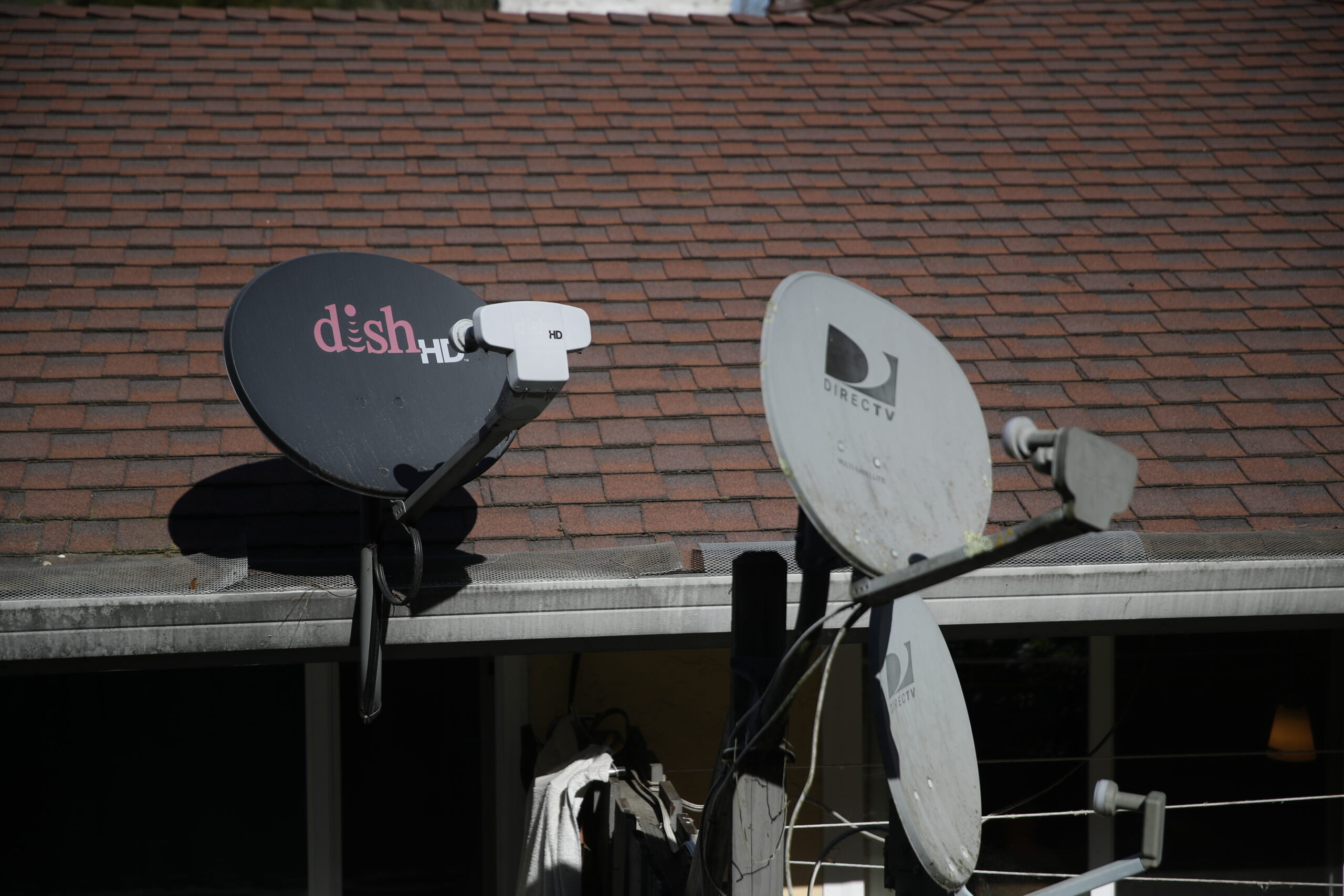
EchoStar, the pay-TV and connectivity giant helmed by Charlie Ergen, has unveiled its fourth-quarter and full-year financial results, revealing a pronounced downturn in its core pay-TV subscriber base and a substantial widening of its net losses. The company’s Q4 report, filed recently, paints a challenging picture of an industry grappling with evolving consumer preferences, aggressive competition from streaming services, and the ongoing strategic recalibrations within EchoStar itself.
Deepening Subscriber Erosion in Pay-TV
In the fourth quarter of 2025, EchoStar experienced a net pay-TV subscriber drop of approximately 168,000. While this figure represents a moderation compared to the 253,000 subscribers lost in the same period of the previous year, it underscores a persistent trend of subscriber attrition that continues to weigh on the company’s traditional business. The company concluded the 2025 calendar year with a total of 7.00 million pay-TV subscribers. This figure is comprised of 5.02 million Dish TV subscribers and 1.98 million Sling TV subscribers.
Looking at the entirety of 2025, the company saw a total loss of 636,000 Dish TV subscribers, a slight improvement from the 785,000 lost in 2024. However, the company’s over-the-top (OTT) streaming service, Sling TV, experienced a significant reversal in fortunes. In 2025, Sling TV recorded a loss of 167,000 subscribers, a stark contrast to the 37,000 gain it achieved in 2024. This swing highlights the increasing volatility and competitive pressures within the rapidly expanding streaming landscape.
Strategic Explanations for Subscriber Shifts
EchoStar provided detailed insights into the drivers behind these subscriber movements. The reduction in net Dish TV subscriber losses was primarily attributed to a lower churn rate among existing customers. However, this positive development was partially offset by a decrease in the gross activation of new Dish TV subscribers. This suggests a more challenging environment for acquiring new customers within the traditional satellite TV model.
The narrative for Sling TV was different. The company explained that the change in net Sling TV subscribers was predominantly linked to a decline in new subscriber activations. Concurrently, there was a reduction in subscriber disconnects, which the company ascribed to a strategic emphasis on acquiring "higher quality subscribers." This implies a shift in acquisition strategy, potentially prioritizing customers with longer expected retention periods or those who are less price-sensitive, even if it means slower overall growth.
The competitive environment was explicitly cited as a major factor. EchoStar’s regulatory filing stated, "We continue to experience increased competition, including competition from other subscription video on-demand and live-linear OTT service providers, many of which are providers of our content and offer football and other seasonal sports programming direct to subscribers on an a la carte basis." The report further highlighted a specific example of this intensifying competition: "For example, in August 2025, ESPN Unlimited and Fox One sports packages were launched." These direct-to-consumer offerings from major sports broadcasters represent a direct challenge to traditional pay-TV bundles, allowing consumers to subscribe to specific sports content without committing to a full cable or satellite package.
Broader Business Segment Performance
Beyond its core pay-TV offerings, EchoStar’s other business segments also reported varied performance. The company’s retail wireless subscribers saw a decrease of approximately 9,000 in the fourth quarter. This contrasts sharply with the robust increase of 90,000 subscribers recorded in the fourth quarter of the prior year. By the end of 2025, EchoStar had 7.51 million retail wireless subscribers.
The broadband segment also continued to face headwinds, with a drop of approximately 44,000 subscribers in the fourth quarter. This decline was slightly less severe than the 59,000 subscriber decrease observed in the fourth quarter of 2024. EchoStar concluded the quarter with 739,000 broadband subscribers. The combined impact of these declines across its various service offerings points to a broader challenge in subscriber acquisition and retention across multiple fronts.
Financial Performance: Widening Losses and Revenue Dip
The financial ramifications of these subscriber trends and market pressures are stark. EchoStar reported a fourth-quarter net loss of $1.2 billion. This represents a significant deterioration from the $335 million profit it achieved in the same period of the previous year. Revenue also declined, falling from $4.0 billion in the year-ago period to $3.8 billion in the latest quarter.
The company’s operational performance also weakened. Operating income before depreciation and amortization (OIBDA), a key profitability metric, swung from a positive $397 million in the year-ago period to a substantial $567 million loss in the most recent quarter. This indicates a significant erosion of profitability at the operational level, even before accounting for depreciation and amortization expenses.
The full-year financial picture for 2025 is even more concerning. EchoStar’s net loss for the year widened dramatically to $14.50 billion, a substantial increase from the $119.55 million loss reported in the prior year. The company attributed this massive widening of losses primarily to non-cash asset impairments and other expenses totaling approximately $17.63 billion. These significant write-downs suggest a reevaluation of the value of certain company assets, potentially reflecting changing market conditions or strategic realignments.
In contrast, the net loss in 2024 had been positively influenced by a non-cash gain of approximately $689 million related to the company’s debt exchange offer and the subsequent extinguishment of debt. This financial maneuver provided a one-time boost to the 2024 results, which is absent in the 2025 figures, further exacerbating the year-over-year comparison of net losses.
Background and Context: The Evolving Media Landscape
EchoStar’s performance occurs against the backdrop of a seismic shift in the media and entertainment industry. For decades, satellite and cable television providers like Dish Network (EchoStar’s primary operating subsidiary) were the gatekeepers of premium content. However, the proliferation of high-speed internet has enabled the rise of streaming services, offering consumers unprecedented choice, flexibility, and often, lower price points.
Companies like Netflix, Amazon Prime Video, Disney+, Hulu, and a growing number of niche streaming platforms have fundamentally altered how people consume video content. The ability to watch on-demand, access vast libraries of shows and movies, and subscribe to specific content verticals (like sports) has eroded the appeal of traditional, bundled pay-TV packages for a significant segment of the population.
This trend has been particularly acute for younger demographics, who have grown up with digital-first entertainment options. The "cord-cutting" phenomenon, where consumers cancel their traditional TV subscriptions in favor of streaming, has become a defining characteristic of the contemporary media market.
Timeline of Key Events and Trends
- Early 2000s: Dish Network, a key subsidiary of EchoStar, establishes itself as a major player in the satellite TV market, offering a wide array of channels and programming.
- Late 2000s/Early 2010s: The emergence of early streaming services like Netflix begins to challenge the dominance of traditional pay-TV providers.
- Mid-2010s: Cord-cutting becomes a more pronounced trend. Dish launches Sling TV, its OTT streaming service, as a strategic response to the evolving market, offering a more flexible and affordable alternative.
- Late 2010s/Early 2020s: The streaming wars intensify with the launch of major new services from Disney, Apple, and others. Competition for subscriber attention and dollars escalates dramatically.
- 2024: EchoStar experiences significant pay-TV subscriber losses, with Sling TV still showing positive growth. Financial results reflect the ongoing challenges in the pay-TV market.
- August 2025: The launch of ESPN Unlimited and Fox One sports packages signifies a direct challenge to pay-TV bundles from content providers themselves, offering a la carte sports subscriptions.
- Fourth Quarter 2025: EchoStar reports accelerated subscriber declines in its core pay-TV business and a reversal of fortune for Sling TV, which now experiences net losses. Retail wireless and broadband segments also show subscriber erosion.
- Late 2025/Early 2026 (Reporting Period): EchoStar’s financial results reveal a substantial net loss, significantly impacted by asset impairments, highlighting the financial pressures of adapting to the new media landscape.
Potential Implications and Future Outlook
The implications of EchoStar’s latest financial report are far-reaching. The sustained subscriber erosion in its core pay-TV business suggests that the company’s efforts to stem the tide are facing significant headwinds. The reversal of Sling TV’s growth trajectory is particularly concerning, indicating that even its innovative OTT offering is not immune to the intense competition and shifting consumer preferences.
The substantial net loss, driven by asset impairments, signals a potential period of strategic reassessment and restructuring for EchoStar. The company may need to accelerate its diversification efforts, explore new revenue streams, or consider further consolidation within the telecommunications and media sectors. The partnership with Elon Musk’s SpaceX, as alluded to in the initial context, could be a crucial element in EchoStar’s future strategy, particularly in leveraging satellite technology for broadband and potentially other connectivity services, offering a pathway to growth beyond traditional pay-TV.
The company’s reliance on traditional pay-TV for a significant portion of its revenue and subscriber base makes it vulnerable. The increasing competition from direct-to-consumer streaming services, particularly in lucrative areas like live sports, poses an ongoing existential threat. EchoStar’s ability to innovate, adapt its business model, and find sustainable growth engines in emerging technologies and services will be critical to its long-term viability. Investors will be closely watching for any further strategic announcements and operational adjustments as the company navigates this transformative period in the media and communications industry.