


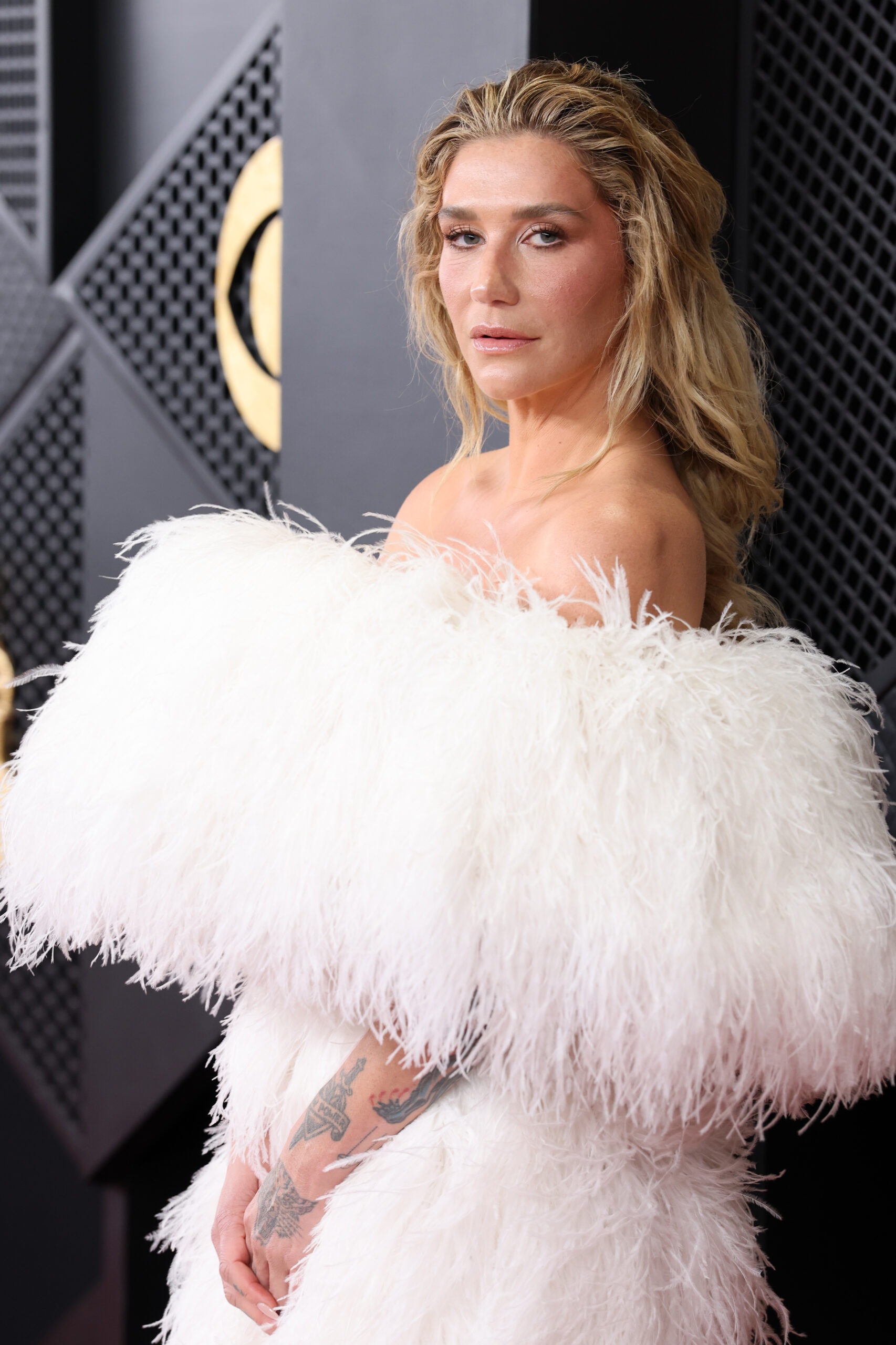
Pop superstar Kesha has publicly condemned the White House and the administration of former President Donald Trump for the unauthorized use of her 2010 hit song "Blow" on TikTok, alleging the platform was employed to "incite violence and threaten war." The singer took to her Instagram Story to express her strong disapproval and clarify her stance against the misappropriation of her music for purposes that contradict her values. This incident has reignited discussions about the persistent issue of political entities using copyrighted music without artist consent, a practice that has drawn criticism from numerous musicians.
The controversy emerged in the wake of heightened geopolitical tensions, specifically following the United States’ actions concerning Iran. Kesha’s statement, posted on Monday afternoon, directly addressed the White House’s official TikTok account. "It’s come to my attention that the White House has used one of my songs on TikTok to incite violence and threaten war," she shared, expressing profound dismay. "Trying to make light of war is disgusting and inhumane. I absolutely do NOT approve of my music being used to promote violence of any kind."
Kesha further elaborated on her position, emphasizing her core beliefs. "Love always trumps hate. Please love yourself and each other in times like this. This show of blatant disregard for human life and quite frankly this attack on all of our nervous systems is the opposite of what I stand for," she wrote. Her message served as a clear rejection of the political messaging that her music was allegedly used to amplify.
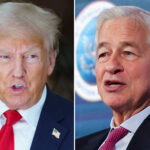
In a pointed addition to her statement, Kesha also drew attention to the extensive mentions of Donald Trump’s name within the publicly released documents related to the Jeffrey Epstein case. "Also, don’t let this distract us from the fact that criminal predator Donald Trump appears in the files over a million times," she stated, attempting to pivot the public discourse towards what she perceived as a more significant and concerning issue.
The specific TikTok video in question, featuring Kesha’s song "Blow," could not be immediately located on the White House’s official account at the time of reporting. It remains unclear precisely when the clip was posted or if it has since been removed. "Blow" is a track from Kesha’s debut EP, Cannibal, released in 2010. The dance-pop song, officially released as a single on February 1, 2011, features lyrics that, while often interpreted in a celebratory or defiant context, were seemingly repurposed by the White House for a more aggressive message. The song’s memorable chorus includes lines like, "This place about to blow, oh-oh-oh-oh-oh-oh," and "Now what? (What?) We’re taking control. We get what we want. We do what you don’t." The song’s accompanying music video, released later that month, notably featured the late actor James Van Der Beek.
A Pattern of Unauthorized Music Use in Politics
Kesha is far from the first artist to confront political entities over the unauthorized use of their music. This has become a recurring issue, particularly during political campaigns and in the context of social media dissemination. The Trump administration, in particular, has faced numerous such allegations. Artists and their representatives have repeatedly issued cease-and-desist letters and public statements protesting the use of their songs at rallies and on official government accounts.
Notable examples include:
- Olivia Rodrigo: The pop singer expressed her displeasure when the Trump campaign used her song "Good 4 U" at a rally. Her team stated she "absolutely" did not approve of her music being used in such a context.
- Sabrina Carpenter: Similar to Rodrigo, Carpenter’s team confirmed she did not grant permission for her song "A Sign of the Times" to be used by the Trump campaign.
- SZA: The Grammy-winning artist vocally opposed the use of her song "The Weekend" by the Trump campaign, with her management stating that she had not given authorization.
- Celine Dion: Her representatives issued a statement confirming that the Trump campaign did not have permission to use "My Heart Will Go On" at a rally.
- Kenny Loggins: The rock legend has been a vocal critic of political campaigns using his music without consent, including "Danger Zone."
- Linda Ronstadt: Her iconic song "You’re No Good" was used by the Trump campaign, prompting a strong rebuke from her representatives.
- Foo Fighters: Dave Grohl and his band have consistently objected to their music being used in political contexts, particularly by the Trump campaign, citing their opposition to the administration’s policies.
- The White Stripes: Jack White has taken legal action and issued public statements against the Trump campaign for using his song "Seven Nation Army."
These instances highlight a broader trend where political campaigns and administrations leverage popular music to connect with audiences and amplify their messaging. However, this practice often runs afoul of copyright law and, more significantly for artists, their artistic integrity and personal values. Many musicians view their work as an extension of their beliefs, and its use in a political context they oppose can feel like a personal endorsement of that political stance.
Legal and Ethical Considerations
The unauthorized use of copyrighted music by political entities raises several legal and ethical questions. Under copyright law, artists and rights holders have exclusive rights to reproduce, distribute, and perform their work. Using a song without a license, even for a seemingly non-commercial purpose like a social media post or a campaign rally, can constitute copyright infringement.
While the White House, as a government entity, might operate under different legal frameworks than a private campaign, the principle of seeking permission or obtaining appropriate licenses for artistic works generally still applies. The Digital Millennium Copyright Act (DMCA) and other relevant legislation govern the use of music online, and platforms like TikTok have their own content policies and licensing agreements.
Beyond the legal ramifications, the ethical dimension is crucial for artists. Many view their music as a form of personal expression. When their songs are used to promote political agendas that conflict with their values, it can lead to feelings of betrayal and a sense of complicity. This is particularly sensitive when the music is associated with messages of violence, aggression, or divisiveness, as Kesha alleged in her statement.
Background of the "Blow" Incident and Geopolitical Context
Kesha’s song "Blow" was released during a period of significant global political activity and evolving social media landscapes. The year 2010-2011 saw the rise of platforms like TikTok (though it was not yet in its current form, the principles of viral content and music-driven social media were emerging) and continued discussions around international relations.
The timing of Kesha’s statement, referencing the "United States’ attack on Iran," points to a specific geopolitical event that likely triggered the White House’s alleged use of her song. While the article does not specify which particular action it refers to, it suggests a context of military action or heightened international conflict. In such times, the use of aggressive or defiant music can be employed to project strength or to galvanize public support. However, for artists like Kesha, this can be a deeply problematic association.
The reference to Donald Trump’s name appearing extensively in the Epstein files is a significant detail. The Epstein case, involving allegations of sex trafficking and abuse, has cast a long shadow over numerous prominent figures. Bringing this into her statement about the song usage served as a powerful juxtaposition, suggesting that while the White House may be using her music for a particular political narrative, larger, more disturbing issues remain in the public consciousness.
Broader Impact and Implications
Kesha’s public denouncement contributes to a growing chorus of artists holding powerful entities accountable for the use of their creative works. This trend has several implications:
- Increased Artist Awareness and Empowerment: Musicians are becoming more aware of their rights and more willing to speak out against unauthorized usage. This can lead to stronger advocacy for artists’ rights in the digital age.
- Scrutiny of Political Entities: The repeated controversies put political campaigns and administrations under greater public scrutiny regarding their ethical and legal compliance in using copyrighted material. This could potentially lead to stricter internal policies and greater diligence in seeking permissions.
- Platform Responsibility: Social media platforms like TikTok face ongoing pressure to enforce their content policies and ensure that rights holders are protected from unauthorized use of their music. This may involve improved content moderation and more robust mechanisms for reporting and addressing infringement.
- Public Discourse on Art and Politics: These incidents foster public conversations about the relationship between art, politics, and individual expression. They highlight the tension between the desire to use popular culture for political messaging and the fundamental rights of artists to control their creations.
- Potential for Legal Action: While many artists opt for public statements, the ongoing nature of these disputes could lead to increased instances of formal legal action, potentially setting new precedents in copyright law concerning political use of music.
The incident involving Kesha and the White House’s alleged use of "Blow" on TikTok serves as a potent reminder of the complex intersection of music, politics, and digital media. It underscores the importance of respecting artists’ rights and values in an era where content can be disseminated globally with unprecedented speed and reach. As technology continues to evolve, so too will the challenges and discussions surrounding copyright, artistic integrity, and the ethical use of creative works in the public sphere.