



The aviation landscape in the Middle East has entered a state of unprecedented turmoil following a series of joint military strikes conducted by the United States and Israel against Iranian targets. As of Saturday evening, global flight tracking data and industry analysts report that more than 1,800 flights have been canceled across the region, reflecting the immediate and severe impact of the escalating conflict on international commerce and mobility. According to data provided by Cirium, an aviation analytics firm, 966 of the 4,218 flights scheduled to arrive in the Middle East were canceled by Saturday night. This figure represents approximately 23% of the total scheduled service in the region, a disruption of a magnitude rarely seen outside of global pandemics or major natural disasters.
The military operations, which targeted strategic Iranian infrastructure, have triggered a cascade of retaliatory actions and airspace closures. Iran responded to the initial strikes by launching attacks against several neighboring countries that host United States military installations, specifically the United Arab Emirates (UAE), Bahrain, and Qatar. These developments have forced aviation authorities to issue urgent Notices to Air Missions (NOTAMs), effectively sealing off large corridors of the Persian Gulf and surrounding territories to civilian traffic. The result is a logistical bottleneck that has left thousands of passengers stranded and forced major international carriers to reroute long-haul flights between Europe, Asia, and North America.
Chronology of the Escalation and Military Action
The current crisis traces its immediate roots to a sharp escalation in hostilities between the U.S.-Israeli coalition and the Islamic Republic of Iran. While tensions have remained high for decades, the transition to direct, large-scale kinetic military action represents a definitive shift in regional policy.
On Friday evening, intelligence reports suggested a heightened state of readiness within Iran’s missile divisions. In what was described as a preemptive and decapitation strike, U.S. and Israeli forces launched a coordinated aerial and missile campaign targeting Iranian nuclear facilities, command-and-control centers, and military airfields. By Saturday morning, the scope of the operation became clear as explosions were reported in Tehran, Isfahan, and several coastal regions.
By midday Saturday, the Iranian government retaliated by targeting airbases in the UAE, Qatar, and Bahrain, citing these nations’ roles in facilitating U.S. military logistics. This retaliation directly impacted some of the world’s busiest aviation hubs, including Dubai International Airport (DXB), Hamad International Airport (DOH) in Doha, and Bahrain International Airport (BAH). By Saturday evening, the geopolitical situation reached a fever pitch when President Donald Trump issued a series of statements outlining a radical new objective for the campaign: the total elimination of Iran’s nuclear capabilities and the removal of its current government.
Detailed Impact on Regional Aviation and Logistics
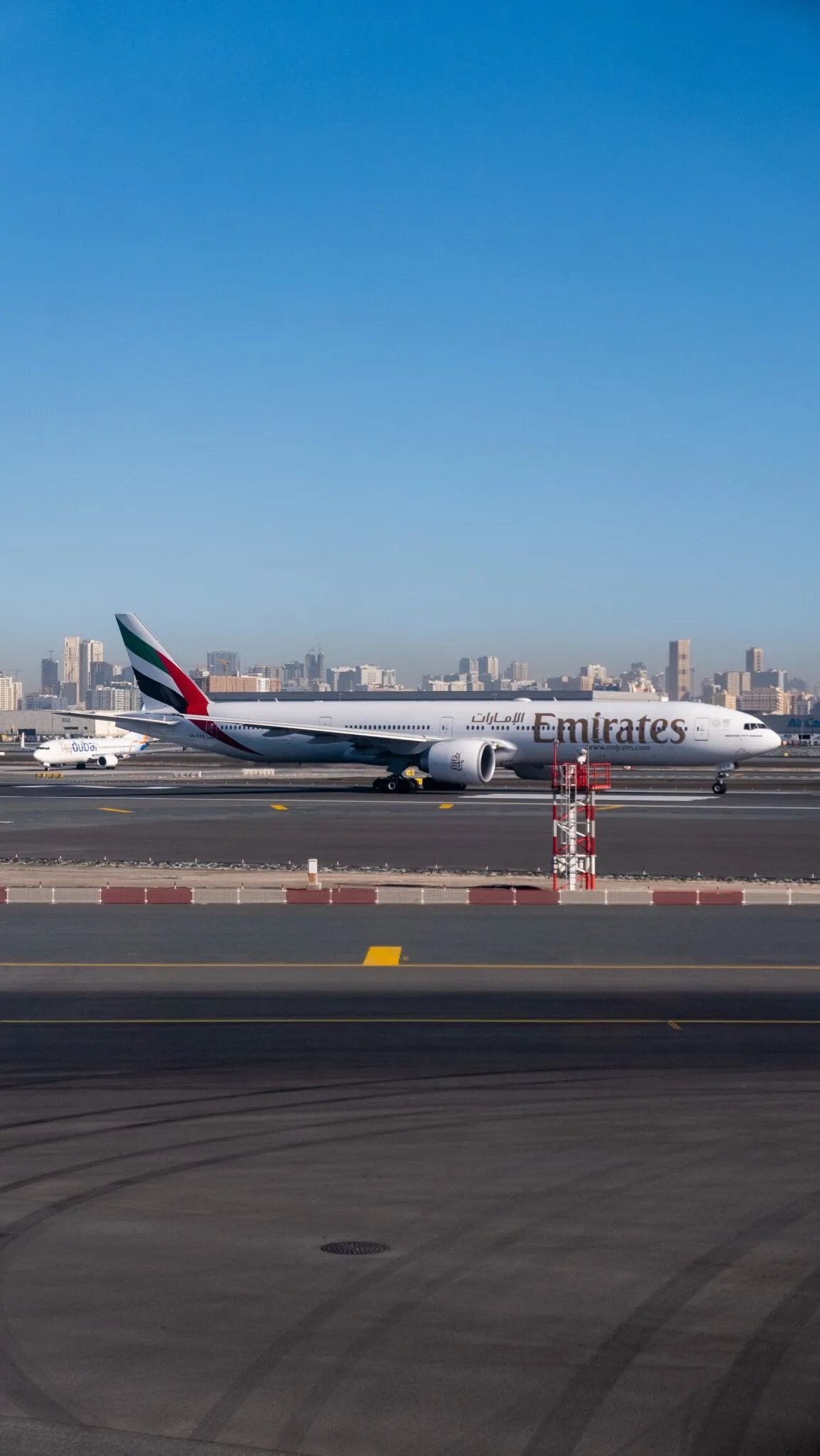
The cancellation of 23% of scheduled arrivals in the Middle East underscores the fragility of the region’s status as a global transit hub. The Middle East serves as the primary "bridge" for travel between the West and the East. Major carriers such as Emirates, Qatar Airways, and Etihad, which rely on a "hub-and-spoke" model, have seen their operations decimated.
The Cirium data highlights specific vulnerabilities:
- Dubai International (DXB): As one of the world’s busiest airports for international passengers, DXB saw more than 300 cancellations within a 12-hour window.
- Doha (DOH): Qatar’s primary gateway faced significant disruptions as Iranian missiles targeted areas near the Al Udeid Air Base, leading to temporary ground stops for all civilian aircraft.
- Airspace Rerouting: Flights that were not canceled were forced to take circuitous routes over Saudi Arabia, Egypt, and Central Asia. These detours have added between three to five hours to flight times, significantly increasing fuel consumption and operational costs for airlines already grappling with volatile energy prices.
Insurance premiums for aircraft operating in the Middle East have surged. "War risk" surcharges are being applied to any carrier entering the Persian Gulf airspace, leading some smaller airlines to suspend service entirely until a ceasefire or clear security guarantees are established.
Statements from the U.S. Administration and Global Reactions
President Donald Trump addressed the nation and the international community on Saturday evening, providing a stark assessment of the military objectives. The President stated that the goal of the joint operation is not merely containment but the "elimination" of Iran’s nuclear program and the "overthrow" of its existing government. In a move that has sent shockwaves through diplomatic circles, Trump asserted that the country’s military infrastructure would be systematically destroyed to prevent future regional instability.
Furthermore, President Trump claimed on Saturday evening that Iran’s Supreme Leader, Ayatollah Ali Khamenei, had been killed during the precision strikes. While independent verification of this claim remains pending due to the communication blackout within Iran, the assertion has already altered the diplomatic calculus of both allies and adversaries.
The international response has been swift and divided. Members of the European Union have called for an immediate de-escalation, expressing concern over the potential for a wider regional war and a massive humanitarian crisis. Conversely, several regional allies who have long viewed Iran as a destabilizing force have offered tacit support for the operations, though they remain wary of the retaliatory strikes hitting their own soil.
The United Nations Security Council has called for an emergency session to discuss the legality of the strikes and the humanitarian implications of the total blockade of Iranian airspace and ports. Meanwhile, the International Civil Aviation Organization (ICAO) has urged all member states to prioritize the safety of civilian passengers and to maintain open lines of communication between military and civilian air traffic control.
Broader Economic and Geopolitical Implications
The implications of this conflict extend far beyond the departure boards of regional airports. The Middle East is the heart of global energy production, and any disruption to the stability of the Persian Gulf has an immediate effect on oil markets. Following the news of the strikes and the subsequent flight cancellations, Brent Crude prices saw a sharp spike, with analysts predicting further volatility if the Strait of Hormuz is closed or if Iranian oil infrastructure is further targeted.
The "regime change" objective signaled by the U.S. administration marks a departure from previous strategies of "maximum pressure" via economic sanctions. By moving toward direct military intervention and targeting the top leadership, the U.S. and Israel are attempting to fundamentally redraw the map of Middle Eastern influence. However, this strategy carries immense risks, including:
- Power Vacuums: The potential collapse of the Iranian state could lead to internal chaos, similar to the aftermath of the 2003 invasion of Iraq.
- Asymmetric Retaliation: While Iran’s conventional military may be degraded, its network of proxy groups throughout Lebanon, Yemen, and Iraq remains a significant threat to regional stability.
- Humanitarian Crisis: The destruction of military and potentially dual-use infrastructure could lead to widespread displacement and a breakdown in essential services for the Iranian civilian population.
Future Outlook for Travel and Security
For the global travel industry, the timing of this conflict is particularly damaging. Coming at a time when international travel had finally returned to pre-pandemic levels, the closure of Middle Eastern corridors creates a "choke point" that affects global supply chains and tourism. Logistics companies like FedEx and DHL have already begun rerouting cargo flights, which is expected to result in delays for consumer goods and industrial components moving between Asia and Europe.
Aviation security experts suggest that even if active hostilities cease in the coming days, the restoration of normal flight schedules could take weeks. The process of "clearing" airspace involves rigorous safety checks, the removal of debris or hazards, and the renegotiation of overflight rights. Furthermore, the psychological impact on travelers may lead to a sustained decrease in bookings for destinations within the Middle East, impacting the multi-billion-dollar tourism industries of the UAE and Qatar.
As the situation continues to evolve, the focus remains on the veracity of the reports regarding the Iranian leadership and the extent of the damage to Iran’s military capabilities. The joint U.S.-Israel operation has set in motion a series of events that will likely define Middle Eastern geopolitics for the next decade. For now, the immediate reality is one of grounded planes, diverted routes, and a region on the brink of a transformative and potentially devastating conflict. The international community watches closely as the "Saturday evening" developments transition into a new and uncertain Sunday, with the fate of millions of travelers and the stability of the global economy hanging in the balance.