



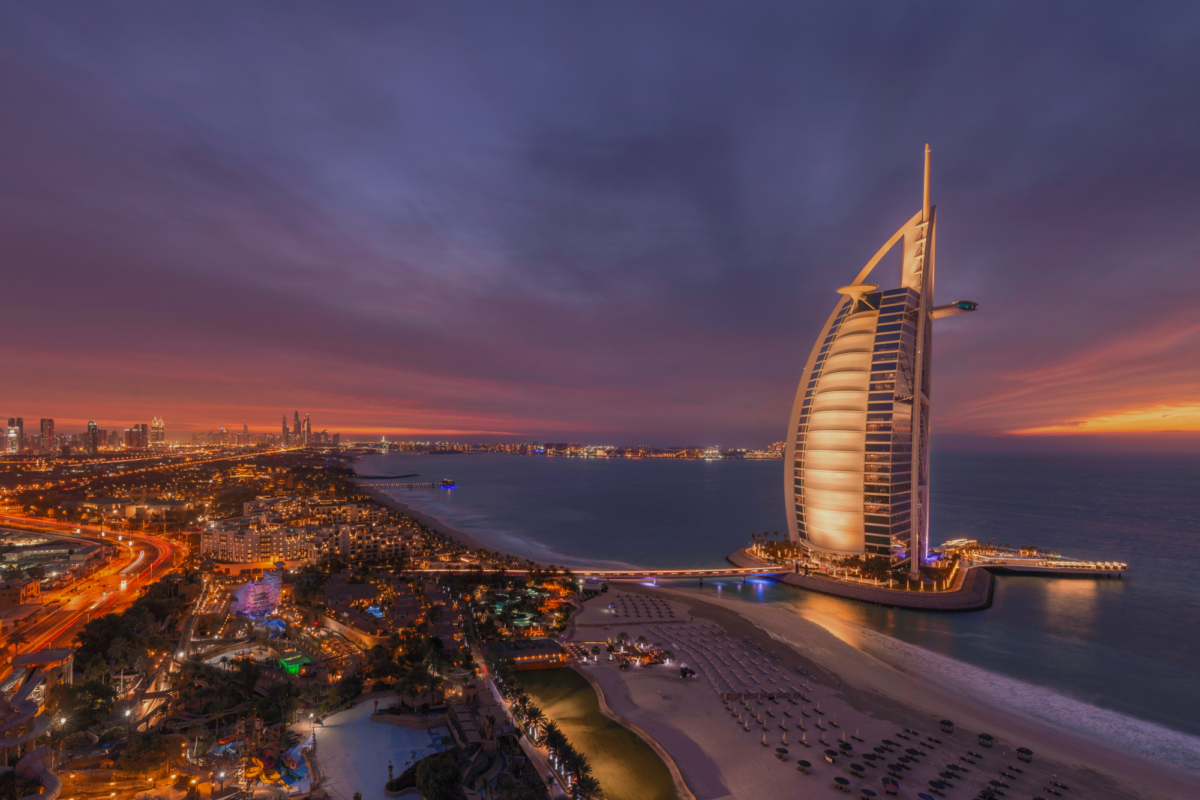
Dubai has long positioned itself as a premier safe haven in the Middle East, maintaining a carefully curated image of political neutrality while remaining aggressively open for business and international travel. This strategic positioning has allowed the United Arab Emirates (UAE) to flourish as a global crossroads, connecting East and West through its massive aviation hubs and luxury tourism offerings. However, as regional tensions reach a critical boiling point, this hard-won reputation is facing its most significant challenge in decades. With Iran continuing retaliatory strikes against nations hosting U.S. military assets, Dubai and its neighbor, Abu Dhabi, find themselves increasingly entangled in a widening regional conflict. The escalation poses a severe risk to the UAE’s economic engine, with the potential for leisure travelers to defer trips to the broader Middle East and for the Meetings, Incentives, Conferences, and Exhibitions (MICE) and corporate travel sectors to pause operations amid deepening uncertainty.
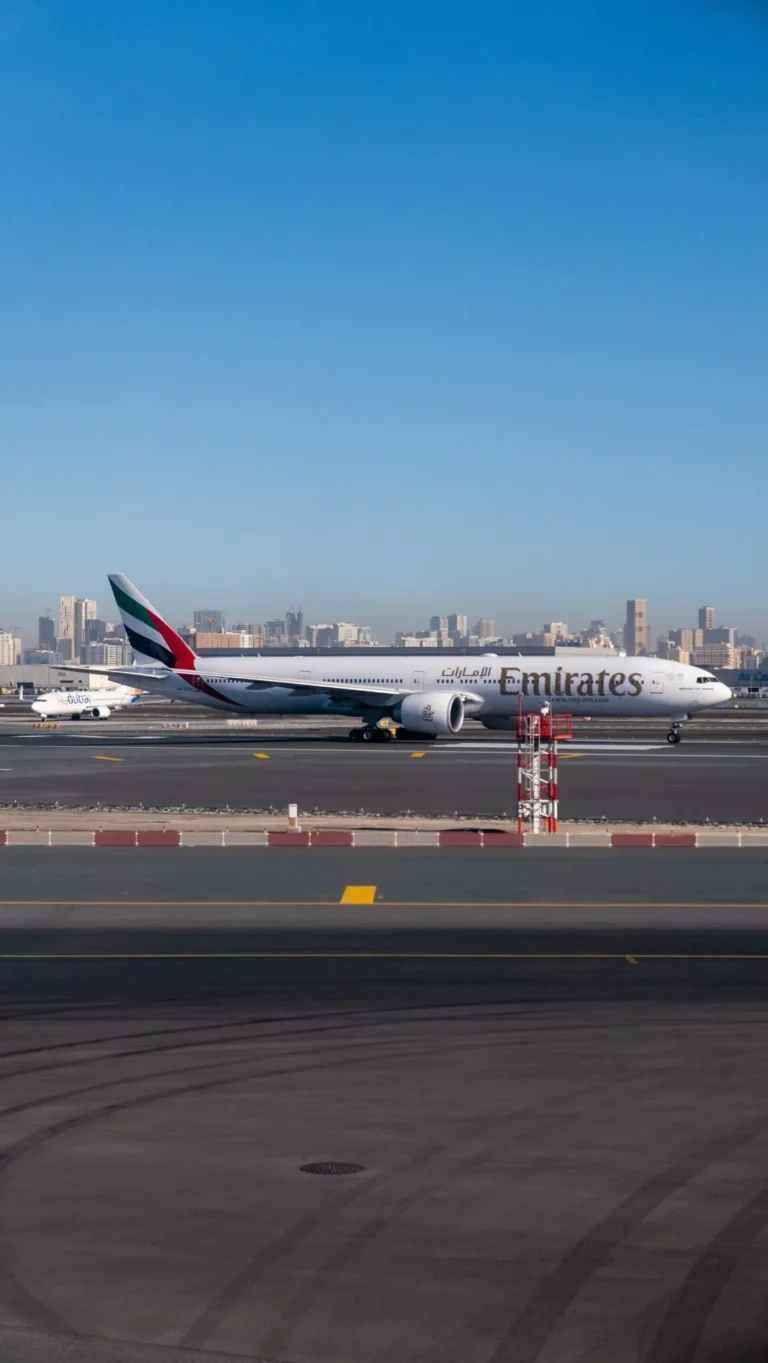
The immediate fallout of the heightened hostilities has manifested in the aviation sector, a cornerstone of the Emirati economy. Ross Veitch, CEO and co-founder of Wego, a prominent UAE-based travel metasearch platform, noted that the impact of airspace closures and widespread flight disruptions was felt almost instantaneously across the region. According to Veitch, the platform has observed a significant surge in rebookings, cancellations, and customer inquiries as travelers scramble to adjust their plans in response to the volatile security situation. The Iranian regime’s decision to launch missiles and drones across the Gulf for a second consecutive day has created a logistical nightmare for carriers operating out of Dubai International Airport (DXB) and Zayed International Airport in Abu Dhabi. These disruptions are not merely operational; they represent a fundamental shift in the risk assessment for one of the world’s most frequented transit corridors.
Chronology of Escalation and Military Activity
The current wave of instability was triggered by a series of high-profile military actions that have fundamentally altered the regional security landscape. Following the reported killing of high-ranking leadership during targeted strikes involving U.S. and Israeli assets, the Iranian regime initiated a multi-day campaign of retaliatory measures. This response has involved the deployment of sophisticated drone technology and ballistic missiles aimed at strategic locations across the Gulf, specifically targeting areas with a known U.S. military presence.
On the first day of the strikes, several neighboring countries, including Jordan, Lebanon, and Iraq, took the preemptive step of closing their airspace to civilian traffic. This led to hundreds of flight diversions, with many long-haul flights between Europe and Asia being forced into lengthy detours or returning to their points of origin. By the second day, the UAE Defence Ministry confirmed that its air defense systems were on high alert as projectiles crossed regional waters. The ministry’s communications have emphasized the state’s readiness to defend its sovereignty, yet the mere necessity of such statements underscores the proximity of the conflict to the UAE’s commercial centers.
The timeline of these events highlights a rapid deterioration of the security environment. What began as a localized exchange of fire has transformed into a theater-wide confrontation involving multiple state actors and non-state proxies. For Dubai, which has spent the better part of thirty years marketing itself as an oasis of stability, the sight of interceptors and the sound of sirens represent a jarring departure from the "business as usual" narrative that the city-state relies upon to attract foreign investment and tourism.
Impact on the Aviation and Tourism Sectors
The UAE’s aviation sector is more than just a transport industry; it is a primary driver of the nation’s Gross Domestic Product (GDP). Dubai International Airport (DXB) recently reported record-breaking passenger numbers, handling over 87 million travelers in 2023. Any prolonged disruption to this hub has global ramifications. Data from aviation analytics firms suggest that even a 48-hour closure of regional airspace can result in a backlog of passengers that takes weeks to clear, costing airlines hundreds of millions of dollars in lost revenue and operational overhead.
The "halo effect" of Dubai’s safety has historically encouraged travelers to visit even when other parts of the Middle East were in turmoil. However, the current scenario differs because the UAE is no longer just a distant observer of regional strife. The threat of miscalculation or direct targeting of infrastructure has forced travel insurance providers to reassess premiums for the region. Industry experts warn that if the conflict persists, the "leisure deferral" phenomenon will become more pronounced. Families and holidaymakers, who prioritize safety above all else, are likely to pivot toward alternative destinations in Southeast Asia, the Mediterranean, or the Americas.
Furthermore, the MICE sector, which Dubai has dominated through venues like the Dubai World Trade Centre, is particularly sensitive to geopolitical instability. International corporations are often bound by strict "duty of care" protocols. If a destination is deemed high-risk by corporate security departments, major conferences and exhibitions are frequently postponed or moved to virtual formats. This would result in a significant loss for the hospitality sector, which relies on high-spending business travelers to maintain occupancy rates during the traditional peak seasons.
Economic Data and Regional Dependencies
The economic stakes for the UAE are immense. Tourism and travel account for approximately 10% to 12% of the UAE’s total GDP. In 2023, the sector contributed an estimated $52 billion to the economy. A sustained downturn in visitor numbers would not only affect hotels and airlines but also the retail, real estate, and service sectors that cater to an international clientele.
Supporting data from recent quarters shows that the UAE had been experiencing a post-pandemic boom. Hotel occupancy rates in Dubai hovered around 77%, and the city was ranked as the number one global destination in the Tripadvisor Travellers’ Choice Awards for three consecutive years. The current conflict threatens to stall this momentum. Analysts point out that the UAE’s "Vision 2031" goals, which include increasing the tourism sector’s contribution to the GDP to AED 450 billion, are contingent upon a stable and peaceful regional environment.
Additionally, the UAE’s role as a global logistics hub through DP World and Jebel Ali Port is at risk. While the current focus is on airspace, the maritime corridors of the Persian Gulf and the Strait of Hormuz are equally vital. Any escalation that threatens shipping lanes would lead to increased freight costs and insurance surcharges, further complicating the UAE’s economic outlook.
Official Responses and Security Measures
In response to the escalating threats, the UAE government has maintained a stance of "strategic restraint" while bolstering its domestic defenses. The UAE Defence Ministry has issued statements reassuring the public and the international community of the country’s robust multi-layered air defense capabilities, which include the Terminal High Altitude Area Defense (THAAD) and Patriot systems. These systems are designed to intercept short-, medium-, and intermediate-range ballistic missiles.
Official rhetoric from the UAE Ministry of Foreign Affairs has consistently called for de-escalation and a return to diplomatic dialogue. The UAE has historically utilized its diplomatic weight to act as a mediator, and behind the scenes, Emirati officials are reportedly working with international partners, including the United States and regional neighbors, to prevent a full-scale regional war. However, the challenge remains that the UAE’s geographical location and its hosting of international military facilities make it a potential target in a wider conflagration, regardless of its diplomatic efforts.
International airlines, including Emirates and Etihad, have implemented contingency plans. These include rerouting flights over safer territories, such as Saudi Arabia and Egypt, and increasing fuel loads to allow for longer flight paths. While these measures ensure passenger safety, they also increase operational costs and extend travel times, reducing the efficiency that has made Middle Eastern hubs so competitive.
Broader Implications and Long-term Analysis
The long-term implications of this conflict for Dubai and Abu Dhabi depend largely on the duration and intensity of the hostilities. If the situation is contained quickly, the UAE’s economy has shown a historical ability to bounce back with remarkable speed. The city’s infrastructure is resilient, and its brand is strong. However, a "new normal" of periodic missile exchanges and airspace closures would be catastrophic for the "safe haven" model.
There is also a broader geopolitical shift at play. The UAE has spent years diversifying its alliances, strengthening ties with China, India, and Russia, while maintaining its foundational security relationship with the U.S. This "multi-aligned" foreign policy is being put to the test. If the UAE is forced to take a more definitive side in the conflict, it may alienate certain segments of its global audience or invite further retaliatory actions from regional adversaries.
The uncertainty also impacts the expatriate population, which makes up over 80% of the UAE’s residents. The country’s ability to attract and retain global talent is predicated on the promise of a high quality of life and safety. While there has not yet been a mass exodus, a prolonged period of military tension could lead to a slowdown in new arrivals and a potential "brain drain" if the security situation does not stabilize.
In conclusion, while Dubai remains a powerhouse of international commerce and a marvel of modern urban development, its vulnerability to regional geopolitical shocks has been laid bare. The current crisis serves as a reminder that in an interconnected global economy, no hub—no matter how prosperous or neutral—is entirely immune to the ripples of conflict. The coming weeks will be a critical period for the UAE as it navigates the dual challenges of ensuring national security and preserving its status as the world’s most accessible and reliable travel destination. The resilience of the "Dubai model" is once again under the microscope, and the world is watching to see if the city can weather this storm as it has so many others in the past.