



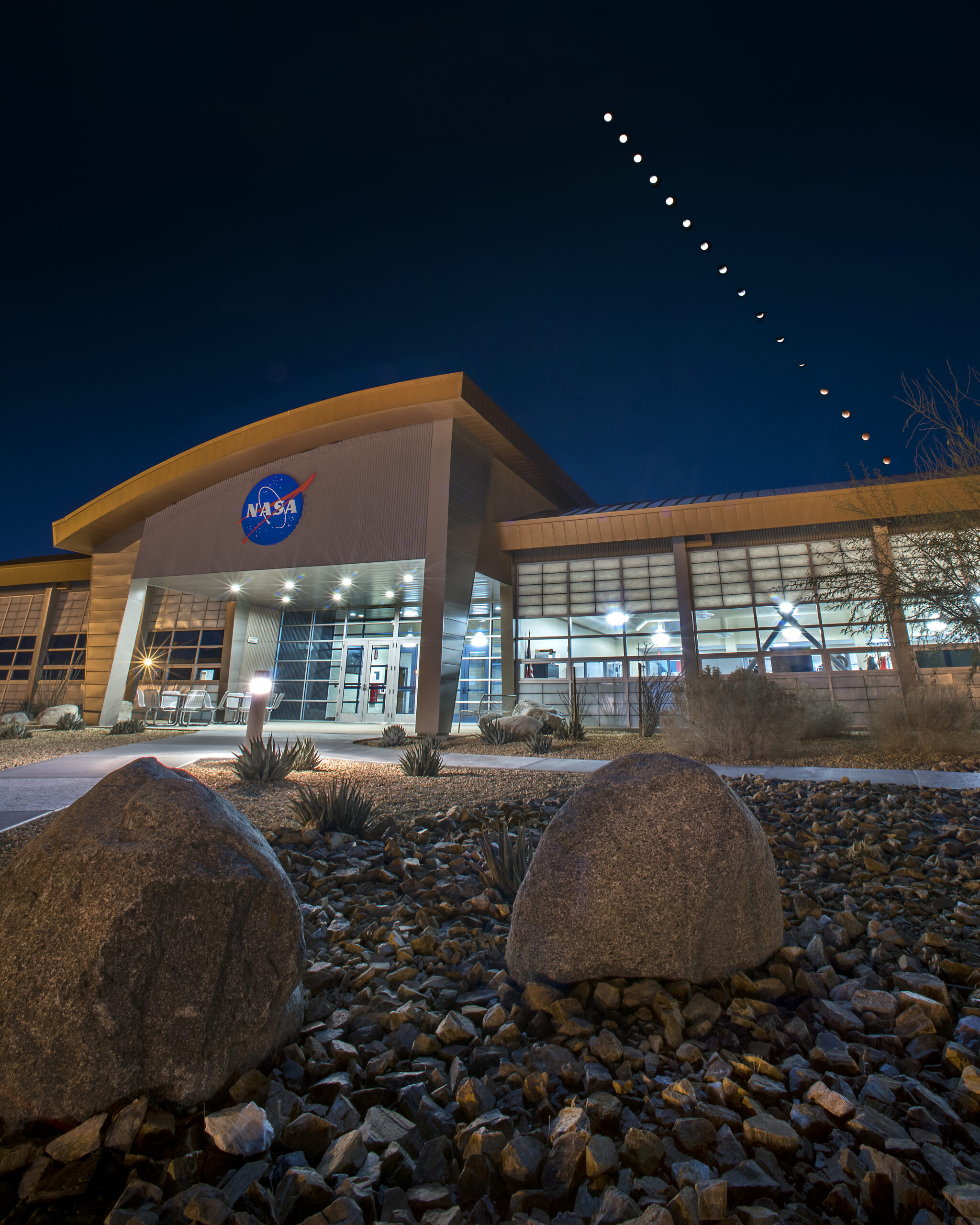
Nestled within the vast expanse of the Mojave Desert, NASA’s Armstrong Flight Research Center (AFRC) at Edwards, California, stands as a pivotal hub for aeronautical advancement, pushing the very limits of flight to fulfill the agency’s ambitious research mission. This iconic site, synonymous with legendary feats like Chuck Yeager’s breaking of the sound barrier, continues to chart the future, pioneering groundbreaking advancements in high-speed, autonomous, and electrified aircraft technologies. Armstrong’s unparalleled capabilities, derived from its uniquely strategic location and a rich heritage of innovation, are instrumental to NASA’s broader objectives of scientific discovery, technological innovation, and collaborative enterprise.
A Legacy Forged in the Desert: The Birth of Supersonic Flight
The genesis of Armstrong’s storied legacy dates back to 1947, a landmark year that forever altered the trajectory of aviation. It was then that a lean but determined team of 13 engineers and technicians from NASA’s predecessor, the National Advisory Committee for Aeronautics (NACA), arrived at what was then Muroc Army Airfield – now the sprawling Edwards Air Force Base (AFB) in Southern California’s high desert. Their singular mission: to establish the Station for High-Speed Research and prepare for the inaugural supersonic flights of the revolutionary X-1 rocket plane. This audacious endeavor culminated on October 14, 1947, when U.S. Air Force Captain Charles “Chuck” Yeager piloted the Bell X-1, christened "Glamorous Glennis," to Mach 1.06 at an altitude of 43,000 feet, becoming the first human to fly faster than the speed of sound in level flight. This historic milestone not only ushered in a new era of aviation but also firmly cemented Edwards Air Force Base as an indispensable cornerstone of NASA’s flight research enterprise, a tradition that continues to this day.
The immediate post-World War II period saw intense competition among global powers, driving a relentless pursuit of faster and more capable aircraft. NACA, established in 1915, played a crucial role in providing the scientific and engineering foundation for American aviation superiority. The move to Muroc was a strategic decision, recognizing the need for a remote, vast, and unrestricted environment to safely conduct high-risk experimental flights. The X-1 project itself was a collaborative effort involving NACA, the U.S. Air Force, and Bell Aircraft, demonstrating an early model of the inter-agency and industry partnerships that define Armstrong’s work today. The success of the X-1 was not merely a technical achievement; it profoundly influenced subsequent aircraft design, paving the way for the jet age and demonstrating the immense potential of systematic flight research.
The Unrivaled Advantage: Location, Infrastructure, and Climate
NASA Armstrong’s strategic co-location at Edwards Air Force Base offers a unique confluence of advantages that are difficult, if not impossible, to replicate elsewhere. Foremost among these is unparalleled access to the nation’s largest secure flight test range, an expansive arena spanning approximately 470 square miles of mission-critical terrain. This includes the iconic Rogers Dry Lake, a vast, hard-packed surface covering 44 square miles, formed by ancient geological processes. This natural wonder serves as an extraordinary emergency landing site, providing a critical margin of safety for experimental aircraft during high-risk missions due to its immense size and consistent surface integrity.
Beyond the sheer physical scale, the range is meticulously equipped with specialized testing instrumentation, including advanced radar tracking systems, telemetry receivers, optical tracking, and sophisticated data acquisition networks. This integrated infrastructure allows NASA teams to conduct complex flight-testing scenarios with unprecedented precision and safety across multiple programs. The extensive restricted airspace above the Mojave Desert, including the historically significant Bell X-1 Supersonic Corridor, provides a controlled environment for supersonic and transonic flight testing, enabling precision maneuvers at high speeds. This, combined with nearly year-round clear flying weather and a low population density, ensures uninterrupted flight operations, maximizing research efficiency and minimizing external interference.
The region’s natural geography played a critical role in its selection for aviation research long before NACA’s arrival. As early as 1937, the U.S. Army Air Corps recognized the value of Muroc Dry Lake for large-scale maneuvers and experimental aircraft operations. The inherent safety net provided by the dry lakebed, allowing for emergency landings with minimal risk of catastrophic damage, was a key factor. With the escalation of U.S. involvement in World War II, the area’s importance surged, attracting additional resources, new facilities, and a dedicated focus on research and experimentation with cutting-edge aircraft designs. This wartime investment laid the groundwork for the post-war expansion of flight research at the site.
A Culture of Innovation: The X-Plane Legacy
The core of NASA Armstrong’s identity is inextricably linked to its prolific X-plane legacy. From the pioneering X-1 to the latest X-59 quiet supersonic technology demonstrator, NASA has developed and flight-tested dozens of experimental aircraft – many with significant contributions from Armstrong and other NASA centers. These "X-planes" are not designed for operational deployment but rather as flying laboratories, engineered to push the boundaries of flight, validate new aerodynamic theories, and test revolutionary technologies.
The contributions made at Edwards are vast and have fundamentally reshaped aviation. Beyond the X-1, key milestones include:
- X-15 (1959-1968): A rocket-powered aircraft that explored hypersonic flight (Mach 6.7) and atmospheric reentry, reaching the edge of space (over 350,000 feet altitude). Insights from the X-15 program were crucial for the development of the Mercury, Gemini, and Apollo human spaceflight programs.
- Lifting Bodies (1960s-1970s): Programs like the M2-F1, M2-F2, HL-10, and X-24 explored wingless lifting body designs, providing critical data for understanding spacecraft re-entry aerodynamics and maneuverability, directly influencing the Space Shuttle design.
- Digital Fly-by-Wire (1970s): Armstrong led the testing of the F-8 Digital Fly-By-Wire (DFBW) aircraft, demonstrating the feasibility and reliability of computer-controlled flight systems. This technology, pioneered at Edwards, has since become standard in virtually all modern commercial and military aircraft, significantly enhancing safety and control.
- X-29 (1980s): This forward-swept wing demonstrator explored advanced aerodynamic concepts, demonstrating high maneuverability and efficiency at various speeds, pushing the envelope of unconventional aircraft configurations.
- X-31 (1990s): Developed with international partners, the X-31 explored thrust vectoring technology, allowing for enhanced maneuverability at high angles of attack, crucial for advanced fighter aircraft.
This enduring culture of innovation continues today as NASA’s aeronautics team, leveraging Armstrong’s specialized flight research expertise, spearheads advancements in advanced air mobility (AAM), electrified propulsion, and autonomous flight systems. The center’s unique location and robust infrastructure facilitate rapid prototyping and testing cycles, significantly accelerating NASA’s ability to mature next-generation aviation technologies from concept to practical application. This iterative approach, deeply ingrained in the X-plane philosophy, allows for continuous learning and adaptation, which is vital for developing technologies that carry inherent risks.
Pioneering the Future of Flight: Current Research Frontiers
Today, Armstrong’s mission vigorously continues the tradition of supporting cutting-edge projects across a diverse portfolio of aeronautics research.
Quiet Supersonic Technology (QueSST) with the X-59: One of the most prominent current initiatives is the X-59 QueSST aircraft. Developed by Lockheed Martin Skunk Works under a NASA contract, the X-59 is designed to demonstrate technology that reduces the typically disruptive sonic boom of supersonic flight to a mere "thump" or even imperceptible sound on the ground. The goal is to gather data that could inform future regulations, potentially opening the door for commercial supersonic flight over land, a capability currently restricted due to noise concerns. Flight testing of the X-59, conducted from Armstrong, will be followed by community response studies to gauge public acceptance, a critical step toward realizing a new era of faster air travel.
Hypersonic Research: Beyond supersonic, Armstrong is a focal point for hypersonic research, exploring flight regimes at Mach 5 and beyond. This field presents formidable challenges, including extreme aerodynamic heating, advanced materials science, and propulsion systems capable of operating at such speeds. Hypersonic research has implications for both national defense and the potential for rapid global transportation. Armstrong’s facilities allow for the rigorous testing of hypersonic vehicle components and flight profiles, pushing the boundaries of what is aerodynamically possible.
Advanced Air Mobility (AAM): The concept of AAM envisions a revolutionary transportation system leveraging electric vertical takeoff and landing (eVTOL) aircraft for passenger and cargo transport in urban, suburban, and rural environments. Armstrong contributes to AAM through flight testing of various demonstrator vehicles, developing air traffic management concepts for these new aircraft, and evaluating propulsion and autonomy technologies. The center’s expertise in integrating novel aircraft into controlled airspace is crucial for the safe and efficient deployment of future air taxis and regional electric aircraft.
Electrified Propulsion: Addressing the critical need for more sustainable and environmentally friendly aviation, Armstrong is deeply involved in electrified propulsion research. This includes exploring hybrid-electric and all-electric aircraft designs, advanced battery technologies, and electric motor integration. The goal is to reduce aviation’s carbon footprint, decrease noise pollution, and enhance fuel efficiency, ultimately leading to a greener and quieter future for air travel.
Collaborative Ecosystem: Partnerships and Broader Impact
The success of NASA Armstrong’s diverse mission portfolio is intrinsically linked to its robust network of partnerships.
U.S. Air Force: The enduring partnership with the U.S. Air Force, particularly at Edwards AFB, is foundational. Shared resources, coordinated airspace management, and joint operational protocols allow NASA researchers to conduct complex and high-risk missions with comprehensive support and stringent safety frameworks. This symbiotic relationship leverages the Air Force’s operational expertise and extensive infrastructure while providing NASA with an unparalleled flight test environment. Brigadier General [Hypothetical Name], Commander of Edwards Air Force Base, might comment, "Our collaboration with NASA Armstrong is a testament to shared goals in advancing aerospace. The synergy between our organizations at Edwards creates an unmatched environment for innovation that benefits both defense and civilian aeronautics."
Other NASA Centers and Industry: Collaboration extends across other NASA centers, such as Langley Research Center (aeronautics research and analysis) and Glenn Research Center (propulsion systems), pooling expertise and resources. Furthermore, strategic partnerships with industry leaders are vital for translating research into practical applications and accelerating the commercialization of new technologies. [Hypothetical Industry Leader Name] from a leading aerospace firm could state, "The rigorous flight testing and deep technical expertise provided by NASA Armstrong are invaluable. Their data and insights directly inform our development cycles, significantly de-risking new technologies for commercial adoption, from quiet supersonic jets to urban air mobility solutions."
Beyond Aeronautics: Earth Science and Planetary Exploration
While best known for its experimental aircraft and aeronautics research, NASA Armstrong supports a diverse mission portfolio that extends into Earth science and planetary exploration. The center’s specialized aircraft, including high-altitude platforms like the ER-2 (a civilian version of the U-2 spy plane) and Gulfstream aircraft, are equipped to carry sophisticated airborne sensors. These instruments collect vital data on climate change, weather patterns, atmospheric composition, and ecological systems, contributing significantly to NASA’s science goals in partnership with agency science teams.
For instance, the ER-2 can fly at altitudes exceeding 70,000 feet, operating above 99% of Earth’s atmosphere, making it an ideal platform for studying the stratosphere, calibrating satellite sensors, and observing phenomena like hurricanes from above. Armstrong’s flight operations team ensures these complex airborne science missions are executed with precision and safety, providing critical data that informs climate models, hurricane forecasts, and environmental policy. Moreover, the center’s infrastructure and expertise in integrating new technologies quickly make it a valuable asset for testing sensors destined for Mars exploration or other planetary missions, ensuring their robustness and accuracy before launch.
Shaping the Future: Implications and Impact
NASA Armstrong’s integrated approach to flight research, combining historical wisdom with forward-looking innovation, is more critical than ever as aviation enters a new era defined by fuel efficiency, autonomy, and accessibility. The center’s rigorous flight test discipline and robust safety frameworks contribute significantly to agency-wide risk management and systems engineering, underpinning NASA’s top priorities.
The implications of Armstrong’s work are far-reaching:
- Commercial Aviation: Technologies like digital fly-by-wire, advanced composites, and aerodynamic efficiencies developed and validated at Edwards have become standard in commercial airliners, leading to safer, more fuel-efficient, and comfortable travel for millions. The X-59 program holds the promise of reintroducing supersonic commercial travel, potentially revolutionizing long-haul flights.
- Environmental Sustainability: Research into electrified propulsion and quieter aircraft designs directly addresses global climate goals and community noise concerns, fostering a more environmentally responsible future for aviation.
- Economic Growth: Armstrong serves as a catalyst for innovation within the aerospace industry, driving technological advancements that create jobs, stimulate economic growth, and maintain America’s competitive edge in global aviation.
- National Security: Hypersonic research and advanced autonomy capabilities developed at Armstrong have critical implications for national defense, ensuring the U.S. maintains a technological advantage in rapidly evolving aerospace domains.
- Scientific Discovery: The airborne science missions provide invaluable data for understanding Earth’s complex systems, from climate change to atmospheric phenomena, contributing to a deeper scientific understanding of our planet and beyond.
Dr. [Hypothetical Name], Associate Administrator for NASA’s Aeronautics Research Mission Directorate, might aptly summarize, "NASA Armstrong Flight Research Center remains the indispensable crucible where theoretical aerodynamic principles meet the crucible of real-world flight. Its unique capabilities, historical depth, and forward-thinking research agenda are not just shaping the future of aviation, but also contributing fundamentally to our understanding of Earth and our capacity to explore the cosmos. The legacy of innovation forged in the Mojave Desert continues to inspire and redefine the boundaries of human endeavor in the air and beyond."
As aviation stands on the precipice of profound transformation, NASA’s aeronautics team, through its foundational flight research at Armstrong and collaborative efforts elsewhere, remains steadfast in its mission: to test, validate, and pioneer the technologies that will define the very future of flight for generations to come. The desolate yet dynamic landscape of the Mojave Desert continues to be the launchpad for humanity’s boldest aerial aspirations.