



The Silverstone Grand Prix circuit recently played host to one of the most storied and idiosyncratic fixtures on the British motorsport calendar: the Birkett Six-Hour Relay. Organized by the 750 Motor Club (750MC), the event represents the culmination of the club racing season, drawing a diverse array of machinery and drivers to the 3.66-mile Northamptonshire track. Since its inception in 1951, the race has maintained a reputation for being both an accessible entry point for amateur enthusiasts and a logistical enigma that challenges even the most seasoned race officials.
Founded by Holland Birkett, the 750MC has long been the cornerstone of affordable competitive driving in the United Kingdom. The Birkett Relay embodies this ethos, functioning as a team-based endurance event where the primary objective is consistency and strategy rather than raw, unbridled speed. However, the race is perhaps best known for its complex handicap system, a mathematical framework designed to allow disparate classes of cars—ranging from entry-level hatchbacks to high-performance sports racers—to compete on a theoretically level playing field.
The Architecture of the Birkett Relay
The fundamental premise of the Birkett Relay is a six-hour endurance test involving teams of three to six drivers. Unlike traditional endurance races where a single vehicle is shared among a rotation of pilots, the Birkett allows teams to utilize multiple cars. The rules dictate that only one representative from each team may be on the circuit at any given time. When a driver enters the pit lane to "hand over" to a teammate, the outgoing car passes its designated garage, signaling the next car to join the circuit from the pit exit.
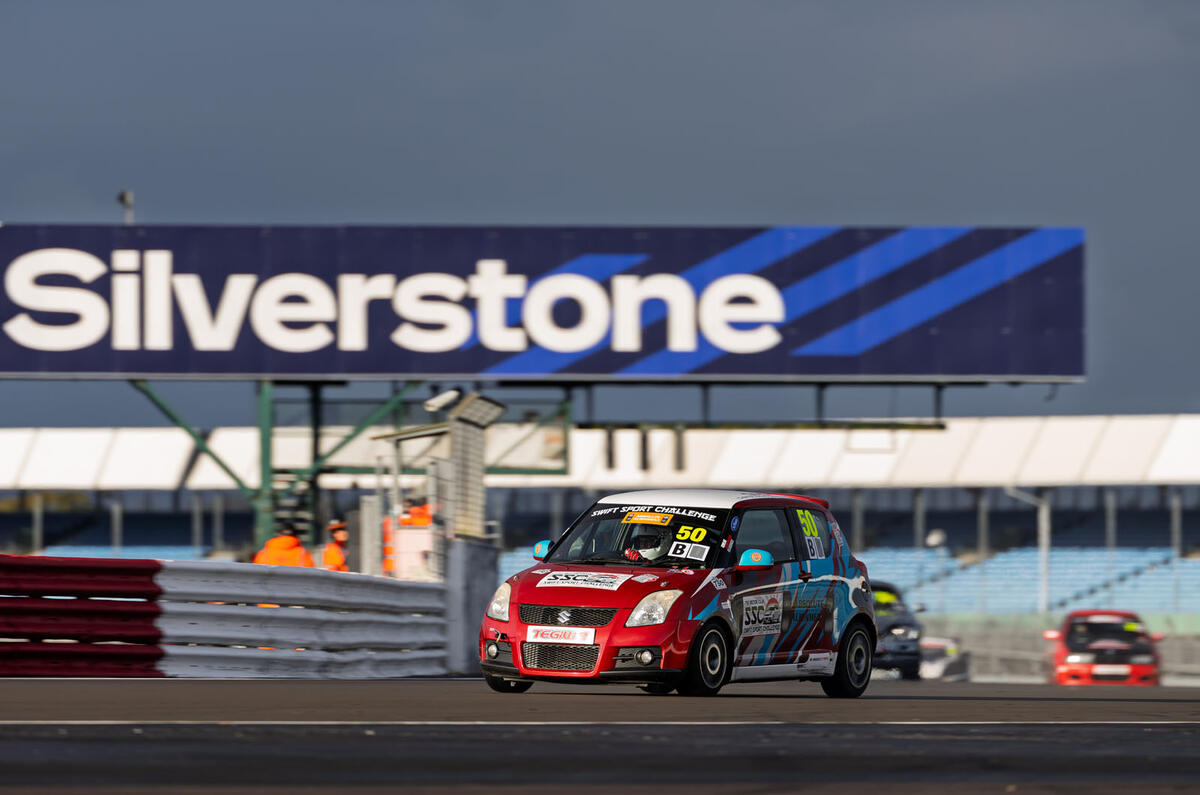
This format creates a unique tactical environment. Teams must manage not only fuel and tire wear but also the mechanical reliability of several different vehicles. If one car suffers a terminal mechanical failure, the team can continue the race provided they have other vehicles and drivers ready to take over. This ensures a high finishing rate; in the most recent iteration, the vast majority of the 67 entered teams successfully completed the six-hour duration.
The complexity arises from the classification and scoring. While there is an "all-comers" scratch winner—the team that physically completes the most laps—the "true" winner of the Birkett is determined by the handicap results. This system uses "Credit Laps" assigned by a handicapper based on the known performance potential of the cars and drivers in each team. The goal is to ensure that a team of Suzuki Swifts has as much chance of winning overall as a team of Caterham 420Rs or BMW M3s.

Technical Diversity and the Suzuki Swift Sport Challenge
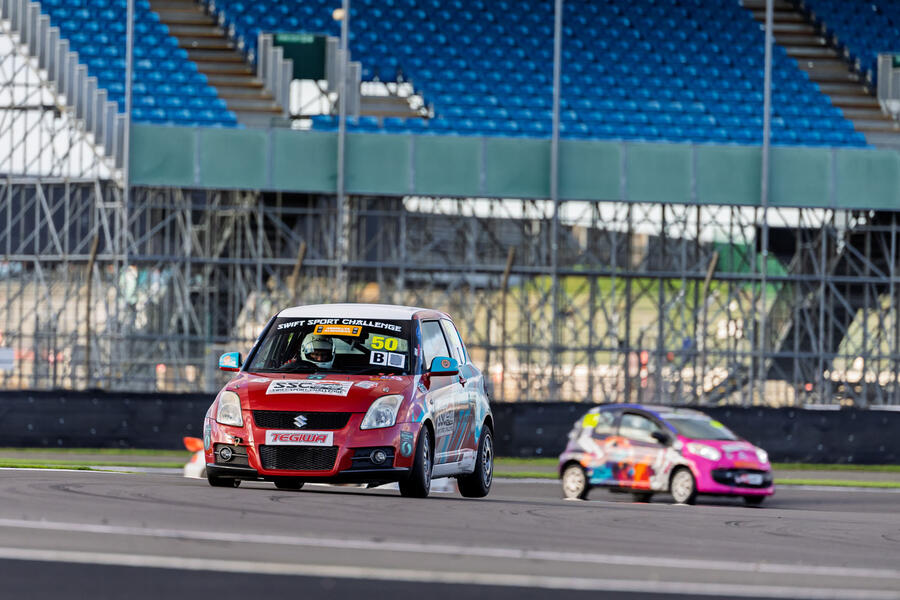
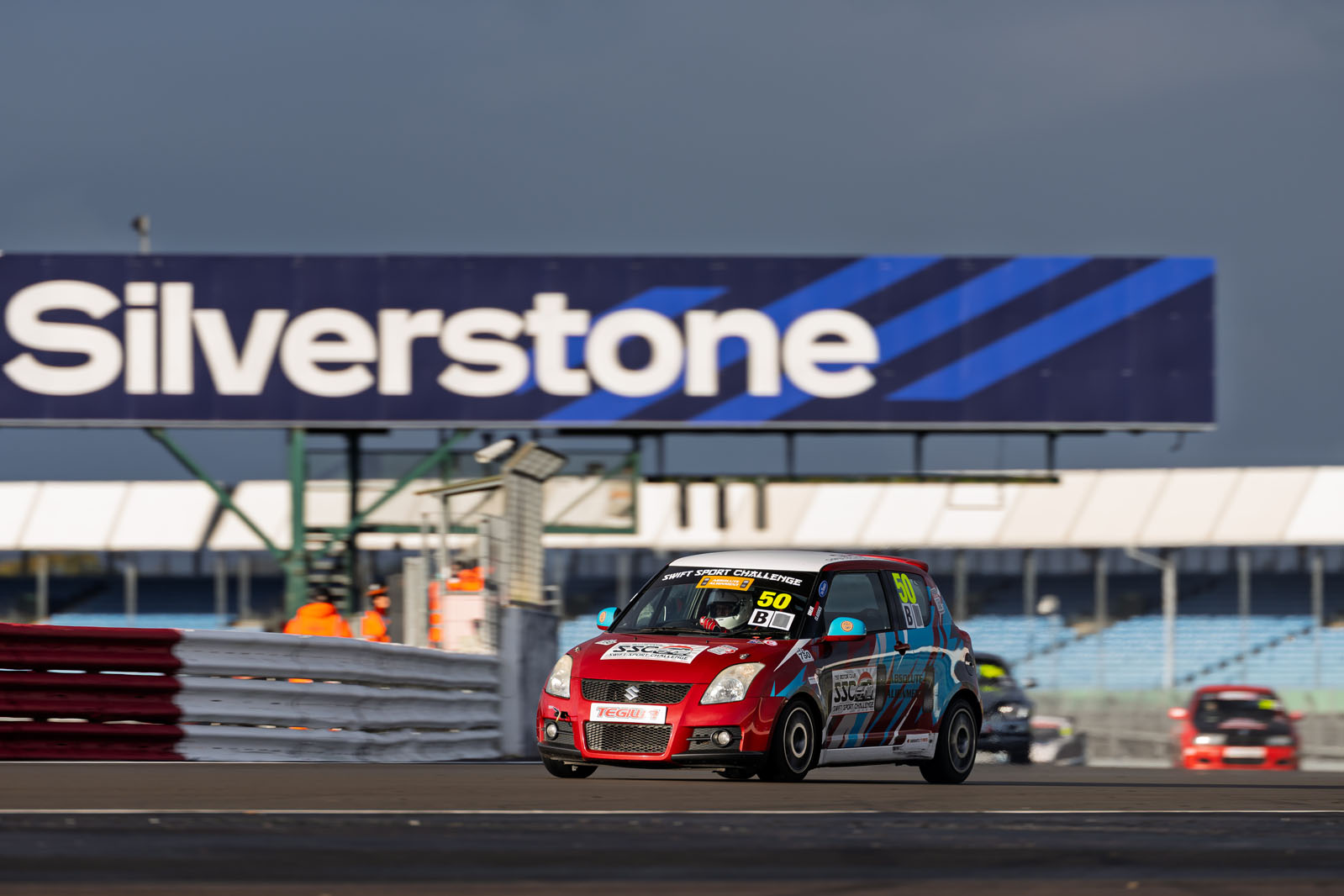
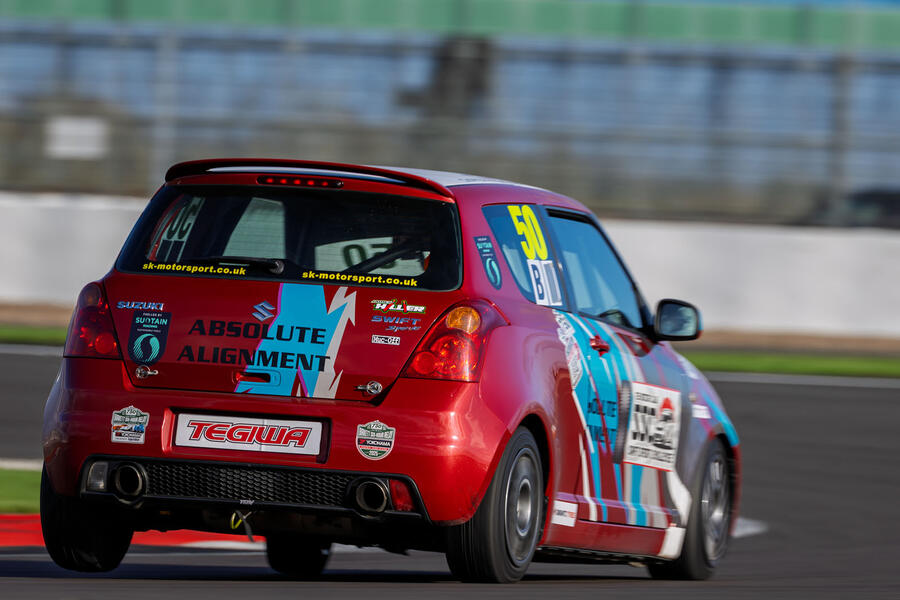
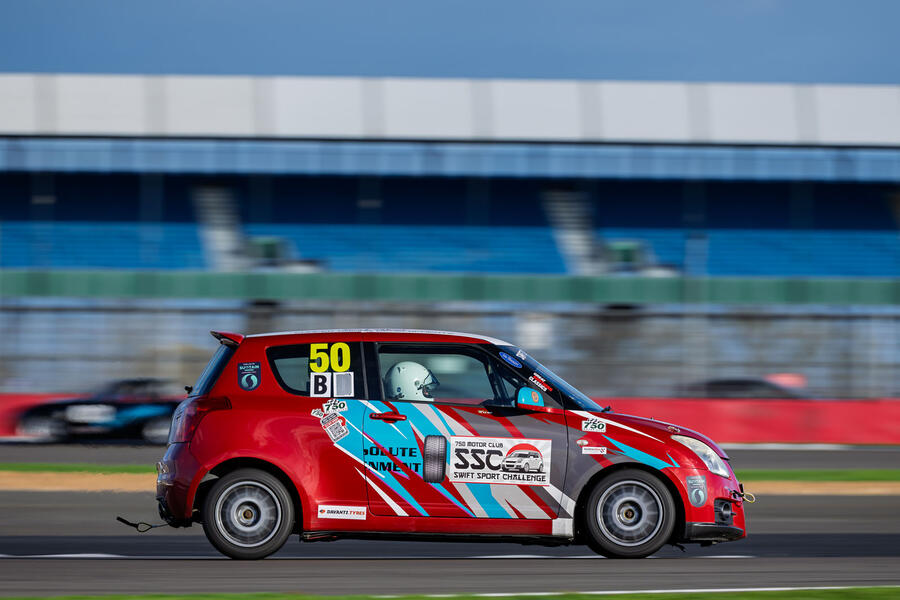
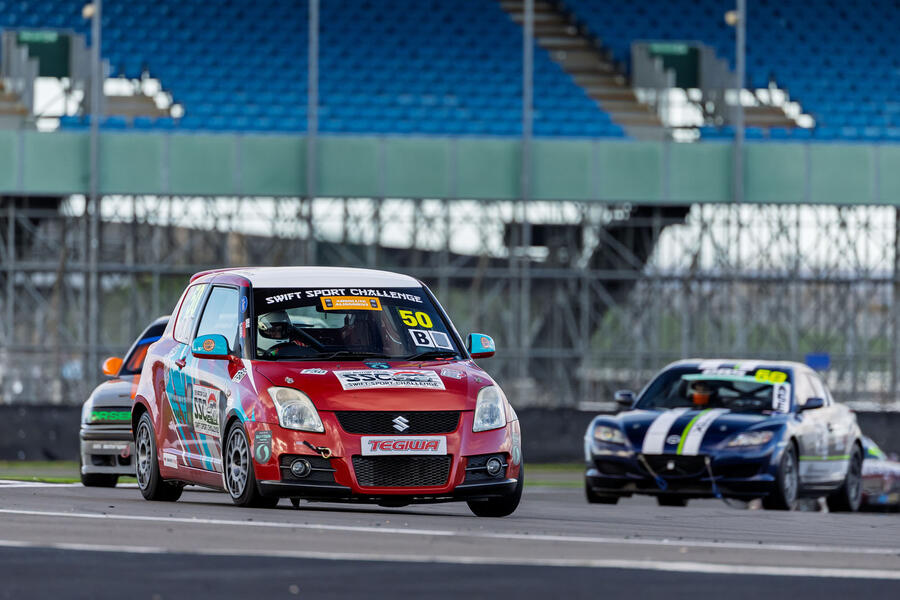
The 2024 field showcased the extreme breadth of the UK club racing scene. Among the entries was a notable team featuring a Suzuki Swift Sport Challenge car, fielded by the 750MC itself. The Swift Sport Challenge is a relatively new one-make series designed to provide a low-cost pathway into circuit racing. The cars are based on the standard Suzuki Swift Sport, utilizing the 1.4-liter Boosterjet turbocharged engine.
Mechanical modifications in this class are strictly regulated to keep costs down. The engines remain largely stock, while the interior is stripped to reduce weight. Essential safety upgrades include a comprehensive roll cage, a racing seat mounted low in the chassis for a better center of gravity, a multi-point harness, and an integrated fire suppression system. Despite these race-ready adjustments, many of these vehicles remain road-legal, allowing competitors to drive their race cars to the circuit—a rarity in modern motorsport.
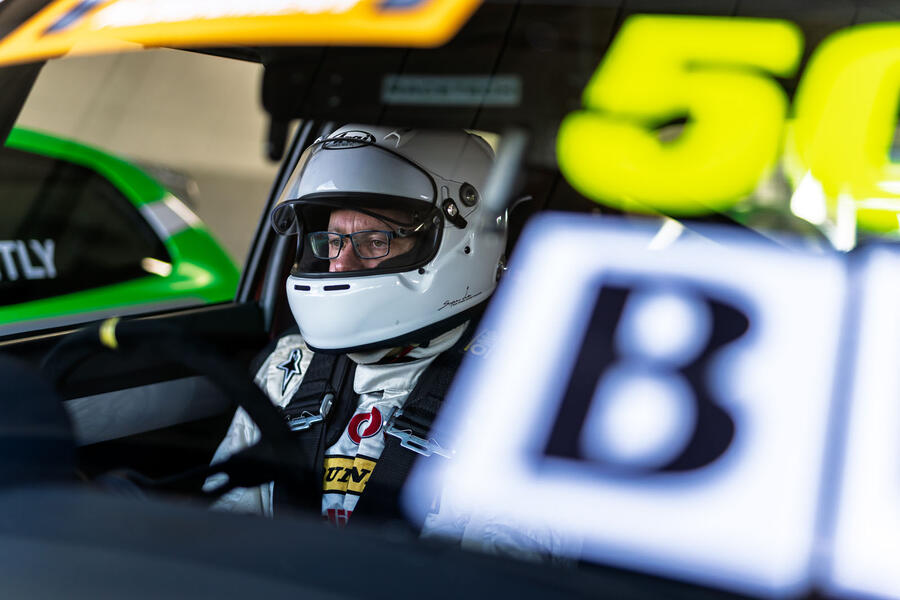
In the Birkett event, the Swift was paired with two Honda Civic Type Rs from the 750MC’s Type R Trophy. This created a significant performance disparity within the same team. The Civics, featuring highly tuned induction systems and race-specific suspension setups, were significantly faster than the Swift. Under the handicap rules, this diversity placed the team in Class A. Other teams consisted of uniform fleets, such as four identical Caterhams in Class D or a quartet of Renault Clios.
The Logistics of a Six-Hour Marathon
The scale of the Birkett Relay necessitates the use of the Silverstone GP circuit, as its 3.66-mile length is one of the few in Britain capable of safely accommodating nearly 70 cars of varying speeds simultaneously. The traffic management required by drivers is immense. A driver in a 140-horsepower Suzuki Swift must constantly monitor their mirrors for high-speed prototypes and Caterhams, while the faster drivers must navigate a "rolling chicane" of slower hatchbacks.
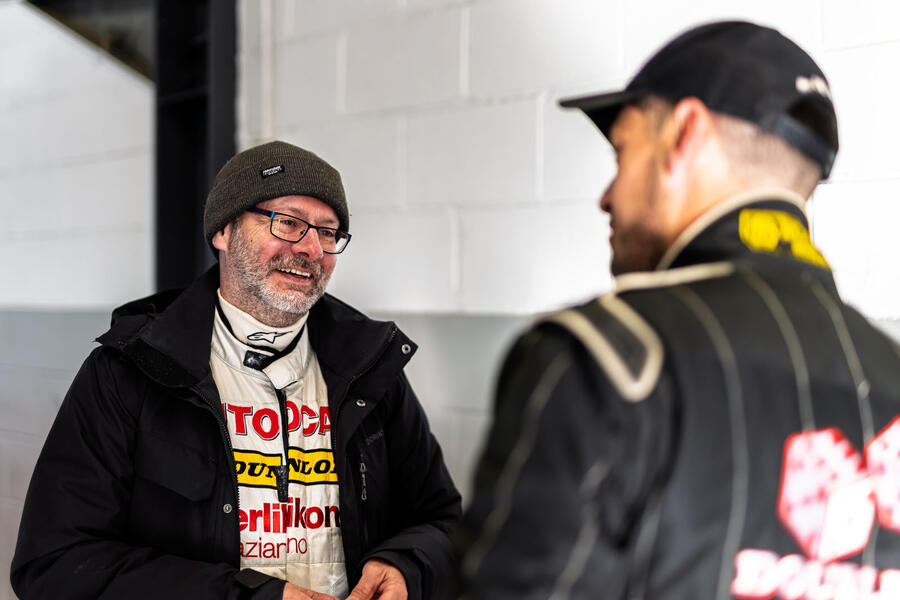
Strategy is largely dictated by the "pit board." Because many budget-conscious teams forego expensive radio communication systems, drivers rely on traditional hand signals and boards shown from the pit wall to know when to conclude their stint. In the event of a breakdown or a safety car period, the "relay" nature of the race allows for rapid tactical shifts, but it also adds to the confusion regarding the live standings.
During the race, live timing screens in the garages provide a "theoretical" leaderboard with handicap adjustments applied in real-time. However, these figures are subject to final scrutiny by the adjudicators. Factors such as "breakout" times—where a car consistently laps faster than its predicted handicap speed—can result in penalties or lap deductions, ensuring that teams cannot "sandbag" during qualifying to receive a more favorable handicap.
Economic Analysis of Club Motorsport
The Birkett Relay serves as a prominent advertisement for the affordability of the 750 Motor Club’s offerings. At a time when professional motorsport costs are escalating, the Suzuki Swift Sport Challenge and similar series offer a pragmatic alternative.
Industry data suggests that a used donor car for the Swift series can be acquired for approximately £1,500. The cost to "prep" the car to racing standards—including the cage, suspension, and safety gear—typically ranges between £6,000 and £7,000. When distributed across a season, and considering the car’s resale value and its dual-purpose nature as a road car, the entry barrier is significantly lower than that of Ginetta or Porsche one-make series. Entry fees for 750MC events are also kept at a minimum to encourage participation from hobbyists.
This accessibility attracts a wide demographic. The recent event saw professional athletes like Dakar and Isle of Man TT rider James Hillier making his four-wheeled racing debut, alongside celebrity enthusiasts like Michelin-starred chef Tom Kerridge. The presence of such figures highlights the event’s status as a "bucket list" race for those within the automotive community.
Race Conclusion and Impact
As the sun set over Silverstone, the final hour of the race became a frantic sprint. For the 750MC team, the strategy involved using the faster Honda Civics to maintain a high lap count while ensuring the Suzuki Swift completed its required stints. However, the final calculations proved to be the team’s undoing.
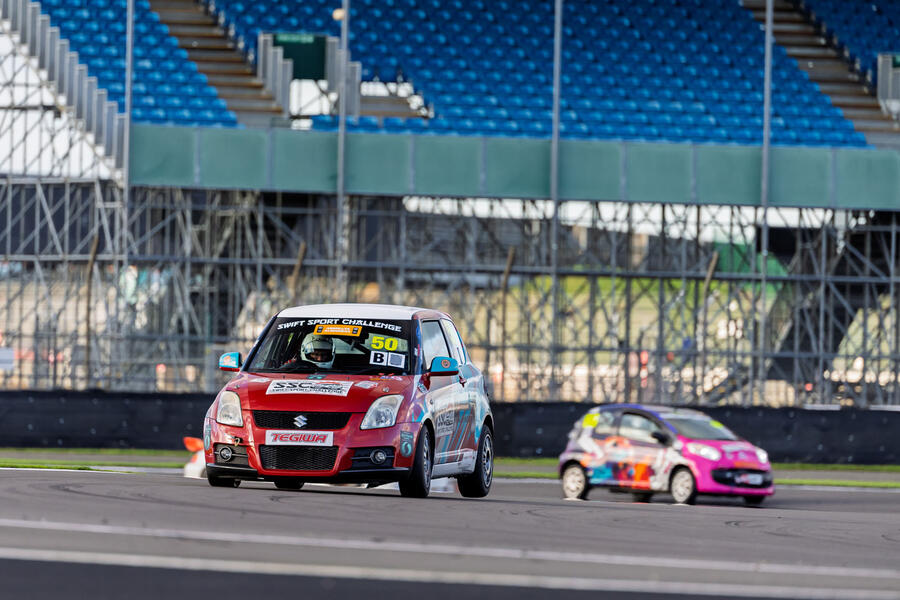
The adjudicators’ post-race review determined that the distribution of time spent on track between the slow and fast cars did not align perfectly with the handicap expectations. Consequently, the team, which had been hovering near a podium position in the provisional standings, was classified 7th overall after the final adjustments.
Despite the inherent confusion of the scoring system, the Birkett Relay remains a vital part of the UK’s racing heritage. It provides a unique platform for team-building and tactical execution that individual sprint races lack. Furthermore, it reinforces the health of the 750 Motor Club, which continues to see strong entry lists despite economic pressures on the hobbyist sector.
The broader implications of the Birkett Relay suggest a robust future for grassroots motorsport. By prioritizing variety, inclusivity, and technical ingenuity over pure financial might, the event preserves the spirit of Holland Birkett’s original vision. While it may remain the "most confusing race" in the country, its enduring popularity confirms that for many, the thrill of the six-hour relay at Silverstone is worth the mathematical headache. For the drivers and teams involved, the Birkett is less about the final trophy and more about the collective effort of keeping a car—any car—on the limit for six hours at the home of British motor racing.