



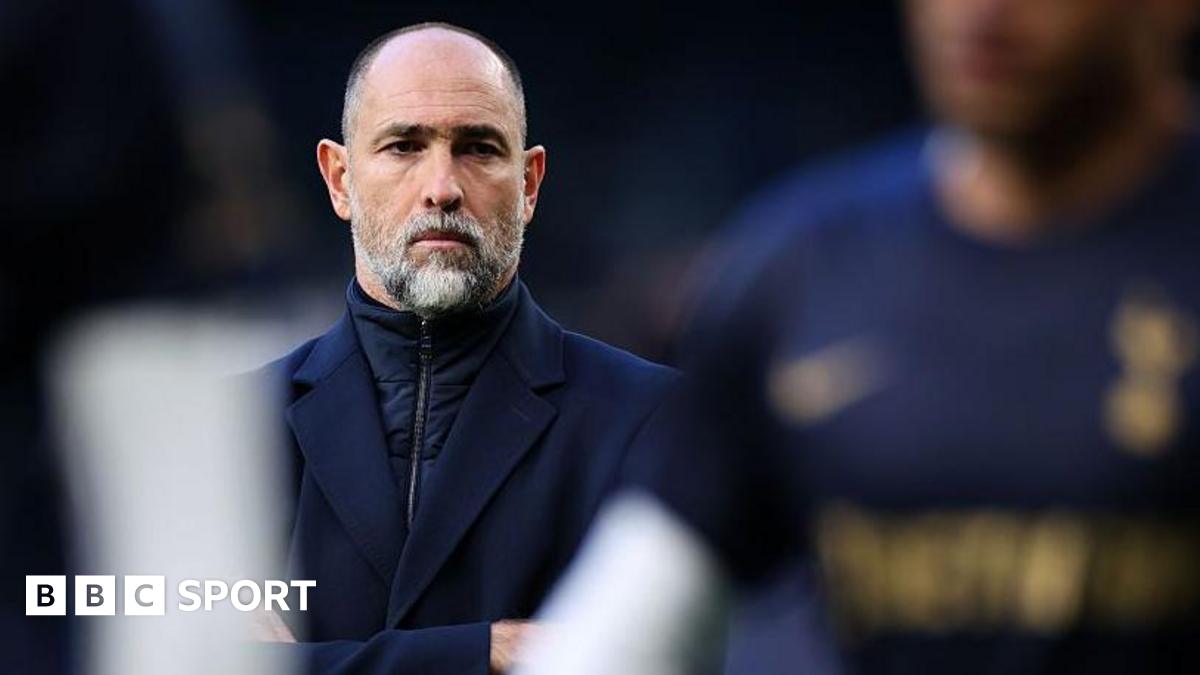
Tottenham Hotspur’s interim manager, Igor Tudor, has unequivocally stated that steering the club away from the Premier League relegation zone represents the most formidable challenge of his managerial career. With 11 crucial fixtures remaining in the current campaign, Spurs find themselves precariously perched in 16th place in the league standings, accumulating a mere 29 points. This precarious position leaves them just four points adrift of the dreaded drop, a stark contrast to the club’s usual ambitions of competing for European qualification. The recent demoralizing 4-1 home defeat at the hands of fierce North London rivals Arsenal, a result that amplified existing concerns, has underscored the gravity of the situation.
The financial ramifications of relegation for a club of Tottenham’s stature are immense. Estimates suggest that a fall into the Championship could result in an annual revenue collapse of approximately £260 million. This stark economic reality adds a significant layer of pressure to Tudor’s already demanding task. The Croatian tactician, who was appointed to the helm this month following the departure of Thomas Frank, brings a wealth of experience from previous managerial stints at prominent European clubs including Juventus, Lazio, Marseille, Galatasaray, and Udinese. Despite this extensive background, Tudor admits the current predicament at Tottenham presents an unprecedented level of difficulty.
When questioned about whether this rescue mission was the most significant he had undertaken, Tudor responded with a measured but direct affirmation. "Probably, if I see, if I recognise the difficulties there are, probably, yes," he stated, acknowledging the unique pressures and complexities of the current scenario. His assessment highlights the depth of the challenge, one that transcends typical managerial assignments and demands an extraordinary level of resolve and strategic acumen.
The path ahead for Tottenham is fraught with potential pitfalls, with a series of critical fixtures that will test the team’s resilience. Their upcoming schedule includes a challenging away trip to Fulham, followed by a visit to bottom-of-the-league Wolves. Crucially, Tottenham will also host fellow relegation battlers Crystal Palace, Brighton & Hove Albion, Nottingham Forest, and Leeds United at the Tottenham Hotspur Stadium. These encounters represent direct six-pointer opportunities, where every point gained could prove decisive in the survival fight. However, with only two home league victories to their name this season, Tudor, 47, has candidly described the team’s objective in stark, sporting terms: "a question of life or death."
The Grim Reality of the League Table
As of the latest Premier League standings, Tottenham Hotspur occupies the 16th position with 29 points. This places them in a precarious situation, significantly below the mid-table comfort zone and alarmingly close to the relegation zone. The teams directly above the drop are Leicester City (28 points), Everton (29 points), and Leeds United (29 points), all of whom are engaged in their own desperate battles for survival. The proximity of these teams in the table suggests that the relegation picture could shift dramatically with each passing gameweek.
The recent form of Tottenham has been a significant contributing factor to their current standing. The club has not secured a Premier League victory since December 28th, a dismal run that has seen them slide down the table. This prolonged winless streak, coupled with a growing injury crisis that sidelined 11 players for their most recent fixture, has compounded the managerial challenges faced by Tudor.
Tudor’s Strategic Shift: Pragmatism Over Panache
In light of the urgent need for positive results, Tudor has signaled a potential shift in tactical philosophy. He acknowledged that the pursuit of attractive, attacking football might need to take a backseat to a more pragmatic approach focused solely on securing points. "You need to think about the style," he mused when discussing the team’s upcoming matches. "Is it the right style? Is it the right way how you go and go how you want? So you need to be smart to understand deeper the moment and the way how to take the points, even not looking to the style now at this moment. So the style I need to be in the second moment, just because now it’s a question of life and death, if I can say that in that way, sportingly. Let’s figure that out."
This statement underscores a manager prioritizing survival above all else. In a high-stakes relegation battle, particularly for a club of Tottenham’s magnitude, the emphasis inevitably shifts from aesthetic appeal to sheer effectiveness. Tudor’s pragmatism suggests a willingness to employ any tactical means necessary to achieve the ultimate goal of staying in the top flight. This could involve a more defensive setup, an increased focus on set-pieces, or a direct style of play designed to exploit opponents’ weaknesses and grind out results, even if it means sacrificing the flair that fans have come to expect.
The Weight of Expectation and Financial Peril
The pressure on Tudor is amplified by the significant financial implications of relegation. A drop to the Championship would not only mean a loss of lucrative broadcasting revenue and sponsorship deals but also a potential exodus of star players unwilling to play outside the Premier League. The estimated £260 million annual revenue shortfall highlights the existential threat to the club’s long-term financial stability and competitive standing. This economic reality adds a considerable burden to the sporting objective, making Tudor’s task not just about footballing pride but also about the very financial health of the club.
The club’s fanbase, accustomed to witnessing Tottenham compete at the highest level, will be anxiously observing every development. The recent derby defeat to Arsenal, while perhaps an expected outcome against a superior side, has undoubtedly heightened anxieties and placed an increased spotlight on the team’s performance and the manager’s strategy. The coming weeks will be a true test of character for both the players and the coaching staff, as they navigate the turbulent waters of a relegation dogfight.
The Road Ahead: Key Fixtures and the Injury Hurdle
The upcoming fixture list presents a daunting prospect for Tudor and his squad. The away fixture against Fulham, while against a team also battling for points, is a crucial opportunity to start building momentum. The visit to Wolves, currently rooted to the bottom of the table, offers a chance for a vital win, but even these fixtures against struggling sides are never guaranteed three points in the Premier League.
The real test will come in the home fixtures against fellow strugglers like Crystal Palace, Brighton, Nottingham Forest, and Leeds. These are the matches where Tottenham must demonstrate their mettle and secure the points necessary to pull away from the danger zone. The club’s dismal home record this season, with only two wins at the Tottenham Hotspur Stadium, will need a dramatic reversal for them to achieve their survival goal.
The ongoing injury crisis further complicates Tudor’s task. With 11 players unavailable for the recent Arsenal clash, the squad depth is being severely tested. The return of key players from injury could provide a significant boost, both in terms of quality and morale. However, Tudor will need to find ways to maximize the performance of the available players and adapt his tactics accordingly. The physical and mental conditioning of the squad will be paramount in the coming weeks, as fatigue and pressure inevitably mount.
Tudor’s Philosophy: Daily Work and Inner Focus
Despite the daunting circumstances, Tudor remains resolute in his approach. He emphasizes the importance of consistent daily effort and an internal focus on what the team can control. "Very tough, but it is what I said before, I don’t change my opinion," he reiterated. "So daily work, focus on all the things we need to do – physical condition, mental condition, performance and waiting on players to come back. So we need to be focused on us, what we can do, less thinking about others and it should be good."
This unwavering commitment to the process, irrespective of external pressures or the perceived difficulty of the task, is a hallmark of a determined manager. Tudor’s strategy hinges on meticulous preparation, fostering a strong team spirit, and ensuring that every player is mentally and physically prepared for the battle ahead. By focusing on their own performance and limiting their attention to the outcomes of other teams, Tottenham aims to build a resilience that can see them through this challenging period. The mantra of "daily work" suggests a belief that consistent effort and incremental improvements will ultimately lead to the desired outcome, even in the face of adversity. This disciplined approach, coupled with a clear understanding of the "life or death" stakes, forms the bedrock of Tudor’s strategy as he attempts to navigate Tottenham Hotspur through their most perilous season in recent memory. The coming weeks will reveal whether his conviction and the team’s dedication can rewrite their narrative from potential relegation to survival.