



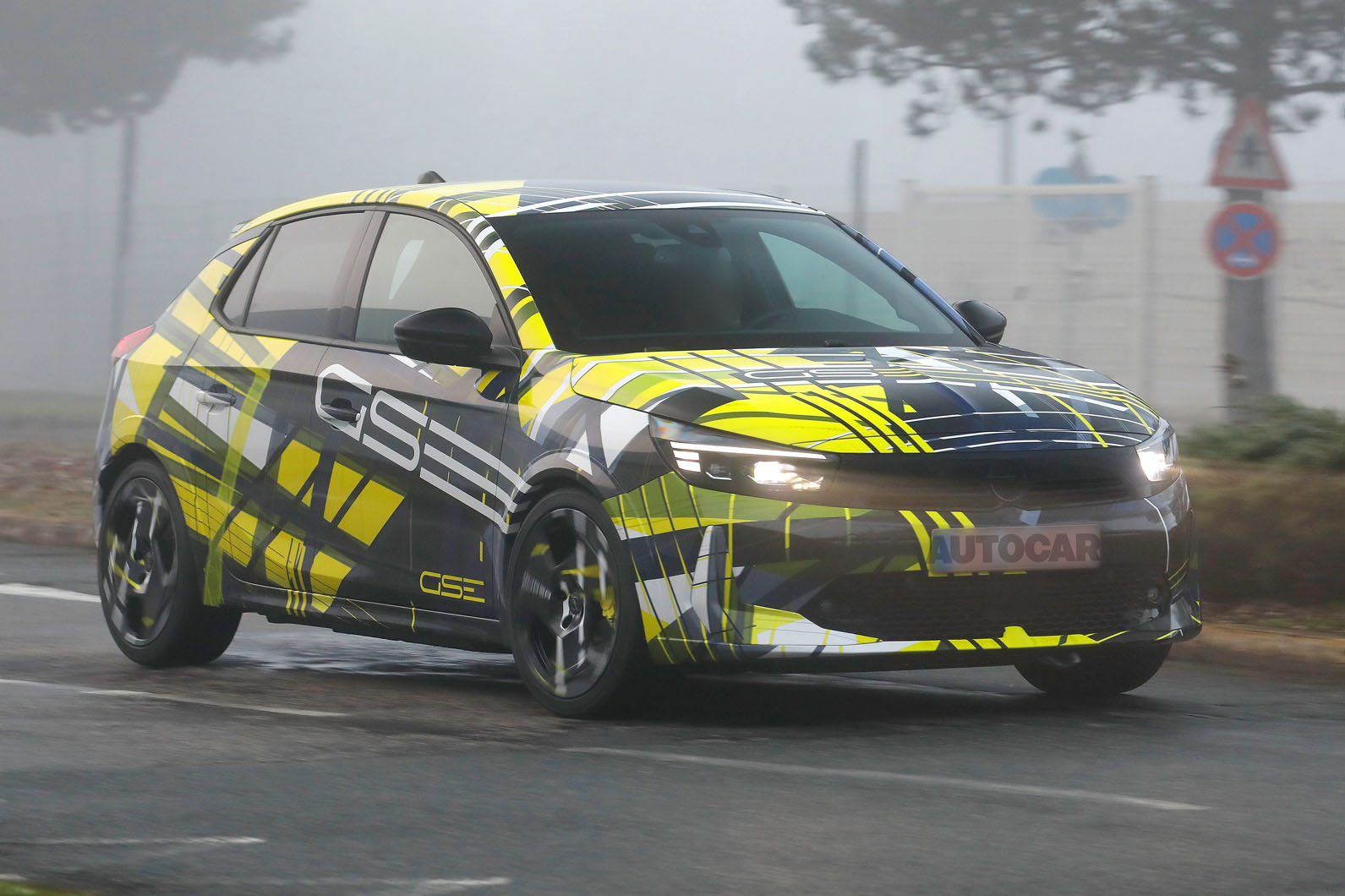
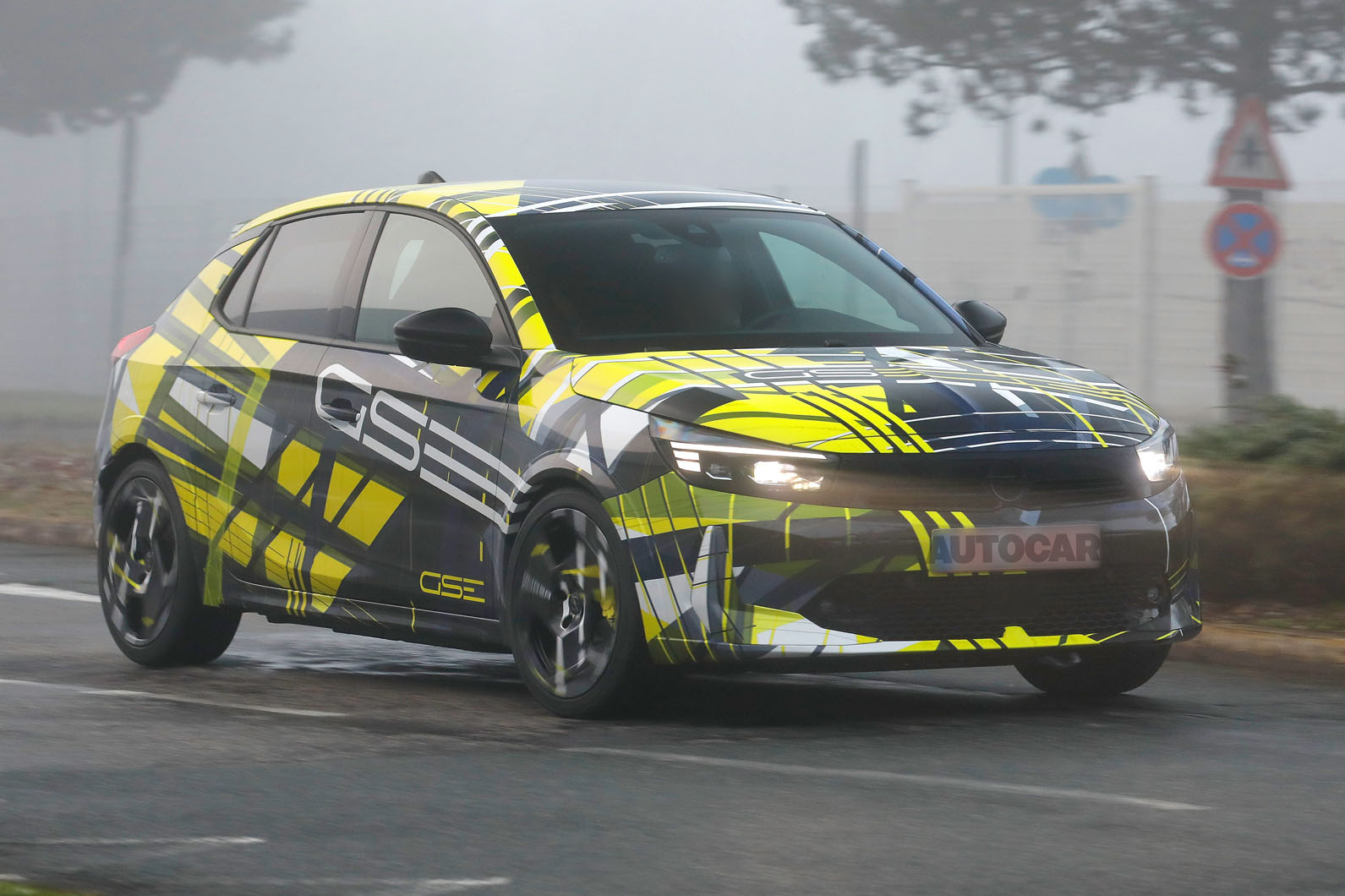
The automotive landscape is witnessing a significant shift as the traditional internal combustion engine performance hatchback transitions into the electrified era, and the Vauxhall Corsa GSE is poised to become a central figure in this evolution. Recent sightings of a heavily camouflaged prototype testing on public roads have provided the clearest indication yet of Vauxhall’s intentions for its flagship electric hatchback. Although the test vehicle was adorned in a striking GSE-themed livery designed to obscure specific body lines, the fundamental changes to the vehicle’s architecture and aerodynamic profile are unmistakable. This upcoming model represents more than just a trim level; it is a comprehensive mechanical and aesthetic overhaul of the UK’s best-selling small car, aiming to recapture the spirit of the defunct VXR sub-brand through the lens of modern electrification.
Design and Aerodynamic Refinements
The Corsa GSE distinguishes itself from the standard Corsa Electric through a series of purposeful styling modifications that prioritize both cooling and aerodynamic efficiency. At the front, the prototype reveals a significantly more aggressive "vizor" treatment, a signature of Vauxhall’s modern design language. This is complemented by a prominent front chin spoiler that sits lower to the tarmac, designed to reduce underbody turbulence and increase front-end grip at higher speeds. The cooling apertures in the lower bumper appear enlarged, likely to manage the thermal demands of a high-output electric motor and its associated power electronics.
The side profile of the GSE prototype highlights its widened track. Chunky wheel-arch extensions have been integrated to accommodate larger, performance-oriented wheels. The wheels themselves follow a distinctive three-spoke design, a nod to retro performance aesthetics while maintaining modern aerodynamic properties. Observations of the prototype suggest a notable degree of negative camber, particularly on the front axle. This "touring car-like" stance is a clear indicator of a chassis tuned for cornering precision rather than just straight-line speed. By angling the wheels inward at the top, engineers can maximize the contact patch of the tire during heavy cornering, reducing understeer—a common challenge for heavy, torque-rich electric vehicles.
Technical Specifications and Shared Architecture
While Vauxhall has officially remained tight-lipped regarding the specific technical data for the Corsa GSE, the vehicle’s development is inextricably linked to the Stellantis group’s "Perfo-eCMP" architecture. This platform already underpins several high-performance models within the conglomerate’s portfolio. It is widely expected that the Corsa GSE will utilize the same powertrain found in the recently unveiled Mokka GSE and the Alfa Romeo Junior Elettrica Veloce.
This setup features a front-mounted synchronous electric motor producing 277bhp (207kW) and approximately 345Nm of torque. To ensure this power is effectively transmitted to the road, the Corsa GSE is slated to include a Torsen limited-slip differential. The inclusion of a mechanical LSD is a critical differentiator for the GSE; it allows for better torque distribution between the front wheels, mitigating the "scrubbing" effect often felt in high-torque front-wheel-drive EVs and allowing the driver to power out of corners with greater stability.
Battery technology is expected to center around a 54kWh (51kWh usable) lithium-ion pack. In the standard Corsa Electric, this battery provides a range of up to 248 miles. However, the GSE’s performance-oriented tuning, wider tires, and increased drag from aerodynamic components may result in a slightly lower range figure. For comparison, the larger Mokka GSE offers approximately 201 miles of range. Given the Corsa’s smaller frontal area and lower curb weight—likely falling well below the Mokka’s 1597kg—analysts predict the Corsa GSE could achieve a range in the region of 215 to 225 miles, balancing "hot hatch" thrills with daily usability.
Chassis Engineering and Dynamic Handling
The transition from a standard hatchback to a GSE-badged performance model involves more than just a power boost. The Corsa GSE will benefit from a heavily reworked suspension system. Taking cues from its Mokka sibling, the Corsa is expected to feature unique front suspension knuckles. these components are designed to alter the steering geometry and provide the necessary clearance for the wider 18-inch or 19-inch alloy wheels.
Furthermore, the GSE will likely incorporate:
- Revised Steering Rack: A quicker ratio to provide more immediate feedback and a "pointier" feel through the steering wheel.
- Upgraded Anti-Roll Bars: Thicker bars at both the front and rear to minimize body roll during high-speed transitions.
- Tauter Bushings: The rear suspension, typically a twist-beam setup in this segment, will use stiffer bushings to improve lateral stability and reduce toe-change under load.
- Frequency Selective Damping (FSD): There is speculation that Vauxhall may utilize Koni FSD dampers, which allow the car to remain comfortable over minor road imperfections while firming up during aggressive maneuvers to provide better body control.
Interior Cabin and Driver Engagement
Inside the cabin, the Corsa GSE is designed to reflect its performance credentials without sacrificing the digital integration expected of a modern EV. Spy photos and reports suggest the interior will be dominated by single-piece bucket seats, similar to those found in the Mokka GSE. These seats, often trimmed in Alcantara with GSE-specific neon green or red stitching, offer significantly more lateral support than the standard chairs, ensuring the driver remains planted during spirited driving.
The digital interface will consist of a 10-inch infotainment screen and a matching digital instrument cluster. It is expected that the GSE will feature unique software "skins" or telemetry displays, allowing drivers to monitor motor temperature, G-forces, and real-time power delivery. Despite the focus on performance, Vauxhall is likely to retain physical controls for the climate system, a move praised by enthusiasts for its ease of use compared to purely touch-sensitive interfaces.
Historical Context and the Return of the Hot Hatch
The arrival of the Corsa GSE marks a significant milestone in Vauxhall’s history. It is the first dedicated performance-focused Corsa since the Corsa VXR was phased out in 2019 due to tightening emissions regulations. The "GSE" moniker (Grand Sport Electric) serves as a modern successor to the "GTE" and "VXR" badges of the past.
Vauxhall’s lineage of performance small cars is extensive, dating back to the Chevette HSR of the late 1970s and early 1980s, which was developed for homologation in rallying. This was followed by the Nova GTE and eventually the Corsa GSi and VXR models. For decades, these cars provided affordable performance for a generation of British drivers. The Corsa GSE aims to fulfill that same role in a carbon-neutral world, proving that the shift to electric propulsion does not necessitate the end of driving engagement.
Competitive Landscape and Market Positioning
The Corsa GSE will enter an increasingly crowded market for electric performance cars. Its primary rivals will include:
- Alpine A290: The performance version of the new Renault 5, which emphasizes lightweight agility and French flair.
- Abarth 600e: A sibling within the Stellantis family that shares the same 277bhp motor but offers a more extroverted, Italian design approach.
- MG4 XPower: While larger, the MG4 offers significantly more power (429bhp) at a similar price point, though it lacks the focused, lightweight "hot hatch" feel that the Corsa GSE promises.
- Mini Cooper SE: The traditional benchmark for small car handling, which recently received a major update.
Pricing for the Corsa GSE is expected to start at approximately £35,000. This places it at the top of the Corsa hierarchy, sitting above the current flagship Electric 156PS Ultimate, which retails for £33,720. At this price point, Vauxhall is positioning the GSE as a premium but attainable performance tool, aimed at younger professionals and enthusiasts who are ready to transition to EVs but are unwilling to sacrifice the "fun-to-drive" factor.
The Stellantis Synergy Strategy
The development of the Corsa GSE is a prime example of the Stellantis group’s platform-sharing strategy. By utilizing a standardized high-performance electric drivetrain across the Peugeot 208 GTi, Abarth 600e, and Alfa Romeo Junior, the group can achieve economies of scale that make low-volume performance models financially viable.
However, each brand is tasked with "flavoring" the platform to suit its identity. For Vauxhall, this means a focus on "Greenovation" and a balance between German-engineered precision (through its Opel sister brand) and British road tuning. The Corsa GSE will likely be tuned specifically for the unique, often bumpy nature of UK B-roads, a traditional hallmark of Vauxhall’s performance division.
Anticipated Launch and Future Implications
The full unveiling of the Vauxhall Corsa GSE is scheduled for later this year, with deliveries expected to commence in early 2025. This launch is a critical component of Vauxhall’s commitment to becoming an electric-only brand by 2028.
The success of the Corsa GSE will serve as a bellwether for the brand’s future. If Vauxhall can prove that an electric hatchback can be as engaging and desirable as its petrol-powered predecessors, it will pave the way for more GSE models, potentially including an Astra GSE or even a dedicated electric sports car in the future. As the prototype continues its final rounds of testing, the automotive world watches closely to see if this 277bhp electric hatch can truly reignite the passion for the "hot hatch" in the age of the battery.