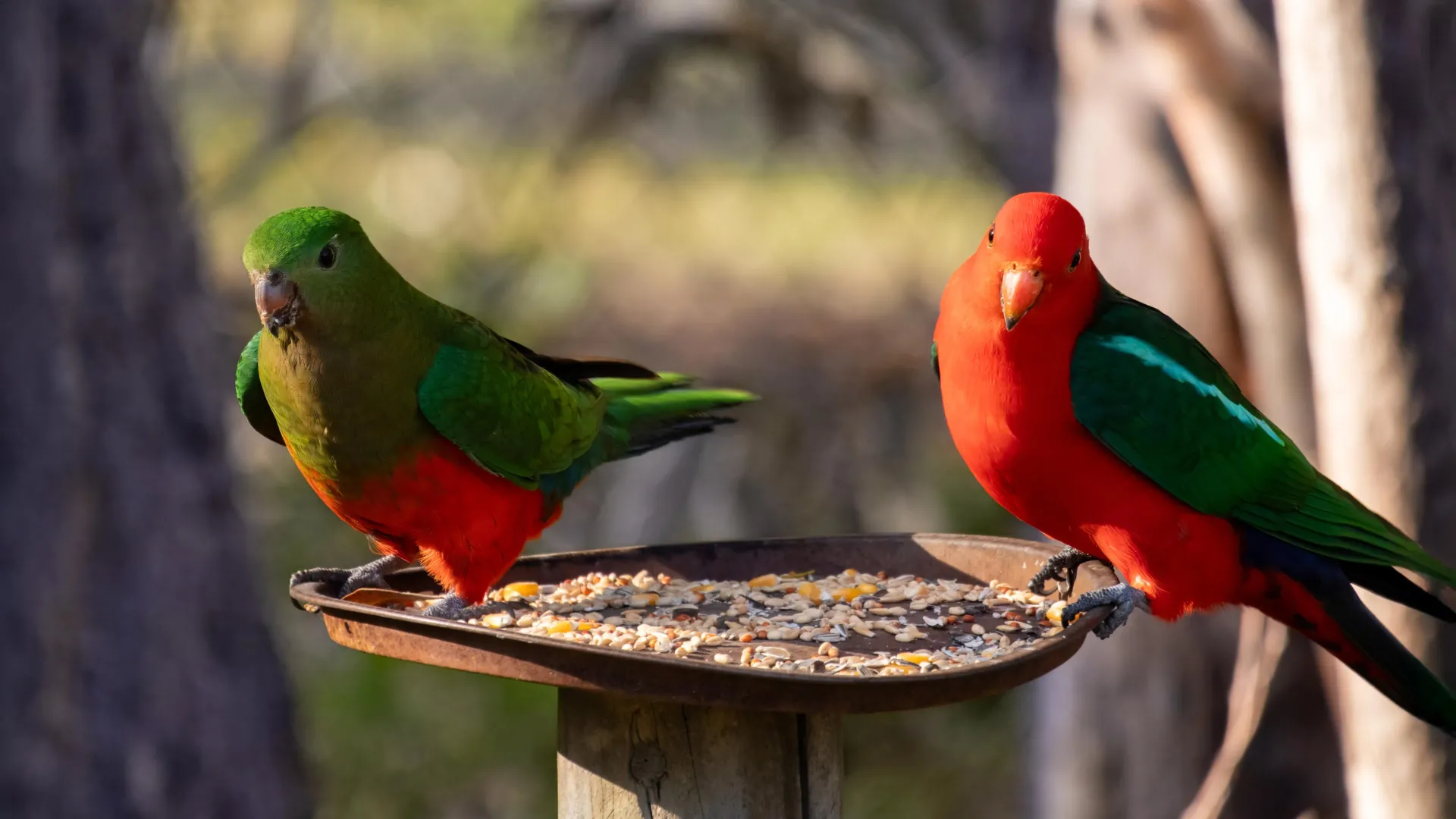
Australia’s beloved pastime of backyard bird feeding, enjoyed by approximately half of all households with many engaging in the activity daily, is facing unprecedented scrutiny as the highly pathogenic H5N1 avian influenza virus continues its devastating spread across the continent. What was once a simple act of connecting with nature is now being identified as a potential accelerant for superspreader events, significantly increasing the risk of disease transmission among wild bird populations and, to a lesser extent, posing a risk to human health. The deadly strain of bird flu, which has already decimated wild bird and mammal populations globally, has recently seen alarming outbreaks in Australia, including the deaths of over 1,000 crested terns and the first documented mainland mammal infection in a long-nosed fur seal.
The Dual Nature of Bird Feeding: Connection and Contagion
For generations, Australians have found joy and solace in feeding wild birds. The motivations are varied, ranging from a desire to support avian populations during challenging periods to the simple pleasure of observing feathered visitors in their gardens. Many individuals deeply care for these birds, believing their actions are beneficial. However, this widespread practice, while well-intentioned, has become a focal point for concern among wildlife health experts. The very act of providing supplementary food can inadvertently create conditions ripe for disease amplification.
The core of the issue lies in how feeding stations alter natural bird behaviour and ecological dynamics. In the wild, birds typically forage for food across a wider range, dispersing their presence and minimizing close contact. Supplementary feeding, however, congregates birds from diverse species and in unnaturally high numbers. This close proximity, particularly when food is readily available, creates ideal conditions for pathogens to jump from one individual to another. Research has consistently highlighted the potential for disease transmission at these feeding locations. When birds of various species, some potentially asymptomatic carriers of deadly diseases like H5N1, gather in concentrated numbers, the virus can spread with alarming efficiency.
H5N1’s Escalating Threat in Australia
The current H5N1 outbreak in Australia marks a significant escalation in the threat posed by avian influenza. The virus, known for its high mortality rate in birds, has demonstrated a concerning capacity to infect a broad spectrum of species. Recent reports detailing the deaths of over 1,000 crested terns underscore the severity of the impact on wild bird populations. Furthermore, the detection of H5N1 in a long-nosed fur seal represents a critical milestone, indicating the virus’s ability to spill over into mammalian populations. This event, the first of its kind on mainland Australia, raises profound questions about the virus’s adaptability and its potential to affect a wider array of wildlife.
The implications of H5N1 for Australia’s already vulnerable species are particularly dire. For critically endangered birds, such as the orange-bellied parrot, an outbreak could prove catastrophic, pushing them closer to the brink of extinction. The interconnectedness of ecosystems means that the health of bird populations has ripple effects throughout the environment.
Beyond Birds: Mammalian and Human Risk
The threat posed by H5N1 is not confined solely to avian species. Scavenger animals, including possums, red foxes, and crows, are at risk of contracting the virus by consuming the carcasses of infected birds. This secondary transmission pathway further complicates disease surveillance and control efforts. While human infection with H5N1 is rare, it remains a possibility, particularly for individuals in close contact with infected wildlife. Wildlife carers, veterinarians, and those who handle sick or deceased animals are at a higher risk. Though human cases typically present with mild symptoms, the potential for more severe outcomes cannot be entirely dismissed, necessitating a cautious approach.
A History of Concern and Controversy
The practice of backyard bird feeding has long been a subject of debate within ecological and ornithological circles. Concerns extend beyond disease transmission and include the potential for birds to become reliant on human-provided food sources, leading to a decline in their natural foraging behaviours and a disruption of their nutritional balance. Studies have indicated that while supplementary feeding can provide a temporary boost, most birds derive the majority of their essential nutrients from natural sources like insects and worms. The food offered by humans often serves as a supplement rather than a primary food source.
The Scientific Evidence: Amplifying Transmission
Research published in peer-reviewed journals has provided a robust scientific basis for understanding how backyard bird feeding can exacerbate disease outbreaks. By attracting a diverse array of species to a localized area, feeding stations act as ecological "mixing bowls." Birds that might otherwise maintain a degree of spatial separation are brought into close proximity, facilitating the rapid exchange of pathogens. This phenomenon is akin to a "superspreader event" observed in human populations, where a single infected individual or location leads to a disproportionately large number of subsequent infections.
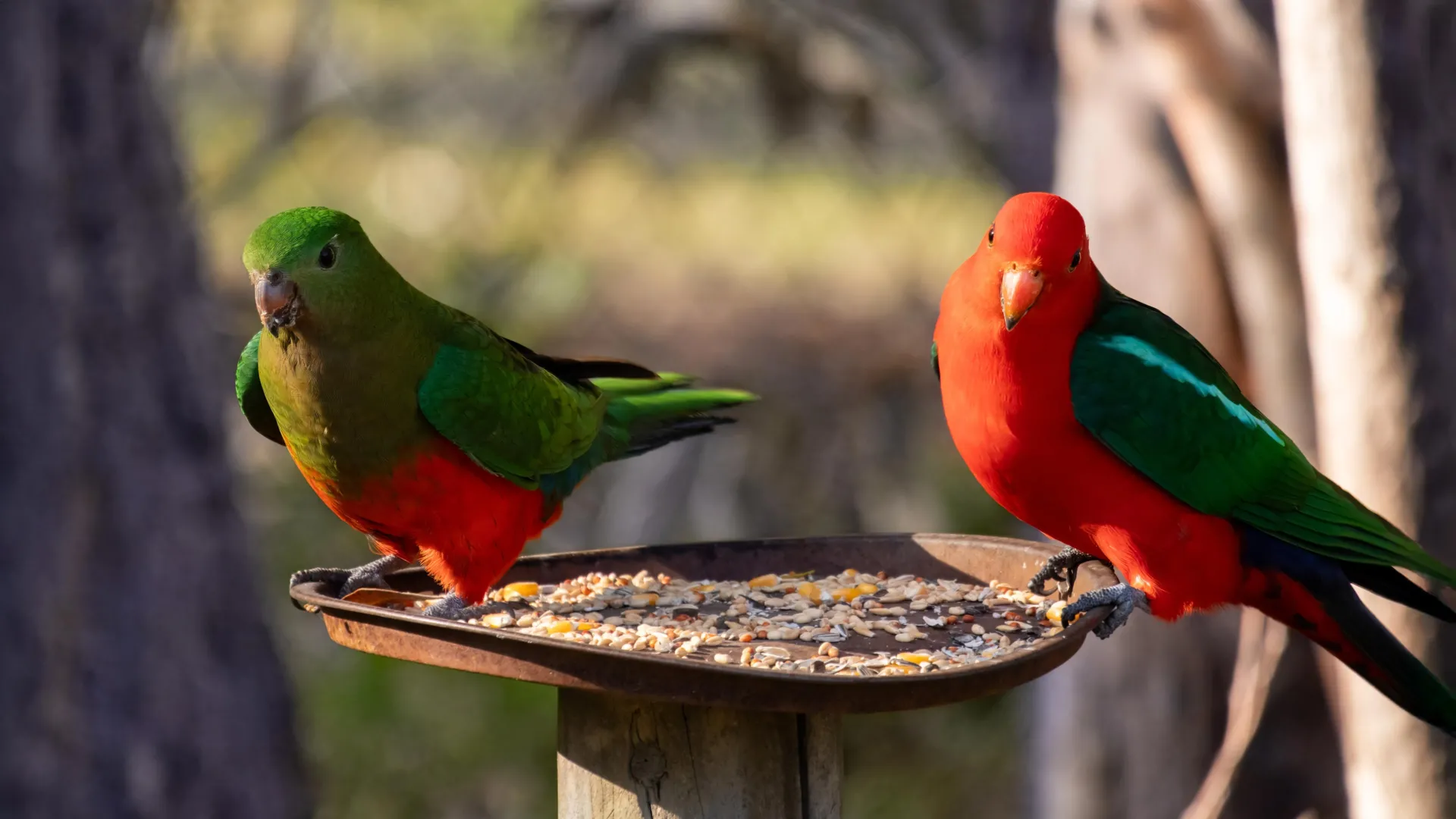
A study published in the Journal of Wildlife Diseases highlighted how common feeding practices, such as the use of communal feeders and the provision of certain types of food, can significantly increase the risk of disease transmission among bird populations. The concentration of birds at feeding sites, coupled with the potential for contaminated food or surfaces, creates a fertile ground for the spread of viruses like H5N1. The implications for conservation efforts are significant, as outbreaks at feeding stations can rapidly decimate local bird populations, particularly those already facing threats from habitat loss and other environmental pressures.
Expert Recommendations: Navigating the Risk
In light of the escalating H5N1 threat, wildlife health authorities and conservation experts are urging a re-evaluation of backyard bird feeding practices. The most effective measure to mitigate the risk of H5N1 transmission through bird feeding is to cease the practice altogether. By removing the artificial food source, the likelihood of birds congregating in backyards diminishes, thereby reducing opportunities for disease spread.
However, recognizing the deep-seated cultural significance of this pastime for many Australians, a set of precautionary measures has been developed for those who choose to continue feeding birds. These recommendations are designed to minimize the congregation of birds and reduce the potential for virus transmission.
Reducing Food Availability
One of the primary drivers of bird congregation at feeding sites is the abundance of food. By offering less food, individuals can discourage large gatherings. This strategy, akin to social distancing measures implemented during human pandemics, helps to maintain greater spatial separation between birds, thereby lowering the probability of H5N1 transmission. It is crucial to understand that supplementary food is typically a "snack" for wild birds, not an essential dietary component.
Eliminating Hand-Feeding
Direct physical contact between humans and wild birds, particularly through hand-feeding, poses an unnecessary risk. While the likelihood of human contraction of H5N1 from birds is low, such intimate interactions should be avoided during periods of heightened disease risk. The potential for virus transmission, however small, is not worth the risk of direct contact.
Rigorous Hygiene Practices
Maintaining strict hygiene is paramount for any individual who continues to feed wild birds. All feeding surfaces, containers, and equipment should be regularly cleaned and disinfected. Domestic bleach is a recommended disinfectant for this purpose. A commitment to thorough cleaning is non-negotiable for responsible bird feeding. Failure to adhere to these stringent hygiene protocols renders the practice potentially harmful.
Broader Implications and Public Health Response
The current H5N1 crisis in Australia underscores the complex interplay between human activities, wildlife health, and public well-being. The widespread nature of backyard bird feeding means that even minor adjustments in individual behaviour can collectively have a significant impact on mitigating disease spread.
The Australian government and relevant state authorities have implemented biosecurity measures and public health advisories to manage the H5N1 outbreak. These include public awareness campaigns, guidelines for reporting sick or dead animals, and ongoing surveillance of wildlife populations. The Emergency Animal Disease Hotline (1800 675 888) serves as a critical channel for the public to report suspected cases of H5N1 in animals. Citizens are strongly advised against touching sick or dead birds or marine mammals. Instead, they should record the location, take photographs from a safe distance, keep pets away from the area, and report the sighting immediately.
The long-term implications of the H5N1 virus for Australia’s biodiversity and public health are still unfolding. Continued vigilance, coupled with informed and responsible actions by the public, will be crucial in navigating this challenging period. While the instinct to nurture and connect with wildlife is commendable, it must be balanced with an understanding of the potential risks, particularly in the face of emerging infectious diseases. The future of Australia’s beloved birdlife, and indeed the health of its human population, may depend on a collective shift towards more cautious and informed engagement with the natural world.