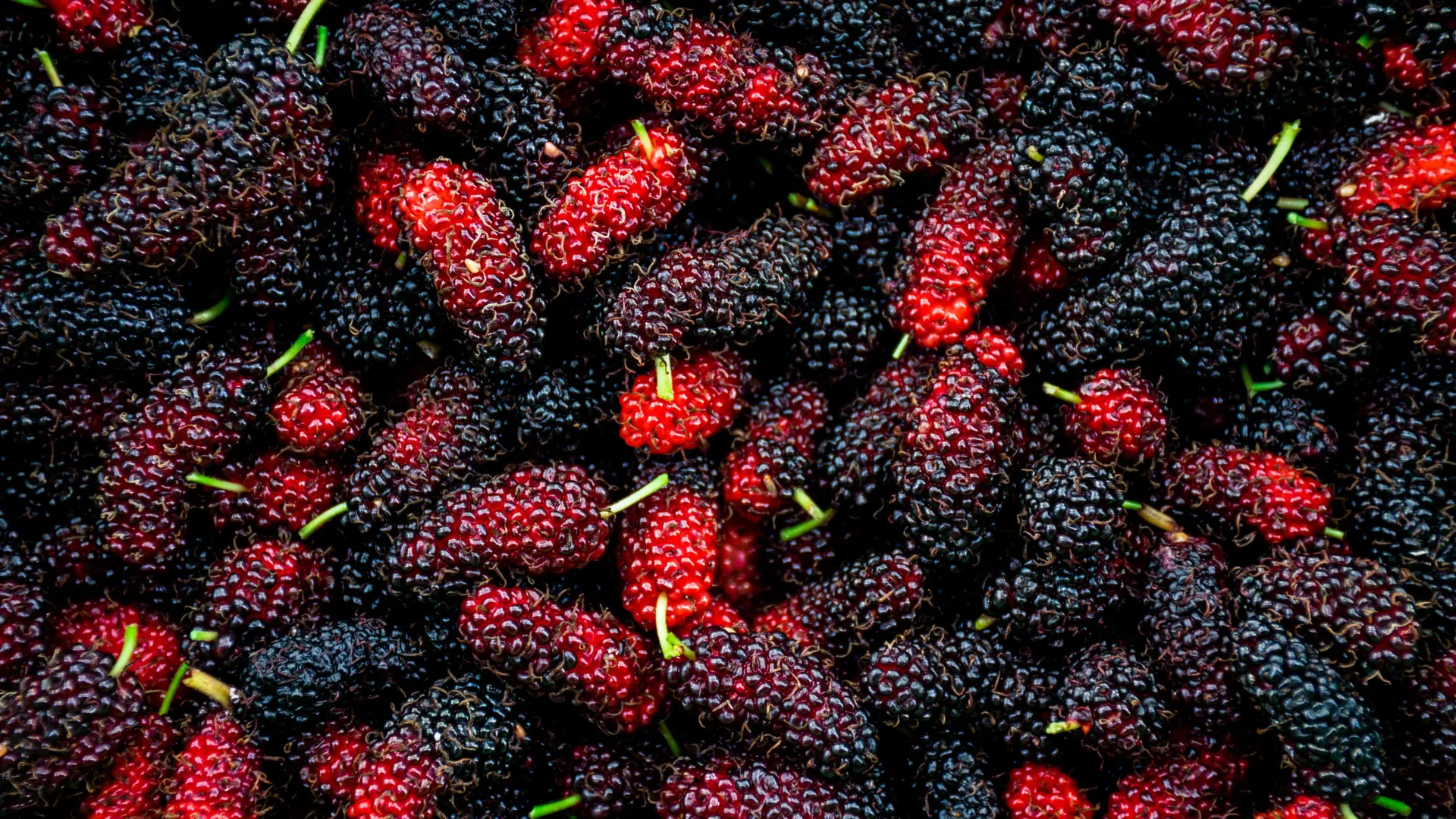
For millennia, the mulberry, a fruit celebrated for its sweet bounty and a staple in traditional healing practices across various cultures, is now at the forefront of scientific inquiry. Researchers are delving into the intricate mechanisms by which compounds found within this versatile plant may orchestrate profound changes in the gut microbiota, potentially unlocking new avenues for metabolic health management. A comprehensive review, spearheaded by scientists from Wroclaw Medical University, suggests that the efficacy and nature of these effects are remarkably nuanced, hinging critically on the specific mulberry species, the part of the plant utilized, and the precise methods of its processing.
Unraveling the Gut-Metabolism Nexus: Mulberry’s Bioactive Arsenal
The gut microbiota, a complex ecosystem of microorganisms residing within the gastrointestinal tract, has transcended its traditional role in digestion. Emerging research increasingly points to its significant influence on systemic metabolism, impacting everything from nutrient absorption to energy regulation. It is within this dynamic interplay that mulberry emerges as a subject of intense scientific interest.
"The gut microbiota not only contributes to the functioning of the gastrointestinal tract but may also influence metabolism throughout the body," explains Anna Prescha, PhD, DSc, Professor at Wroclaw Medical University, from the Department of Dietetics and Bromatology. "Mulberry is particularly interesting in this respect because it contains numerous bioactive compounds, including polyphenols and polysaccharides, which may interact with gut microorganisms."
These bioactive compounds are not uniformly distributed across all mulberry varieties. Scientific investigations have predominantly focused on white mulberry (Morus alba), a species widely cultivated and studied. However, black mulberry (Morus nigra), particularly its dark, nutrient-rich fruit, has also yielded promising results in preliminary research. The leaves of mulberry plants are a rich source of 1-deoxynojirimycin (DNJ), a compound already recognized for its role in modulating carbohydrate metabolism. Alongside DNJ, mulberry leaves are endowed with a significant load of polyphenols and polysaccharides. In contrast, the fruit of the black mulberry is particularly lauded for its high concentration of anthocyanins, potent antioxidants belonging to the phenolic compound family, as well as its substantial polysaccharide content.
The journey from plant to potential therapeutic agent is further complicated by the processing methods employed. Techniques such as drying, fermentation, and various extraction procedures can dramatically alter both the quantity and the relative proportions of these valuable bioactive compounds. Consequently, two preparations derived from the same mulberry plant material can exhibit markedly different chemical compositions and, by extension, divergent biological effects. This variability underscores the critical need for precise characterization of any mulberry-derived product used in research or potential therapeutic applications.
The Microbial Shift: How Mulberry Interacts with Gut Bacteria
The review conducted by the Wroclaw Medical University team indicates that preparations derived from both mulberry leaves and fruit possess the capacity to influence the composition and metabolic activity of the gut microbiota. Certain studies have documented shifts favoring beneficial bacterial populations, alongside an observed increase in the production of short-chain fatty acids (SCFAs) such as acetate, propionate, and butyrate.
SCFAs are metabolic byproducts generated by gut microbes when they ferment dietary material. They play a crucial role in maintaining intestinal health, providing energy to colonocytes, and exerting anti-inflammatory effects. The enhanced production of these vital compounds, triggered by mulberry consumption, has been linked in some experimental settings to observable improvements in metabolic markers, including those related to glucose and lipid metabolism.
However, the consistency of these findings across different mulberry preparations has been a significant challenge. The nature of the starting material and the subsequent processing techniques have emerged as pivotal determinants of the observed outcomes.
For instance, polysaccharides extracted from black mulberry fruit have demonstrated variable results depending on the extraction methodology. Researchers utilizing different techniques have isolated fractions with distinct structural characteristics and varying degrees of utilization by gut microbes. Notably, fractions obtained through water extraction and those treated with pectate lyase exhibited the most potent prebiotic potential, suggesting a specific structural configuration is key to their beneficial activity.
Similarly, studies focusing on polysaccharides derived from mulberry leaves have highlighted the importance of structural attributes. Factors such as molecular weight and monosaccharide composition appear to dictate which bacterial species can effectively metabolize these compounds as substrates, thereby influencing the spectrum of SCFAs produced. This granular understanding of structure-function relationships is vital for harnessing the full therapeutic potential of mulberry-derived polysaccharides.
Synergistic Effects: Combined Mulberry Compounds Enhance Outcomes in Preclinical Models
Perhaps the most compelling insights have emerged from experiments investigating more complex mulberry preparations, particularly those combining different classes of bioactive compounds. In a series of studies involving mice subjected to a high-fat diet, a model designed to mimic aspects of metabolic syndrome, a fraction rich in both polyphenols and polysaccharides extracted from white mulberry fruit demonstrated significantly more favorable alterations in the gut microbiota compared to fractions containing only polyphenols or only polysaccharides.
These encouraging microbial shifts were accompanied by measurable improvements in key indicators associated with metabolic health and intestinal well-being. Further substantiating the role of the gut microbiota in mediating these effects, researchers conducted a microbiota transplantation experiment. In this study, the gut microbiota from mice that had been treated with the combined mulberry fraction was transferred to germ-free recipient animals. Remarkably, these recipients also exhibited improvements in certain metabolic disturbances, providing compelling evidence that the beneficial effects of the mulberry preparation are, at least in part, driven by its influence on the gut microbial ecosystem.
"These findings suggest that what matters is not only the presence of an individual compound, but also the complex composition of the preparation, the proportions of its compounds, and their interactions," emphasizes Professor Prescha. "Therefore, rather than searching for a single universal product, it is worth determining which combination of species, plant part, composition, and processing method produces a specific biological effect." This perspective shifts the focus from isolating single "magic bullet" compounds to understanding the intricate synergistic relationships within natural plant matrices.
A Student-Led Initiative Catalyzes Research
The pioneering work examining mulberry’s impact on the gut microbiota and metabolism at Wroclaw Medical University originated from an unexpected source: the Nutri-Sfera Student Research Group. This interdisciplinary group, housed within the Department of Dietetics and Bromatology, provided a fertile ground for innovative research ideas to blossom.
The specific topic of mulberry and its gut-modulating properties was initially proposed by two graduating students, Marta Miszczak from the Dietetics program and Karolina Łąkosowska-Buryło from the Pharmacy program. Their initiative ingeniously bridged the disciplines of nutrition and pharmacology, bringing together diverse perspectives to explore the multifaceted potential of mulberry.
"This fitted very well with the interdisciplinary nature of the study. It combined a perspective on mulberry as a plant material with a specific composition with an analysis of its potential effects on the microbiota and metabolism," adds Professor Prescha. The project’s inception highlights the value of fostering student-led research and the power of interdisciplinary collaboration in advancing scientific understanding.
The Unanswered Question: Bridging the Gap to Human Health
Despite the promising preclinical data, a critical gap remains in our understanding of mulberry’s effects: the absence of robust human clinical trials. The vast majority of existing evidence stems from animal models and in vitro experiments, which, while valuable for hypothesis generation, do not always translate directly to human physiology.
Furthermore, the comparability of findings across existing studies is hampered by a lack of detailed chemical characterization of the mulberry preparations used. Many investigations have not provided comprehensive analyses of the exact composition and proportions of bioactive compounds, making it difficult to draw definitive conclusions or replicate results.
"The available findings are promising, but at this stage they do not allow us to determine whether the relationships observed in experimental models between mulberry preparations, the microbiota, and metabolism also occur in humans," Professor Prescha points out. The translation of these findings into actionable dietary recommendations or therapeutic interventions hinges on the successful completion of well-designed human studies.
Future clinical trials will necessitate the use of meticulously characterized and standardized mulberry preparations. This standardization is crucial for ensuring reproducibility and for accurately assessing the magnitude of effects on the human gut microbiota. Such rigorous studies are essential to determine not only how different mulberry products impact the human microbial landscape but also whether these alterations translate into measurable and clinically significant health benefits.
Did You Know? The Multifaceted Nature of Mulberry’s Benefits
-
Varied Bioactive Profiles: Mulberry leaves and fruits harbor distinct sets of bioactive compounds. For instance, mulberry leaves are a notable source of 1-deoxynojirimycin (DNJ), a compound linked to the regulation of carbohydrate metabolism. In contrast, black mulberry fruit is particularly rich in anthocyanins, potent antioxidants that contribute to its vibrant color and potential anti-inflammatory properties.
-
Processing Dictates Effects: The biological impact of mulberry can be significantly altered by how it is processed. Even preparations derived from the same plant part can exhibit different properties due to variations in extraction, drying, or fermentation methods. This highlights the importance of understanding the manufacturing process when evaluating mulberry-based products.
-
Synergy Enhances Efficacy: In experimental studies, combining different bioactive compounds from mulberry has sometimes yielded stronger beneficial effects than using individual compounds in isolation. A notable example in mice demonstrated that a combined fraction of polyphenols and polysaccharides from white mulberry fruit led to more significant positive changes in the gut microbiota compared to either fraction administered alone.
-
Microbiota as a Mediator: Emerging evidence suggests that the gut microbiota may play a key role in mediating the health benefits associated with mulberry consumption. In one experiment, transferring the gut microbiota from mice that had received a mulberry preparation to other animals resulted in improvements in certain metabolic disturbances, underscoring the causal link between microbial changes and health outcomes.
-
Human Studies: The Crucial Next Step: The most significant outstanding question remains whether the promising effects observed in experimental models translate to humans. Currently, no human studies have directly investigated how mulberry preparations influence the gut microbiota in people. This knowledge gap underscores the urgent need for clinical trials to confirm the potential health benefits of mulberry for human well-being.