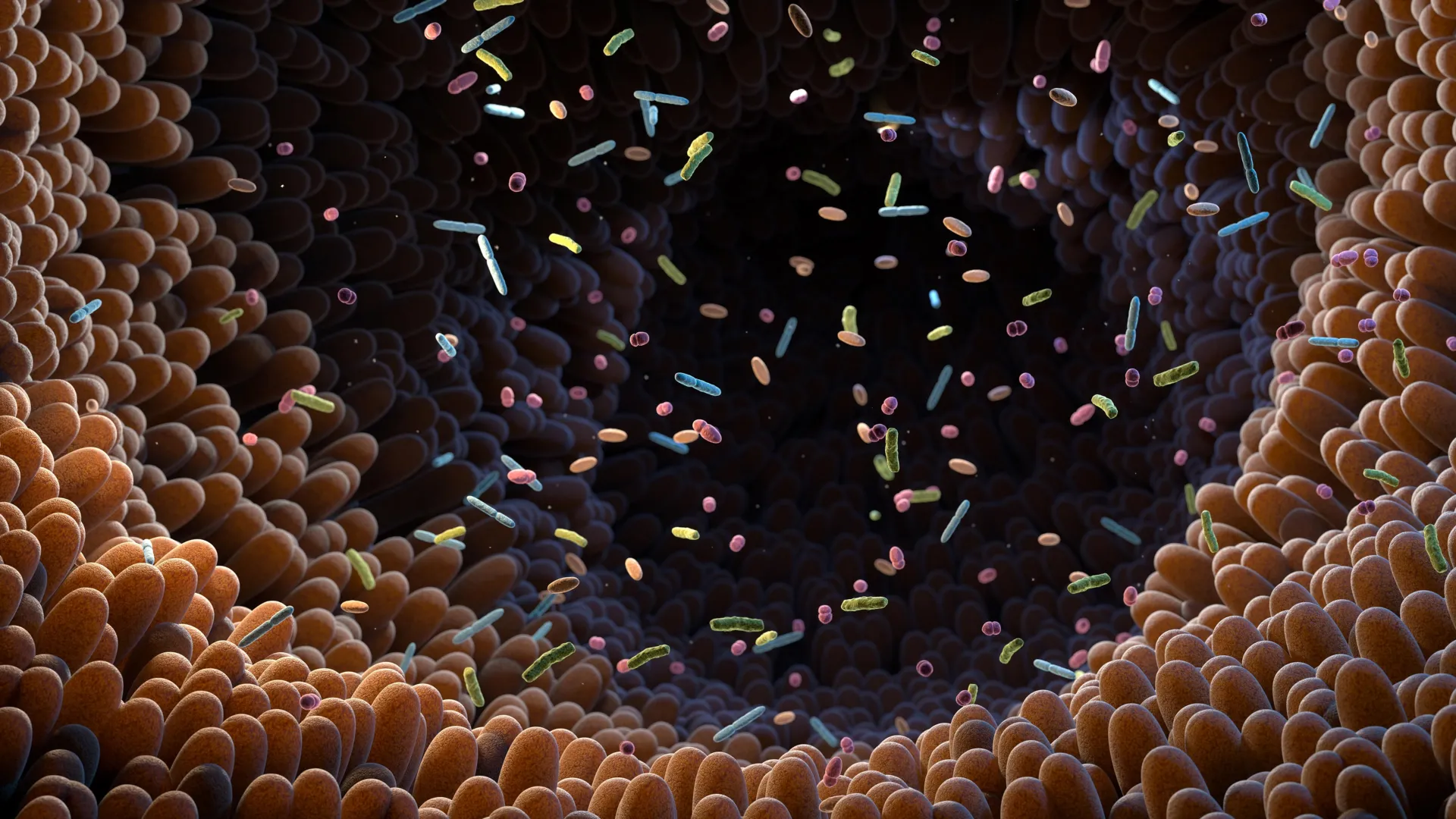
Researchers at the prestigious Karolinska Institutet in Sweden have unveiled a groundbreaking discovery: specific gut microbes possess the remarkable ability to convert readily available dietary components, namely nitrate and non-haem iron, into potent molecules that may offer significant protection against cardiovascular and metabolic diseases. This pivotal research, published in the esteemed scientific journal Cell, sheds light on a previously unrecognized pathway through which the gut microbiota exerts its influence on vital bodily functions, extending its impact far beyond the digestive tract.
Unlocking the Power of Dietary Components
The study highlights two ubiquitous nutrients found in a healthy diet: nitrate and non-haem iron. Nitrate, a naturally occurring compound, is abundant in a variety of vegetables, with particularly high concentrations found in beetroot, spinach, rocket, and other leafy greens. Non-haem iron, the form of iron primarily found in plant-based foods such as beans, lentils, whole grains, and green vegetables, is also a common and essential dietary element. For years, the health benefits associated with diets rich in these foods have been recognized, but the precise molecular mechanisms underpinning these advantages have remained elusive. This new research suggests that the intricate interplay between our gut microbiome and these dietary staples may hold a key to understanding this protective effect.
The Karolinska Institutet team’s meticulous investigation revealed that specific gut bacteria possess the enzymatic machinery to combine nitrate and non-haem iron within the gut environment. This biochemical fusion results in the formation of compounds known as dinitrosyl iron complexes (DNICs). Once synthesized, these DNICs are not confined to the gut. They are readily absorbed into the bloodstream and subsequently transported throughout the body, reaching crucial organs such as the liver and kidneys, where they can exert their physiological effects.
The Indispensable Role of Gut Microbes in DNIC Synthesis
A cornerstone of this research was the definitive demonstration of the gut microbiome’s essentiality in the production of DNICs. The study employed a multifaceted experimental approach, integrating data from studies involving mice, isolated cell cultures, bacterial strains, and human samples. Utilizing advanced analytical techniques, the researchers were able to precisely detect and quantify DNICs in various tissue types.
Crucially, the researchers observed a stark absence of DNICs in germ-free mice – animals that have been raised in a sterile environment devoid of any microbial life. This striking finding provides compelling evidence that gut microbes are not merely passive bystanders but are, in fact, indispensable architects in the formation of these health-promoting molecules.
Dr. Andrei L. Kleschyov, a Senior Researcher at the Department of Physiology and Pharmacology at Karolinska Institutet and the study’s first and co-corresponding author, elaborated on the significance of these findings: "Our results unequivocally demonstrate that gut bacteria possess the remarkable capacity to transform components present in our food into biologically active molecules. These molecules, in turn, are capable of influencing fundamental bodily functions that extend far beyond the digestive system. This opens up an entirely new perspective on how diet and the microbiome collaborate to maintain health."
Elevated DNIC Levels Correlate with Enhanced Health Markers
Building upon the discovery of DNIC formation, the research team then investigated the physiological consequences of increased DNIC levels. This was achieved through two primary methods: administering dietary supplements containing both nitrate and iron, thereby providing the necessary precursors for microbial synthesis, and directly administering synthetically produced DNIC.
In an animal model specifically designed to mimic cardiovascular and metabolic diseases, the introduction of elevated DNIC levels led to significant improvements across a range of critical health indicators. The observed benefits were substantial and multifaceted.
Professor Mattias Carlström, Professor of Cardiorenal Physiology at the Department of Physiology and Pharmacology at Karolinska Institutet, and one of the study’s shared last authors alongside Professor Jon Lundberg, also a co-corresponding author, detailed the positive outcomes: "Among other significant improvements, we observed a notable reduction in blood pressure and a marked enhancement in vascular function. Furthermore, subjects exhibited better blood sugar control, indicating an improved metabolic state, and a significant decrease in fat accumulation within the liver. These findings provide a compelling explanation for the epidemiological observations that link diets rich in vegetables – which are naturally abundant in both nitrate and iron – to a reduced risk of developing several chronic diseases."
Bridging the Gap: Vegetables and Disease Prevention
The implications of this research are far-reaching, offering a potential molecular explanation for the well-established association between a high vegetable intake and a lower incidence of cardiovascular and metabolic disorders. The study proposes a novel mechanism whereby the synergy between dietary components and specific gut bacteria contributes to overall health maintenance and disease prevention.
However, the researchers also tempered their enthusiasm with a crucial note of caution. They emphasized that a significant portion of the study was conducted using experimental models, primarily animal studies. While these models provide invaluable insights, further rigorous research is imperative to definitively elucidate the precise mechanisms by which this process operates within the human body. Understanding the nuances of DNIC metabolism and action in humans will be critical for translating these findings into clinical applications.
Future Directions: Investigating DNIC in Humans
The Karolinska Institutet team has already set its sights on the next critical phase of their research. A primary objective is to develop reliable and accurate methods for measuring DNIC levels in human subjects. This will involve sophisticated bioanalytical techniques and the establishment of reference ranges to assess individual DNIC status.
Furthermore, the researchers aim to delve deeper into the intricacies of DNIC production, transport, and physiological action within the human system. Key questions that need to be addressed include understanding the specific bacterial species responsible for DNIC synthesis, the pathways by which these molecules are absorbed and distributed throughout the body, and the precise molecular targets and signaling cascades that DNICs influence in various organs.
A particularly compelling area of future investigation will explore the potential for therapeutic interventions. The researchers are keen to determine whether dietary modifications or interventions aimed at altering the composition and function of the gut microbiota could be effectively employed to modulate DNIC levels. Such interventions could potentially offer a novel and naturalistic approach to preventing or managing cardiovascular and metabolic diseases.
Collaborative Endeavor and Funding Acknowledgements
This significant research was not a solitary effort but a testament to international scientific collaboration. The study was conducted in close partnership with esteemed institutions including the University Medical Centre Hamburg-Eppendorf and the Johannes Gutenberg University Medical Centre Mainz in Germany.
The extensive research program was made possible through substantial financial support from a consortium of reputable funding bodies. Among these were the Swedish Research Council, the Swedish Heart-Lung Foundation, the Novo Nordisk Foundation, the European Research Council (ERC), the Knut and Alice Wallenberg Foundation, Diabetes Wellness Sweden, and the Karolinska Institute itself. The researchers have formally declared no conflicts of interest, underscoring the integrity and objectivity of their findings.
Broader Implications for Public Health and Nutrition
The discovery of DNICs as a product of gut microbial metabolism of dietary nitrate and iron carries profound implications for public health and nutritional science. It offers a concrete, molecular mechanism to explain the long-observed health benefits of diets rich in vegetables. This finding could empower public health initiatives to further emphasize the importance of consuming a diverse range of nitrate- and iron-rich plant foods.
Moreover, this research opens up new avenues for understanding and potentially treating conditions like hypertension, type 2 diabetes, and non-alcoholic fatty liver disease, all of which are characterized by impaired cardiovascular and metabolic function. If DNIC levels can be reliably modulated through diet or probiotics, it could represent a paradigm shift in preventative medicine and the management of chronic diseases.
The findings also underscore the growing recognition of the gut microbiome as a critical regulator of human health. As our understanding of this complex ecosystem deepens, it is becoming increasingly clear that the trillions of microbes residing within us play integral roles in nutrient metabolism, immune function, and even neurological processes. This study adds a crucial piece to that intricate puzzle, demonstrating a direct link between dietary components, microbial activity, and systemic health.
The journey from laboratory discovery to clinical application is often a long one, but the work at Karolinska Institutet has laid a robust foundation. Future research promises to build upon these findings, potentially leading to new dietary recommendations, therapeutic strategies, and a more profound understanding of how to harness the power of our gut microbiome for optimal health and disease prevention. The intricate dance between our food, our microbes, and our bodies continues to reveal astonishing secrets, and this latest discovery is a significant step forward in appreciating that complexity.