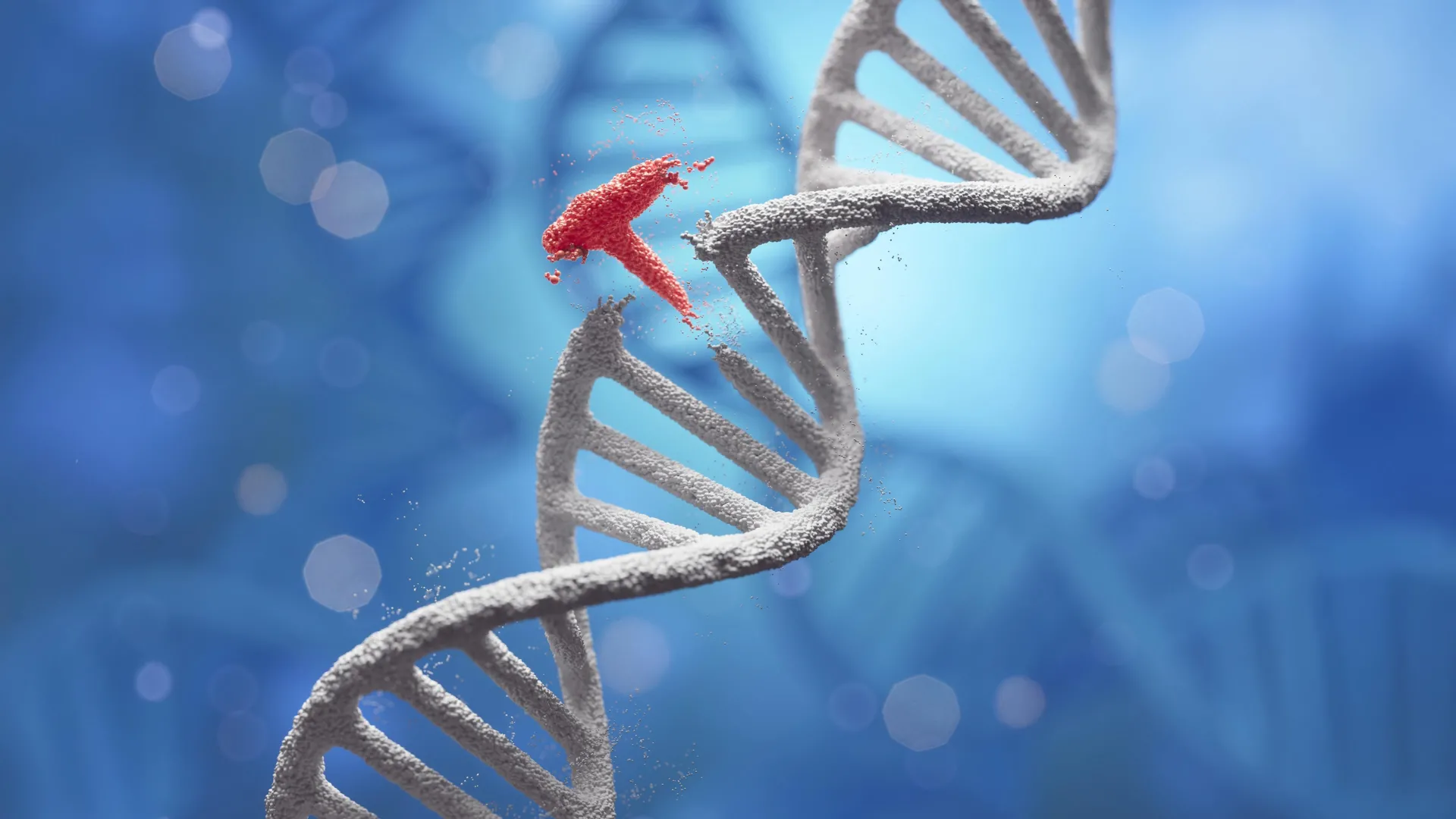
The intricate world of genetic engineering, a field continuously pushing the boundaries of biological science, has witnessed a significant leap forward with the development of a novel DNA assembly technique. Researchers in Japan have engineered a method that leverages the unique properties of silver nanoparticles to cut and reconnect DNA fragments with remarkable precision and efficiency, potentially unlocking new avenues for gene therapy, synthetic biology, and advanced crop development. This innovative approach promises to overcome critical limitations inherent in conventional DNA manipulation methods, paving the way for more complex and ambitious genetic engineering projects.
At its core, DNA, a long molecular chain, serves as the fundamental blueprint for all known life, carrying the genetic instructions essential for an organism’s development, function, and reproduction. Genetic engineering, a sophisticated discipline within biotechnology, involves the deliberate manipulation of an organism’s genes. This process typically entails precisely cutting DNA at specific locations and subsequently joining these fragments with other desired DNA sequences. The applications stemming from this capability are vast and transformative, ranging from the development of crops with enhanced resilience and nutritional value to the creation of targeted treatments for debilitating genetic diseases. Furthermore, it plays a crucial role in the generation of animal models that are indispensable for preclinical drug development and the study of complex biological processes.
The efficiency of DNA assembly hinges on the ability to create and utilize "sticky ends" – short, overhanging sequences at the cut ends of DNA fragments. These sticky ends act like molecular Velcro, facilitating the precise binding of complementary DNA pieces. However, the production of these crucial sticky ends is critically dependent on highly accurate cutting at targeted sites, a feat that current technologies, primarily reliant on restriction enzymes, often struggle to achieve with consistent efficacy. This inherent imprecision can lead to lower yields and increased complexity in downstream genetic manipulation processes.
The Limitations of Traditional DNA Assembly: A Historical Perspective
For decades, the cornerstone of DNA fragment ligation has been the enzymatic machinery of restriction enzymes and T4 DNA ligase. Restriction enzymes, molecular scissors derived from bacteria, are programmed to recognize and cleave DNA at specific nucleotide sequences. Following cleavage, T4 DNA ligase acts as the molecular glue, catalyzing the formation of phosphodiester bonds to join the DNA fragments. While this dual-enzyme system has been instrumental in countless genetic engineering breakthroughs, it is not without its drawbacks.
One significant limitation is the restricted repertoire of recognition sites available to most restriction enzymes. This means that scientists are often constrained by the DNA sequences that these enzymes can cut, limiting their ability to design custom DNA constructs with complete freedom. Moreover, restriction enzymes typically generate relatively short sticky ends, often just a few base pairs in length. These short overhangs can lead to inefficient annealing of DNA fragments, reducing the overall success rate of DNA assembly, especially when dealing with numerous fragments or complex assembly strategies. The process can become a laborious and time-consuming endeavor, often requiring extensive optimization and purification steps to achieve acceptable yields.
Recognizing these inherent challenges, a collaborative research effort, spearheaded by Professor Hiroshi Abe and Assistant Professor Masahito Inagaki at Nagoya University, in partnership with Professor Natsuhisa Oka at Gifu University, embarked on a quest for alternative DNA cutting mechanisms. Their investigation delved into the realm of chemical reactions, exploring whether targeted cleavage could be achieved without relying on the sequence-specific recognition of restriction enzymes.
Early Exploration and the Promise of Silver Ions
The researchers revisited a chemical reaction first documented in scientific literature between 1990 and 1992. This early work described the ability of silver ions to cleave DNA molecules that had been chemically modified with a thiol group at the 3′ end. The Japanese team hypothesized that this silver ion-mediated cleavage could be harnessed to create precise sticky ends. Their initial experiments confirmed that silver ions were indeed effective at cutting the modified DNA. However, the results were far from ideal.
A significant hurdle emerged from the non-specific binding of silver ions to the DNA and their tendency to induce precipitation of the DNA material. This aggregation and loss of DNA meant that only a meager 14% of the DNA could be recovered after the reaction. This low recovery rate rendered the method impractical for most genetic engineering applications, where efficient utilization of precious DNA material is paramount. The challenge was clear: retain the cutting precision of silver while mitigating its unwanted side effects.
The Breakthrough: Silver Nanoparticles and Enhanced DNA Recovery
The critical turning point in the research came with the innovative substitution of simple silver ions with silver nanoparticles. The researchers reasoned that the unique physical properties of nanoparticles could offer a solution to the recovery problem. Nanoparticles, being larger and having different surface properties than individual ions, could potentially be separated from the reaction mixture more easily, perhaps through a simple centrifugation process, thereby facilitating higher DNA recovery rates.
Initial trials with silver nanoparticles demonstrated promising cleavage efficiencies. At elevated temperatures, such as 70°C, cleavage efficiency reached approximately 50%. When the temperature was further increased to 95°C, cleavage efficiency approached 100% within a two-hour timeframe. However, these high temperatures posed a new challenge: the potential to damage long DNA molecules, which are inherently sensitive to thermal denaturation. This raised concerns about the suitability of the method for preserving the integrity of the genetic material.
To address this thermal sensitivity and improve nanoparticle stability and dispersion, the research team employed a common water-soluble polymer, polyethylene glycol (PEG). Coating the silver nanoparticles with PEG proved to be a game-changer. This modification dramatically enhanced the performance of the cleavage reaction. Without PEG, DNA cleavage efficiency was around 36%. However, with the PEG coating, efficiency soared to an impressive 92% at a much more DNA-friendly temperature of 37°C, albeit over a longer incubation period of 31 hours.
Further optimization led to even more practical and efficient conditions. Assistant Professor Masahito Inagaki, the study’s first author, stated, "In the end, we optimized the conditions to a practical level and, under ambient temperatures, achieved PEG-modified cleaving efficiency above 91% at 50°C within just one to two hours." This breakthrough meant that the DNA could be cut precisely and efficiently at a moderate temperature, significantly reducing the risk of degradation.
The nanoparticle approach offered another crucial advantage that addressed the recovery issue observed with silver ions. The researchers discovered that unwanted, uncleaved DNA fragments tended to remain adhered to the surfaces of the silver nanoparticles. Conversely, the desired DNA fragments, now possessing precisely engineered sticky ends, remained soluble in the reaction mixture. This inherent separation mechanism acted as a built-in purification step, drastically improving the final DNA recovery rate. The transition from the initial 14% recovery with silver ions to an exceptional 98% with the optimized PEG-modified silver nanoparticle system represented a monumental leap in practicality.
The Power of Longer Sticky Ends: Amplified Joining Efficiency
Beyond improved cutting and recovery, the silver nanoparticle method offered a distinct advantage in generating longer sticky ends. Conventional restriction enzymes are limited in their ability to produce overhangs longer than a few base pairs. The Japanese researchers, however, demonstrated that their silver nanoparticle technique could reliably generate DNA fragments with 8-base sticky ends.
When these fragments with 8-base overhangs were subsequently joined using T4 DNA ligase, the DNA joining efficiency was observed to be approximately twice as high as that achieved with fragments generated by traditional methods. The impact of overhang length was further amplified when longer sticky ends were employed. With an 18-base overhang, the researchers achieved an impressive joining efficiency of 44%. In stark contrast, a conventional 4-base overhang, a typical outcome from restriction enzyme digestion, resulted in a joining efficiency of only 8%. This represented a fivefold advantage for the new nanoparticle-based approach, highlighting its potential for assembling more complex and longer DNA constructs with greater reliability.
To validate the real-world applicability of their method, the team undertook a critical test: assembling a DNA fragment encoding the green fluorescent protein (GFP). GFP is a widely used reporter protein that emits green light when excited, serving as a visual indicator of gene expression. The assembled DNA fragment was successfully introduced into human HeLa cells, a common cell line used in biological research. The cells readily expressed GFP, emitting a visible green fluorescence. This successful expression served as irrefutable proof that the DNA had been accurately assembled using the silver nanoparticle method, preserving its functional genetic information.
Implications for Gene Therapy, Synthetic Biology, and Beyond
The implications of this breakthrough are far-reaching and extend across multiple domains of biological science and medicine. Assistant Professor Inagaki expressed optimism about the technology’s potential, stating, "We believe this technology will be useful for synthesizing genomic DNA, with many possible applications in areas such as mRNA library establishment for cancer vaccines and gene therapy, as well as the development of artificial protein drugs and genome crops."
The ability to precisely and efficiently synthesize large DNA molecules is a fundamental requirement for many cutting-edge biotechnological applications. For instance, in the development of mRNA vaccines, such as those that have revolutionized the fight against COVID-19, the accurate and large-scale synthesis of mRNA molecules, which are derived from DNA templates, is crucial. This new DNA assembly method could streamline the creation of these essential templates.
In the realm of gene therapy, where the goal is to treat diseases by modifying a patient’s genes, the precise delivery and integration of therapeutic DNA sequences are paramount. The enhanced accuracy and efficiency of the silver nanoparticle method could lead to more robust and reliable gene therapy constructs, potentially improving treatment outcomes and reducing off-target effects.
The development of artificial protein drugs, designed to mimic or enhance the function of natural proteins, also stands to benefit. The ability to synthesize complex DNA sequences encoding these artificial proteins more effectively could accelerate their discovery and development. Furthermore, the creation of "genome crops" – plants with significantly altered or enhanced genomes – for improved yield, nutritional content, or resistance to environmental stresses could be accelerated by this technology.
Future Directions and the Road Ahead
While the current research has demonstrated the efficacy of the silver nanoparticle method for joining two DNA fragments, the researchers are already looking towards the next frontier. "We have shown that two DNA fragments can be joined. Now, we need to confirm whether multiple fragments can be joined at the same time — a key step for building genome-scale DNA," Inagaki explained. The ability to assemble multiple DNA fragments sequentially or in parallel would be a critical advancement, enabling the construction of much larger and more complex DNA molecules, including entire genomes. This capability is essential for fields like synthetic biology, where researchers aim to design and construct novel biological systems from scratch.
The research was generously supported by the Japan Science and Technology Agency (JST) and the Japan Agency for Medical Research and Development (AMED), with additional support from the Tanaka Kikinzoku Memorial Foundation. This collaborative funding underscores the significant scientific and societal importance attributed to this pioneering work.
The successful development of this silver nanoparticle-based DNA assembly technique marks a significant milestone in genetic engineering. By addressing the critical limitations of conventional methods, this innovation promises to accelerate progress in a wide array of biotechnological fields, from developing life-saving therapies to engineering the crops that feed the world. The scientific community will be eagerly awaiting further developments as researchers strive to scale this technology for the assembly of ever-larger and more intricate DNA constructs.