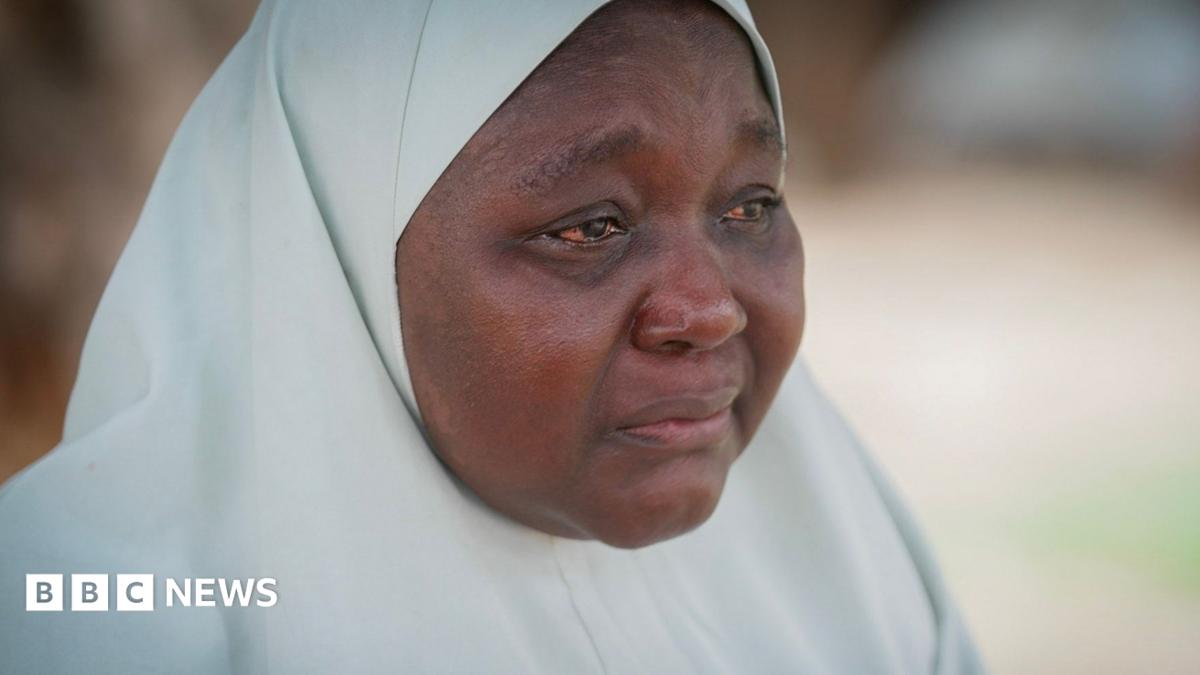
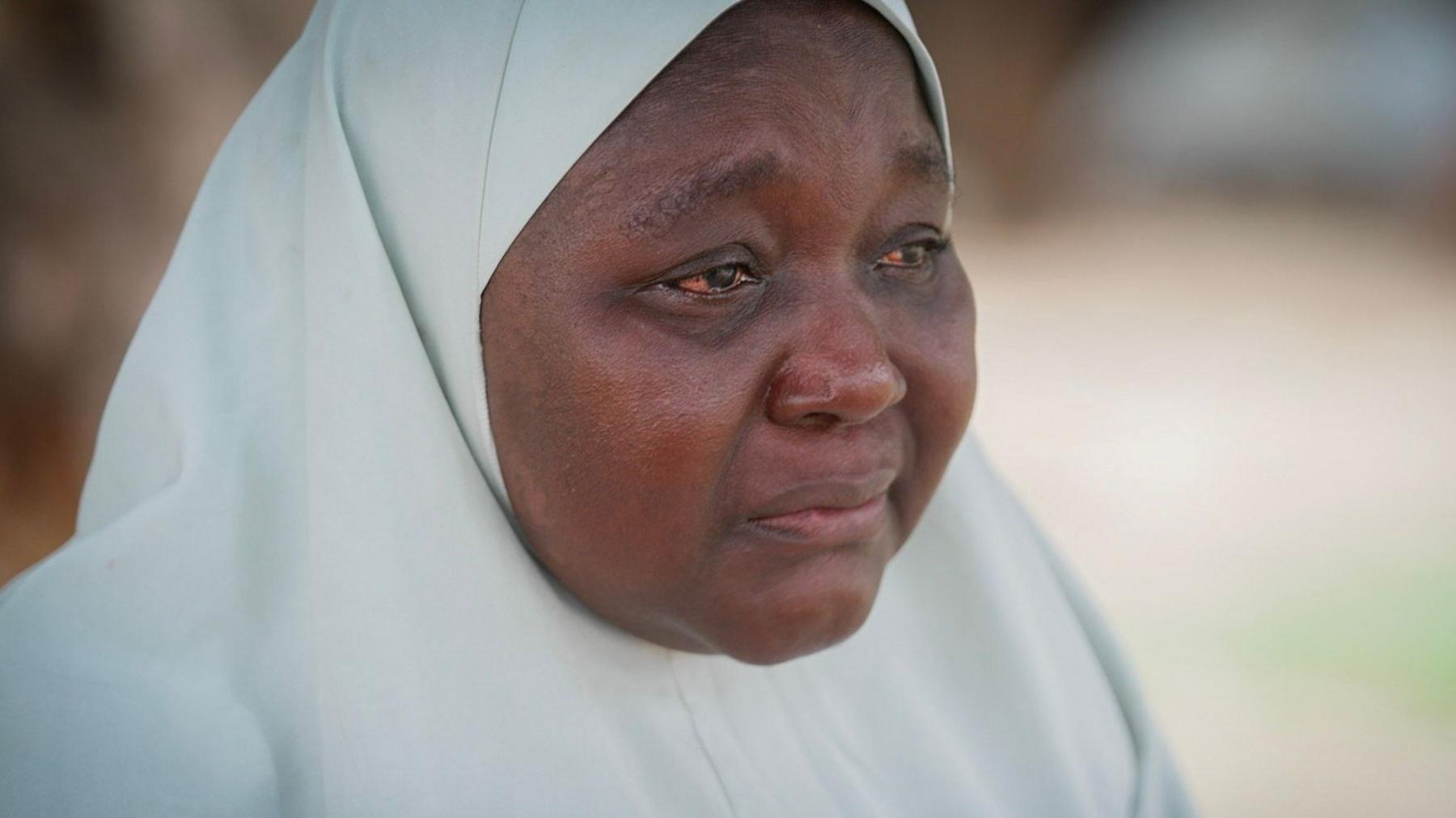
"If you ran into a room, they set the room on fire," recounts Fatima, her voice a quiet tremor as she describes the terrifying dawn raid on her village in Bia Buki, Zamfara, north-western Nigeria. "If you came out and started running, they shot you." This chilling account, shared with BBC World Service, lays bare the brutal reality facing countless communities in a nation increasingly overwhelmed by escalating violence and widespread insecurity. The gunmen, locally referred to as "bandits," struck at 02:00, orchestrating a coordinated assault by surrounding residents at the village entrance, centre, and back, unleashing indiscriminate gunfire. This single incident in June tragically claimed the lives of approximately 70 people, including children, and robbed Fatima of her husband and six of his seven siblings, leaving her with seven children aged nine to 30.
The Human Cost of Displacement and Despair
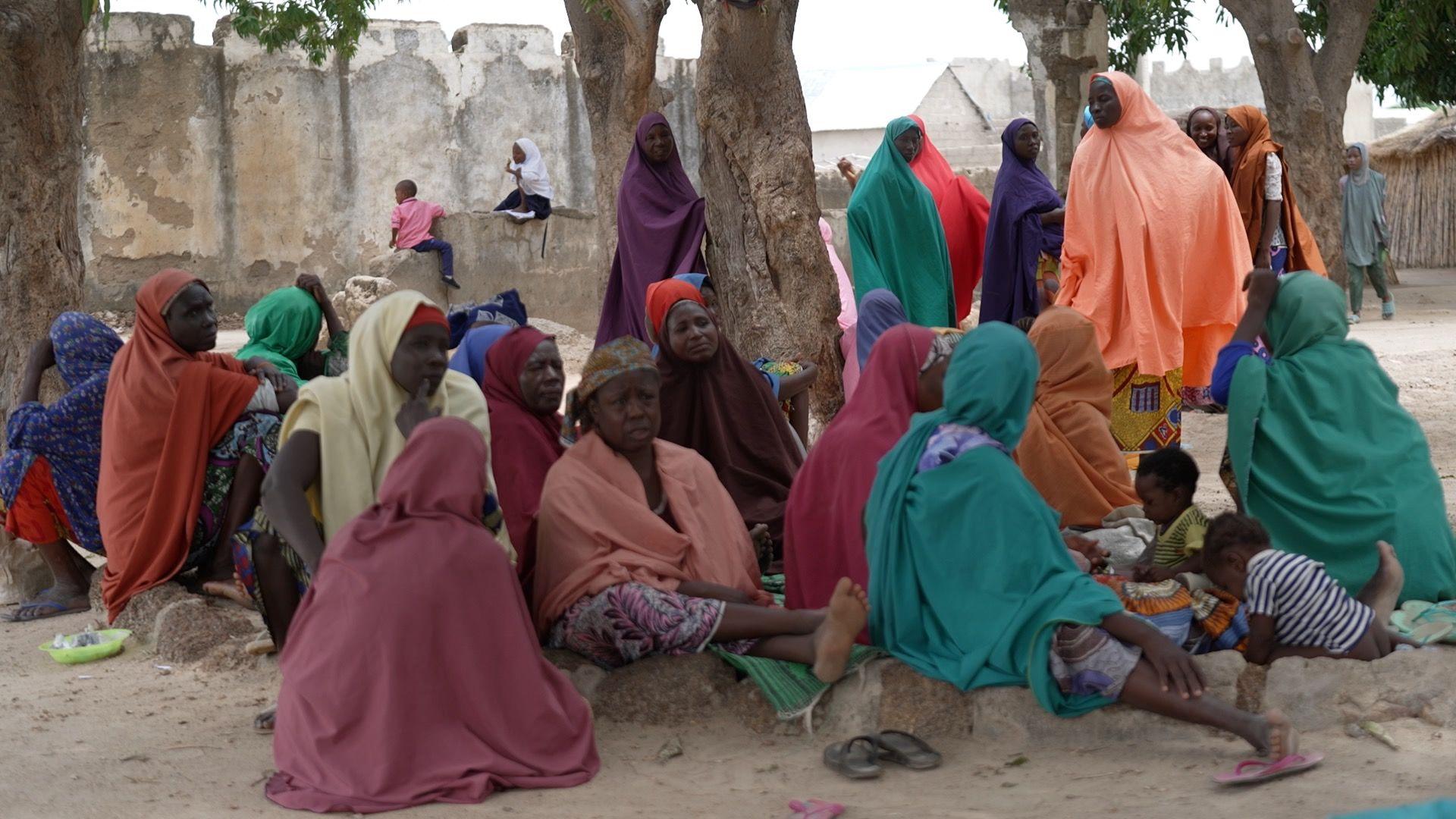
Fatima’s personal tragedy is a stark illustration of a burgeoning humanitarian crisis that has seen an estimated 800,000 Nigerians displaced in the country’s north-west alone, according to UN figures. These internally displaced persons (IDPs) are fleeing not just the immediate danger of violence but also the subsequent breakdown of livelihoods and societal structures. The attackers, often numbering in the hundreds and arriving on motorcycles, strike with ruthless efficiency before melting back into the landscape, outpacing overstretched security forces.
Following the attack on Bia Buki, Fatima and other villagers sought refuge in the dense forest before making their arduous journey to Gusau, the state capital, approximately 16 miles (25km) away. There, she now resides in a sprawling, informal camp with her children, a testament to the sheer scale of displacement. Conditions within the camp are dire. Fatima estimates over a thousand people share the makeshift compound, where "no proper place to even lay your head" is available. Food is acutely scarce, with assistance arriving only irregularly from "good Samaritans." Children, desperate to contribute, are sent out to gather firewood for sale, a perilous task that has led to 22 children from the camp reportedly being kidnapped by bandits. Fatima’s despair is palpable as she notes that perhaps only two or three out of a hundred women in a nearby building have had breakfast, lamenting, "When we had peace, we had our own wealth, but now the tables have turned and we have become beggars." Despite the physical distance from her ravaged village, the psychological scars and the omnipresent threat linger, initially manifesting as nightly gunshots, now quieted by patrols but leaving an undeniable atmosphere of tension.
The Anatomy of Banditry: From Herding to Extortion
The perpetrators of these devastating attacks are primarily individuals from the Fulani ethnic group, historically pastoralists who once relied on animal husbandry. However, a significant number have transitioned from cattle trading to the more lucrative, albeit brutal, enterprises of kidnapping and extortion. This shift is driven by a complex web of factors, including climate change-induced desertification pushing pastoralists south, diminishing grazing lands, and long-standing ethno-religious and resource-based conflicts with farming communities. The allure of quick wealth through criminal activities has proven a powerful draw, transforming traditional ways of life into a reign of terror.
Bandits operate with a chilling modus operandi: they raid towns and villages, ambush travellers, abduct individuals for ransom, and loot anything of value. Those who resist are often met with fatal consequences. Beyond direct attacks, they impose "protection money" on communities, effectively extorting farmers who must pay significant sums to access their own fields. This systemic intimidation cripples local economies and fuels a cycle of poverty and desperation, pushing more individuals towards illicit activities.
Escalating Violence and a Spreading Crisis
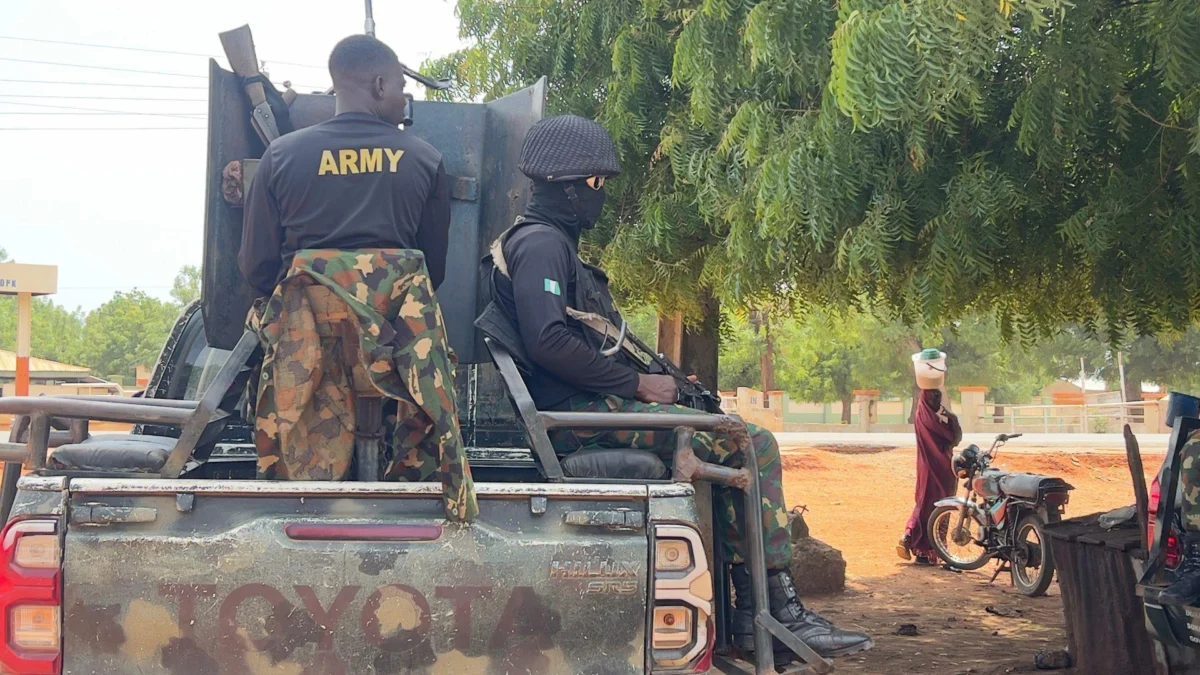
The data paints a grim picture of escalating insecurity. The international conflict monitoring group Acled reported a staggering 78% increase in banditry incidents in the north-western heartlands of Nigeria during the first half of this year compared to the same period last year. Concurrently, Nigeria’s National Human Rights Commission documented a doubling of kidnappings across the country over the same timeframe. This surge indicates a deepening crisis that is not only intensifying but also expanding geographically, with the violence now spreading southwards into previously considered safer regions.
Malik Samuel, a researcher at Good Governance Africa, a reputable non-profit group, grimly observes that "there is no region in northern Nigeria currently that does not experience one form of mass abduction or the other." This assessment underscores the systemic nature of the threat, which transcends local disputes and has become a nationwide security challenge. The unchecked proliferation of small arms, the vast ungoverned spaces, and the economic desperation among marginalized youth contribute significantly to the bandits’ operational capacity and recruitment pool.
Government Response and the Vigilante Dilemma
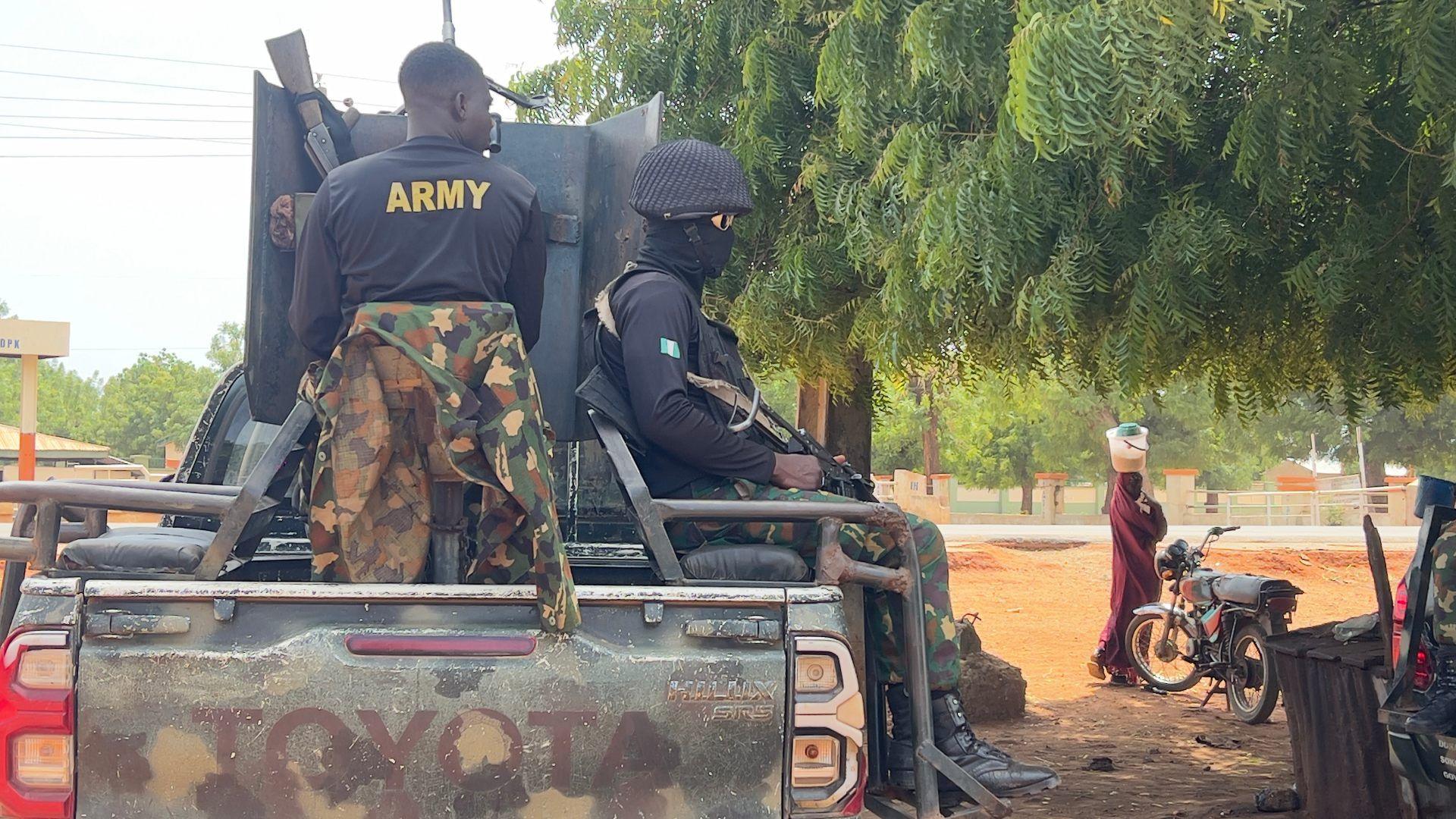
Nigeria’s multifaceted security challenges — encompassing the Islamist insurgency in the north-east (Boko Haram and ISWAP), separatist movements in the south-east, and communal clashes over land and resources in central regions — have severely overstretched its military and police forces. The ability of state security apparatuses to effectively counter the widespread banditry is critically hampered. A 2025 UN report, citing independent sources, highlighted that police stations are often underfunded and lack the necessary operational capacity, with officers reportedly deficient in crucial skills like hostage negotiation and forensic investigation.
In response, President Bola Tinubu’s administration has made security a priority, allocating the largest defence and security budget in the country’s history, a 10% increase in December 2025 compared to the previous year. This commitment includes the approval for the recruitment of 28,000 new soldiers. However, the efficacy of these measures against a highly adaptable and decentralized enemy remains to be seen.
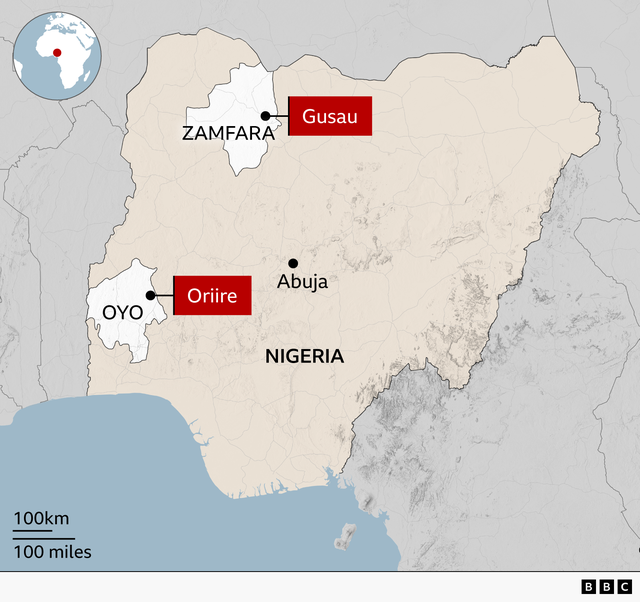
In the vacuum of state security, thousands of residents in Zamfara and other affected states have joined government-backed vigilante groups. These groups, often armed and operating with local knowledge, aim to fill the security gaps. One such vigilante, speaking anonymously in July, articulated their role: "We are some of the people the governor hired to protect the community." He describes frequent engagements with bandits, asserting, "with the help of God we fight them and defeat them," and emphasizes the need to retaliate: "Let the bandits understand that when they attack a place and kill, they can also be killed." He estimates having fought bandits at least 20 times, highlighting the relentless nature of the conflict and calling for more armed personnel.

However, the reliance on vigilantes is not without controversy. In 2020, Zamfara state banned a large vigilante group due to concerns that extrajudicial killings were exacerbating violence, according to AFP. Malik Samuel of Good Governance Africa warns that these groups could be "a time bomb waiting to happen," posing critical questions about long-term control and disarmament once the immediate crisis subsides. The potential for these armed, non-state actors to evolve into another layer of instability is a significant concern for human rights organizations and security analysts alike.
Impact on Education and Future Generations
The pervasive insecurity has had a devastating impact on Nigeria’s education sector, a critical pillar for national development. Schools have become frequent targets, a grim tactic famously employed by the Islamist Boko Haram in 2014 with the abduction of over 200 Chibok schoolgirls. While Boko Haram’s motives included sexual slavery and domestic servitude, various armed groups across Nigeria now employ mass kidnapping, particularly targeting "soft targets" like schools, churches, mosques, and remote villages, primarily for ransom.
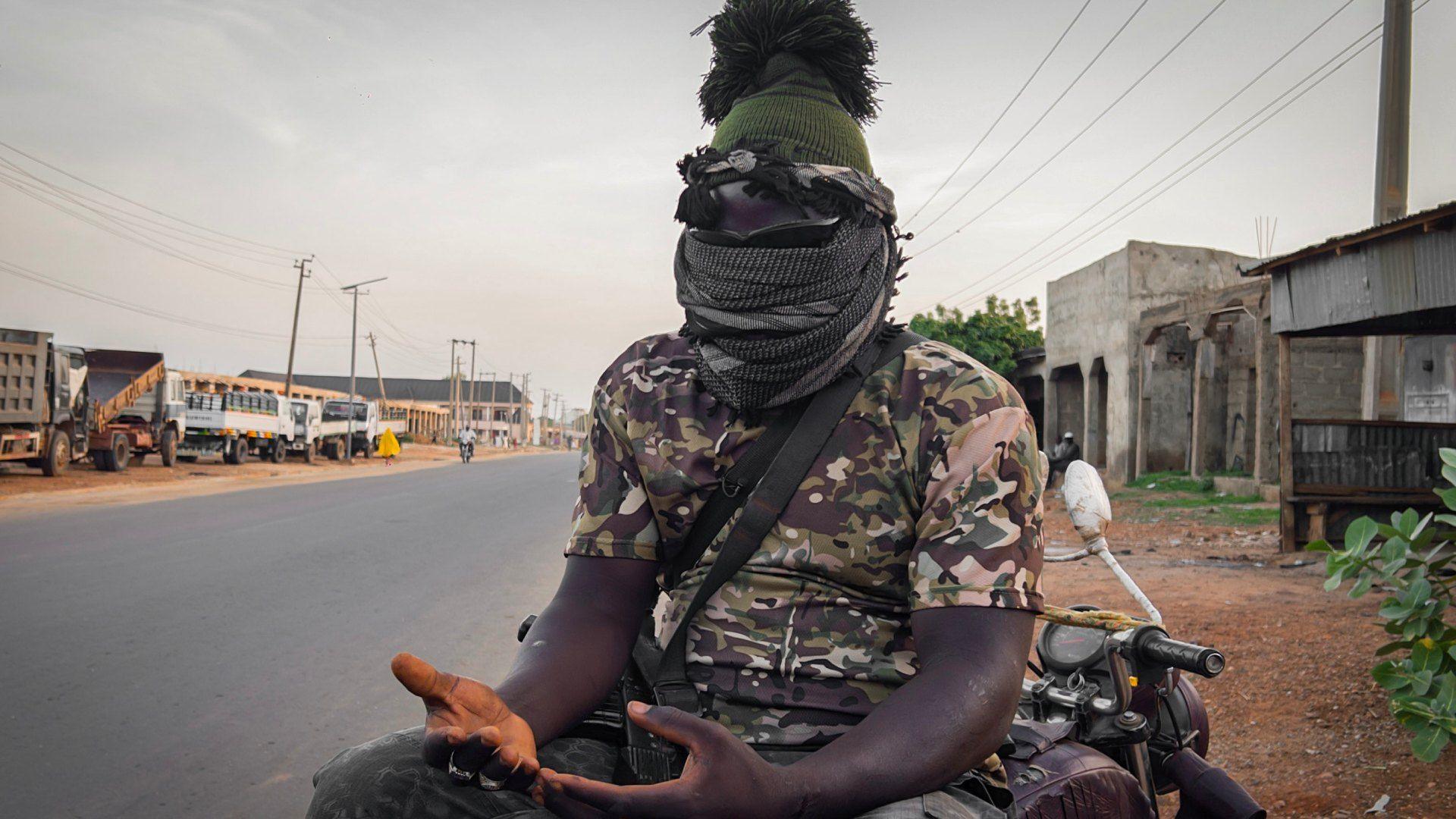
Initially concentrated in the Boko Haram strongholds of the north-east and the bandit zones of the north-west, this tactic has alarmingly spread. In May this year, gunmen on motorcycles attacked three schools in Oyo state, south-west Nigeria – a region previously considered relatively safe. The raid resulted in the abduction of 39 children, some as young as two years old, along with seven teachers. One teacher was killed during the attack, and another’s murder was filmed and circulated online, demonstrating the bandits’ barbarity. After 56 harrowing days, the 44 remaining hostages were released following security operations, with the government asserting no ransom was paid. Three men were later sentenced to life in prison, confessing to affiliation with Boko Haram.
The Oyo abduction sent shockwaves through the town of Oriire, leading parents to withdraw their children from schools en masse. Oba Tajudeen Abioye, the traditional ruler of the area whose niece was among the kidnapped, articulated the community’s profound fear: "There is fear because many residents have run away and are yet to return." This incident exacerbates Nigeria’s already dire educational crisis. The United Nations Educational, Scientific and Cultural Organization (Unesco) estimates that approximately 19 million children are out of school in Nigeria, one of the highest figures globally. Insecurity not only prevents access to education but also traumatizes an entire generation, eroding faith in the future.
Broader Implications and Lingering Doubts
The crisis of banditry is not an isolated phenomenon but rather deeply intertwined with Nigeria’s broader socio-economic and political landscape. While armed groups affect all communities regardless of background or belief, the underlying drivers include poverty, unemployment, weak governance, corruption, and a sense of marginalization among certain segments of the population. The state’s inability to provide basic services and security has created fertile ground for non-state actors to flourish, challenging the very sovereignty of the government in certain areas.
Fatima’s plea for more decisive action echoes the sentiments of countless Nigerians: "I am not saying the government has failed but even if it is trying, it needs to do more. There are problems and we think with more effort and more security agents, villages will be peaceful." Her hope for a return home is tragically tempered by the grim reality that her village has reportedly been converted into a camp for the very gunmen who attacked it, with the local bandit leader now serving as a de facto authority, even resolving domestic disputes. "Another nearby village ‘is completely empty, not even a chicken lives there… empty villages like that are countless’," she laments. The prospect of farming, once a cornerstone of life, is now fraught with peril, as bandits stop or kidnap those attempting to harvest.
The proliferation of banditry represents a profound challenge to Nigeria’s stability, human security, and developmental aspirations. It necessitates a comprehensive approach that goes beyond military interventions to address the root causes of insecurity, including economic deprivation, social injustice, and institutional weaknesses. Without a concerted and sustained effort to restore peace, rebuild trust, and provide genuine opportunities, the cycle of violence, displacement, and despair risks becoming an entrenched reality for millions across the nation.