A harrowing mid-air incident unfolded aboard Flydubai Flight FZ1073, a routine service destined for Israel, when a pilot allegedly attacked his co-pilot, triggering an alarming descent of 17,000 feet (approximately 5,200 meters) in under two minutes. The extraordinary event, described by one passenger as a "rollercoaster" experience, necessitated an emergency diversion to Saudi Arabia after what witnesses reported as intervention by several passengers and the subsequent assistance of two off-duty pilots who were on board. The incident has cast a stark light on aviation safety protocols, pilot mental health, and the unexpected roles passengers may be forced to assume in extreme emergencies.
The descent rate of approximately 8,500 feet per minute is highly unusual for a commercial aircraft outside of extreme emergency procedures, far exceeding standard emergency descent profiles which typically range from 3,000 to 5,000 feet per minute. Such a rapid drop would have subjected passengers and crew to significant g-forces, triggering oxygen masks to deploy automatically and sending alarm signals throughout the cockpit and cabin. The sudden loss of altitude suggests a profound incapacitation of the active flight crew, making the intervention by those on board critical in preventing a potential catastrophe.
The Descent into Chaos: A Passenger’s Account
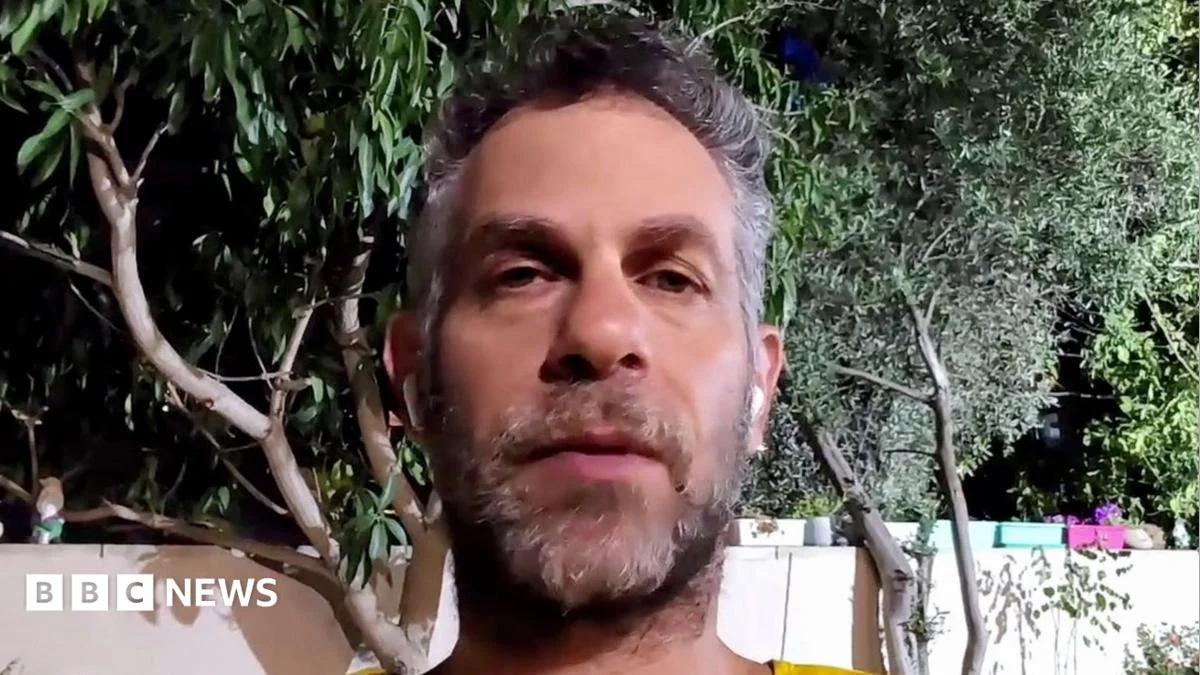
Almog Itali, one of the passengers on the ill-fated flight, recounted his terrifying experience to the BBC, likening the precipitous drop to an uncontrolled amusement park ride. "It felt like a rollercoaster, but one that was spiraling out of control," Itali stated, describing the palpable fear that swept through the cabin as the aircraft plunged. The abrupt change in altitude, accompanied by the familiar chime of the seatbelt sign and the immediate deployment of oxygen masks, would have signaled to all on board that a severe emergency was underway. Passengers would have been jolted in their seats, with loose items potentially flying around the cabin, amplifying the sense of chaos and danger.
The initial moments following the alleged assault would have been critical. With one pilot potentially incapacitated and the other potentially involved in or recovering from the alleged attack, the aircraft’s control surfaces might have been left unattended or mishandled, leading to the rapid and uncontrolled descent. Modern commercial aircraft, such as the Boeing 737 often operated by Flydubai on routes like FZ1073, are equipped with sophisticated autopilot systems designed to maintain stability. However, if these systems were disengaged or overridden during the struggle, or if the remaining pilot was unable to regain control quickly, the aircraft could enter a steep dive. The sheer speed of the altitude loss suggests a profound loss of control, albeit temporary, until intervention could occur.
Unfolding Emergency: A Detailed Chronology
The incident on Flight FZ1073 represents a highly unusual and deeply concerning breach of aviation safety, demanding a thorough investigation into every detail of the event.
Pre-Incident Context: Routine Flight, Unforeseen Peril
Flight FZ1073, operated by Flydubai, is part of the airline’s network connecting Dubai to various destinations across the Middle East, Asia, Africa, and Europe. Routes to Israel, following the Abraham Accords, have become increasingly common, linking major hubs and facilitating tourism and business. The flight would typically be operated by a narrow-body aircraft, such as a Boeing 737-800 or 737 MAX, capable of carrying between 160 and 200 passengers. These flights generally involve a two-pilot crew (captain and first officer) in the cockpit, adhering to strict operational procedures and safety standards. Passengers board with the expectation of a routine journey, unaware of the internal turmoil that would soon erupt in the flight deck.
The Critical Moments: Alleged Assault and Immediate Aftermath
Details surrounding the alleged pilot-on-pilot stabbing remain scarce and are subject to ongoing investigation by relevant authorities. However, passenger accounts suggest the incident occurred at cruising altitude, a phase of flight generally considered the safest. The immediate consequence was the rapid descent. Aircraft systems would have detected the uncontrolled altitude loss, triggering a cascade of alerts within the cockpit—including stick shaker warnings, overspeed alarms, and potentially ground proximity warning system (GPWS) alerts if the descent was not arrested quickly. In the cabin, the deployment of oxygen masks is an automatic response when cabin pressure drops below a safe threshold, typically equivalent to 14,000 feet. This event would have been the first unequivocal sign to passengers that the flight was in grave danger.
Emergency Response: Passenger Intervention and Off-Duty Pilots
According to reports, several passengers, recognizing the severity of the situation, reportedly took initial steps to assert control over the volatile cockpit environment. While the exact nature of this "control" is not fully elaborated, it likely involved attempting to subdue the aggressive pilot, assist the injured co-pilot, or alert cabin crew to the critical situation. In the highly confined space of a cockpit, even limited intervention could be vital. Crucially, the presence of two off-duty pilots among the passengers proved to be an invaluable stroke of fortune. These trained professionals, understanding the critical need for immediate action, reportedly made their way to the cockpit. Their arrival would have been pivotal in stabilizing the aircraft, regaining control from the precarious descent, and initiating emergency procedures. Their training would have allowed them to assess the situation rapidly, identify the necessary inputs to recover the aircraft, and communicate effectively with air traffic control.
Diversion and Landing: A Safe Haven in Saudi Arabia
With the off-duty pilots now in control of the flight deck, the decision was made to divert the aircraft to the nearest suitable airport. Given the flight’s trajectory and the nature of the emergency, Saudi Arabia became the immediate choice. Commercial airlines have pre-defined emergency diversion airports along their routes, chosen for their capability to handle large aircraft and provide necessary emergency services. The off-duty pilots would have declared a Mayday call to air traffic control, communicating the grave emergency and requesting immediate clearance for an emergency landing. Saudi Arabian air traffic controllers would have prioritized Flight FZ1073, clearing airspace and preparing ground emergency services, including medical personnel and security forces, for the aircraft’s arrival. The successful landing, under such extreme circumstances, is a testament to the skill and bravery of the off-duty pilots and the efficiency of the ground support. Upon landing, the injured co-pilot would have received immediate medical attention, and the alleged assailant would have been taken into custody.
Aviation Protocols and Safety Measures Under Scrutiny
The incident on Flight FZ1073 inevitably raises profound questions about existing aviation safety protocols and the unforeseen challenges they might face.
Pilot Incapacitation Procedures: A Designed but Tested System
Aviation regulations mandate that commercial aircraft cockpits always have at least two qualified pilots capable of operating the aircraft. This "two-person rule" is a cornerstone of safety, designed to ensure that if one pilot becomes incapacitated for any reason—be it medical emergency, fatigue, or, in this unprecedented case, an alleged assault—the other pilot can safely take over. Airlines regularly train pilots for various incapacitation scenarios, including how to safely land the aircraft single-handedly. However, the scenario of an alleged assault by one pilot on another introduces a layer of complexity not typically covered in standard drills, as it involves an intentional act of aggression rather than a passive medical event. The initial moments of such an event would likely be characterized by chaos, potentially delaying the remaining pilot’s ability to take full control, or worse, leaving both pilots momentarily compromised.
Cockpit Security Challenges: The Internal Threat Paradox
Since the September 11, 2001, terrorist attacks, cockpit doors have been reinforced and locked to prevent external threats from gaining access to the flight deck. This measure has significantly enhanced security against hijackings. However, the alleged incident on Flight FZ1073 highlights a rarely discussed paradox: while the cockpit is secured against external threats, it remains a confined space where internal threats, however rare, could manifest with catastrophic consequences. The existing security measures, primarily focused on external breaches, offer little defense against an act of violence originating from within the flight crew itself. This incident forces aviation authorities and airlines to re-evaluate the vulnerabilities that may exist even within the highly secure confines of the cockpit.
The Role of Off-Duty Personnel: Heroism and Protocol
The intervention of off-duty pilots on Flight FZ1073 is a remarkable act of heroism. While airline policies generally encourage off-duty pilots to identify themselves to the crew in case of an emergency, their role is typically to provide assistance to the operating crew, not to take full control of the aircraft, particularly not from an active flight crew member. However, in an extreme situation where both active pilots are incapacitated or compromised, the presence of qualified, off-duty personnel becomes an invaluable safety net. This event underscores the critical importance of having highly trained individuals on board, even when not on duty, who can respond effectively to severe and unanticipated emergencies. The "sterile cockpit" rule, which prohibits non-essential conversations or activities below 10,000 feet, is designed to minimize distractions for the active crew, but in this context, the rapid deployment of additional expertise was clearly warranted and life-saving.
Official Responses and Investigative Pathways
The gravity of the incident on Flydubai Flight FZ1073 mandates a multi-faceted response from various governmental and aviation bodies.
Airline’s Stance: Commitment to Investigation and Passenger Welfare
Flydubai, as the operating airline, would be expected to issue a formal statement expressing deep concern over the incident, confirming its full cooperation with all investigative authorities, and prioritizing the welfare of its passengers and crew. Such statements typically emphasize the airline’s unwavering commitment to safety and security. Internally, Flydubai would initiate its own comprehensive safety investigation, reviewing flight data recorders (FDR) and cockpit voice recorders (CVR) – if recoverable and pertinent to the incident – as well as interviewing all involved personnel, including the cabin crew, the off-duty pilots, and passengers. The airline would also review its pilot screening processes, including psychological evaluations, to determine if any systemic vulnerabilities exist.
Regulatory Bodies’ Involvement: Overseeing the Inquiry
Given Flydubai’s base in the United Arab Emirates, the General Civil Aviation Authority (GCAA) would lead the official safety investigation. The GCAA would work in conjunction with international bodies such as the International Civil Aviation Organization (ICAO) and potentially the aviation authorities of Saudi Arabia (General Authority of Civil Aviation – GACA), Israel, and the country of aircraft manufacture (e.g., the US Federal Aviation Administration – FAA if it’s a Boeing aircraft) to ensure a thorough and impartial inquiry. These investigations aim not to assign blame but to determine the root causes of the incident and issue recommendations to prevent similar occurrences in the future. The scope of the investigation would encompass flight crew training, mental health assessments, cockpit security protocols, and emergency response procedures.
International Cooperation: Legal and Diplomatic Dimensions
The incident’s international nature—an Emirati airline, en route to Israel, diverted to Saudi Arabia, involving an alleged criminal act in international airspace—introduces complex legal and diplomatic considerations. The jurisdiction for prosecuting the alleged assailant would need to be determined, likely involving a combination of the airline’s home country (UAE) and the country where the aircraft landed (Saudi Arabia). International aviation conventions, such as the Tokyo Convention, Montreal Convention, and Chicago Convention, provide frameworks for handling crimes committed on board aircraft and the responsibilities of states involved. Diplomatic channels between the UAE, Saudi Arabia, and Israel would be activated to facilitate the investigation, ensure the well-being of passengers, and manage any repatriation efforts.
Broader Implications for Air Travel Safety
The unprecedented nature of the alleged assault on Flight FZ1073 carries significant implications for the future of aviation safety, prompting a re-evaluation of established norms and practices.
Mental Health in Aviation: A Renewed Focus on Pilot Psychological Assessments
One of the most profound implications of this incident is the renewed scrutiny it places on the mental health screening and ongoing psychological well-being of pilots. While airlines and regulatory bodies already have procedures in place for pilot medical and psychological evaluations, this event suggests a potential gap or a need for enhanced vigilance regarding the mental state of flight crews. The intense pressures of the aviation profession, including demanding schedules, time zone changes, and extended periods away from home, can take a toll. This incident might catalyze a global review of psychological assessment methodologies, potentially leading to more frequent or in-depth evaluations, and a greater emphasis on destigmatizing mental health issues within the pilot community to encourage self-reporting and early intervention. The challenge lies in designing systems that are both effective and respectful of pilot privacy, without creating an environment of suspicion.
Passenger Empowerment vs. Structured Response: Redrawing Lines
The reports of passengers "taking control" of the flight, even if temporary and primarily focused on the cockpit environment, highlight a tension between structured emergency response protocols and the instinctual actions of individuals in extreme peril. While professional pilots and cabin crew are highly trained to manage emergencies, an event like this, which compromises the primary responders, may necessitate extraordinary measures from those on board. This incident prompts a discussion within aviation circles about the extent to which passengers can or should intervene in a crisis, and how cabin crew can best manage passenger actions to be constructive rather than counterproductive. The presence of off-duty pilots, however, clearly demonstrates the unparalleled value of trained professionals in such situations, underscoring that while passenger intervention might stabilize a chaotic scene, the ultimate control and recovery of the aircraft still requires expert hands.
Legal and Jurisdictional Complexities: A Global Challenge
The legal ramifications of an alleged criminal act committed by a crew member in international airspace, leading to an emergency landing in a third country, are substantial. Determining jurisdiction for investigation, prosecution, and compensation becomes a complex exercise involving multiple national and international laws. This incident could set precedents for how such internal crew conflicts, leading to severe safety breaches, are handled on a global scale. It will test the efficacy of existing international aviation conventions and potentially prompt discussions for new protocols or agreements to address these highly unusual circumstances.
The incident aboard Flydubai Flight FZ1073 serves as a stark reminder of the inherent vulnerabilities, however rare, that can exist even within the highly regulated and secure environment of commercial aviation. While investigations are ongoing, the bravery of passengers and off-duty pilots, coupled with the swift action of air traffic control and ground services, averted what could have been an unimaginable tragedy. The aviation industry will undoubtedly scrutinize every aspect of this event to learn critical lessons and reinforce the safety and security of air travel for millions worldwide.