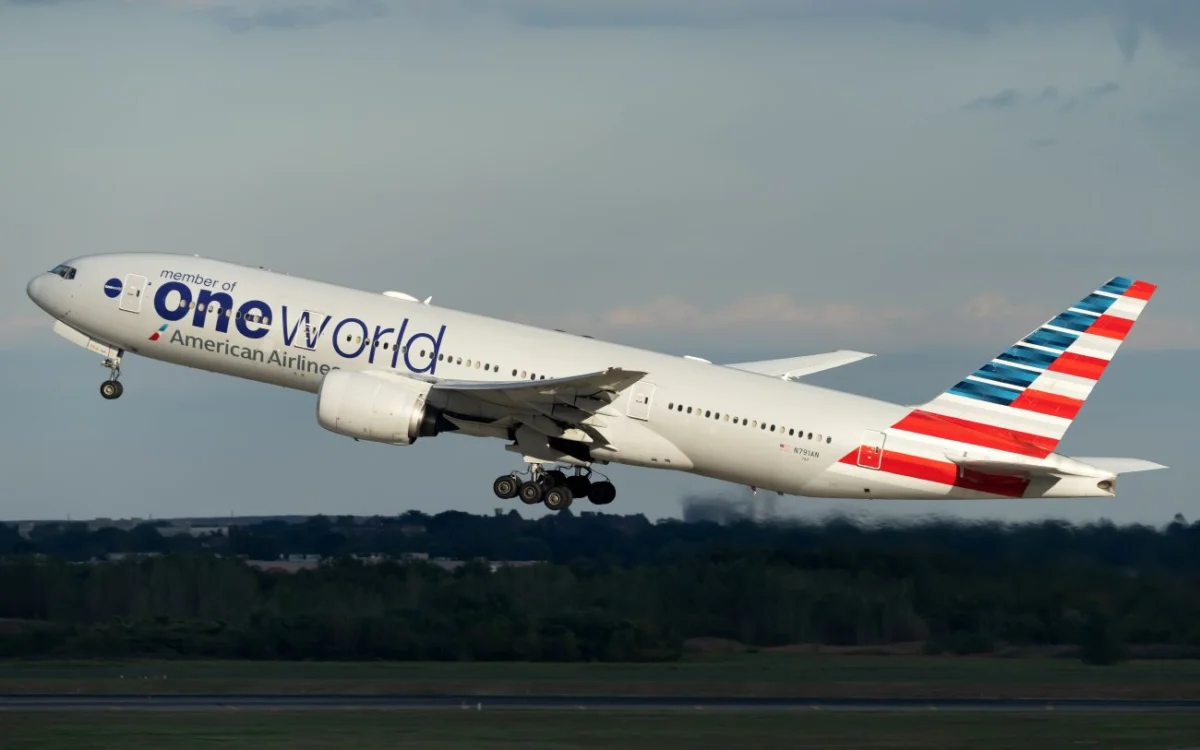
American Airlines has unveiled an ambitious expansion of its transatlantic flight schedule for the summer 2027 season, marking a significant pivot in the carrier’s long-term international strategy. This expansion is central to a broader corporate initiative aimed at shoring up profitability and narrowing the competitive gap with its primary rivals, Delta Air Lines and United Airlines. By focusing on unique destinations and a revamped in-flight experience, the Fort Worth-based carrier is aggressively targeting the high-yield, premium travel segment that has become the cornerstone of modern airline profitability. The 2027 schedule includes the introduction of new direct routes from the airline’s Philadelphia hub to key European destinations, the restoration of suspended services, and a comprehensive overhaul of its cabin interiors designed to appeal to the most discerning international travelers.
The Philadelphia Hub: A Strategic Gateway to Europe
The cornerstone of American Airlines’ 2027 international growth is the continued development of Philadelphia International Airport (PHL) as its primary transatlantic gateway. While the airline maintains significant international operations out of Dallas-Fort Worth (DFW) and Charlotte (CLT), Philadelphia’s geographic location and existing infrastructure make it the most efficient jumping-off point for European expansion. For the summer 2027 season, American is leveraging this hub to launch service to Vienna, Austria (VIE).
This move is particularly strategic as American Airlines will become the only U.S. carrier to offer direct service to the Austrian capital. Currently, the market between the United States and Vienna is largely dominated by Austrian Airlines, a member of the Star Alliance. By entering this market, American Airlines is not only providing a unique option for its Oneworld alliance frequent flyers but is also capturing a larger share of the premium leisure and corporate market that travels to Central Europe for its cultural heritage and economic importance.
In addition to Vienna, the Philadelphia hub will see the launch of new service to Porto, Portugal (OPO). Porto has emerged as one of Europe’s fastest-growing tourist destinations, and American’s entry into this market reflects a wider industry trend of expanding secondary-city connections in Europe to satisfy the "revenge travel" demand that has persisted long after the global pandemic.
Restoring the Northern Connection: The Return of Reykjavik
A significant highlight of the 2027 schedule is the return of service to Reykjavik, Iceland (KEF). American Airlines previously operated a route to Iceland from its Dallas-Fort Worth hub, but the service was terminated in 2019 due to shifting fleet priorities and the grounding of the Boeing 737 MAX. Plans to revive the service were further delayed by the COVID-19 pandemic and subsequent supply chain disruptions.
The 2027 relaunch will see the Reykjavik service move to the Philadelphia hub, a decision driven by the aircraft range and the ability to aggregate East Coast traffic more effectively. The route is scheduled to commence in May 2027. Iceland remains a high-demand destination for North American travelers seeking outdoor adventure and natural wonders. By reintroducing this route, American is reclaiming its footprint in the Nordic region, where it has faced stiff competition from both legacy carriers and low-cost transatlantic startups.
Premiumization and the "Flagship Suite" Experience
The expansion of the route network is being paired with a multi-billion-dollar investment in the airline’s in-flight products. American Airlines is currently in the midst of a fleet-wide cabin refresh, focusing on the introduction of the "Flagship Suite." This new business-class product features privacy doors, chaise lounge seating positions, and expanded storage space, bringing American’s premium offering in line with—and in some aspects, ahead of—the "Delta One" and United "Polaris" products.
For the summer 2027 season, American intends to have a significant portion of its long-haul fleet, including the Boeing 787-9 Dreamliner and the upcoming Airbus A321XLR, equipped with these suites. The strategy is clear: to increase the "premium mix" of its revenue. Historically, American has lagged behind its peers in the percentage of revenue derived from premium cabins. By densifying its aircraft with high-end seats and improving the soft product—including upgraded dining, bedding, and amenity kits—the carrier aims to attract the "high-spend" traveler who is less price-sensitive and more focused on comfort and convenience.
Supporting Data and Fleet Logistics
The success of the 2027 expansion is heavily dependent on the delivery of new aircraft and the retrofitting of existing ones. American Airlines has placed significant orders for the Airbus A321XLR, a long-range, narrow-body aircraft that is expected to revolutionize thin transatlantic routes. The A321XLR allows the airline to fly to secondary European markets like Porto or Reykjavik with lower trip costs than a wide-body Boeing 787, making routes that were previously marginal or unprofitable more viable.
Data from the airline’s recent financial filings indicate that international long-haul flying has become a primary driver of unit revenue growth. In the previous fiscal year, American’s transatlantic capacity saw a double-digit increase in Revenue Per Available Seat Mile (RASM) compared to pre-pandemic levels. The airline is betting that by 2027, the demand for premium international travel will remain robust enough to support the increased capacity.
| Route | Origin Hub | Frequency | Aircraft Type (Projected) |
|---|---|---|---|
| Philadelphia (PHL) to Vienna (VIE) | PHL | Daily | Boeing 787-8 |
| Philadelphia (PHL) to Reykjavik (KEF) | PHL | Daily | Airbus A321XLR |
| Philadelphia (PHL) to Porto (OPO) | PHL | Daily | Boeing 787-8 |
| Dallas-Fort Worth (DFW) to Madrid (MAD) | DFW | 2x Daily | Boeing 777-200ER |
Historical Context and Chronology
To understand the significance of the 2027 expansion, one must look at the timeline of American Airlines’ international strategy over the last decade.
- 2018-2019: American expands its DFW hub with routes to Reykjavik and Dubrovnik. However, fleet constraints and the MAX grounding force a consolidation of European flying.
- 2020-2021: The COVID-19 pandemic leads to the retirement of the Boeing 757 and 767 fleets, as well as the Airbus A330. This leaves American with a simplified but smaller long-haul fleet, primarily consisting of Boeing 777s and 787s.
- 2022-2023: As travel recovers, American focuses on its core hubs but struggles with aircraft delivery delays from Boeing. The airline announces its "premium-heavy" cabin configuration strategy.
- 2024-2025: The airline begins the process of retrofitting older 777s and taking delivery of new 787s with the Flagship Suite.
- 2026-2027: The scheduled delivery of the Airbus A321XLR enables the launch of the PHL-KEF and other "long and skinny" transatlantic routes, culminating in the 2027 summer schedule expansion.
Official Responses and Market Analysis
While American Airlines executives have expressed confidence in the new routes, industry analysts have noted the challenges ahead. In a recent investor call, American’s leadership emphasized that the airline is no longer chasing "market share for market share’s sake" but is instead focusing on "profitable growth."
Brian Znotins, American’s Vice President of Network Planning, has previously stated that the airline’s network strategy is designed to play to its strengths, particularly its dominant position in the Sunbelt and its efficient PHL hub. Analysts suggest that the Vienna route is a "pre-emptive strike" to capture Oneworld loyalty in a Star Alliance stronghold, while the Porto and Reykjavik routes are responses to the overwhelming consumer preference for leisure-oriented European destinations.
Competitors Delta and United have not remained idle. United Airlines currently operates the largest transatlantic network of any U.S. carrier, with a massive hub in Newark (EWR) that directly competes with American’s Philadelphia operations. Delta, meanwhile, has leveraged its partnership with Air France-KLM to dominate traffic to Paris and Amsterdam. American’s 2027 expansion is widely seen as an attempt to differentiate its network by offering "pioneer" routes that the others do not yet serve directly.
Broader Implications for the Aviation Industry
The shift by American Airlines reflects a broader transformation in the global aviation industry. The "premiumization" of cabins is a direct response to the changing economics of flying. With rising fuel costs and increased labor expenses—following landmark contracts with pilots and flight attendants—airlines can no longer rely solely on volume. They must extract more revenue from every square inch of the aircraft.
Furthermore, the focus on Philadelphia over New York’s JFK for certain European routes highlights the logistical challenges of operating in congested airspace. By funneling transatlantic traffic through PHL, American avoids the chronic delays and high landing fees associated with the New York City area, providing a more reliable experience for connecting passengers from across the United States.
As 2027 approaches, the success of this expansion will be measured not just by load factors, but by the airline’s ability to maintain high yields in its premium cabins. If American can successfully integrate its new fleet of A321XLRs and deliver a consistent Flagship Suite experience, it may finally achieve the parity with Delta and United that has eluded it for much of the last decade. For travelers, the expansion means more choices, more direct access to European capitals, and a significantly upgraded experience in the sky.