The global travel industry is currently undergoing a fundamental shift in its operational philosophy, moving away from a reliance on traditional seasonal cycles toward a more dynamic model driven by live events. For decades, travel companies—ranging from major airlines and international hotel chains to local tour operators—have built their business models around predictable variables: weather patterns, school holiday schedules, and historical demand data. However, as the burgeoning "live tourism" sector continues to expand, it is becoming increasingly clear that the industry must adapt to a calendar dictated not by the seasons, but by the schedules of musicians, athletes, and festival organizers.
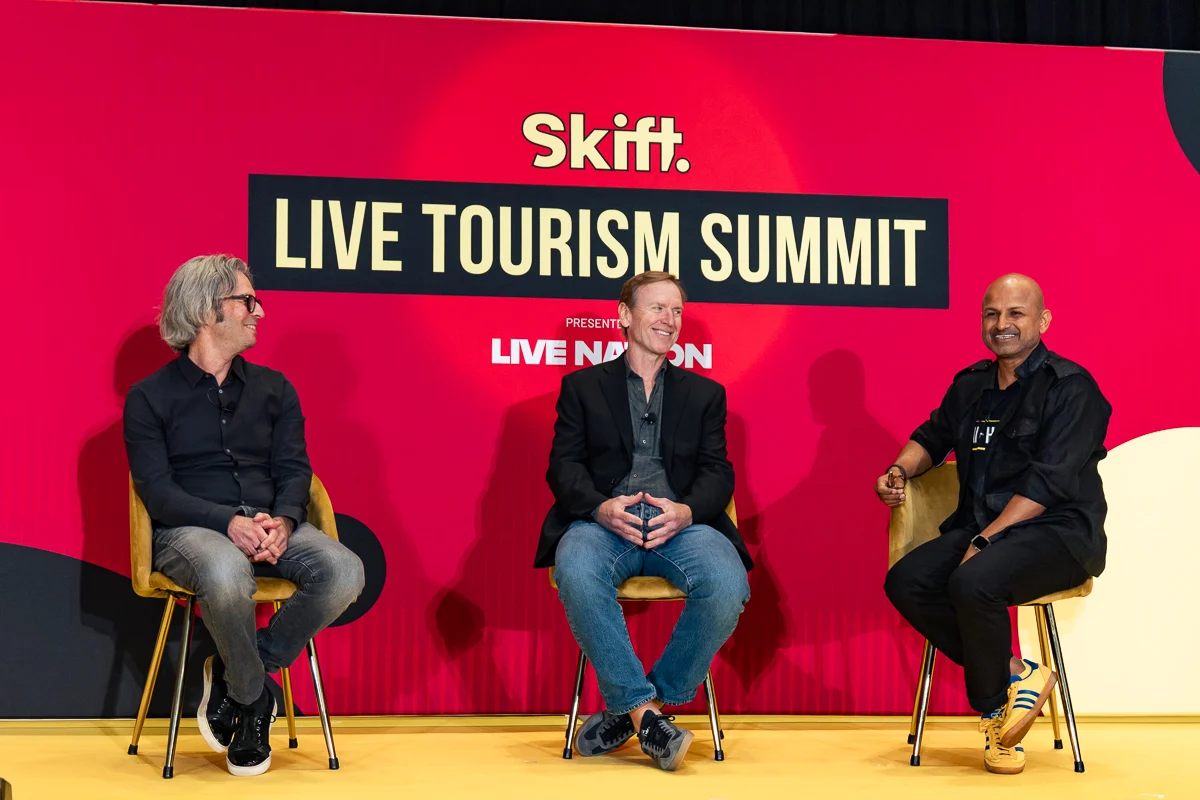
During the inaugural Live Tourism Summit, industry leaders and analysts gathered to dissect this emerging trend. Rafat Ali, founder and CEO of Skift, highlighted a critical disconnect between the entertainment and travel sectors. According to Ali, while travel companies are often reactive, the demand for live tourism is "baked in" months, and sometimes years, in advance. This visibility provides a unique opportunity for the travel industry to move beyond traditional forecasting and align its infrastructure with the long-term schedules of global entertainment tours and major sporting tournaments.
The Disconnect Between Event Visibility and Travel Readiness
The central thesis of the Live Tourism Summit was the realization that entertainment companies often possess a clearer picture of future travel demand than the travel companies themselves. When a major artist announces a two-year world tour or a city is awarded a major sporting event like the FIFA World Cup or the Olympic Games, the demand for flights and hotel rooms is essentially locked in the moment the dates are publicized.
In traditional travel planning, a hotel might look at the third week of July and predict high occupancy based on the fact that it is mid-summer. However, a live tourism approach recognizes that the third week of July in a specific city might see a 300% surge in demand because of a specific three-day music festival. The challenge lies in the fact that travel inventory—such as airline seats and hotel rooms—is often managed through revenue management systems that prioritize historical data over these specific, high-impact future events.
Rafat Ali noted that companies producing concerts, sports, and festivals see the consumer’s intent to travel long before the airline or the hotel. By the time a traveler begins searching for a flight to a concert destination, the "live tourism" demand has already been established in the entertainment ecosystem. The goal for the travel industry now is to integrate this visibility into their operational strategies, allowing for better pricing, staffing, and capacity management.
A Chronology of the Live Tourism Phenomenon
The rise of live tourism can be traced through several distinct phases over the last two decades, evolving from a niche market into a primary driver of the global experience economy.
- The Rise of the Destination Festival (2000–2010): Events like Coachella in the United States and Tomorrowland in Belgium proved that consumers were willing to travel across continents for a specific weekend of entertainment. These events transformed small or remote locations into global hubs for a limited window, creating a blueprint for event-based travel.
- The Digital Transformation and Global Ticketing (2010–2019): The proliferation of online ticketing platforms and social media allowed fans to track their favorite performers globally. This period saw the birth of "gig-tripping," where fans would fly to different countries to see a show, often finding it cheaper or more experiential than attending a local performance.
- The Post-Pandemic Experience Surge (2022–Present): Following the global lockdowns of the COVID-19 pandemic, consumer behavior shifted dramatically toward "revenge travel" and a preference for experiences over material goods. This era has been defined by "megatours," such as Taylor Swift’s Eras Tour and Beyoncé’s Renaissance Tour, which have had measurable impacts on the GDP of host nations.
Supporting Data: The Economic Weight of Live Events
The scale of live tourism is no longer a matter of anecdotal evidence; the data suggests it is a massive economic engine. According to recent industry reports, the "Eras Tour" alone was projected to generate over $5 billion in economic impact in the United States. In cities like Chicago and Las Vegas, hotel occupancy reached record highs during the tour dates, with room rates increasing by as much as 45% compared to the same period in previous years.
Furthermore, a study by Oxford Economics on the impact of major sporting events found that for every dollar spent on a ticket for a major event, an additional $4.50 is typically spent in the local economy on transportation, lodging, food, and retail. In the case of Formula 1’s Las Vegas Grand Prix, the event was estimated to bring in over $1.2 billion in total economic impact to the city, surpassing even the Super Bowl in terms of direct visitor spending.
Travel data platforms have also noted a shift in search behavior. During the 2024 Paris Olympics, flight searches to France from international markets increased by over 25% year-over-year. More importantly, these searches occurred much earlier than typical vacation searches, confirming Ali’s assertion that live tourism demand is "baked in" well in advance.
Industry Reactions and Strategic Shifts
The travel industry is beginning to respond to this shift with new partnerships and technological integrations. Official statements from major hotel groups suggest a move toward "event-centric" marketing.
"We are no longer just selling a bed; we are selling the home base for an experience," stated a senior executive from a major global hotel chain during a panel at the summit. "If we know a major tournament is coming to a city three years from now, our sales and marketing teams are already coordinating with local organizers to create packages that include transport and exclusive event access."
Airlines are also adjusting their strategies. United Airlines and Delta have both experimented with adding "special event flights"—additional capacity specifically timed around major events like the Super Bowl or major music festivals. This move acknowledges that the traditional hub-and-spoke model may need temporary adjustments to accommodate the massive, concentrated surges in demand that live tourism creates.
Furthermore, travel technology companies are developing tools to bridge the data gap. New API integrations are allowing hotel revenue management systems to pull in tour dates and event schedules automatically. This allows hotels to adjust their "base rate" before the first fan even begins their search, ensuring that the property captures the full value of the increased demand.
Broader Impact and Implications for the Future
The implications of the live tourism boom extend far beyond increased hotel rates. It is reshaping urban development and tourism board strategies worldwide. Cities are now competing to host major tours and events not just for the immediate revenue, but for the global visibility they provide.
However, this shift also brings challenges. The phenomenon of "event-driven inflation" can make cities unaffordable for regular residents and non-event travelers during peak windows. There are also concerns regarding infrastructure strain. When a city designed for 500,000 people suddenly hosts an additional 100,000 visitors for a weekend, transport networks and emergency services are pushed to their limits.
Analysis suggests that for live tourism to be sustainable, there must be a move toward "recurring" event investment. As discussed at the Live Tourism Summit, the most successful destinations will be those that don’t just rely on one-off megatours but invest in recurring festivals and annual sporting fixtures. This allows for more permanent infrastructure improvements and a more stable year-over-year economic contribution.
The visibility afforded by live entertainment schedules gives the travel industry a rare gift: the ability to see the future. By aligning the "travel calendar" with the "live calendar," companies can move from a reactive stance to a proactive one. This alignment promises to create a more seamless experience for the traveler, a more profitable model for the provider, and a more robust economic impact for the host destination.
As the industry moves forward, the focus will likely shift toward hyper-personalization. For example, loyalty programs may soon offer "event-first" rewards, allowing frequent flyers to use points not just for a flight, but for a guaranteed ticket to a sold-out concert. The integration of the entertainment and travel sectors is only just beginning, and as Rafat Ali concluded at the summit, those who fail to look at the live entertainment calendar are essentially ignoring the most reliable roadmap for the future of global travel.