The transition to capacitive buttons represents a pivotal moment where engineering ambition, financial pressures, and aesthetic desires collided with the fundamental principles of human-machine interface (HMI) design. As drivers find themselves accidentally triggering steering wheel functions or struggling to adjust climate settings without taking their eyes off the road, the industry is being forced to reconsider the "empty chair" at the board table—the voice of the customer.
The Engineering and Economic Motivation
The shift toward capacitive controls was not a random design whim; it was a calculated move driven by several converging factors. From an engineering perspective, capacitive sensors—which detect the electrical properties of the human body to register a "touch"—offer a streamlined alternative to traditional mechanical switches.
Financially, the appeal is clear. A traditional physical button requires a complex assembly: a plastic cap, a mechanical spring or membrane, electrical contact points, and dedicated wiring. In contrast, a capacitive interface can be integrated into a single printed circuit board (PCB) located behind a uniform plastic surface. This reduces the number of moving parts, simplifies the assembly process, and significantly lowers manufacturing costs when scaled across hundreds of thousands of vehicles.
Furthermore, capacitive surfaces align with the "smartphone-ification" of the modern car. As Tesla popularized the large central touchscreen, other manufacturers felt compelled to follow suit with "cleaner" interiors. Removing physical buttons allowed designers to create seamless, "dead-fronted" surfaces that appear black and uniform until the vehicle is powered on. This aesthetic minimalism became a shorthand for "premium" and "high-tech" in marketing brochures, even if the functional reality told a different story.
The Failure of Ergonomics: Why Touch Isn’t Always Better
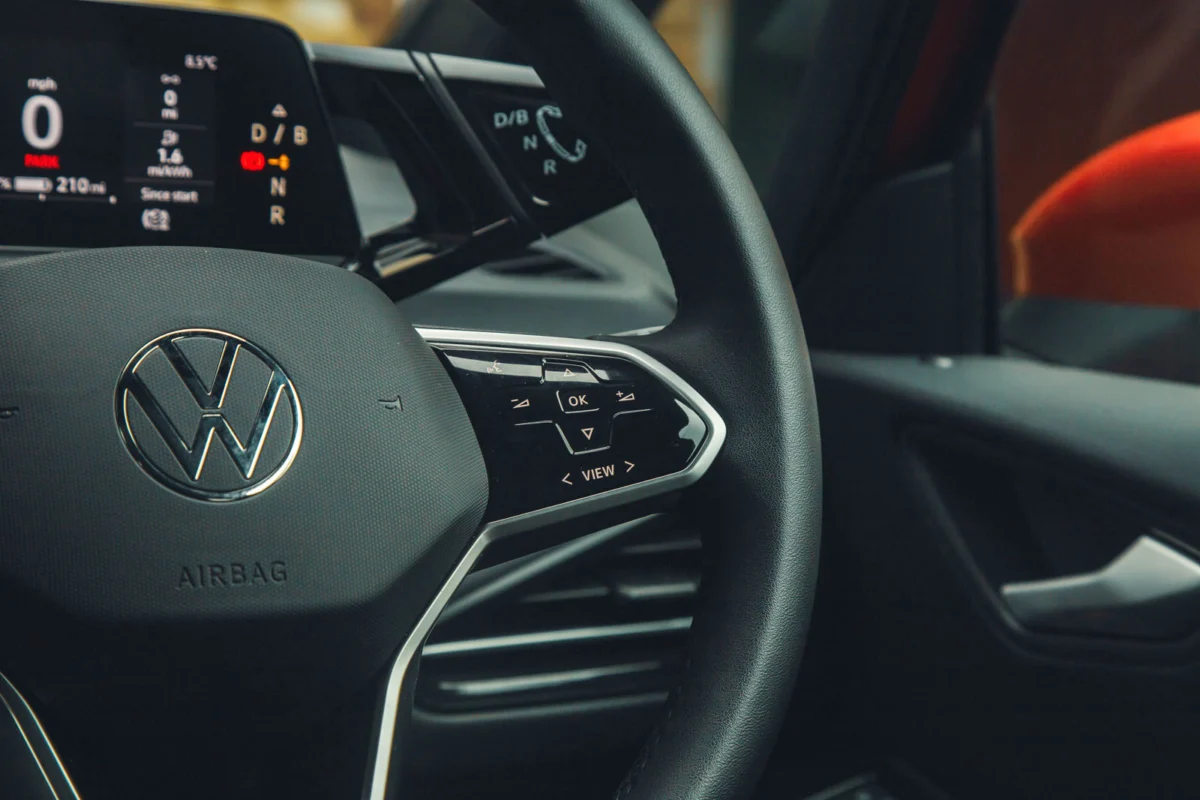
The primary criticism of capacitive buttons, particularly those located on steering wheels, is the lack of tactile feedback. In a traditional car, a driver develops muscle memory, allowing them to locate a volume knob or a cruise control toggle by feel alone. The physical "click" provides immediate confirmation that an action has been performed.
Capacitive surfaces negate this sensory loop. Without a physical boundary or a mechanical throw, drivers are often forced to look at the control to ensure their finger is correctly positioned. This increases "eyes-off-road" time, a critical metric in automotive safety. Furthermore, these surfaces are prone to "ghost touches" or accidental activations. A driver turning the steering wheel during a tight maneuver might brush against a capacitive pad, inadvertently changing the radio station or, more dangerously, deactivating a driver-assistance system.
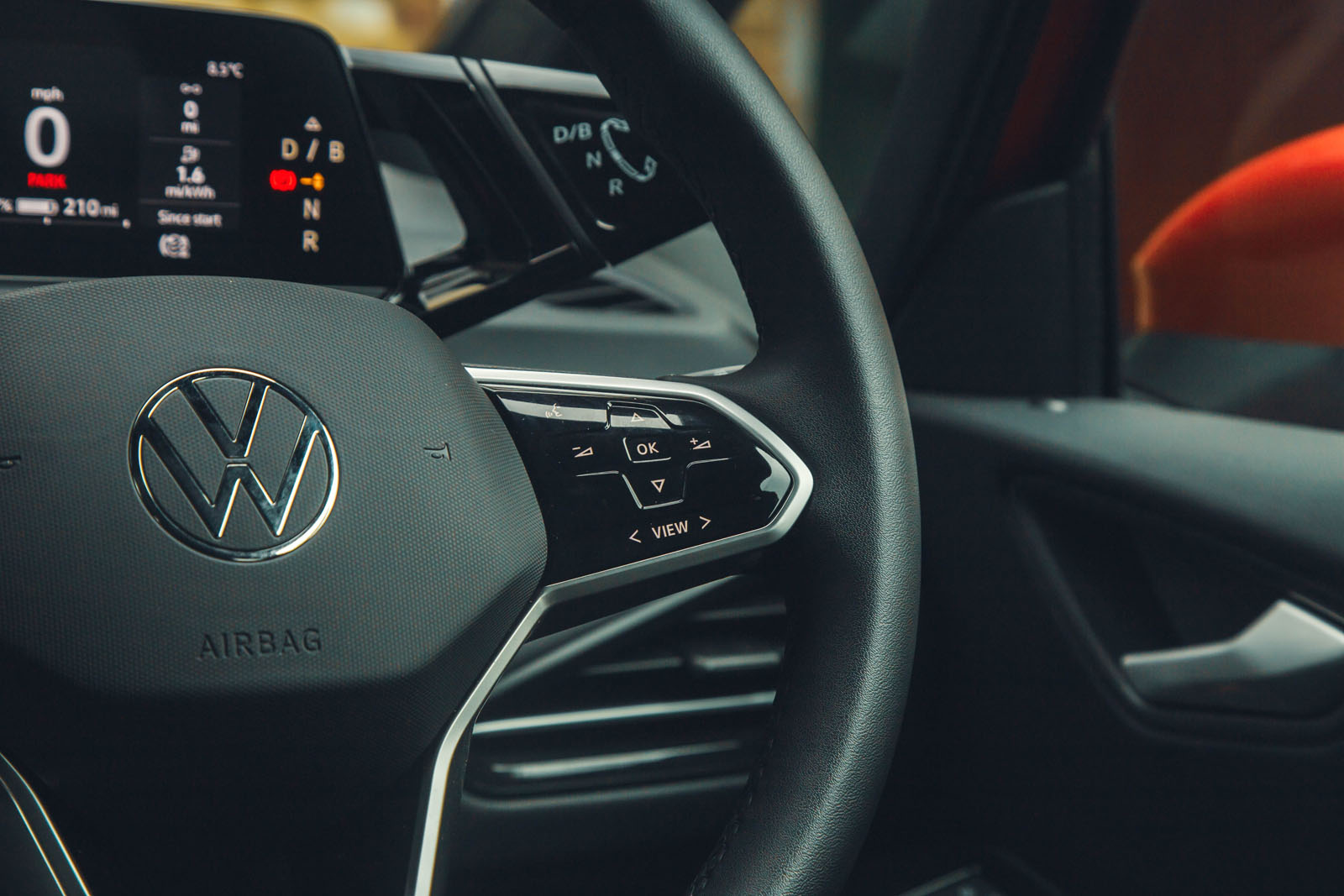
The issue is compounded by "haptic feedback" solutions—small vibrations intended to mimic a button press. While an improvement over flat glass, these systems often feel artificial and do not solve the problem of locating the button without visual confirmation.
A Chronology of the Capacitive Shift and Subsequent Retreat
The timeline of the capacitive button’s rise and fall illustrates a classic "hype cycle" in automotive technology:
- 2012–2017: The Early Adopters. Following the success of the Tesla Model S, luxury brands began experimenting with touch-sensitive panels for secondary functions like climate control.
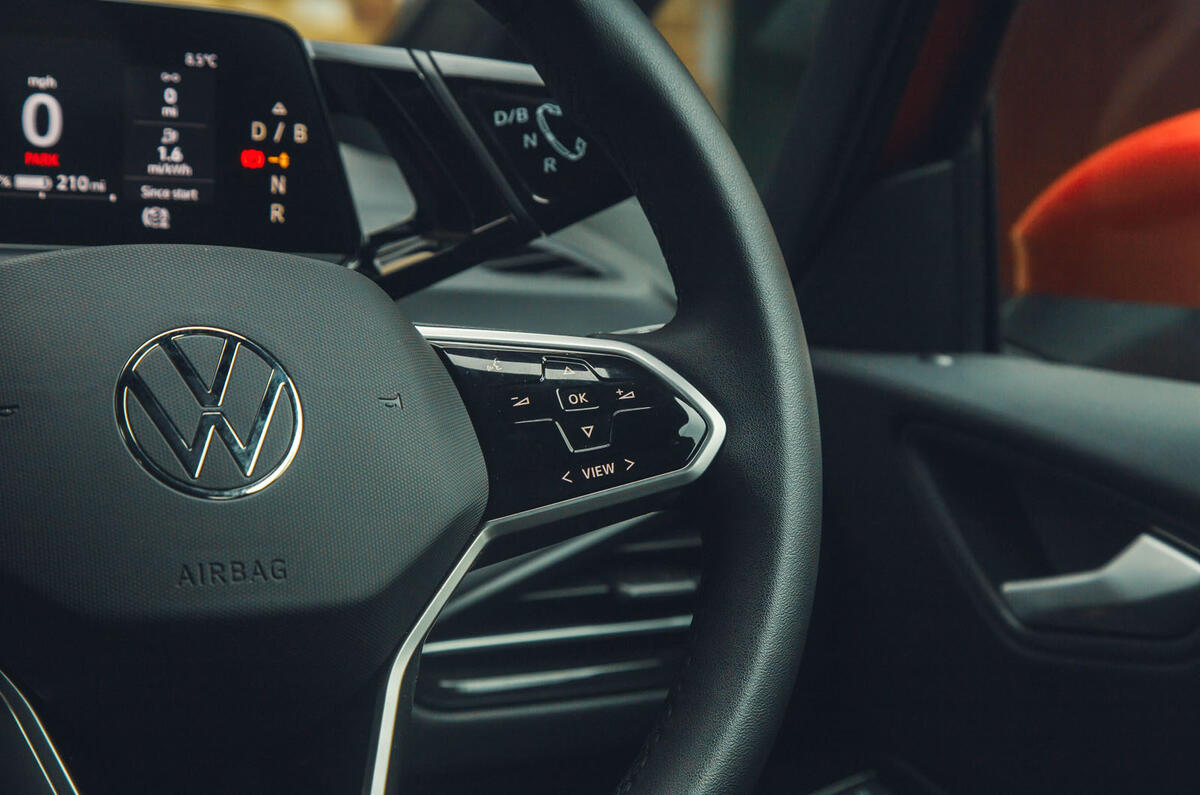
- 2019–2020: The Peak of Minimalism. Volkswagen launched the Golf Mk8 and the ID.3 electric hatchback. These models became the poster children for the capacitive movement, featuring touch-sensitive sliders for volume and temperature, and capacitive pads on the steering wheel.
- 2021–2022: The Consumer Backlash. Automotive journalists and owners began voicing significant complaints. Reviews of Volkswagen, Mercedes-Benz, and Ferrari models frequently highlighted the "fiddly" and "infuriating" nature of the new controls.
- 2023: The Great Reversal. Volkswagen CEO Thomas Schäfer publicly acknowledged that the capacitive steering wheel buttons were a mistake, stating they "did a lot of damage" to the brand’s relationship with loyal customers. He promised a return to physical buttons in upcoming models.
- 2024 and Beyond: The Regulatory Intervention. Euro NCAP (European New Car Assessment Programme) announced new guidelines for 2026, signaling that vehicles must have physical controls for essential functions to achieve a five-star safety rating.
Supporting Data: Safety and Consumer Sentiment
Research into driver distraction supports the move back to physical controls. A study conducted by the Swedish car magazine Vi Bilägare compared the time taken to perform common tasks (adjusting the radio, climate, and trip computer) in a 2005 Volvo V70 with physical buttons versus several modern cars with touchscreens and capacitive pads.
The results were stark: the driver of the 2005 Volvo completed the tasks in 10 seconds while traveling 300 meters at 110 km/h. In some modern vehicles, the same tasks took nearly 45 seconds, during which the car traveled over 1.3 kilometers.
Additionally, data from the American Automobile Association (AAA) Foundation for Traffic Safety suggests that complex infotainment and touch-sensitive interfaces can visual and cognitive demand on drivers to levels equivalent to texting while driving. The lack of "blind usability" in capacitive systems is a significant contributor to this increased cognitive load.
The Euro NCAP Mandate: A Turning Point
The most significant blow to the capacitive trend came from Euro NCAP. Starting in 2026, the safety organization will penalize manufacturers who do not provide physical switches for five key areas:
- Turn signals (indicators)
- Hazard lights
- Windscreen wipers
- The horn
- SOS functions (eCall)
While this mandate focuses on critical safety functions, it signals a broader shift in the regulatory landscape. Matthew Avery, director of strategic development at Euro NCAP, noted that the industry-wide migration to touchscreens and touch-sensitive controls was "an industry-wide problem," leading to drivers taking their eyes off the road and increasing the risk of distraction-related crashes.
Official Responses and Brand Pivot Strategies
The reaction from major automakers has been one of uncharacteristic humility. Volkswagen, once the loudest proponent of the "all-digital" interior, has been the most vocal about its retreat. The facelifted Volkswagen Golf (Mk8.5) and the new Tiguan have officially ditched capacitive steering wheel pads in favor of traditional click-buttons.
"We are listening to our customers," Thomas Schäfer noted in a LinkedIn post that went viral among automotive circles. "We are sharpening our portfolio and our design, plus creating a new simplicity in operating our vehicles."
Mercedes-Benz has also faced criticism for its "Hyperscreen" and capacitive steering wheel spokes. While they have not fully reverted to old-school buttons, they have begun refining the haptic response and software logic to reduce accidental triggers. Meanwhile, brands like Mazda and Honda have been vindicated for their "conservative" approach. Mazda, in particular, has long maintained that a rotary controller on the center console is safer than a touchscreen because it allows the driver to maintain a consistent seating position and keep their eyes on the horizon.
The "Empty Chair" and the Future of Automotive UX
The Jeff Bezos "empty chair" philosophy, mentioned by Jamie Corstorphine in the original Autocar piece, serves as a poignant metaphor for what went wrong. In the rush to innovate and cut costs, the actual experience of the person sitting in the driver’s seat was sidelined in favor of "lab-perfect" designs.
The "truth" about capacitive buttons is that they were a solution to a problem that didn’t exist. Customers were not asking for harder-to-use volume controls; they were asking for better software and more connectivity. By confusing "modernity" with "touch-sensitivity," manufacturers ignored the biological reality of human tactile perception.
The future of the car interior is likely a "hybrid" model. Large screens will remain for navigation and media, where visual richness is an asset. However, the "hot keys"—volume, climate, and driving modes—are making a triumphant return to physical form. This shift represents a maturation of the industry: moving past the novelty of touch technology toward a more sophisticated, safety-conscious application of digital tools.
As we move toward 2026, the question "Who signed this off?" will likely be replaced by a more rigorous testing phase that prioritizes ergonomic safety over aesthetic purity. The capacitive button era will be remembered as a brief, frustrating detour in the history of the automobile—a reminder that in the world of high-speed travel, the simplest mechanical solution is often the most sophisticated.