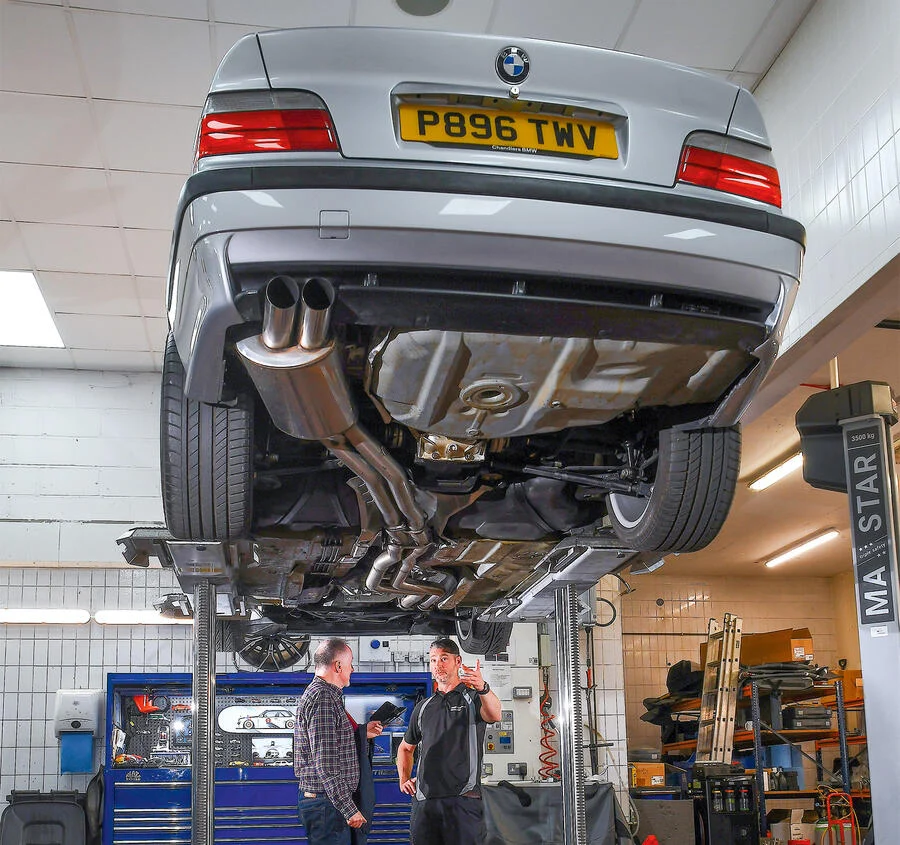
The automotive landscape is currently defined by a rapid transition toward electrification and digital integration, exemplified by flagship models such as the BMW XM, a high-performance plug-in hybrid featuring complex software and 738 lb-ft of torque. However, BMW UK is simultaneously looking backward to ensure its heritage remains roadworthy. In a strategic shift designed to bridge the gap between cutting-edge innovation and mechanical legacy, the manufacturer has officially appointed four "BMW Classic Partners" within its existing retail network. These dealerships are undergoing specialized re-training and equipment upgrades to service, repair, and restore BMW models that have been out of production for at least a decade, including the iconic E46 3 Series and its predecessors dating back to 1960.
This initiative addresses a growing divide in the automotive service industry. As modern BMWs become increasingly reliant on high-voltage systems and over-the-air updates, the specialized mechanical skills required to maintain "Youngtimer" classics—cars produced between the late 1980s and the early 2010s—have begun to vanish from the standard workshop. By designating specific Classic Partners, BMW aims to provide owners of the E46 (1998–2006), the E36 (1990–2000), and even older models with the same level of professional "main dealer" care typically reserved for showroom-fresh vehicles.
The Strategic Pivot Toward Heritage Maintenance
The decision to formalize classic car support within the main dealer network is a response to the shifting demographics of car ownership and the surging value of "modern classics." For years, owners of older BMWs often migrated toward independent specialists once their vehicles aged out of standard warranty periods. BMW UK’s new program seeks to reclaim this segment of the market by offering a "one-stop shop" for both the latest M-cars and the vintage models that established the brand’s reputation for driving dynamics.
The four initial Classic Partners are strategically located to test the viability of this integrated service model. These dealerships are equipped with period-correct diagnostic tools—such as the BMW Group Tester One (GT1) and the Diagnostic and Information System (DIS)—which are necessary for communicating with the early electronic control units (ECUs) found in cars like the E46 3 Series and the E38 7 Series. This technical infrastructure is paired with a workforce of technicians who are being re-educated in the nuances of mechanical fuel injection, manual gearbox overhauls, and the specific cooling system requirements of the straight-six engines that defined BMW’s 20th-century output.
Chronology of the BMW Legacy: From the New Class to the 2010 Cutoff
To understand the scope of this re-training effort, one must look at the timeline of the vehicles now covered under the Classic Partner umbrella. The program is not limited to the "veteran" cars of the 1960s; it encompasses a broad spectrum of engineering philosophies:
- The Foundation (1960–1975): This era includes the "New Class" sedans and the 2002, which saved the company from financial ruin. These cars require traditional mechanical expertise, including carburetor tuning and points-based ignition systems.
- The Golden Era (1975–1995): This period saw the birth of the 3, 5, and 7 Series nomenclature. Technicians must handle early Bosch fuel injection systems (L-Jetronic and Motronic) found in the E30 3 Series and the E28 5 Series.
- The Digital Transition (1995–2010): The primary focus of the new training program is the era of the E46 3 Series, E39 5 Series, and the E53 X5. These vehicles represent the "sweet spot" of BMW engineering—analogue driving feel combined with early digital management. The cutoff for the program is currently 2010, meaning the E90 3 Series and the E60 5 Series are now officially entering the "Classic" realm in the eyes of the manufacturer.
By including cars produced as recently as 2010, BMW is acknowledging that the complexity of early 21st-century electronics requires a level of diagnostic precision that many generalist garages cannot provide.
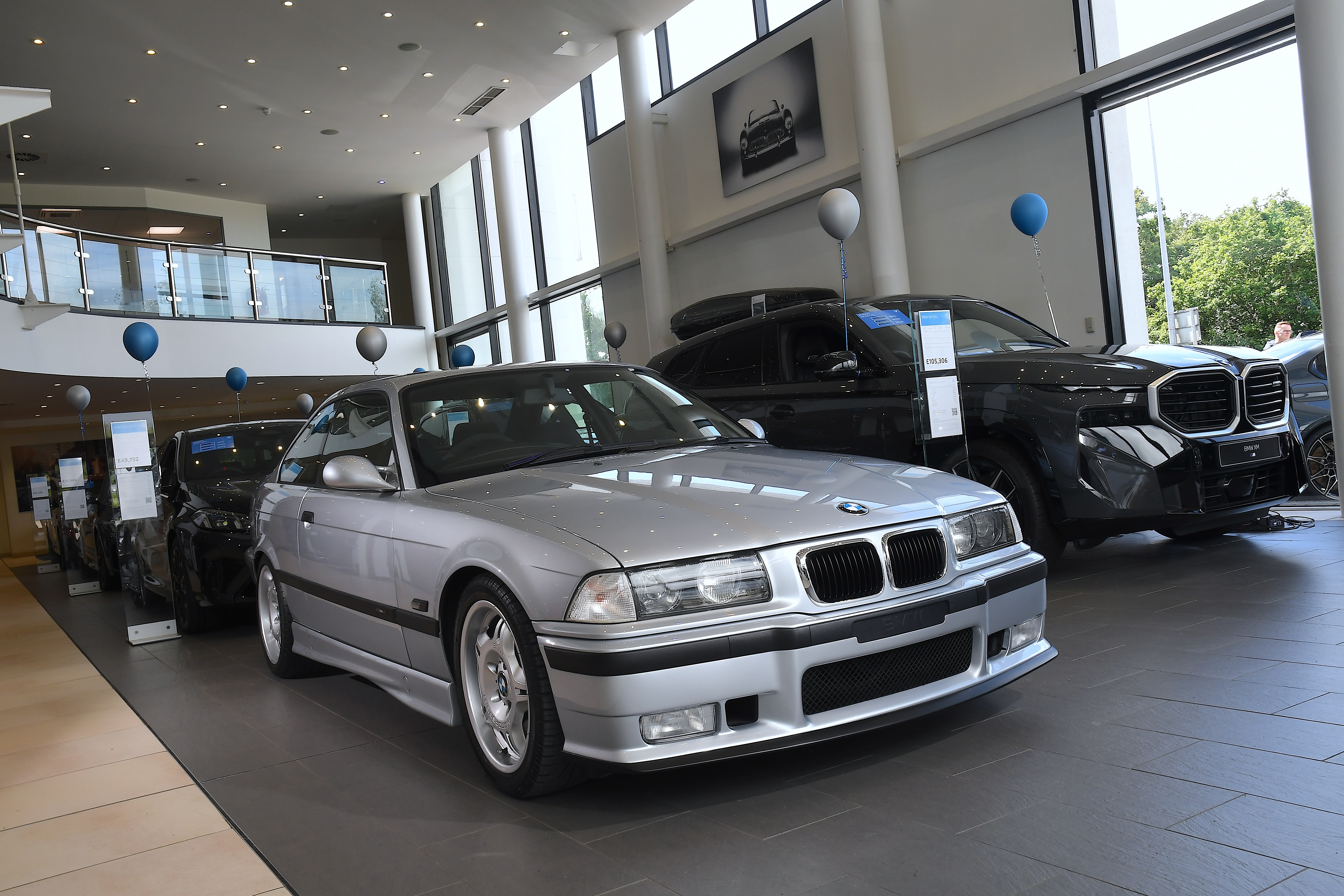
The E46 3 Series: A Modern Classic Case Study
The E46 3 Series, produced between 1998 and 2006, serves as the centerpiece of this initiative. Widely regarded by enthusiasts as the pinnacle of the 3 Series lineage, the E46 combined timeless design with a chassis that offered a perfect 50:50 weight distribution. However, as these cars age, they face specific "lifecycle" issues that require expert intervention.
Common issues such as rear subframe cracking, VANOS (variable valve timing) unit failure, and cooling system fatigue are well-documented in the enthusiast community. Through the Classic Partner program, BMW is offering standardized repair protocols for these issues using Genuine BMW Parts. This is a significant development for the market; a "Main Dealer Service History" for an E46 M3 or a 330i Sport has historically carried a premium in the used car market. By formalizing this support, BMW is effectively helping to stabilize and even increase the residual values of these vehicles.
Market Data and the Economic Case for Classic Servicing
The classic car industry in the United Kingdom is a multi-billion pound sector. According to data from the Federation of British Historic Vehicle Clubs (FBHVC), the historic vehicle movement contributes over £7 billion annually to the UK economy. Within this sector, the "Modern Classic" niche—defined by cars from the 1980s to the 2000s—is the fastest-growing segment.
Internal market analysis suggests that the demand for high-quality maintenance for E46 and E36 models has risen by nearly 40% over the last five years. As the prices of these models climb—with pristine E46 M3s now frequently fetching over £30,000 at auction—owners are more willing to invest in premium servicing to preserve their assets. BMW’s Classic Partner program capitalizes on this trend, ensuring that the revenue generated by these older vehicles stays within the official network rather than leaking to the aftermarket.
Furthermore, BMW’s parts logistics system currently maintains an inventory of over 55,000 unique components for classic models. The Classic Partners have direct, prioritized access to this catalog, ensuring that even obscure trim pieces or internal engine components for a 1990s 8 Series can be sourced and fitted with a two-year warranty.
Technical Re-Training: Bridging the Skills Gap
The most significant challenge in this program is the human element. A technician who has spent the last five years working exclusively on the BMW iX or the XM is accustomed to a "replace rather than repair" philosophy driven by modular electronic components. Classic cars, conversely, require a "detective" mindset.
The re-training program involves:
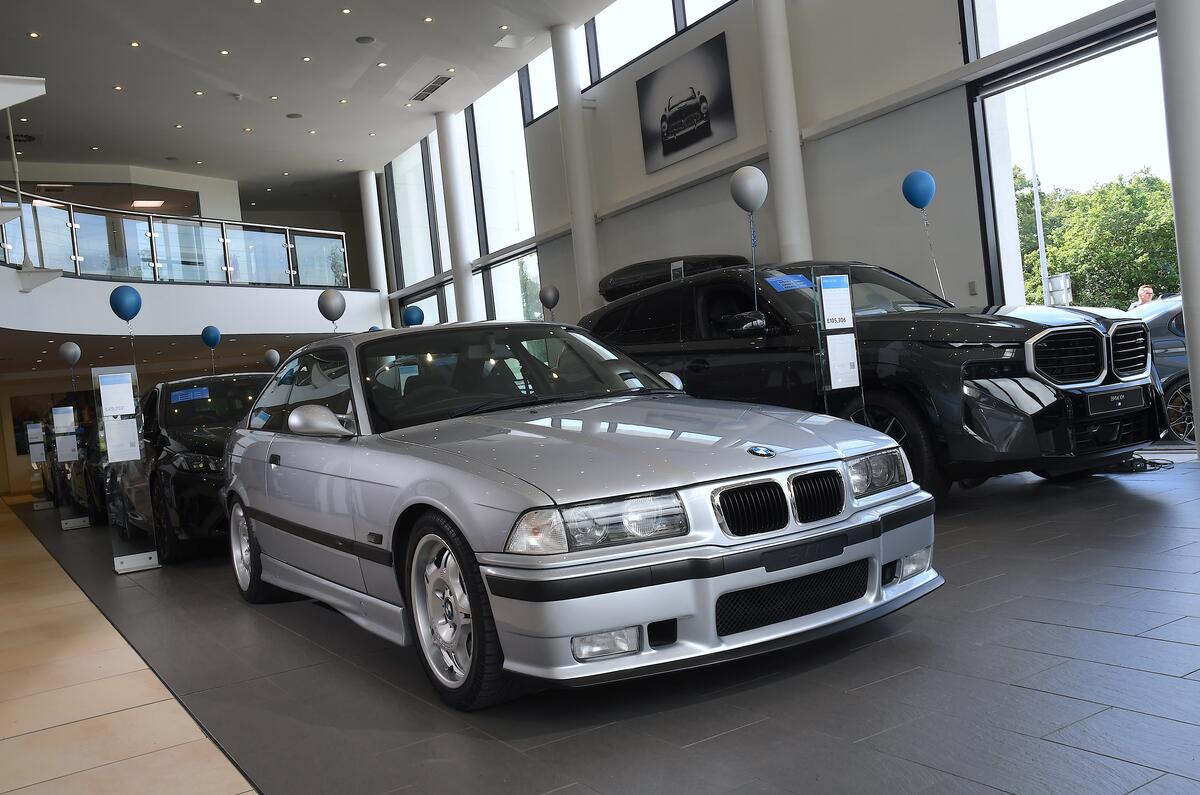
- Mechanical Sympathy: Teaching younger technicians how to "listen" to an engine and diagnose vacuum leaks or valve clearances without relying solely on a laptop screen.
- Specialized Tooling: Re-introducing manual lathes and specialized pullers that were standard in workshops in the 1980s but have since been mothballed.
- Legacy Software: Training staff to use the BMW SSS (Service Station Software) and other legacy platforms that pre-date the current ISTA+ systems used for modern G-series BMWs.
This cross-generational transfer of knowledge is essential. Without it, the expertise required to keep a 1970s 3.0 CSL or a 1990s E31 8 Series on the road would eventually disappear as older master technicians retire.
Official Responses and Industry Implications
While BMW UK has been measured in its rollout, the initial feedback from the four appointed dealers suggests a high level of enthusiasm. Dealership representatives have noted that the program allows them to engage with "brand purists" who may have felt alienated by the company’s aggressive move toward SUVs and electrification.
"The goal is to ensure that a BMW remains a BMW, regardless of whether it was built in 1974 or 2024," a source familiar with the program stated. "By bringing these cars back into our workshops, we are honoring our history while providing a tangible service to the collectors who are the most vocal advocates for the brand."
The implications for the broader automotive industry are profound. BMW is following a path blazed by Porsche with its "Porsche Classic" centers and Mercedes-Benz with its "Classic Partner" network. By treating older cars as a core part of the business rather than a legacy burden, these manufacturers are creating a "circular economy" of parts and service.
Analysis of Long-Term Impact
The expansion of the BMW Classic Partner program in the UK signals a broader shift in how legacy manufacturers view their heritage. In an era where the "Right to Repair" is a hot-button political issue, BMW is positioning itself as a proactive supporter of vehicle longevity.
For the owner of an E46 3 Series, this news provides peace of mind. It ensures that as independent specialists become busier or their founders retire, there will always be a certified location capable of maintaining the vehicle to factory standards. For the collector market, it adds a layer of "officialdom" to the maintenance of youngtimers, likely driving further appreciation in the values of well-maintained examples.
Ultimately, the move from "XM to E46" represents a holistic approach to the brand. While the XM showcases the future of performance, the E46 represents the soul of the company’s past. By re-training dealers to handle both, BMW is ensuring that its "Ultimate Driving Machine" moniker remains relevant across seven decades of automotive history. As the program matures, it is expected that more of the UK’s 150+ BMW dealerships will seek Classic Partner status, turning the local showroom back into a sanctuary for the mechanical craftsmanship of yesteryear.