The September Registration Surge and the 76 Plate Phenomenon
The UK’s biannual plate change remains a cornerstone of the domestic automotive economy. The transition from the "26" and "76" plates in 2026 follows a pattern established decades ago, designed to smooth out demand across the year, though it often results in two massive spikes in March and September. For dealerships, September is not merely about volume; it is about survival and meeting the performance metrics set by global headquarters.
As the "76" plate debuts, showrooms across the country are shifting their strategy. The focus has moved from maintaining high margins to securing high registration numbers. This shift is driven by the need to clear 2026 inventory before the arrival of 2027 models and to balance the books ahead of the final quarter. In this environment, the "nearly new" sector—comprising vehicles that are typically less than a year old with low mileage—finds itself in direct competition with heavily incentivized new cars. Traditionally, a nearly new car offers the "new car smell" and latest technology at a 15-20% discount. But with main dealers currently offering 10-15% off some new models to entice "76" plate buyers, the value proposition of the nearly new market is being put to the ultimate test.
Comparative Analysis: New vs. Nearly New in the 2026 Market
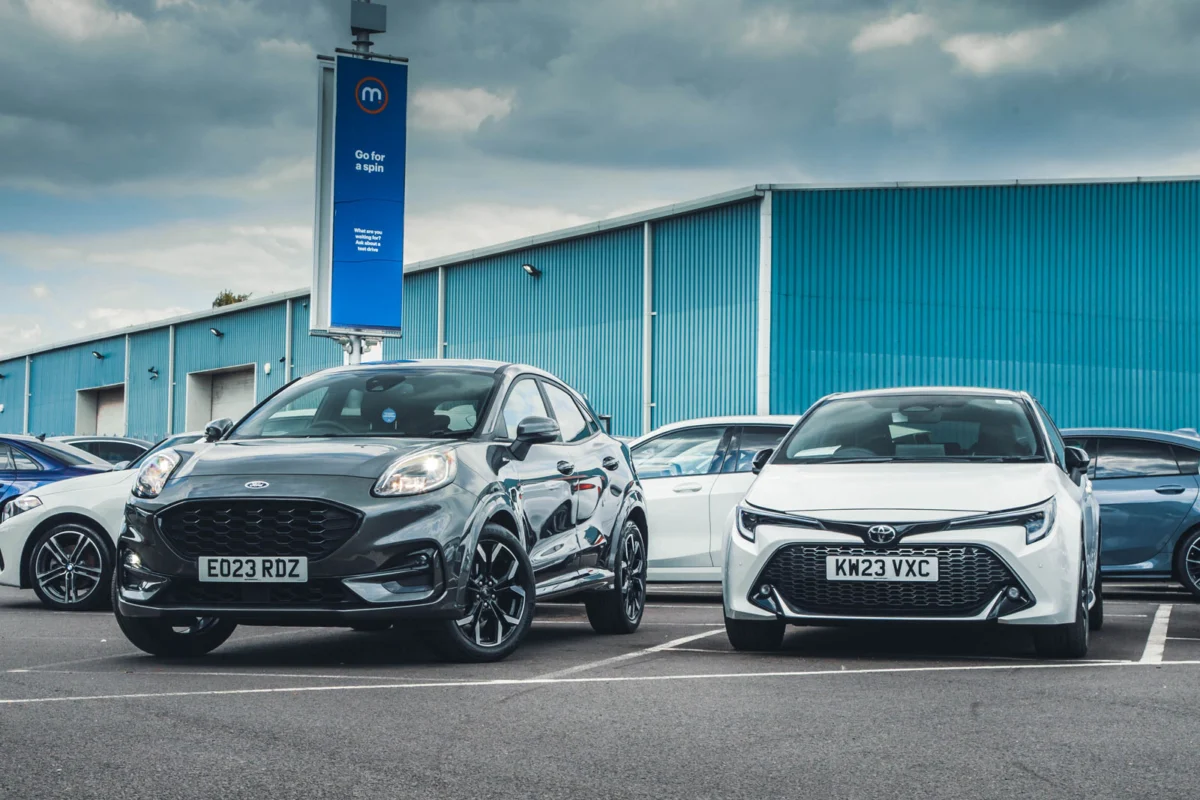
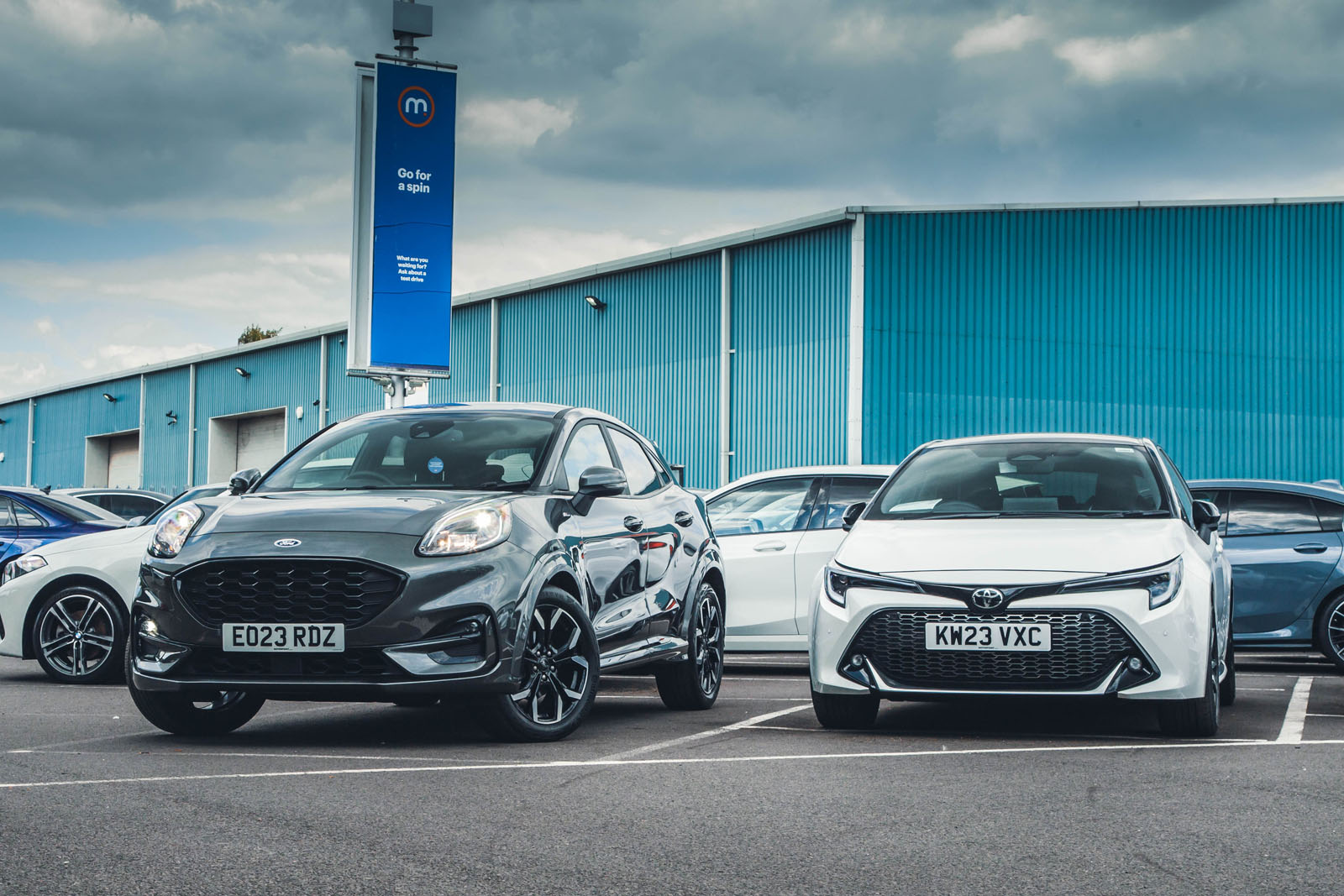
To understand the current market dynamics, an analysis of three distinct vehicle segments reveals how nearly new prices are holding up against discounted new car offers. By comparing advertised prices from major car supermarkets, such as Motorpoint, against the current slashed prices at main dealerships, a clear hierarchy of value emerges.
The most significant discrepancy is found in the electric vehicle sector, specifically with the Ford Explorer. As Ford continues its aggressive push into the European EV market, the Explorer has become a focal point for volume. Despite main dealers offering substantial discounts on new "76" plate Explorers to meet EV quotas, the nearly new market remains significantly more affordable. Data suggests that a nearly new Ford Explorer currently offers a 35% saving over the discounted price of a brand-new equivalent. This massive gap is attributed to the steep initial depreciation curve often seen in premium EVs, combined with a healthy supply of "pre-registered" or ex-demonstrator units hitting the used market simultaneously.
In the mid-market and emerging brand sector, the Jaecoo 7—a Chinese SUV making significant inroads into the UK—shows a different trend. As a newer brand, Jaecoo is focused on establishing residual value and brand trust. While main dealers are offering competitive deals to get the "76" plate on the road, the nearly new saving sits at approximately 16%. This indicates a more stable pricing strategy where the gap between new and nearly new is narrower, reflecting the brand’s attempt to avoid the "bargain basement" reputation that can plague new entrants.
Finally, the Peugeot 208, a perennial favorite in the B-segment hatchback category, demonstrates the resilience of the internal combustion and hybrid market. The Peugeot 208 remains a high-volume seller with established demand. Even with dealers offering "bumper deals" for September, the nearly new 208 provides a 13% saving over the discounted new price. While this is the smallest saving among the three models analyzed, it still represents several thousand pounds—a significant sum for the budget-conscious demographic that typically shops in this segment.
Chronology of the 2026 Sales Push
The lead-up to the "76" plate change began in earnest during the second quarter of 2026. By June, manufacturers began identifying surplus inventory and adjusting their production forecasts for the UK.
- July 2026: Dealers began "soft" marketing campaigns, encouraging customers to pre-order "76" plate vehicles with the promise of guaranteed delivery slots and locked-in finance rates.
- Early August 2026: The first wave of aggressive discounting appeared. Main dealer groups, anticipating a competitive September, began advertising "early bird" discounts of 5% to 8% to build a strong order bank.
- August 28, 2026: With only days to go until the plate change, the market has reached a fever pitch. Discounts have jumped into the double digits for many brands. Car supermarkets have responded by recalibrating their nearly new stock prices to ensure they maintain a visible "value gap" over the new car offers.
- September 1, 2026: The official launch of the "76" plate. Dealerships will operate extended hours, and the first "76" vehicles will be delivered to customers at midnight.
- September 15–30, 2026: The "Target Crunch." This is the period where the most desperate deals are often struck as dealers strive to hit month-end and quarter-end targets to trigger manufacturer bonuses.
Market Drivers: The ZEV Mandate and Economic Pressure
The intensity of the 2026 September plate change cannot be understood without the context of the UK government’s ZEV mandate. In 2026, manufacturers are required to ensure that a significant percentage of their total sales are zero-emission vehicles. Failure to meet these percentages results in heavy fines. Consequently, the discounts seen on new EVs like the Ford Explorer are not just a sales tactic but a regulatory necessity.
Furthermore, the broader economic climate of 2026 has influenced consumer behavior. While inflation has stabilized compared to the volatility of 2023-2024, interest rates remain at a level that makes monthly finance payments a primary concern for households. This has led to a resurgence in the popularity of Personal Contract Purchase (PCP) deals. Dealers are using the "76" plate change to offer subsidized APR rates, sometimes as low as 0% or 1.9%, to make the higher list price of a new car more palatable compared to the higher interest rates often found on used car loans.
Industry Perspectives and Official Reactions
Industry analysts suggest that the current market saturation is a double-edged sword. A spokesperson for the Society of Motor Manufacturers and Traders (SMMT) noted that while the September surge is positive for national registration figures, the "unprecedented level of discounting" could have long-term effects on residual values.
"The 76 plate change is a vital barometer for the health of the UK automotive sector," the spokesperson stated. "However, the industry must balance the short-term need for registrations with the long-term health of the used car market. If new cars are sold too cheaply today, it depresses the value of those same cars when they return to the market in three years’ time."
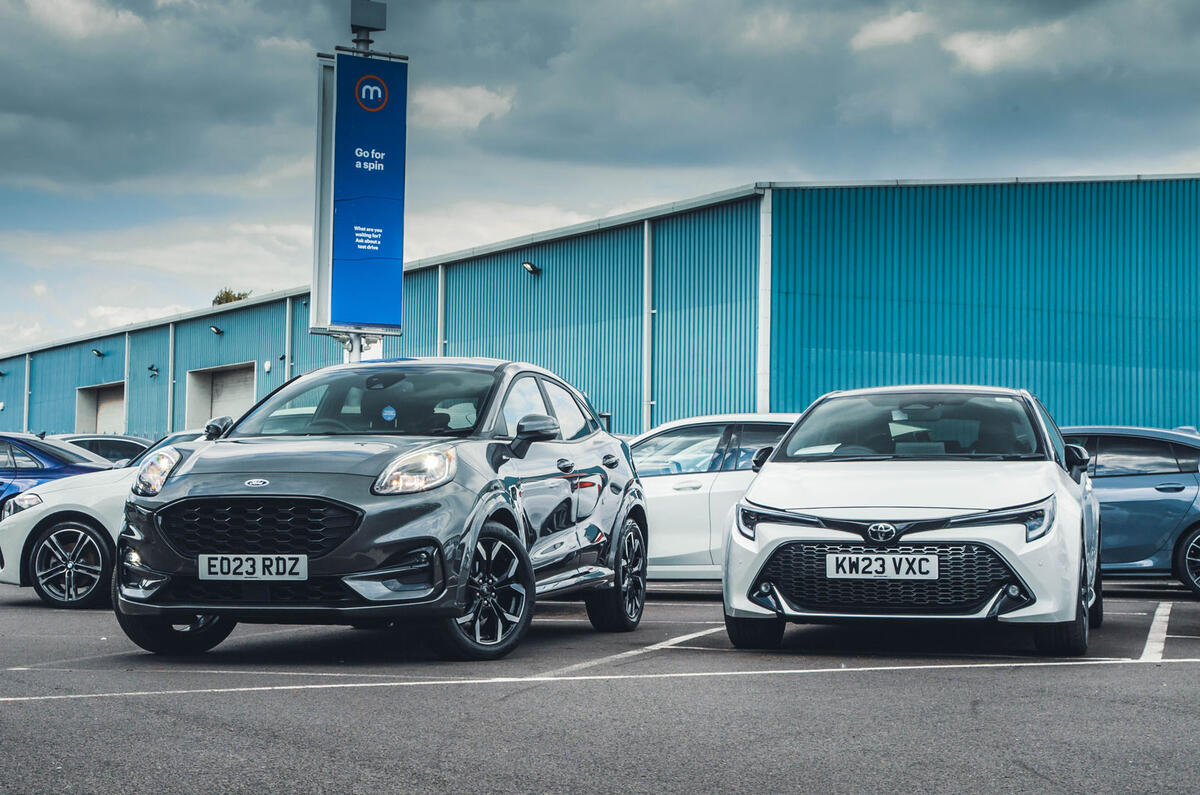
From the perspective of car supermarkets, the sentiment is one of cautious optimism. A representative from the nearly new sector commented: "We are seeing main dealers become incredibly aggressive with their ’76’ plate pricing. However, our data shows that the savvy consumer still looks at the bottom line. Even with a 10% discount on a new car, a nearly new vehicle—which has already taken its biggest depreciation hit—frequently offers a saving that a new car discount simply cannot match. The 35% saving on the Explorer is a prime example of where the real value lies for the pragmatist."
Broader Implications for the Automotive Landscape
The "76" plate change of 2026 may be remembered as the year the price gap between new and used technology began to blur. As vehicles become more like consumer electronics—defined by software updates and battery health—the traditional metrics of "nearly new" are evolving.
For the consumer, the implications are clear: the September market requires more research than ever before. The "bumper deals" advertised by main dealers are genuine, but they often come with caveats, such as the requirement to take out specific finance packages or the limited availability of certain trims. Conversely, the nearly new market offers immediate delivery and a lower entry price, but without the ability to specify the exact color or options from the factory.
As the 76 plate rolls out, the UK car market is proving to be a battlefield of value. Whether consumers opt for the prestige of the latest plate or the fiscal wisdom of a nearly new alternative, the winner in this scenario is the buyer. With high supply, intense competition, and regulatory pressure all converging, the final quarter of 2026 is set to be one of the most consumer-friendly periods in recent automotive history. The shifting strategies of dealers and the resilience of the nearly new sector ensure that, for those ready to sign on the dotted line, the opportunities for a "76" plate bargain—or an even deeper nearly new discount—are abundant.