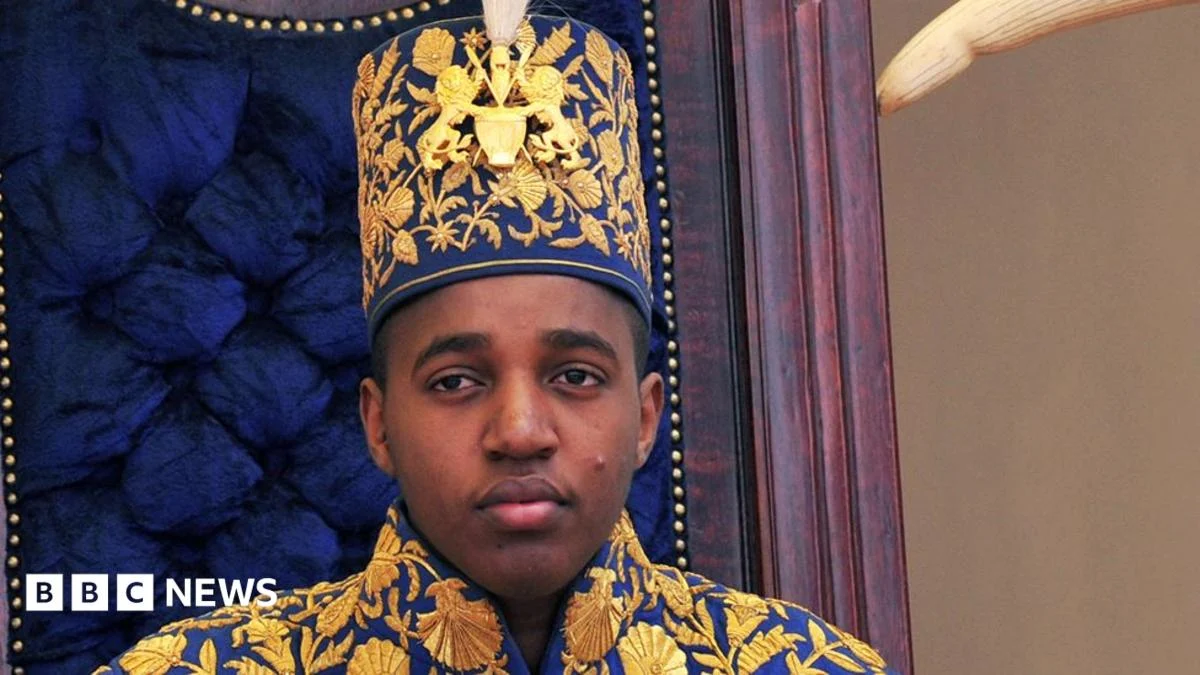
The Kingdom of Tooro in western Uganda is in profound mourning following the untimely death of its monarch, His Majesty King Oyo Nyimba Kabamba Iguru Rukidi IV, who passed away at the age of 34. The announcement was made by Tooro’s Prime Minister, Calvin Armstrong Rwomiire Akiiki, marking the end of a reign that began remarkably at the tender age of three, earning King Oyo the distinction from Guinness World Records as the world’s youngest reigning monarch. His passing, confirmed on a recent Thursday, has cast a pall over the kingdom, prompting calls for unity and prayer during this period of immense grief. While the official cause of King Oyo’s death was not immediately disclosed by the Tooro Kingdom, local media reports, citing a Ugandan government minister, indicated that the monarch had been critically ill and was seeking specialized medical treatment in the United States prior to his demise. This tragic event not only signifies a deep loss for the Batooro people but also initiates a critical period of transition and succession within one of Uganda’s historically significant traditional institutions.
A Reign Forged in Youth: King Oyo’s Extraordinary Ascension
Born in 1992, Oyo Nyimba Kabamba Iguru Rukidi IV inherited the throne of Tooro in 1995 following the unexpected death of his father, King Patrick Matthew Kaboyo Olimi III. His accession at just three years old was an unprecedented event in modern monarchical history, immediately drawing international attention to the small kingdom nestled amidst Uganda’s Great Rift Valley. The image of a toddler king, clad in royal regalia, attending his enthronement ceremonies, became iconic, symbolizing both the resilience and the unique cultural heritage of African traditional monarchies.
Given his extreme youth, the day-to-day administration of the Tooro Kingdom during King Oyo’s formative years was overseen by a regency council. This council, comprising prominent figures including his mother, Queen Best Kemigisa Olimi, played a pivotal role in guiding the kingdom through a complex period of post-restoration consolidation. Traditional monarchies in Uganda had been abolished by the Milton Obote government in 1967, only to be ceremonially restored by President Yoweri Museveni in 1993, two years before Oyo’s ascension. This restoration was a deliberate move to revive cultural identity and traditional leadership, albeit without direct political power. The regency council, therefore, bore the responsibility of re-establishing the kingdom’s structures, promoting its cultural values, and preparing the young king for his future responsibilities.
King Oyo’s formal coronation, marking his assumption of full royal duties, took place in 2010 upon his attainment of 18 years of age. This was a grand affair, celebrated with pomp and traditional ceremonies, drawing dignitaries from across Uganda and beyond. It was a moment of immense pride for the Batooro, signifying the coming of age of their youthful sovereign and the continuation of a lineage stretching back to the early 19th century. During his reign, King Oyo actively embraced his role as a cultural and social leader. He championed numerous causes aimed at improving the lives of his more than two million subjects. According to reports in the Daily Monitor, a leading Ugandan newspaper, his initiatives focused prominently on youth empowerment, recognizing the critical role of young people in the kingdom’s future. He also advocated for improved access to education, understanding its transformative power for individuals and communities. Environmental conservation, particularly concerning the natural beauty and resources of the Tooro region, was another cornerstone of his agenda. Furthermore, King Oyo was a vocal advocate for public health, notably raising awareness about HIV/AIDS, a significant challenge in Uganda. His dedication to these causes underscored his commitment to his people’s welfare and sustainable development.
The Tooro Kingdom: A Legacy of Cultural Resilience
The Kingdom of Tooro is one of several traditional monarchies in Uganda, tracing its origins to the early 19th century. It was founded around 1830 when Omukama Kaboyo Olimi I, son of Omukama Nyamutukura Kyebambe III of Bunyoro, seceded from the dominant Bunyoro-Kitara Kingdom. This act of independence established a distinct cultural and political entity, forging a unique identity for the Batooro people. Throughout its history, Tooro has navigated periods of colonial rule under the British, internal conflicts, and significant political shifts within Uganda.
The colonial era, while integrating Tooro into the broader British Protectorate of Uganda, largely preserved its internal structures and cultural institutions. However, the post-independence period presented more profound challenges. In 1967, under the government of Milton Obote, all traditional kingdoms in Uganda, including Tooro, Buganda, Bunyoro, and Busoga, were abolished. This move was intended to consolidate national power and dismantle what was perceived as divisive regional loyalties. For over two decades, the cultural heart of these kingdoms lay dormant, their palaces either repurposed or left to decay, and their monarchs living in exile or as private citizens.
The restoration of the monarchies in 1993 by President Yoweri Museveni’s National Resistance Movement (NRM) government marked a new chapter. This decision was largely driven by a recognition of the deep cultural and historical significance of these institutions to their respective communities. While stripped of direct political and administrative power, the traditional rulers were reinstated as cultural leaders, serving as custodians of customs, traditions, and the identity of their people. They were expected to foster unity, promote cultural heritage, and contribute to social development, operating within the framework of a modern, democratically elected government. King Oyo’s reign, therefore, took place entirely within this restored framework, where his authority was primarily cultural and moral, rather than political.
The Tooro Kingdom, like its counterparts, operates on a hereditary system of succession, ensuring the continuity of the royal lineage. The Omukama (King) is not merely a figurehead; he is the spiritual and cultural embodiment of the Batooro people, a living link to their ancestors and their rich history. The palace, traditionally known as Karuzika, located atop a hill in Fort Portal, the kingdom’s capital, serves as a central hub for cultural events, royal councils, and the preservation of Tooro traditions.
Implications of the King’s Passing: Succession and Continuity
Prime Minister Akiiki’s announcement of King Oyo’s death was accompanied by a crucial detail regarding the future of the Tooro Crown. Despite King Oyo not being officially married, Akiiki affirmed that "the continuity of the Crown is assured," revealing that "His Majesty leaves behind a Prince as his heir, whose identity will be formally revealed at the appropriate time, in accordance with the traditions and customs of Tooro Kingdom." This statement immediately shifts focus to the intricate process of royal succession, a matter of paramount importance for the stability and cultural integrity of the kingdom.
The revelation of an heir, a young prince, suggests that the Tooro royal council and elders have already been engaged in traditional protocols to identify and prepare the next monarch. The "appropriate time" for the formal revelation will likely follow a period of mourning and customary rites, ensuring that the transition is handled with the reverence and adherence to tradition demanded by the Batooro people. Given the historical precedent of King Oyo’s own ascension at a very young age, it is plausible that the new heir might also be a minor, necessitating the establishment of another regency council. This council, similar to the one that guided King Oyo, would be tasked with overseeing the kingdom’s affairs, preserving its customs, and nurturing the young monarch until he comes of age to assume full responsibilities. The composition and leadership of such a regency will be closely watched, as it will play a critical role in shaping the early years of the next reign.
The death of a monarch, especially one as universally recognized and revered as King Oyo, inevitably raises questions about the future direction of the kingdom. The incoming heir will face the challenge of upholding the legacy of their predecessor while also navigating the evolving landscape of traditional leadership in a modern African state. This includes continuing to promote cultural heritage, fostering community development, and addressing contemporary issues such as climate change, health, and economic empowerment for the Batooro people.
Reactions and Tributes: A Nation Mourns
The news of King Oyo’s death reverberated across Uganda, eliciting widespread sorrow and tributes from various quarters. The country’s largest and most influential traditional institution, the Buganda Kingdom, was among the first to express its condolences. In a statement, the Buganda Kingdom mourned with the people of Tooro, describing King Oyo as a "valuable figure to Uganda." This sentiment underscores the interconnectedness and mutual respect that exists among Uganda’s traditional kingdoms, which often share historical ties and a common experience of abolition and restoration.
Beyond the traditional institutions, leaders from the Ugandan government and civil society are expected to issue statements acknowledging King Oyo’s contributions. President Yoweri Museveni, who oversaw the restoration of the monarchies, has historically maintained a complex but generally supportive relationship with these cultural institutions. The passing of a monarch who ascended during his presidency will undoubtedly be a moment for reflection on the role and future of traditional leadership in the nation.
For the ordinary people of Tooro, the loss of King Oyo is deeply personal. He was their cultural father, a symbol of their identity, and a guardian of their heritage. The period of mourning will involve traditional ceremonies, gatherings, and expressions of grief that reflect the profound bond between the Batooro and their Omukama. The outpouring of emotion will not only be a testament to King Oyo’s individual character and leadership but also to the enduring power and significance of traditional institutions in shaping the lives and collective consciousness of their subjects.
The Enduring Role of Traditional Institutions in Modern Uganda
King Oyo’s reign, though tragically cut short, highlighted the unique position of traditional monarchies in contemporary Uganda. Despite lacking formal political power, these institutions wield significant cultural, social, and even economic influence. They serve as unifying forces, preserving local languages, customs, and historical narratives that are vital to the national tapestry. Their leaders often act as advocates for their communities, drawing attention to local needs and facilitating development initiatives.
The existence of these kingdoms alongside an elected national government represents a delicate balance. While the central government retains ultimate political authority, it often relies on the traditional leaders to foster community engagement, resolve local disputes, and promote national programs at the grassroots level. This symbiotic relationship, however, is not without its complexities, occasionally leading to tensions over land, resources, or political allegiances.
The death of King Oyo and the subsequent succession process in Tooro will undoubtedly prompt renewed discussions about the future trajectory of these traditional institutions. As Uganda continues to modernize and integrate into the global landscape, the challenge for these kingdoms will be to adapt while staying true to their ancient roots. The new monarch of Tooro, whether a minor or an adult, will inherit this weighty responsibility: to safeguard the cultural legacy of the Batooro people, promote their well-being, and ensure the continued relevance of the Omukama in a rapidly changing world. The world watches as the Tooro Kingdom navigates this transition, demonstrating the enduring spirit of its people and the timeless significance of its royal heritage.