Photoreceptor degeneration, the gradual deterioration and death of the light-sensing cells in the retina, lies at the heart of numerous debilitating causes of blindness. Among the most prevalent are age-related macular degeneration (AMD) and retinitis pigmentosa (RP). These conditions collectively affect an estimated 200 million individuals globally, positioning them as leading contributors to visual impairment and irreversible blindness. The societal and economic ramifications are profound. Beyond the immense personal toll on independence and quality of life, vision loss imposes a staggering global economic burden, estimated to exceed US$400 billion annually, encompassing healthcare expenditures and lost productivity.
The intricate neural circuitry within the retina, located deeper than the photoreceptors, often remains remarkably intact and functional even as these crucial light-detecting cells succumb. The fundamental challenge arises from the severed connection: without functioning photoreceptors, these surviving neural pathways are deprived of the essential light signals required to transmit visual information to the brain. This disconnect creates a critical therapeutic window, where preserving the underlying retinal architecture offers a tantalizing opportunity for intervention.
Current scientific endeavors to restore light sensitivity in the retina are multifaceted, each with its own set of limitations. Gene therapy, while promising for specific genetic mutations, is only applicable to a small subset of patients. Electronic retinal prostheses, designed to bypass damaged photoreceptors and stimulate surviving neurons, can be invasive, expensive, and necessitate extensive patient training to achieve even rudimentary visual perception. More recently, optogenetics and light-responsive drugs have entered clinical investigation. While light-responsive drugs have demonstrated encouraging safety profiles in early trials, achieving high-quality vision under typical ambient illumination levels remains an elusive goal.
A Breakthrough in Photopharmacology: The Prosthe6 Approach
A significant stride toward overcoming these challenges has been made by a research consortium spearheaded by the Institute for Bioengineering of Catalonia (IBEC). This collaborative effort has yielded a novel class of photoswitchable small-molecule drugs, provisionally termed "prosthe6," specifically engineered to restore key visual functions in animal models of blindness. The groundbreaking findings detailing this innovative approach were recently published in the prestigious Journal of the American Chemical Society (JACS).
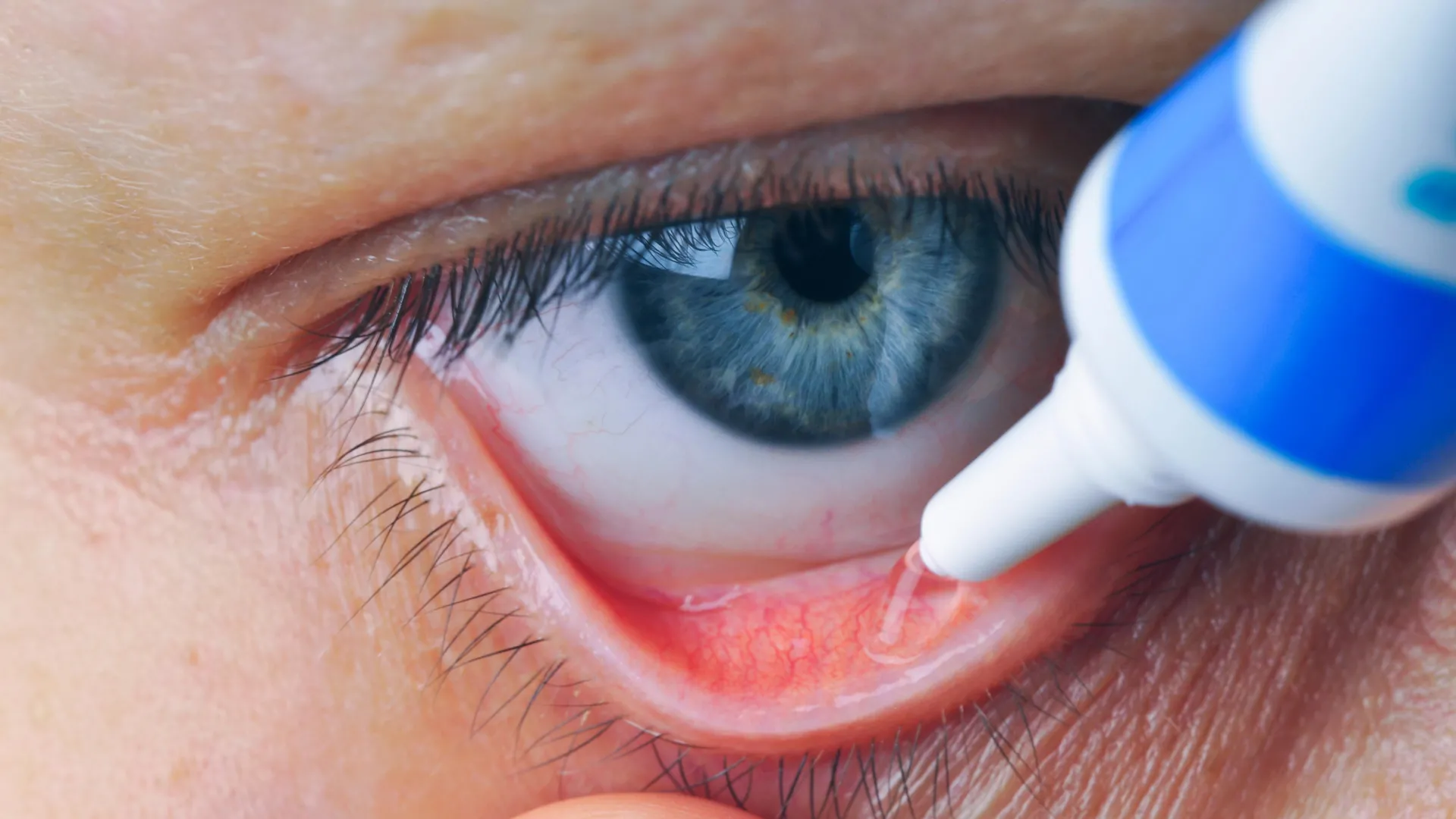
Unlike previous interventions that often require genetic modification or invasive implantation, the prosthe6 compounds are designed for simplicity and patient accessibility. They are administered via direct injection into the eye, a standard procedure for many ophthalmic treatments, or, in a potentially revolutionary development, could be formulated as eye drops. This non-invasive delivery method circumvents the need for genetic manipulation or the implantation of electronic devices, significantly broadening their potential applicability. Furthermore, these compounds have exhibited promising safety profiles in preclinical studies, positioning them as strong candidates for future therapeutic development aimed at restoring vision.
"These molecules do not cure blindness, because they do not address the cause of photoreceptor degeneration," explained Pau Gorostiza, ICREA Research Professor at IBEC and leader of the Nanoprobes and Nanoswitches group, who also serves as a co-leader of the study. "But they are remarkably effective at restoring sight, and they do so using a very simple and potentially patient-friendly approach." Professor Gorostiza underscored the significance of the drugs’ ability to restore function without altering the patient’s genetic makeup or requiring implanted hardware.
Rosalba Sortino, a former PhD student at the University of Barcelona and currently a postdoctoral researcher in Professor Gorostiza’s group at IBEC, and co-first author of the study, elaborated on the team’s core objective: "Our goal was to restore vision using a molecular mechanism that is as close as possible to how the healthy retina works. Instead of bypassing retinal processing, we aimed to reactivate it right at the same level of the retinal circuit as the lost photoreceptor cells." This targeted reactivation of existing neural pathways represents a paradigm shift from merely bypassing damaged areas to directly restoring their functionality.
A Decade of Research Culminates in Visual Restoration
The development of prosthe6 is the culmination of over a decade of dedicated research, involving a multidisciplinary team of scientists. The project drew upon the expertise of researchers from the University of Alcalá (UAH), led by Pedro de la Villa, a co-leader of the study. Key contributions also came from the Institut de Química Avançada de Catalunya (IQAC-CSIC), the University of Barcelona (UB), the Institute Ramón y Cajal of Health Research (IRYCIS), the Autonomous University of Barcelona (UAB), and the Fundació Eduard Soler. This extensive collaboration highlights the complex nature of developing such advanced therapeutic agents and the importance of pooling diverse scientific knowledge.
Restoring Visual Function in Blind Animal Models
The core innovation of the prosthe6 technology lies in the application of photopharmacology. This cutting-edge field enables the reversible control of a drug’s activity through the precise application of light. Researchers ingeniously engineered the chemical structure of the drug molecules by integrating a light-sensitive molecular switch. Upon exposure to specific wavelengths of light, this switch undergoes a conformational change, thereby modulating the drug’s biological activity.
Employing this strategy, the research team successfully synthesized a family of compounds known as prosthe6. These molecules are specifically designed to target ON-bipolar neurons, a crucial type of retinal neuron that relays visual information from photoreceptors to other retinal cells. In rigorous testing, these compounds demonstrated their capacity to restore a fundamental visual reflex – the saccadic eye movement, specifically the optokinetic reflex – in blinded zebrafish larvae. Zebrafish larvae are a widely recognized and valuable model organism for studying visual acuity and developing new vision-restoring therapies due to their transparent embryos and well-understood visual pathways.
The efficacy of the prosthe6 treatment was further validated in mammalian models. Researchers observed that the compounds could restore innate light-avoidance behavior in mouse models engineered to mimic the progression of age-related macular degeneration and retinitis pigmentosa. This behavioral observation provides compelling evidence of restored light perception and its functional integration into visually guided actions.
The Innate Behavior of Vision: Light Avoidance Restored
In healthy mice, a natural and instinctive preference for darker environments and an aversion to brightly illuminated spaces are observable. This behavior is entirely dependent on a functioning visual system, allowing the animals to perceive and react to differences in light intensity. Blind mice, lacking this sensory input, lose this preference, unable to discern between light and dark.
Remarkably, after receiving the prosthe6 treatment, these blind mice began to exhibit the innate light-avoidance behavior once again. They spontaneously favored darker areas, a clear indication that they had regained the ability to detect light and were utilizing this visual information to guide their actions. Crucially, this restoration of behavior occurred without any form of training, underscoring the direct impact of the drug on visual perception.
The restored visual function was observed even under illumination levels commonly encountered in everyday indoor environments or outdoors on an overcast day. This finding is particularly significant, suggesting that the prosthe6 treatment restored light perception with sufficient fidelity to evoke natural, visually guided behaviors, rather than requiring specialized or intense light sources.
Among the tested compounds, prosthe6-12 and prosthe6-15 demonstrated particularly promising results. The restoration of visual behaviors was achieved following both direct injection into the eye and, significantly, through topical administration as eye drops. This dual delivery success further enhances the potential for a patient-friendly therapeutic regimen.
Mimicking Photoreceptors: Molecular Prostheses for the Retina
The mechanism by which prosthe6 operates is elegantly designed to compensate for the loss of photoreceptors. By targeting ON bipolar cells, these compounds effectively step into the role of the damaged or deceased photoreceptors. ON bipolar cells normally serve as a critical conduit, transmitting signals about the presence of light from the photoreceptors to the downstream neural circuitry of the retina. In degenerative retinal diseases, while photoreceptors are lost, the underlying ON bipolar cell circuitry often remains intact, albeit dormant. This dormant circuitry presents a prime therapeutic opportunity that prosthe6 aims to exploit.
The prosthe6 molecules interact with a specific protein, mGluR6, located within these surviving retinal neurons. By activating this protein, prosthe6 can effectively mimic the signaling cascade that would normally be initiated by light hitting healthy photoreceptors. When light enters the eye, the prosthe6 molecules undergo a conformational change, triggering intracellular signaling pathways within the retina in a manner that closely resembles the natural visual process. The researchers aptly describe these compounds as "molecular prostheses" because they provide a functional replacement for the lost photoreceptors, enabling the retina to respond to light once again without the need for implanted hardware or genetic alterations.
A key advantage of the prosthe6 compounds is their ability to operate under ordinary illumination conditions. This contrasts with some optogenetic approaches that require specialized light delivery systems or amplified light signals. The prosthe6 molecules are small, water-soluble, and responsive to common visible or white light, including standard indoor lighting and natural daylight. This inherent responsiveness to everyday light sources eliminates the need for cumbersome or specialized equipment, making the potential therapy far more practical for daily use.
Paving the Way for Human Clinical Trials
The release of these findings comes at a pivotal moment for photopharmacology. This development closely follows the announcement of the first-ever clinical trial of a photopharmacological drug for vision restoration, albeit one targeting a different protein. This concurrent progress signifies a broader trend: photopharmacology is transitioning from the realm of experimental research to the cusp of clinical application.
The prosthe6 technology has been secured by patent, a crucial step for its further development. The research team is now actively engaged in comprehensive safety studies and the optimization of drug formulations. A primary focus of this ongoing work is to extend the duration of the restored visual function, ensuring that the therapeutic benefits are long-lasting.
To accelerate the translation of this groundbreaking research into a viable therapy, the team is collaborating with Eyelumina, a spin-off company currently in its formation stages. This venture aims to secure the necessary investments to support translational development and the eventual initiation of human clinical trials.
"Turning this into a therapy is a long and laborious process," Professor Gorostiza acknowledged. "But the results show that there is a realistic possibility of restoring high-quality vision with drugs, non-invasively, reversibly and with a mechanism that is independent of the specific retinal disorder or genetic mutation to reach a majority of patients." This statement highlights both the challenges and the immense potential of this approach. The prospect of a treatment that is not contingent on specific genetic mutations or disease subtypes could offer hope to a vast number of individuals affected by various forms of retinal degeneration.
If the prosthe6 approach proves successful in human trials, it could emerge as a widely accessible and affordable alternative to existing vision restoration technologies. This would be particularly transformative for individuals suffering from advanced retinal degeneration, a patient population for whom current treatment options are often limited or entirely nonexistent. The potential to restore sight using a simple, non-invasive, and light-activated drug represents a significant paradigm shift in the fight against blindness, offering a beacon of hope for millions worldwide.
The foundational work for this project received early financial support from the patients’ foundation Fundaluce (2016), CaixaHealth (Drug4sight, 100010434), the Government of Catalonia (Innovadors, Producte, and Peris programs), and CIBER-BBN (valorization program). Additionally, Rosalba Sortino’s doctoral thesis, which significantly contributed to these findings, was recognized with the Extraordinary Doctoral Prize for the 2023-24 academic year by the University of Barcelona, awarded at the Faculty of Pharmacy and Food Sciences. This recognition further underscores the scientific merit and impact of this pioneering research.