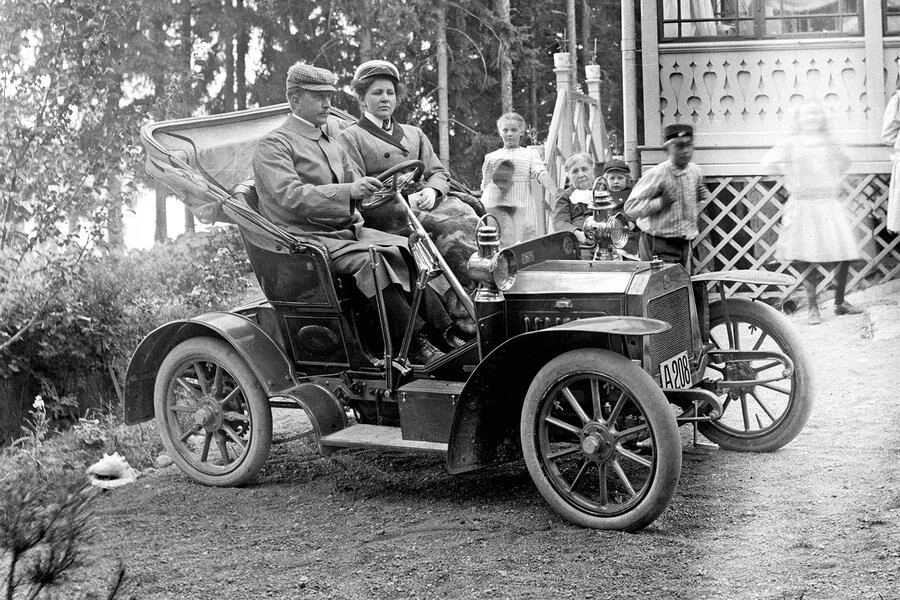
Efforts will be made to liquidate as best as possible the equipment, patents, goods in production and supplies; consequently, from this moment on, not the slightest expenditure shall be incurred other than those indispensable to the stated objective of liquidation. With these cold, clinical words, the board of the Peugeot family enterprise, then known as Les Fils de Peugeot Frères, attempted to extinguish the automotive ambitions of Armand Peugeot in the mid-1890s. At the time, the decision seemed grounded in sound fiscal conservatism. The company’s bicycle sales were skyrocketing, surpassing 9,000 units annually, while the nascent horseless carriage—the motorcar—had failed to sell even 100 units. To the senior partners, led by Armand’s cousin Eugène Peugeot, the internal combustion engine was a volatile distraction from the reliable profits of umbrellas, coffee grinders, and bicycles.
However, this directive did not mark the end of Peugeot’s automotive journey; rather, it sparked a historic schism that would define the French industrial landscape for over a decade. Armand Peugeot, a visionary who had been captivated by the potential of steam and later gasoline power since meeting Gottlieb Daimler and Émile Levassor, refused to abandon his conviction. He promptly resigned from the family firm to establish his own independent venture, Société Anonyme des Automobiles Peugeot. This move was sanctioned by the family under a strict and peculiar legal covenant: Armand could use the prestigious Peugeot name and the "lion on an arrow" logo, provided his new company manufactured nothing featuring a saddle, while the original family firm, Les Fils de Peugeot Frères, would refrain from manufacturing anything featuring a "bench seat."
The Industrial Context of the 1896 Separation
The rift between Armand and Eugène was more than a personal disagreement; it represented a fundamental clash between the cautious industrialism of the mid-19th century and the aggressive technological optimism of the turn of the century. By 1896, France was the global epicenter of automotive development. While the British were hampered by the Red Flag Act and the Americans were still refining steam and electric prototypes, French manufacturers like Panhard & Levassor and De Dion-Bouton were proving that gasoline engines were viable for long-distance travel.
Armand Peugeot’s departure was a calculated risk. He moved his operations from the traditional family base in Valentigney to a new site in Audincourt. This facility, which opened in April 1897, was a testament to his confidence. It immediately employed 400 workers, a significant number for a startup in that era. The gamble paid off almost instantly. Despite the skepticism of his relatives, the public’s appetite for the automobile was far greater than the "conservative" faction of the family had predicted. Orders for Armand’s cars quickly outstripped production capacity by a ratio of four to one, necessitating a rapid expansion of the Audincourt plant.
A Timeline of the Peugeot Divide (1889–1910)
To understand the weight of the eventual reconciliation, one must look at the chronological progression of the Peugeot brand during this period of separation:
- 1889: Armand Peugeot presents a steam-powered tricycle at the World Exhibition in Paris.
- 1890: Transitioning from steam to gasoline, Armand produces the Type 2, utilizing a Daimler engine.
- 1895: Peugeot enters the world’s first timed motor race, the Paris–Bordeaux–Paris, proving the reliability of the internal combustion engine.
- 1896: The family split occurs. Les Fils de Peugeot Frères focuses on tools and bicycles; Armand founds Société Anonyme des Automobiles Peugeot.
- 1897: The Audincourt factory opens.
- 1899: Labor unrest highlights the blurred lines between the two Peugeot entities in the eyes of the public and the workforce.
- 1905: The "bench seat" clause is renegotiated as Les Fils de Peugeot Frères realizes the car is the future.
- 1910: The two companies officially merge to form the Société Anonyme des Automobiles et Cycles Peugeot.
The Shared Identity: Labor Unrest and Public Perception
Despite the legal wall between the two firms, the "Peugeot" name remained a singular entity in the minds of the French public and, more importantly, the Peugeot workforce. A significant event in 1899 illustrated this lack of distinction. When workers at the original Valentigney plant (belonging to Les Fils de Peugeot Frères) went on strike following the dismissal of a foreman for alleged misbehavior, the workers at Armand’s new Audincourt factory walked out in sympathy.
This solidarity was a revelation to both factions of the family. It proved that the industrial brand of Peugeot was larger than the legal contracts governing it. For the workers, a slight against a Peugeot employee in one factory was a slight against the name itself. For Armand, it was a sign that his brand equity was still tied to the family legacy, and for Eugène, it was a warning that the "bench seat" company was becoming the more dominant and culturally significant of the two.
The Shifting Economics of the Early 1900s
As the 20th century dawned, the financial landscape shifted dramatically. The bicycle market, once the "rocketing" engine of the family’s wealth, began to experience thinning margins as competition increased and the novelty wore off. Simultaneously, the motorcycle—a product that fell into a legal gray area between a "saddle" vehicle and a motorized machine—was not performing as well as anticipated for the original family firm.
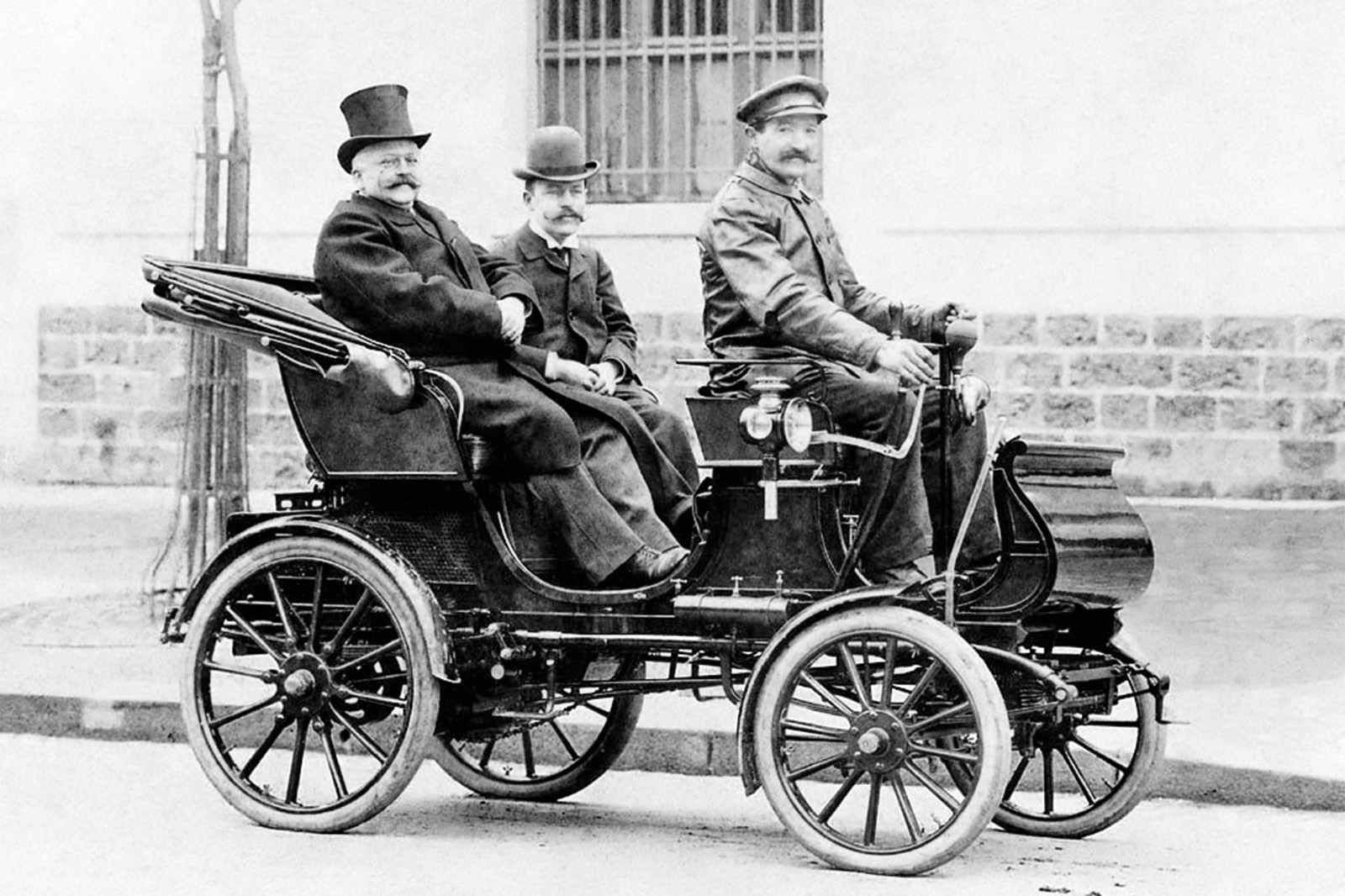
While Les Fils de Peugeot Frères struggled with stagnant growth, Armand’s automobile company was flourishing. By 1900, Armand was producing 500 cars a year, a staggering figure for the time. He had also moved away from relying on Daimler engines, developing his own powerplants, which gave him greater control over his engineering and profit margins.
Recognizing that they were on the wrong side of history, the successors of Eugène Peugeot—who had by then retired—began to seek a way back into the lucrative automotive market. They were restricted by the non-competition clause Armand had insisted upon during the split, which prevented them from building vehicles with "bench seats" (essentially any four-wheeled car).
The F300,000 Negotiation and the Birth of Lion-Peugeot
The sons of Eugène—Pierre, Robert, and Jules—approached Armand with a humble request: they wanted to pay for the right to compete in his territory. The negotiations were reportedly protracted and fraught with legal quibbling. Armand’s lawyers were protective of his dominance in the "large car" market, while the "sons" faction wanted to produce small, affordable cars and motorcycles that wouldn’t directly cannibalize Armand’s sales.
Ultimately, Armand accepted a payment of 300,000 Francs to waive the non-competition clause. In today’s terms, adjusted for the purchasing power of the French Franc in 1905, this represented a massive capital injection. In exchange, the original family firm was allowed to produce "voiturettes"—small, lightweight cars. To distinguish their products from Armand’s, they branded their vehicles "Lion-Peugeot."
This agreement created a strange market dynamic where two different Peugeot companies sold cars in the same showrooms, often confusing customers but ultimately saturating the market with Peugeot-branded products. The Lion-Peugeot line became famous for its narrow-angle V-engines and its success in racing, particularly in the "Coupe des Voiturettes."
Implications and the Path to Modernity
The reconciliation process that began with the 300,000 Franc payment reached its logical conclusion in 1910. The two companies merged, realizing that internal competition was less productive than presenting a united front against rising rivals like Renault and Citroën.
The legacy of this split is still visible in the Peugeot of today. The "Lion" logo, which was the point of contention during the split, remains one of the oldest and most recognizable trademarks in the world. The Audincourt factory established by Armand laid the groundwork for the massive industrial complex in Sochaux, which remains the heart of Peugeot’s manufacturing operations over a century later.
From a business analysis perspective, the Peugeot schism serves as a classic case study in "innovator’s dilemma." Eugène and the conservative board saw the automobile as a threat to their established, profitable bicycle business. Armand saw it as the evolution of mobility. By allowing the split rather than suppressing the innovation, the Peugeot family effectively hedged their bets, ensuring that the brand survived the decline of the bicycle boom and thrived during the automotive revolution.
The eventual reunion proved that the strength of a brand often lies in its unity. Had the two factions remained separate, it is unlikely that Peugeot would have had the industrial scale to survive the economic turmoils of World War I or the Great Depression. Instead, the 300,000 Franc settlement acted as the bridge that allowed the family to put aside "saddles and bench seats" and focus on becoming one of the most enduring names in global transportation. Today, as part of the Stellantis group, Peugeot continues to navigate the transition to electric mobility—a challenge not unlike the one Armand faced when he first argued for the gasoline engine over the safety of the bicycle.