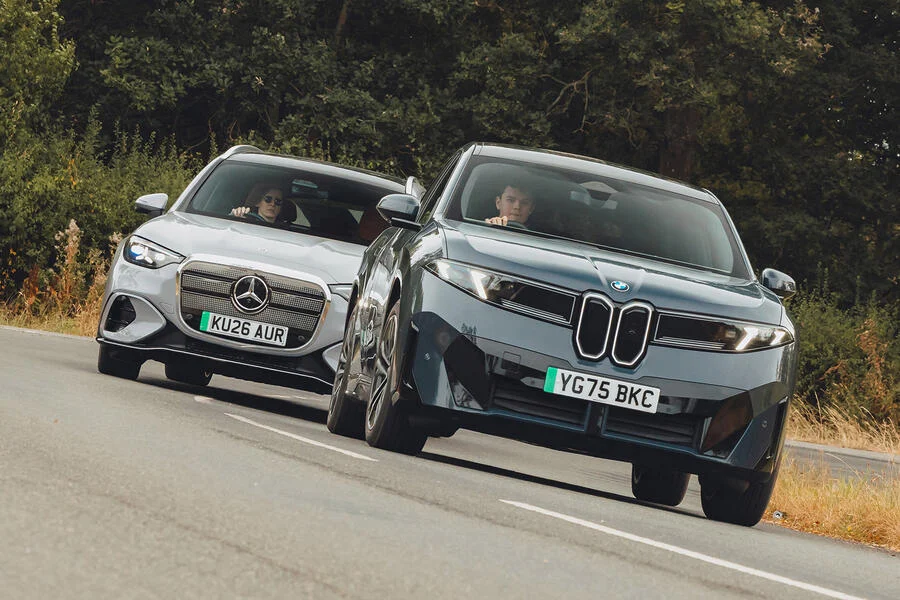
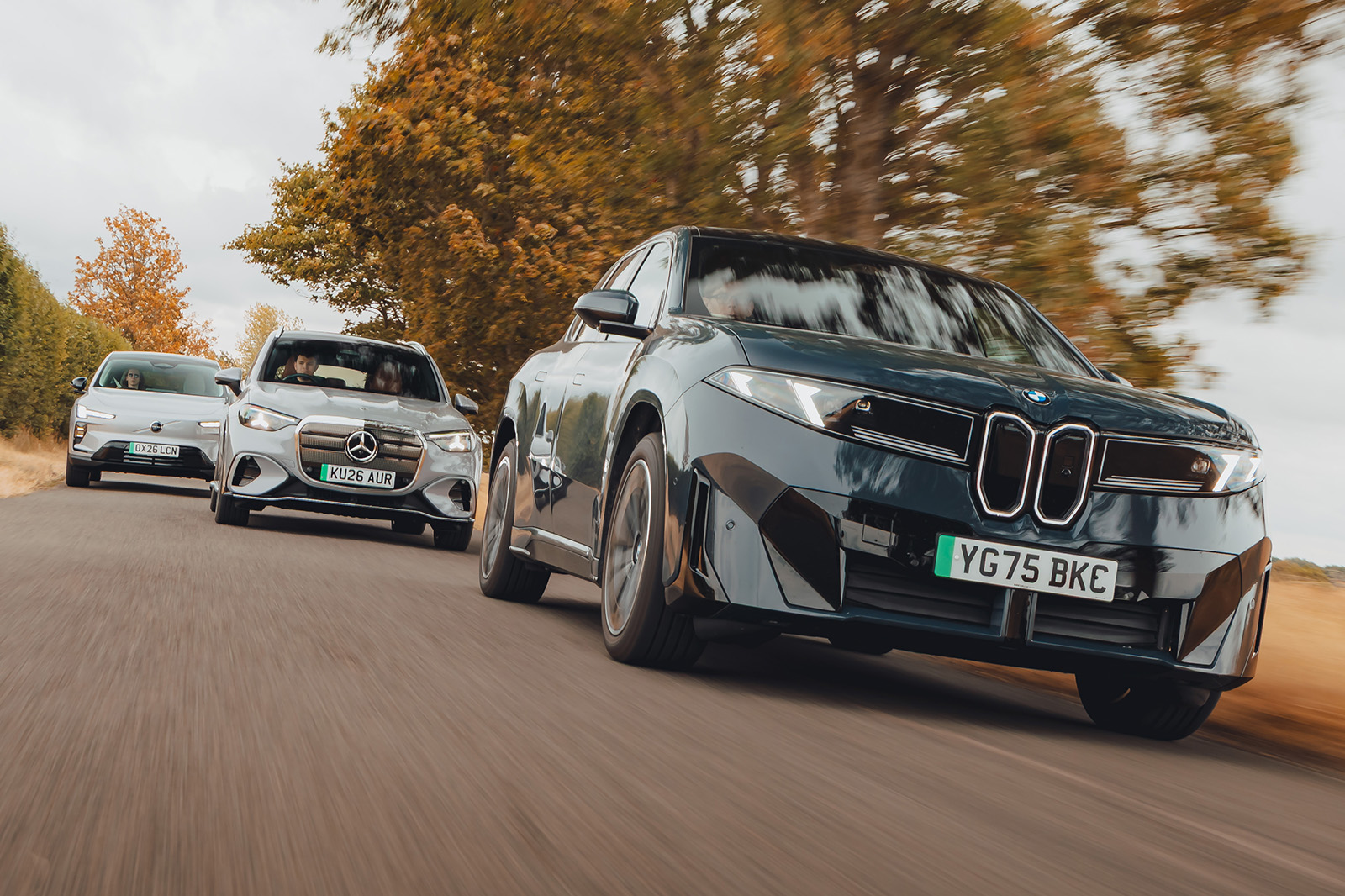
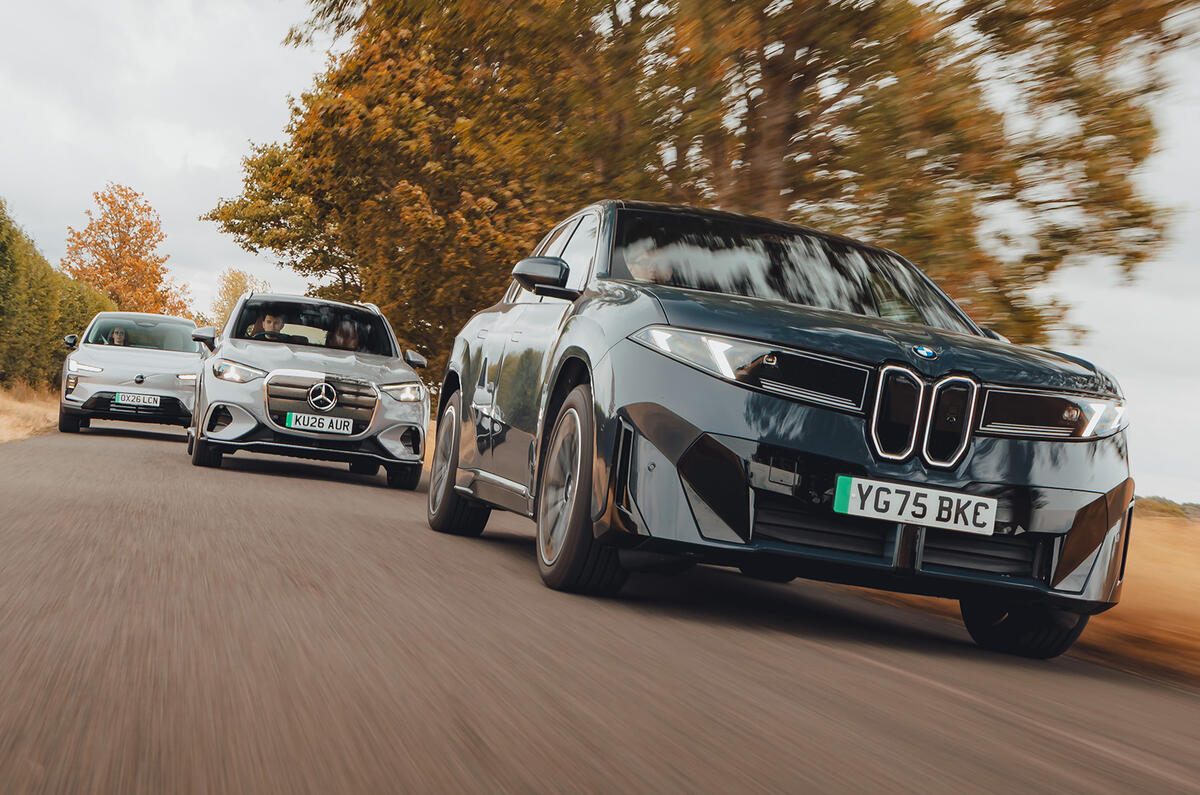
The automotive landscape of 2026 stands at a definitive crossroads, marking the transition from the era of refined internal combustion engines to a new epoch defined by high-voltage architectures and software-defined vehicles. For decades, the premium mid-sized SUV segment has been the financial engine room for Europe’s elite manufacturers. As the industry moves past what some critics have labeled "peak car"—the point where traditional mechanical excellence reached its zenith—BMW, Volvo, and Mercedes-Benz have each launched flagship electric models designed to prove that the future of the family SUV is not merely a compromise, but a significant leap forward. This three-way confrontation between the BMW iX3, the Volvo EX60, and the electric Mercedes-Benz GLC represents the most significant market test of the year, determining which brand has most successfully navigated the transition to next-generation electrification.
The Shift to Dedicated Electric Architectures
The year 2026 is significant because it marks the first time all three major European competitors have fielded entries in this segment built on dedicated, or heavily optimized, electric platforms rather than modified internal combustion engine (ICE) chassis. The BMW iX3 leads this charge as the standard-bearer for the "Neue Klasse" (New Class) architecture. Unlike its predecessor, which was a converted X3, the 2026 iX3 (internal code NA5) utilizes a clean-sheet design that prioritizes battery integration and aerodynamic efficiency.
Volvo’s entry, the EX60, serves as the spiritual and technical successor to the XC60, which remained the brand’s global best-seller for over a decade. Built on the GPA (Global Product Architecture), the EX60 integrates structural battery packs and megacasting techniques to reduce weight and complexity. Meanwhile, Mercedes-Benz has refined its approach with the electric GLC, moving away from the early "EQ" branding experiments to integrate its most advanced drivetrain technology into its most recognizable nameplates. These vehicles are no longer "compliance cars" but are the primary focus of their respective manufacturers’ Research and Development budgets.
Technical Specifications and Performance Metrics
The 2026 testing cycle has revealed a significant narrowing of the gap between theoretical laboratory range and real-world performance. Central to this improvement is the adoption of 800-volt electrical architectures across the board, a technology that was reserved for high-end super-saloons only a few years prior.
BMW iX3 (Neue Klasse)
BMW’s Gen6 battery technology is the centerpiece of the iX3. Moving from prismatic to cylindrical cells, BMW claims a 20% increase in energy density and a 30% increase in range compared to the previous generation.
- Estimated Range: 370–410 miles (WLTP)
- Charging: 10% to 80% in approximately 18 minutes via 270kW DC fast charging.
- Powertrain: Dual-motor xDrive configurations producing between 300 and 600 horsepower in M-performance variants.
Volvo EX60
Volvo has focused on "efficiency through simplification." The EX60 utilizes a high-nickel cathode chemistry provided through its Northvolt partnership, aimed at maintaining performance in colder climates—a traditional weakness for EVs.
- Estimated Range: 350–390 miles (WLTP)
- Charging: 800V architecture allowing for 250kW peak charging speeds.
- Powertrain: Focused on a balanced 400-horsepower output, prioritizing smooth delivery and regenerative braking efficiency.
Mercedes-Benz GLC (Electric)
Mercedes-Benz has leveraged the learnings from its Vision EQXX efficiency program. The electric GLC features advanced silicon carbide inverters and a highly aerodynamic profile that belies its SUV proportions.
- Estimated Range: 380–420 miles (WLTP)
- Charging: 200kW+ charging capability with optimized thermal management to maintain peak speeds for longer durations.
- Powertrain: Employs the latest eATS 2.0 motors, noted for their industry-leading power-to-weight ratios.
Chronology of Development: 2023–2026
The path to this 2026 showdown began in earnest in 2023, following the European Union’s firming of CO2 targets and the realization that the premium market was shifting toward electrification faster than anticipated.
In late 2023, BMW showcased the Vision Neue Klasse, signaling a radical departure from its traditional interior layouts. By mid-2024, prototype testing of the NA5 iX3 was spotted at the Nürburgring, sporting a higher ride height but maintaining the sedan’s minimalist design language.
Volvo’s timeline was marked by the 2024 opening of its state-of-the-art testing facility in Gothenburg, specifically designed to perfect the GPA platform. The EX60 was fast-tracked to ensure Volvo could meet its ambitious goal of becoming a fully electric brand by 2030 (a goal later modulated by market realities but still driving aggressive EV development).
Mercedes-Benz spent 2024 and 2025 consolidating its lineup. After the mixed critical reception of the initial EQE and EQS SUV styling, the 2026 GLC Electric represents a "return to form," incorporating more traditional SUV proportions with the cutting-edge tech of the MB.OS operating system.
Manufacturing Innovations and Sustainability
The competition in 2026 extends beyond the showroom and into the factory. All three manufacturers have introduced radical changes to how these vehicles are assembled, driven by the need to offset the high costs of battery materials.
Volvo has implemented "megacasting" for the rear floor section of the EX60. This process replaces approximately 100 individual parts with a single cast aluminum component, reducing weight by an estimated 15-20% and significantly streamlining the assembly line. Furthermore, the EX60 is the first in its class to utilize "green steel"—produced using hydrogen instead of coking coal—in its primary structure.
BMW’s iFactory in Debrecen, Hungary, serves as the production hub for the iX3. This facility operates entirely without fossil fuels, relying on geothermal energy and massive solar arrays. BMW’s "Circular Economy" initiative also means the iX3 contains up to 40% recycled aluminum and 30% recycled plastic, a record for the segment.
Mercedes-Benz has focused on the "Digital Twin" manufacturing process at its Factory 56. By simulating every aspect of the GLC Electric’s assembly in a virtual environment before a single bolt was turned, Mercedes reduced production errors by 25% and optimized the placement of the heavy battery packs to improve vehicle center of gravity.
The Software Frontier: MB.OS vs. BMW OS9 vs. Volvo/Google
In 2026, the "best" car is often judged by its digital interface as much as its suspension tuning. The three contenders offer vastly different philosophies on the "Software-Defined Vehicle."
The Mercedes-Benz GLC features the latest iteration of MB.OS, a proprietary end-to-end electronic architecture. It separates the infotainment from the driving functions, allowing for "over-the-air" (OTA) updates that can improve motor efficiency or autonomous driving features without affecting the cabin’s entertainment systems.
BMW has introduced the "Panoramic Vision" head-up display in the iX3, which projects information across the entire width of the lower windshield. This removes the need for a traditional instrument cluster behind the steering wheel, aiming to keep the driver’s eyes on the road while providing a futuristic, uncluttered cabin.
Volvo continues its deep integration with Google Automotive Services but has added a sophisticated "Safety Shield" powered by Luminar LiDAR as standard equipment. The EX60’s software is designed to be "proactive," using real-time data to predict potential hazards and adjust the drivetrain for maximum safety in adverse conditions.
Market Implications and Analyst Perspectives
Industry analysts suggest that the outcome of this three-way test will dictate market share for the remainder of the decade. According to data from BloombergNEF, the premium SUV segment is expected to be 65% electric in Europe by 2027, making these 2026 models the primary volume drivers for their respective brands.
"The 2026 iX3 is a ‘must-win’ for BMW," says Matthias Schmidt, an independent automotive analyst. "They are moving away from the ‘Power of Choice’ strategy—where one chassis fits all powertrains—to a dedicated EV platform. If the Neue Klasse fails to resonate, BMW faces a difficult transition period."
Conversely, Volvo’s EX60 is seen as the safest bet. "Volvo has established a clear identity in the EV space," notes a report from Gartner. "By replacing their best-seller with a tech-heavy but recognizably ‘Volvo’ electric SUV, they are minimizing the friction of the transition for their loyal customer base."
Conclusion: A New Benchmark for the Family SUV
The "Biggest Test of 2026" concludes that while the era of the high-performance diesel estate may be fading, the engineering prowess previously reserved for internal combustion has been successfully redirected. The BMW iX3 offers the most radical departure from tradition, appealing to the early adopter and the driving enthusiast. The Mercedes-Benz GLC Electric provides the most refined and luxurious transition, focusing on efficiency and digital prestige. The Volvo EX60 stands as the pragmatic, safety-first choice, utilizing advanced manufacturing to offer a premium experience with a smaller environmental footprint.
As these three titans of the industry begin their first full year of competition, the data suggests that "peak car" was not a finish line, but a transition point. The family SUV of 2026 is faster, cleaner, and more technologically integrated than any of its predecessors, proving that the competition for dominance in the electric age has only just begun.