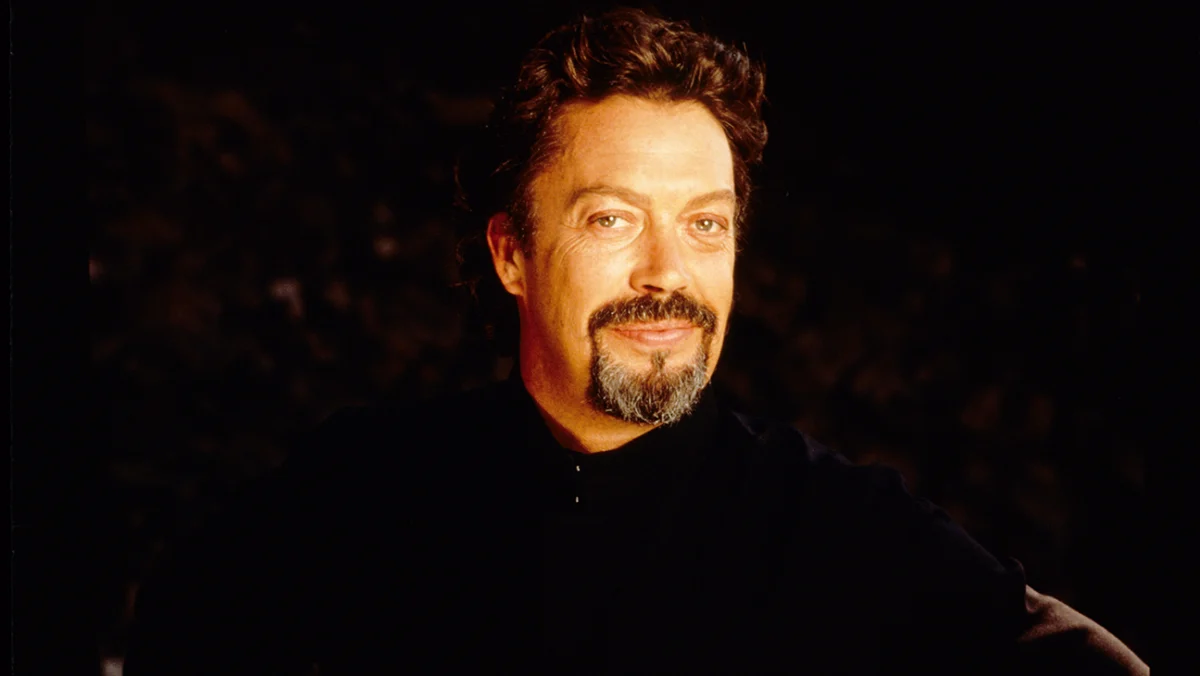
A week after the passing of beloved actor Tim Curry, the official cause of his death has been disclosed. Documents obtained by People from the Los Angeles County Department of Public Health confirm that Curry succumbed to coronary artery disease. The actor, an indelible figure in cinematic and television history, died on August 25th at his home in Toluca Lake, Los Angeles, at the age of 80. His long-time manager and close friend, Marcia Hurwitz, had confirmed his death to The Hollywood Reporter on August 26th, sending ripples of grief through the entertainment world.
A Legacy Defined by Iconic Roles
Tim Curry leaves behind a rich and diverse body of work that cemented his status as a versatile and unforgettable performer. His portrayal of the flamboyant and sexually liberated Dr. Frank-N-Furter in the 1975 cult classic The Rocky Horror Picture Show remains one of his most iconic roles, captivating audiences with its audacious energy and Curry’s commanding presence. This performance alone secured his place in film history, inspiring generations and making the film a perpetual midnight movie phenomenon.
Equally chilling and masterful was his turn as Pennywise the Clown in the 1990 miniseries adaptation of Stephen King’s terrifying novel, It. Curry’s ability to oscillate between menacing menace and a disturbingly childlike vulnerability made Pennywise a truly unforgettable villain, deeply embedding the character in the nightmares of many viewers. Beyond these two monumental roles, Curry’s career spanned a multitude of genres and characters, demonstrating his exceptional range and commitment to his craft. He was also celebrated for his performances in films such as the murder mystery comedy Clue, the whimsical musical Annie, the action-comedy Home Alone 2: Lost in New York, and the dark fantasy film Legend. His contributions to the stage were equally significant, including his Tony-nominated performance in the musical Monty Python’s Spamalot.
Unveiling the Contributing Factors to His Passing
The Los Angeles County Department of Public Health documents, as reported by People, also indicated that a history of stroke and kidney cancer were significant contributing conditions to Tim Curry’s death. While these conditions played a role, they were not listed as the primary underlying cause, which was definitively identified as coronary artery disease.
Acknowledging a Past Health Challenge: The 2012 Stroke
Curry’s health had been a subject of public knowledge following a significant stroke he suffered in 2012. This event profoundly impacted his life and career, necessitating a period of intensive rehabilitation. In an interview with Turner Classic Movies host Ben Mankiewicz that later aired on CBS Sunday Morning in October 2025, Curry candidly reflected on the experience. He described the stroke as "so strange," recounting how he felt perfectly fine at the time, experiencing no pain or discernible symptoms. It was his massage therapist who first noticed something was amiss, urging him to seek medical attention.
The actor revealed that the fear was amplified by the fact that his own father had passed away from a stroke when Tim was just ten years old. The stroke resulted in him undergoing brain surgery and extensive rehabilitation. Curry openly shared the immense challenge of relearning to speak, describing it as a "very weird" and frustrating experience, as he "hated not being able to speak." The stroke also led to paralysis on the left side of his face, a visible reminder of the physical toll the event took. Despite these challenges, Curry’s determination to continue his artistic endeavors, albeit in modified capacities, was a testament to his enduring spirit.
A Life Dedicated to Performance: A Chronology of Impact
Tim Curry’s journey in the entertainment industry began in the late 1960s, with early theatre work that laid the foundation for his future success. His breakthrough into international stardom arrived with The Rocky Horror Picture Show in 1975. This role, while unconventional, catapulted him into the spotlight and showcased his unique talent for captivating audiences with his larger-than-life characters.
The 1980s saw Curry further solidify his reputation with diverse roles, including his memorable performance in Ridley Scott’s Legend (1985). His foray into television and more mainstream film roles continued into the 1990s, with It (1990) being a standout example of his continued ability to command attention in varied projects. Throughout the subsequent decades, Curry remained an active presence, lending his distinctive voice to animated projects and taking on roles that continued to showcase his versatility, such as his Tony-nominated turn in Spamalot on Broadway, which earned him critical acclaim and a renewed appreciation for his stage prowess.
The period following his 2012 stroke marked a shift in his on-screen presence, with a greater emphasis on voice acting and more selective on-camera appearances. This adaptation did not diminish his impact, as his contributions to animated films and television series remained as engaging and memorable as ever. His final credited roles included appearances in The Wild Christmas Village (2021) and the animated series The Loud House (2021).
Reactions from the Entertainment Community
The news of Tim Curry’s death was met with an outpouring of tributes from former co-stars, colleagues, and fans worldwide. Many celebrated his extraordinary talent, his enduring charisma, and the indelible mark he left on popular culture. Celebrities took to social media and issued statements, sharing personal anecdotes and expressing their profound admiration for the actor.
While specific, direct quotes from all individuals are not available in the initial reports, it is a well-documented phenomenon that when an artist of Curry’s stature passes, the collective memory of the industry is activated. Tributes often highlight his professionalism, his kindness, and his ability to imbue even the most challenging characters with humanity and complexity. The impact of his performances, particularly his iconic turns in The Rocky Horror Picture Show and It, has been a recurring theme in these public reflections, underscoring the lasting power of his artistry. The sheer volume and heartfelt nature of these tributes serve as a testament to the deep respect and affection he commanded within the entertainment fraternity.
Broader Implications and Enduring Legacy
Tim Curry’s passing marks the end of an era for many who grew up watching his diverse performances. His ability to transcend genres and consistently deliver memorable characters has left an indelible imprint on cinema and television. The enduring popularity of The Rocky Horror Picture Show, which continues to draw crowds to midnight screenings decades after its release, is a testament to the film’s cultural significance and Curry’s pivotal role in its success. Similarly, his portrayal of Pennywise has become synonymous with the character, influencing subsequent adaptations and remaining a touchstone for horror enthusiasts.
Beyond his most famous roles, Curry’s consistent presence in a wide array of projects demonstrated his dedication to his craft. His willingness to embrace challenging and often eccentric characters endeared him to a broad audience. The impact of his stroke and his subsequent rehabilitation also highlighted his resilience and determination, offering an inspiring narrative of overcoming adversity.
The legacy of Tim Curry is not just in the characters he played, but in the joy, the fear, and the sheer entertainment he provided to millions. He was an actor who was unafraid to push boundaries, to explore the darker and more eccentric corners of human nature, and to do so with an undeniable flair. His work will continue to be celebrated, analyzed, and enjoyed by new generations, ensuring that his unique voice and unforgettable performances will resonate for years to come. The cause of his death, while a somber revelation, serves to frame the later years of a life dedicated to art, a life that ultimately succumbed to the natural course of human health, but whose artistic impact remains vibrantly alive.