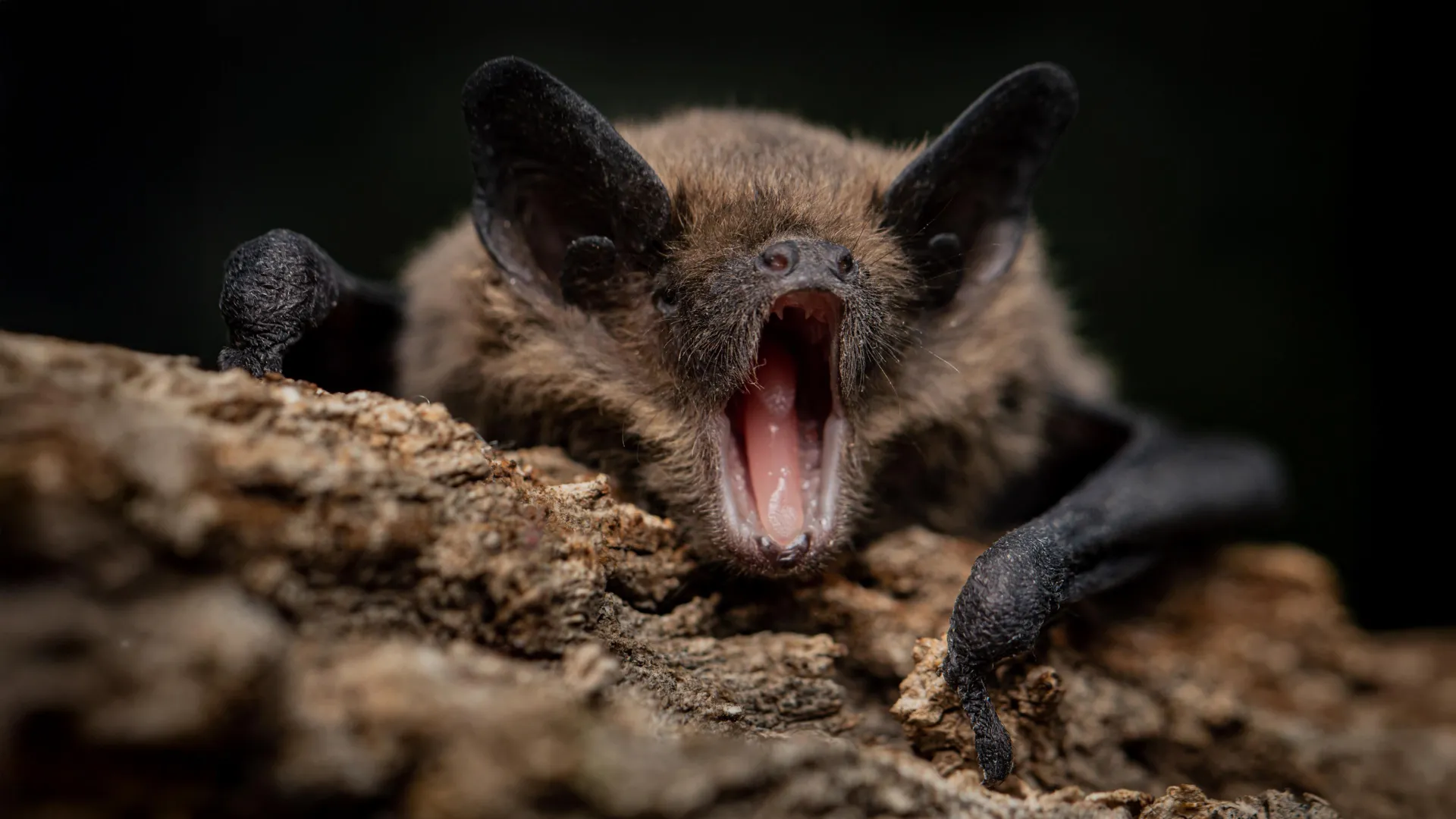
Scientists have long been intrigued by a fundamental question surrounding bats: how can these remarkable flying mammals carry viruses capable of causing severe human diseases, while paradoxically, rarely succumbing to serious illness themselves? This apparent dichotomy has presented a significant puzzle for immunologists and virologists alike. Now, a groundbreaking study conducted by researchers at Tulane University, in collaboration with esteemed colleagues from Stanford University and the Centers for Disease Control and Prevention (CDC), has potentially unveiled a crucial piece of this complex puzzle.
The research, published in the prestigious journal Science Advances, has identified a remarkable genetic anomaly in the world’s largest family of bats: the presence of two distinct copies of the genes responsible for producing antibodies. Antibodies are specialized proteins, the linchpins of the adaptive immune system, that are crucial for identifying and neutralizing pathogens, including viruses and bacteria. This genetic duplication is unprecedented; every other known mammal possesses only a single set of these vital antibody-producing genes. This discovery not only offers a compelling explanation for bats’ unique ability to host a vast array of viruses without significant self-harm but also fundamentally reshapes our understanding of immune system evolution and interspecies disease responses.
A Revolutionary Discovery in Mammalian Immunity
The research team’s focus was on vesper bats, a diverse and widespread group encompassing over 500 species found on every continent save for Antarctica. These bats have long captivated scientists due to their extraordinary evolutionary success, a trait that the newly identified antibody system may significantly contribute to.
Traditionally, research into bat immunity has heavily emphasized the innate immune system – the body’s first line of defense. However, this new study highlights the critical, and previously underestimated, role of the adaptive immune system, specifically the mechanisms governing antibody production.
“We’ve never seen anything like this in a mammal before,” stated Hannah Frank, an associate professor of ecology and evolutionary biology at Tulane University’s School of Science and Engineering and the corresponding author of the study. “This completely changes our understanding of how mammalian immune systems can be organized and raises exciting new questions about why bats have been so evolutionarily successful and how they respond to viruses.”
Antibodies, characterized by their distinctive Y-shape, are constructed from two heavy protein chains and two light protein chains. In humans and all other mammals studied to date, the production of these heavy chains is orchestrated by a single set of genes. The vesper bats, however, defy this universal mammalian blueprint. Frank and her team’s meticulous genetic analysis revealed that these bats possess two entirely separate heavy-chain gene systems. This duplication theoretically grants them the capacity to generate a far broader and more diverse repertoire of antibodies than their mammalian counterparts.
“We think this discovery is an important piece of the puzzle,” Frank elaborated. “It doesn’t fully explain why bats are such effective viral reservoirs, but it reveals a level of immune variety we didn’t know existed and gives us an entirely new direction to explore.”
Unraveling the Timeline of Discovery
The journey to this groundbreaking finding was likely a long and iterative process, typical of complex scientific research. While specific dates for the initial hypothesis formation or early experimental phases are not detailed in the provided text, the publication in Science Advances suggests the culmination of several years of rigorous research.
- Initial Hypothesis and Preliminary Investigations (Likely several years prior to publication): The long-standing scientific curiosity about bat viral resilience would have served as the initial impetus. Researchers would have begun by exploring existing genomic data and perhaps conducting initial broad immunological surveys of bat populations. The unusual genetic makeup of bats, particularly their flight adaptations, might have already hinted at unique physiological and immunological characteristics.
- Targeted Genetic Analysis (Years leading up to the study): Focusing on the antibody production pathways, the team likely employed advanced genomic sequencing techniques to meticulously map the genes involved in antibody heavy chain production in various bat species, with a particular emphasis on vesper bats. This phase would have involved comparing these sequences against databases of other mammals to identify anomalies.
- Validation and Functional Studies (Months to a year prior to publication): Once the genetic duplication was identified, the researchers would have undertaken further experiments to validate their findings. This could have included in vitro studies to assess the functional capacity of the two gene systems to produce different antibody variants and potentially examining antibody profiles in bats naturally exposed to various viruses.
- Collaboration and Data Integration (Ongoing): The involvement of Stanford University and the CDC indicates a collaborative effort. Stanford likely contributed expertise in advanced genomics and bioinformatics, while the CDC’s involvement would have provided crucial insights into virology and the practical implications for public health, potentially involving the analysis of viral samples from bats and their interactions with other species.
- Manuscript Preparation and Peer Review (Months before publication): The culmination of the research would involve compiling all findings, conducting statistical analyses, and writing the manuscript for submission to Science Advances. The peer-review process, a critical step in scientific publishing, would have involved independent experts scrutinizing the methodology, results, and conclusions, ensuring the robustness of the findings.
- Publication (Recent): The official release of the study in Science Advances marks the public dissemination of this significant scientific breakthrough.
Supporting Data: The Genetic Duplication in Detail
The core of the discovery lies in the genetic architecture of antibody production. Antibodies, or immunoglobulins, are complex proteins critical for recognizing and neutralizing foreign invaders. The diversity of antibodies an organism can produce is directly linked to the diversity of its antibody-producing genes.
In mammals, the production of the antibody heavy chain is controlled by a specific set of genes known as the immunoglobulin heavy (IGH) locus. This locus contains multiple gene segments that are rearranged and combined during the development of immune cells (B cells) to create a unique antibody.
The key finding of the Tulane-led study is that vesper bats possess not one, but two distinct and functional sets of these IGH loci. This means that a vesper bat’s immune system has access to a significantly larger pool of gene segments and rearrangement possibilities compared to other mammals.
Hypothetical implications of this duplication:
- Increased Antibody Repertoire: With two sets of genes, vesper bats can theoretically generate a vastly larger array of antibody structures. This could allow them to bind to a wider range of viral antigens, effectively neutralizing more diverse viral threats.
- Faster Immune Response: A broader antibody repertoire might also enable a quicker and more efficient mounting of an immune response when encountering a novel pathogen. The immune system has a pre-existing capacity to generate antibodies tailored to a wider range of molecular shapes.
- Tolerance to Viral Load: This enhanced antibody production could contribute to the bats’ ability to carry high viral loads without developing severe pathology. Their immune system might be constantly engaged in managing these viruses at a sub-clinical level.
While the study specifically identifies the genetic duplication, further research will be crucial to quantify the precise expansion of the antibody repertoire and to understand the functional consequences of this dual-gene system in real-time viral infections.
Broader Impact and Implications
The implications of this discovery extend far beyond the realm of bat immunology. It offers profound insights into the evolution of immune systems and has significant potential to inform human health strategies.
Ecological Significance of Bats:
Bats are not merely viral reservoirs; they are vital components of ecosystems worldwide. They serve as essential pollinators for numerous plant species, including important agricultural crops like agave and certain fruits. Their role as seed dispersers aids in forest regeneration and biodiversity maintenance. Furthermore, their voracious appetite for insects makes them natural pest controllers, significantly reducing the need for chemical pesticides in agricultural and urban environments. The global bat population faces numerous threats, including habitat loss, climate change, and disease, making the understanding of their unique biology increasingly critical for conservation efforts.
Understanding Viral Reservoirs:
The ability of bats to host a multitude of viruses, including coronaviruses, filoviruses (like Ebola), and henipaviruses, without exhibiting symptoms has long been a subject of intense scientific scrutiny. This dual-gene antibody system provides a compelling physiological explanation for this phenomenon. It suggests that bats have evolved a sophisticated immune strategy that allows them to coexist with viruses, preventing the pathogens from causing significant harm to the host while maintaining their own survival.
Implications for Human Health and Disease Spillover:
The study holds immense promise for advancing our understanding of zoonotic diseases – those that can be transmitted from animals to humans. Many of the most devastating pandemics in recent history, including COVID-19, originated from animal reservoirs. By deciphering how bats manage viral infections, scientists can gain invaluable knowledge that may lead to:
- Improved Disease Surveillance: Understanding the immunological mechanisms that prevent bats from becoming ill could help in identifying and monitoring emerging viruses in bat populations.
- Enhanced Pandemic Preparedness: Knowledge gained from bat immunity could inform the development of novel therapeutic strategies or vaccines for human diseases, potentially drawing inspiration from the bats’ unique immune responses.
- Reduced Risk of Spillover: A deeper comprehension of bat-host-virus interactions might reveal pathways to disrupt or mitigate the processes that lead to viral transmission from bats to humans, thereby reducing the risk of future outbreaks.
As Hannah Frank aptly noted, “We’ve learned an enormous amount about immunity by studying humans and laboratory mice. But the natural world is far more varied than that. Every time we study a species that has evolved differently, we have the opportunity to discover something entirely new.” This discovery exemplifies this principle, opening new avenues of research and offering a glimmer of hope in the ongoing battle against infectious diseases. The scientific community now faces the exciting challenge of further exploring this unique immune system and harnessing its secrets for the benefit of global health.