A significant legal development has emerged from a federal court in Delaware, where a preliminary injunction ruling has reshaped the landscape of a high-stakes trademark dispute between Elon Musk’s social media platform, X, and a startup known as Operation Bluebird. The court’s decision, while affirming X’s rights to the core “Twitter” name, has dealt a notable blow to the company by suggesting it likely abandoned two of its most iconic associated trademarks: the word “tweet” and the distinctive Twitter bird logo. This split ruling has immediately enabled Operation Bluebird, which initially launched under the moniker “Twitter.now,” to rebrand as Tweet.app and commence its public operations, effectively claiming pieces of the digital legacy X sought to shed.
The Genesis of X and the Legacy of Twitter
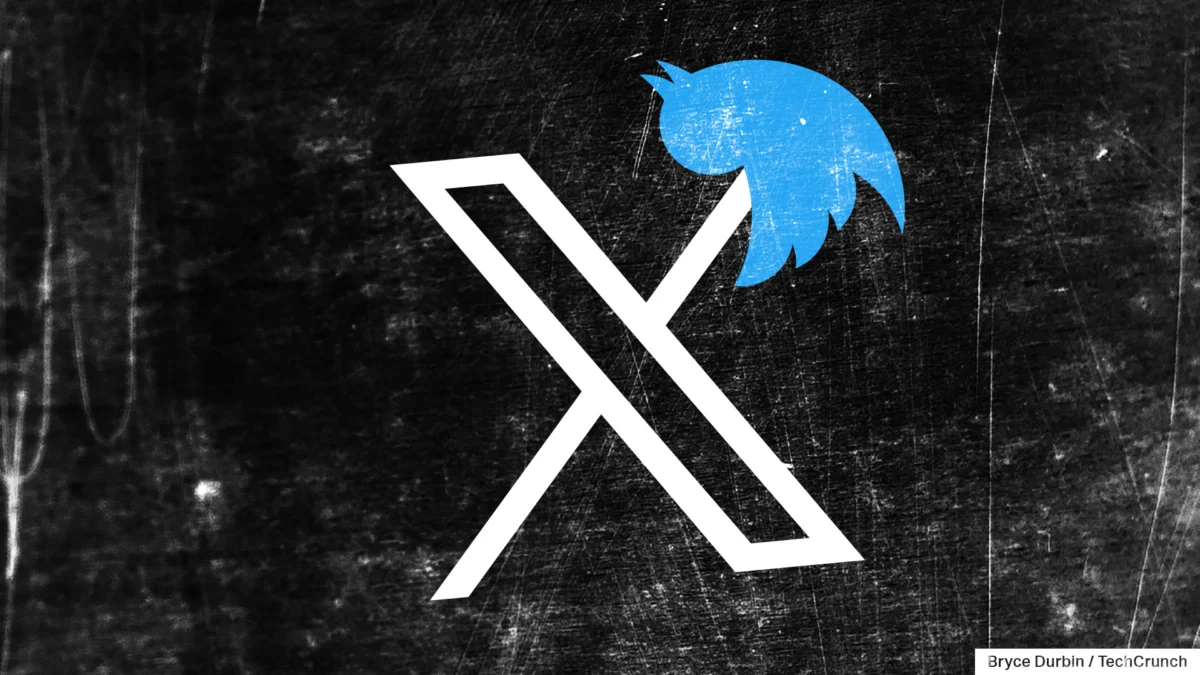
The origins of this complex legal saga trace back to October 27, 2022, when entrepreneur Elon Musk finalized his acquisition of Twitter Inc. for approximately $44 billion. The acquisition was fraught with drama, marked by initial attempts by Musk to withdraw from the deal and subsequent legal battles. Upon taking control, Musk articulated a vision to transform Twitter into an “everything app” named X, drawing parallels to China’s WeChat. This ambitious rebranding effort culminated in July 2023, when the iconic blue bird logo was removed from the San Francisco headquarters, the platform’s URL was changed from twitter.com to x.com, and the company officially adopted the name X Corp. The term "tweet" was gradually phased out in official communications, replaced with terms like "post."
This radical transformation, however, was met with a mixed reception from its vast user base and the broader public. While some embraced the change as a necessary evolution, many users expressed nostalgia and a strong attachment to the familiar Twitter brand, its terminology, and its visual identity. The blue bird logo, in particular, had become one of the most recognizable corporate symbols globally, embodying a distinct brand personality characterized by concise, real-time information sharing. Similarly, the verb "to tweet" had transcended its corporate origin to become a ubiquitous part of modern lexicon, signifying the act of publishing a short message on the platform. The estimated brand value of Twitter prior to its rebrand was substantial, with some analyses placing it in the tens of billions of dollars, underscoring the deep entrenchment of its identity in the digital sphere. The abrupt departure from such established brand elements created a vacuum, which, as the recent court ruling suggests, may have inadvertently opened the door for opportunistic ventures.
Operation Bluebird: A Strategic Play for Abandoned Trademarks
Enter Operation Bluebird, a Virginia-based startup whose very existence appears to be predicated on capitalizing on the brand elements X consciously abandoned. The company’s strategy, as candidly articulated on its own homepage, is to "go back and pick up what Elon Musk dropped when he renamed the town square as X, and threw the bird away on his way out." This mission statement underscores a clear intent to reclaim and leverage the residual brand equity of the former Twitter.
The leadership of Operation Bluebird further highlights this strategic bent. The effort is spearheaded by two lawyers: founder Michael Peroff, based in Illinois, and Stephen Coates, who notably served as a trademark lawyer at Twitter itself prior to the acquisition. Their profound understanding of intellectual property law, particularly trademark principles, lends credence to the assertion that their primary interest extends beyond merely launching a new social network. Legal experts observing the case suggest that the acquisition of these valuable, established trademarks — even if associated with a new platform — could provide Operation Bluebird with a significant competitive advantage and potential financial value, either through direct use, licensing, or eventual sale. The sheer recognition factor of "tweet" and the bird logo offers an immediate shortcut to brand awareness that typical startups spend years and millions of dollars to achieve.
The Legal Battle: A Deep Dive into Trademark Abandonment
The core of the legal dispute revolved around the concept of trademark abandonment. Under U.S. trademark law, a trademark can be deemed abandoned if its owner discontinues its bona fide use in commerce with the intent not to resume such use. This principle is crucial because trademarks are not rights in gross; they exist to identify the source of goods or services and must be actively used in commerce to maintain their legal protection.
U.S. District Court Judge Colm F. Connolly presided over X Corp.’s request for a preliminary injunction, which aimed to prevent Operation Bluebird from utilizing a range of Twitter-related trademarks. The judge delivered a nuanced, split ruling that highlighted the intricacies of trademark law in the context of a dramatic corporate rebrand. Judge Connolly granted X’s motion for a preliminary injunction concerning eight specific Twitter-related marks, including the primary "Twitter" word mark. This means Operation Bluebird cannot use the name "Twitter" for its platform, which necessitated its initial rebrand from "Twitter.now."
However, the pivotal aspect of the ruling came with the denial of the injunction regarding the "Tweet" mark and the iconic Twitter bird logo. In his opinion, Judge Connolly wrote that Operation Bluebird was "likely to succeed in proving both that X Corp. discontinued the bona fide use of the Tweet mark and Bird logo and that it intends not to resume the use of the marks." This finding is critical because a preliminary injunction requires the moving party (X Corp.) to demonstrate a likelihood of success on the merits. By denying the injunction for "tweet" and the bird logo, the court implicitly recognized the strength of Operation Bluebird’s argument that X had indeed abandoned these specific brand elements.
The judge’s reasoning likely hinged on X’s aggressive and public efforts to erase the Twitter brand. From the removal of the bird logo from all official channels, the change in platform name, the shift in terminology from "tweets" to "posts," and the consistent messaging from Elon Musk about moving beyond the "Twitter" era, X presented a strong case for its own intent not to resume the use of these marks. While X undoubtedly continues to hold a vast amount of intellectual property, the court’s preliminary assessment suggests that the company’s actions created a clear demarcation between its past and present branding, leaving certain elements vulnerable to claims of abandonment.
Chronology of the Dispute
- October 27, 2022: Elon Musk completes the acquisition of Twitter Inc.
- Late 2022 – Mid 2023: Musk initiates a series of changes, including staff reductions, policy shifts, and public announcements signaling a move away from the Twitter brand.
- July 2023: Twitter officially rebrands to X Corp., with the blue bird logo being removed and the domain changing to x.com. The term "tweet" is gradually replaced by "post."
- Early 2024 (Approx.): Operation Bluebird is founded, initially launching under the name "Twitter.now," with the stated goal of reclaiming abandoned Twitter trademarks.
- Mid-2024 (Approx.): X Corp. files a lawsuit against Operation Bluebird, seeking a preliminary injunction to prevent the startup from using various Twitter-related trademarks.
- Recently: U.S. District Court Judge Colm F. Connolly issues a split ruling, granting X the injunction for the "Twitter" name but denying it for the "Tweet" mark and the Twitter bird logo, citing Operation Bluebird’s likelihood of proving abandonment.
- Post-Ruling: Operation Bluebird rebrands its website to Tweet.app, integrating the newly available "tweet" name and launching to the public.
Market Reception and User Engagement
The public’s lingering affection for the original Twitter brand is palpable. Operation Bluebird reported that over 172,000 individuals requested a handle on its site even before its official launch. This substantial early interest underscores the deep connection users felt with the Twitter brand identity, a connection that the rebrand to X has not entirely severed. Many users, disaffected by the changes under Musk’s ownership, appear eager for an alternative that evokes the platform’s earlier incarnation.
Interestingly, Operation Bluebird is charging users a $20 fee to reserve their handle and join the social network. This monetization strategy, while potentially off-putting to some, serves multiple purposes. Firstly, it acts as a filter, attracting users genuinely committed to the platform and the "Twitter legacy." Secondly, and perhaps more crucially, it provides a vital revenue stream that can help Operation Bluebird cover its considerable legal expenses in its ongoing battle with X. Trademark litigation, especially against a well-resourced entity like X, can be extraordinarily costly, running into millions of dollars. The $20 fee, while a barrier to entry, may be seen by the startup as a necessary investment from its user base to sustain the fight and build the new platform.
Broader Implications and Future Outlook
This preliminary ruling, though not final, carries significant implications for both X Corp. and the broader landscape of intellectual property law.
- Precedent for Rebranding: The case could set an important precedent for companies undertaking major rebrands, particularly those involving such iconic and culturally significant trademarks. It highlights the potential risks of completely abandoning legacy brand elements without carefully considering the legal ramifications of trademark abandonment. Companies may need to be more strategic in how they phase out old brands or actively maintain minimal "bona fide use" to retain rights.
- Financial Impact for X: The potential loss of the "tweet" and bird logo trademarks could have financial consequences for X. These marks, even if officially deprecated, still hold significant brand equity and potential licensing value. Should Operation Bluebird ultimately secure full rights, X would be permanently barred from using them, potentially diminishing the historical value of its acquisition.
- Market Confusion and Competition: The emergence of a "Tweet.app" using the familiar "tweet" terminology and potentially a bird-like logo could lead to significant market confusion. Users, particularly those less attentive to corporate rebranding, might struggle to differentiate between the original platform and its new, similarly branded rival. This confusion could fragment the social media market further and create challenges for X in clearly defining its new identity.
- Viability of Operation Bluebird: The ruling provides a crucial legal foothold for Operation Bluebird, bolstering its legitimacy. However, the challenge remains immense. Building a successful social network from scratch, even with strong brand recognition, requires substantial investment in infrastructure, features, and community building. The question remains whether Operation Bluebird’s ultimate goal is to genuinely compete as a social network or if the platform serves primarily as a vehicle to solidify its claim over the trademarks, with a potential future exit strategy involving the sale of these valuable assets.
- The Power of Public Affinity: Stephen Coates, President of Operation Bluebird, articulated this sentiment clearly in an announcement: "They kept the word [Twitter]. They let go of the bird, and they let go of the tweet. A tweet was never a corporation. It’s one person saying something. That word survived three years of a company trying to replace it, because the public declined to stop using it. We think that tells you who it belongs to." This statement underscores the idea that certain linguistic and symbolic elements, once deeply ingrained in public consciousness, can acquire a life beyond their corporate origin, and that public usage can play a role in the perceived ownership of a brand.
Expert Legal Perspectives
Legal scholars and trademark attorneys generally view this case as a fascinating and complex illustration of trademark law’s application in the modern digital age. The core legal principle of abandonment requires both non-use and an intent not to resume use. X’s public pronouncements and actions provided compelling evidence for the latter. The fact that a preliminary injunction was denied on these specific marks indicates that Judge Connolly found Operation Bluebird’s argument for abandonment to be sufficiently strong to warrant further proceedings. This case serves as a powerful reminder that even the largest corporations must navigate the nuances of intellectual property law, and that a complete severance from a legacy brand, while strategic for a new identity, carries inherent risks regarding the abandoned elements.
Conclusion
The preliminary ruling by the U.S. District Court in Delaware marks a pivotal moment in the ongoing battle between X and Operation Bluebird. While X retains control over the venerable "Twitter" name, the potential loss of the "tweet" mark and the iconic bird logo represents a significant concession. This decision not only empowers Operation Bluebird to proceed with its Tweet.app platform but also sends a clear message to corporations contemplating radical rebrands: the public’s emotional and linguistic attachment to brand elements, combined with meticulous legal strategy by challengers, can lead to unexpected and impactful outcomes in the realm of intellectual property. The case will now proceed to a full trial to definitively determine the ultimate ownership of these contested trademarks, promising further legal fireworks in a saga that continues to captivate the tech and legal worlds alike.