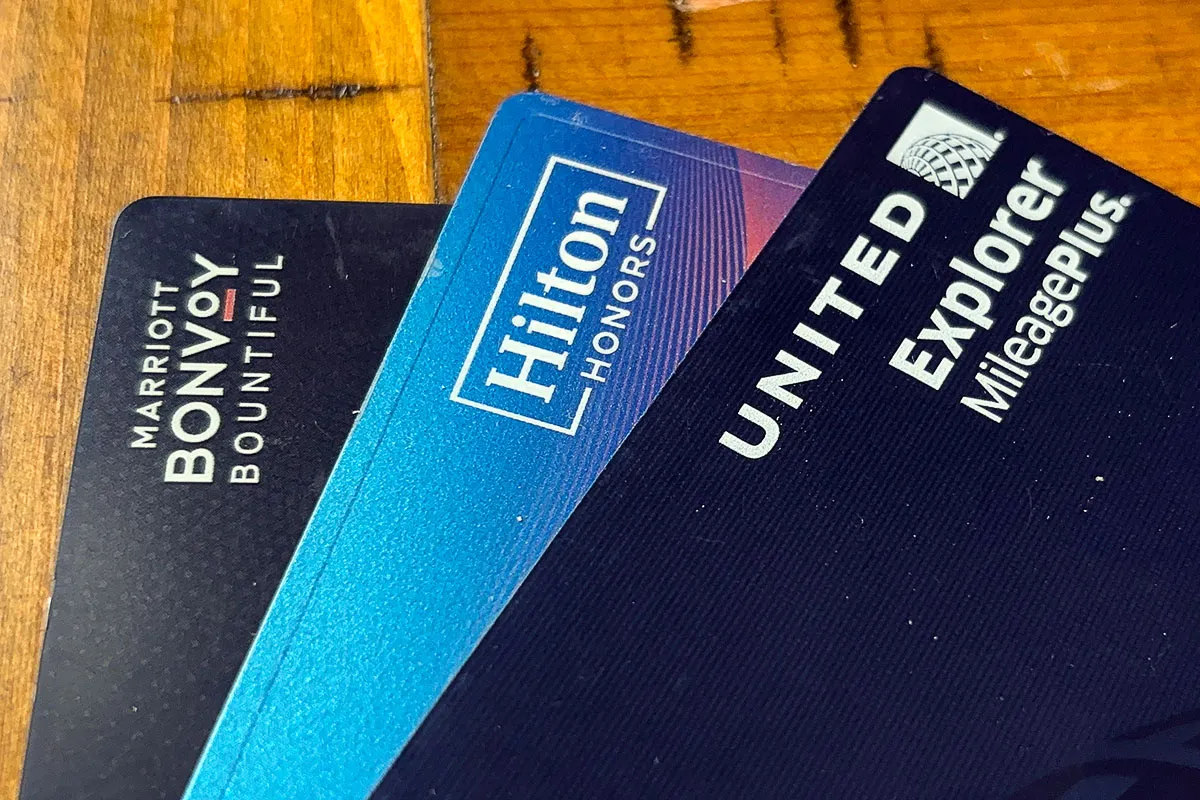
The landscape of travel loyalty has undergone a fundamental shift, as recent data suggests that the primary battle for traveler mindshare is no longer being fought in the skies or within hotel lobbies, but rather within the consumer’s wallet. According to the Skift Research Global Travel Insights survey, credit card and banking loyalty programs have emerged as the dominant force in the rewards sector, surpassing traditional industry stalwarts such as airlines and hotel chains. This transition marks a significant evolution in how travelers perceive value, signaling a move away from brand-specific devotion toward flexible, currency-based ecosystems managed by financial institutions.
The survey results indicate that when asked which loyalty programs they find most rewarding, 32% of travelers identified credit cards and banks as their top choice. This figure places financial institutions well ahead of hotels, which were favored by 26% of respondents, and airlines, which garnered 20% of the vote. Perhaps most striking is the performance of online travel agencies (OTAs), which, despite decades of investment in customer acquisition and digital convenience, were cited as most rewarding by only 8% of travelers. Retail and lifestyle-based loyalty programs trailed further behind at 5%.
The Rise of the Financial Travel Ecosystem
For years, travel companies focused their competitive energy on the perceived threat of OTAs like Expedia and Booking.com, fearing these platforms would commoditize their offerings and erode direct customer relationships. While OTAs did successfully capture a segment of the market, they failed to build the deep-seated loyalty that financial institutions have now secured. The "Skift Take" on this data suggests that the bigger threat to travel brands was already present in the form of the credit cards used to pay for bookings.
The dominance of credit card programs can be attributed to the "transferable points" model. Unlike airline miles or hotel points, which are often locked into a single ecosystem with limited redemption options, premium credit card points—such as those offered by American Express Membership Rewards, Chase Ultimate Rewards, and Capital One Miles—allow users to transfer points to dozens of different airline and hotel partners. This flexibility provides a hedge against devaluations in any single travel program, making the bank’s currency more valuable to the savvy consumer.
A Chronology of Loyalty Evolution
The shift toward credit card dominance did not happen overnight; it is the result of a decades-long evolution in how travel is marketed and sold.
- The 1980s and 90s: The Era of the Frequent Flyer: Loyalty was birthed in the airline industry. American Airlines launched AAdvantage in 1981, creating the blueprint for mileage-based rewards. During this era, loyalty was strictly transactional: the more you flew, the more rewards you earned.
- The 2000s: The Rise of Hotel Megabrands: Hotel chains followed suit, consolidating brands and launching massive programs like Marriott Rewards and Hilton HHonors. These programs expanded the definition of loyalty to include stay-based perks like room upgrades and late check-outs.
- The 2010s: The Fintech Explosion and the Rewards War: This decade marked the turning point. In 2016, the launch of the Chase Sapphire Reserve became a cultural phenomenon, offering a massive sign-up bonus and high earn rates on travel and dining. This forced other banks to elevate their offerings, leading to a "rewards arms race" that shifted the focus from "earning by flying" to "earning by spending."
- 2020–2022: The Pandemic Pivot: When global travel came to a standstill during the COVID-19 pandemic, airlines and hotels saw their engagement drop. However, credit card companies remained integrated into daily life. Consumers continued to earn points on groceries and online shopping, which they then stockpiled for future travel. This period solidified the credit card as the central hub of the traveler’s financial life.
- 2023–Present: The Era of the Lifestyle Ecosystem: Today, credit cards have evolved into lifestyle platforms, offering lounge access, CLEAR memberships, digital media credits, and exclusive restaurant reservations, effectively bypassing the need for travelers to seek these perks through individual travel brands.
Supporting Data and Market Dynamics
The 32% preference for credit card programs reflects a broader trend in consumer behavior where "earn velocity" is prioritized. Most travelers do not fly or stay in hotels frequently enough to earn meaningful rewards quickly. However, they use credit cards for daily expenses.
Industry data supports the financial weight of these programs. For many major airlines, the sale of miles to credit card partners is more profitable than the core business of flying passengers. In 2023, Delta Air Lines reported that its partnership with American Express generated nearly $7 billion in remuneration, with a long-term goal of reaching $10 billion annually. This creates a symbiotic but complex relationship: airlines rely on banks for cash flow, yet banks are the ones capturing the primary loyalty of the customer.
Furthermore, the 8% loyalty share for OTAs highlights a "loyalty gap." While OTAs are excellent tools for search and price comparison, their rewards programs—such as OneKey (Expedia/Hotels.com) or Genius (Booking.com)—often provide cash-back style discounts rather than the aspirational "free luxury travel" experiences that credit card points can unlock through high-value transfers.
Industry Reactions and Strategic Shifts
The reaction from travel executives has been a mix of cooperation and competition. While travel brands benefit from the influx of cash from bank partnerships, they are also working to "re-brand" their own loyalty programs to compete with the flexibility of banks.
- Airlines: Major carriers have shifted from distance-based earning to spend-based earning. By rewarding the dollar spent rather than the mile flown, they are attempting to mirror the credit card model. American Airlines, for example, recently overhauled its program to center on "Loyalty Points," which can be earned through various non-flight activities, including the airline’s own e-commerce portal.
- Hotels: Chains like Marriott and Hilton are expanding their ecosystems to include "home rentals" (Homes & Villas by Marriott) and "experiences" (Hilton Honors Experiences). By moving beyond the four walls of a hotel room, they hope to remain relevant in the traveler’s daily life, similar to a bank.
- Banks: Financial institutions are becoming travel agencies themselves. JPMorgan Chase acquired the travel booking engine cxLoyalty and the luxury travel brand Frosch, while Capital One launched its own travel portal powered by Hopper. By owning the booking platform, banks are attempting to cut out both the OTAs and the direct-to-brand booking channels.
Analysis of Implications: The "Fintech-ization" of Travel
The fact that 32% of travelers find credit cards most rewarding suggests that travel is increasingly being viewed through a fintech lens. For the modern traveler, points are a form of currency—a "shadow economy" that requires management and optimization.
This has several implications for the future of the industry:
1. Devaluation Risks: As more consumers gravitate toward credit card points, the "liabilities" on the balance sheets of airlines and hotels grow. To manage this, brands often "devalue" their points, requiring more miles for a flight or stay. This creates a cycle where travelers rely even more on the flexibility of bank points to find the best remaining value.
2. The Erosion of Brand Direct-Bookings: If a traveler’s primary loyalty is to their Chase or Amex card, they are more likely to book through the bank’s travel portal to earn 5x or 10x points. This undermines the "book direct" campaigns that hotels have spent millions on, as the bank’s rewards often outweigh the hotel’s direct-booking perks.
3. Data Ownership: Banks now possess more comprehensive data on traveler behavior than airlines or hotels. A bank knows what a customer buys for lunch, where they shop for clothes, and which travel brands they eventually choose. This data allows banks to offer highly personalized travel offers, further entrenching their position as the primary "travel advisor."
4. The Fragmentation of the Mid-Market: Luxury travelers will likely remain loyal to credit cards that offer "soft perks" like lounge access and concierge services. Budget-conscious travelers may stick with OTAs for the lowest price. This leaves the mid-market travel brands in a difficult position, struggling to prove why a traveler should be loyal to their specific brand rather than the card they use to pay for it.
The Path Forward for Travel Brands
To reclaim the top spot in loyalty rankings, hotels and airlines must move beyond transactional rewards. The Skift Research data suggests that the "most rewarding" programs are those that offer the least friction and the most utility.
Traditional travel players may need to consider "open-loop" loyalty systems or deeper integrations with retail and lifestyle brands to match the ubiquity of credit cards. For instance, the partnership between Delta and Starbucks or Marriott and Uber allows customers to earn travel rewards on everyday purchases without needing a specific credit card. These "lifestyle bridges" represent a strategic attempt to intercept the consumer before they reach for their bank-issued card.
In conclusion, the Skift Research Global Travel Insights survey confirms that the center of gravity in travel loyalty has shifted. While airlines and hotels provide the physical experience of travel, financial institutions have successfully captured the emotional and rational loyalty of the traveler. As banks continue to build out their own travel booking infrastructures and lifestyle perks, the traditional travel industry faces a future where they may function more as fulfillment providers for bank-led loyalty ecosystems than as the primary owners of the customer relationship. For the 32% of travelers who now look to their wallets for rewards, the brand on the tail of the plane or the sign on the hotel matters less than the points earned on the card used to get there.