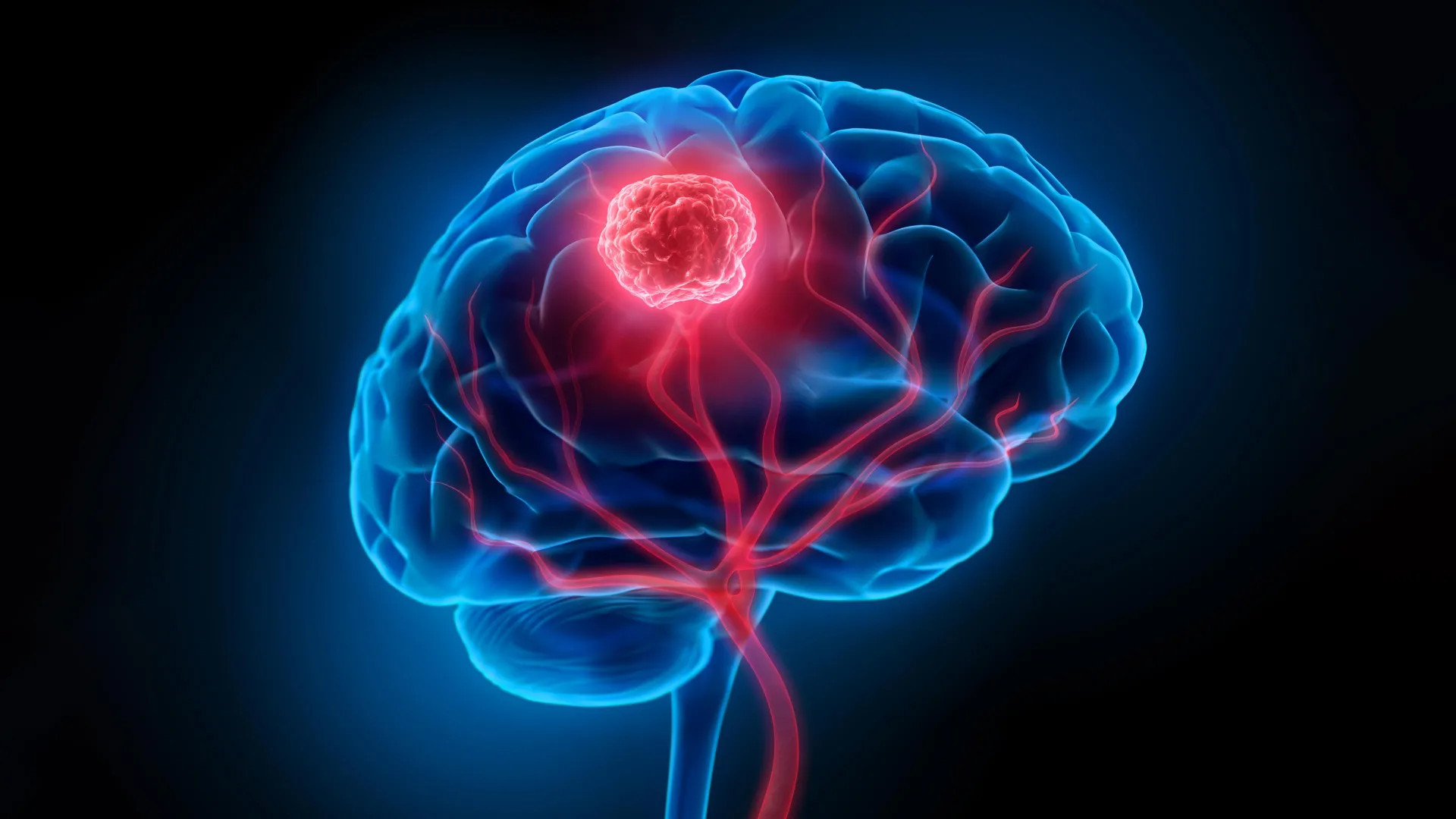
Glioblastoma, the most aggressive form of brain cancer, presents a formidable challenge to the medical community. Its insidious nature, characterized by the diffuse infiltration of cancer cells into surrounding healthy brain tissue, renders complete surgical eradication exceptionally difficult. Surgeons operate under the constant constraint of preserving vital neurological functions, often leaving microscopic tumor remnants behind. Compounding this issue is the formidable blood-brain barrier (BBB), a biological shield that severely limits the penetration of chemotherapeutic agents and the efficacy of radiotherapy. These combined obstacles contribute to a grim prognosis, with a five-year survival rate hovering around a mere 7 percent, underscoring the urgent need for innovative therapeutic strategies.
A Dual-Action Nanotechnology Emerges
In a significant stride forward, researchers from the University of Technology Sydney (UTS), in collaboration with Harvard University and Henan University, have unveiled a groundbreaking "double-punch" nanozyme platform. This sophisticated system, detailed in a recent publication in the esteemed journal Science Translational Medicine, ingeniously employs a single class of smart nanoparticles to address both the surgical and post-operative treatment challenges posed by glioblastoma.
Dr. Bingyang Shi, Chair Professor of Nanomedicine at UTS, articulated the core innovation: "We’ve engineered a single material that does two jobs in sequence. It’s a precise guide for the surgeon during the operation, and then a targeted clean-up treatment afterward." This sequential functionality is the hallmark of the new platform, offering a paradigm shift in how glioblastoma might be managed.
At the heart of this revolutionary system lies an atomically thin, two-dimensional sheet. This ultra-thin material is meticulously constructed, with individual atoms precisely positioned using a method adapted from the advanced semiconductor manufacturing industry. This intricate fabrication process endows the material with the remarkable ability to transition between two distinct roles, activated by the same near-infrared light. Its first function is to serve as a high-resolution imaging agent during surgery, and its second is to deliver a targeted therapeutic intervention after the visible tumor has been excised.
Illuminating the Invisible: Enhanced Surgical Guidance
The surgical phase of glioblastoma treatment is often a race against time and the unseen. The diffuse nature of the tumor means that even with advanced imaging techniques, residual cancer cells can easily be missed. The nanozyme platform directly confronts this limitation.
"During surgery, it functions as a highly sensitive imaging agent," explained Professor Shi. "A fluorescent dye engineered onto the sheet glows under a near-infrared wavelength invisible to the naked eye, allowing surgeons to see individual tumor cell clusters as small as 44 micrometers, a resolution beyond current clinical imaging tools." This level of detail is critical. For context, a human hair is approximately 70-100 micrometers in diameter. Being able to visualize clusters as small as 44 micrometers means surgeons can identify and target cancerous infiltrations that would otherwise be imperceptible, dramatically improving the completeness of tumor resection.
Furthermore, the nanoparticles are equipped with a targeting molecule. This crucial component facilitates their passage across the notoriously restrictive blood-brain barrier, enabling them to accumulate specifically within glioma cells. This targeted accumulation ensures that the imaging signal is concentrated precisely where it is needed most, minimizing background noise and maximizing the visualization of cancerous tissue.
Post-Operative Annihilation: A Targeted Clean-Up Operation
Once the macroscopic tumor has been surgically removed, the threat of recurrence looms large. The microscopic cancer cells that invariably escape the surgeon’s scalpel can seed new tumor growth, leading to relapse and a worsened prognosis. The nanozyme platform is designed to tackle this insidious threat head-on.
After the visible tumor is excised, the same nanoparticle material can be administered into the surgical cavity. Upon reactivation with the same near-infrared light, the material initiates a potent therapeutic cascade. "The platinum atoms convert the tumor’s own hydrogen peroxide into oxygen, counteracting the low-oxygen environment that normally shields cancer cells from treatment," Professor Shi elaborated. This is a critical insight, as the hypoxic (low-oxygen) regions within tumors are known to be more resistant to both radiation and chemotherapy. By converting endogenous hydrogen peroxide into oxygen, the nanoparticles not only neutralize this protective shield but also create a more oxygenated environment, rendering any remaining cancer cells more vulnerable to subsequent treatments.
Simultaneously, the near-infrared light activates the nanoparticles to generate heat and produce reactive oxygen species (ROS). These highly reactive molecules are potent cytotoxic agents that can directly damage and destroy the microscopic cancer cells that eluded surgical removal. This dual-action approach – oxygen generation and localized ROS production – creates a hostile environment for any residual tumor cells, significantly reducing the likelihood of recurrence.
Pre-Clinical Validation: Promising Results in Animal Models
The efficacy of this novel dual-function platform has been rigorously evaluated in pre-clinical studies using mouse models of glioblastoma. The results have been profoundly encouraging, offering a tangible glimmer of hope in a field often marked by incremental progress.
In these studies, mice treated with the nanoparticle approach following surgery exhibited a marked reduction in tumor recurrence. Crucially, all mice that received the nanoparticle treatment remained alive at the 60-day follow-up mark. In stark contrast, the control group that underwent surgery alone had a median survival of only 42 days. This significant survival advantage highlights the therapeutic power of the nanozyme platform in preventing or delaying tumor regrowth.
Moreover, comprehensive follow-up testing in the treated mice revealed no detectable neurological or motor impairments. This finding is of paramount importance, as any new treatment for brain cancer must not only be effective but also be safe and preserve the patient’s quality of life. The absence of adverse neurological effects in the pre-clinical models suggests a favorable safety profile for the nanoparticle system.
The Broader Implications: A New Frontier in Cancer Therapy
The development of this dual-action nanozyme platform represents a significant conceptual leap in the management of glioblastoma and potentially other aggressive cancers. By integrating precise surgical guidance with targeted post-operative therapy within a single, unified system, it offers a more holistic and potentially more effective approach to combating this devastating disease.
The ability to visualize and remove more of the tumor during surgery, coupled with the capacity to eliminate remaining microscopic cells, directly addresses the two most significant challenges in glioblastoma treatment: achieving complete resection and preventing recurrence. This dual strategy has the potential to not only improve survival rates but also to enhance the long-term quality of life for patients.
The reliance on near-infrared light for activation is another key advantage. This wavelength penetrates tissues relatively well and is less damaging than higher-energy radiation, making it a suitable modality for both intra-operative imaging and post-operative therapy. The conversion of endogenous hydrogen peroxide to oxygen is a particularly elegant solution, leveraging the tumor’s own microenvironment to enhance treatment efficacy.
A Cautious Optimism: The Path Forward
Despite the overwhelmingly positive pre-clinical findings, the researchers are quick to emphasize that this technology is still in its early stages of development. "The results are very encouraging, but this is still early-stage research carried out in mouse models, not in people – and that distinction is important," Professor Shi cautioned.
The transition from animal models to human clinical trials is a complex and lengthy process. Extensive further testing will be required to confirm the imaging and therapeutic performance of the nanoparticles at the scale of a human brain. Issues such as optimal dosage, delivery methods, and potential long-term effects in humans will need to be thoroughly investigated.
However, the promise is undeniable. If this technology proves successful in human trials, it could revolutionize glioblastoma surgery and treatment. Surgeons could gain unprecedented visibility of the tumor, leading to more complete resections. Patients could then benefit from a targeted, post-operative therapy that effectively eradicates residual cancer cells, significantly reducing the risk of recurrence.
The implications extend beyond glioblastoma. The principles behind this dual-function nanozyme platform – precise imaging guided by nanotechnology and sequential therapeutic activation – could potentially be adapted for the treatment of other challenging cancers that exhibit similar characteristics of diffuse infiltration and resistance to conventional therapies.
The journey from laboratory discovery to widespread clinical application is fraught with challenges. Yet, the development of this innovative nanoparticle platform by the collaborative teams at UTS, Harvard, and Henan Universities represents a crucial and inspiring step forward. It offers a tangible pathway toward a future where the formidable challenge of glioblastoma might be met with more effective, more precise, and ultimately, more hopeful solutions. The ongoing research holds the potential to transform the landscape of brain cancer treatment, offering a beacon of hope to patients and their families worldwide.