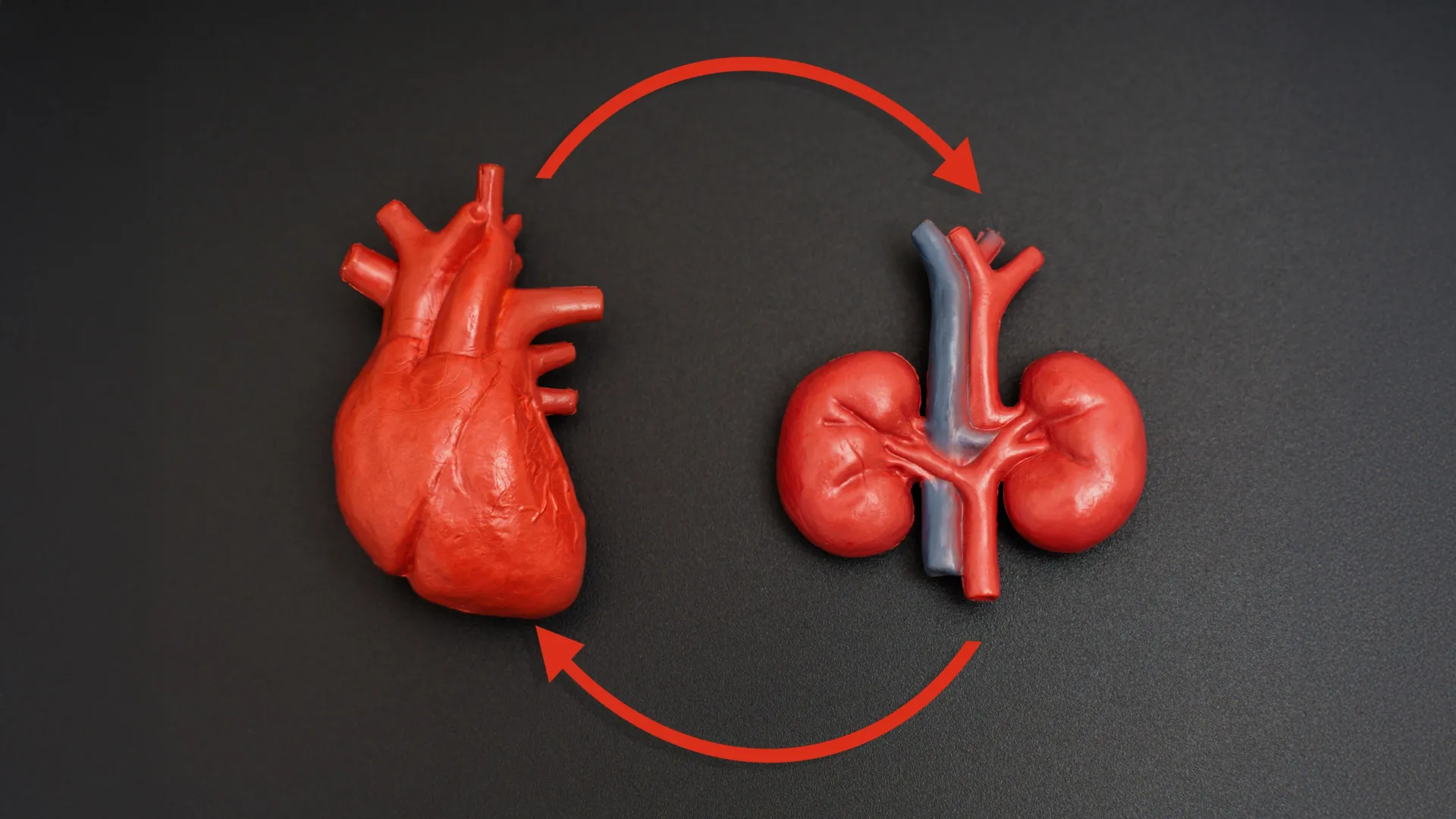
The European Society of Cardiology (ESC) has unveiled its inaugural comprehensive guidelines specifically designed to address the intricate management of cardiovascular disease (CVD) in conjunction with chronic kidney disease (CKD). This groundbreaking initiative, developed in close collaboration with the European Renal Association (ERA), marks a significant step forward in patient care and medical understanding of these interconnected conditions. The recommendations were formally published in the prestigious European Heart Journal and officially presented at the highly anticipated ESC Congress 2026, signaling a new era in clinical practice.
The Pervasive and Dangerous Interplay of Heart and Kidney Health
Chronic kidney disease is clinically defined by the persistence of abnormalities in kidney structure or function for a minimum of three months, demonstrably impacting an individual’s overall health. The scale of this public health challenge is substantial, with an estimated 100 million individuals across the European continent living with CKD. This condition is not merely an isolated ailment; it acts as a potent accelerator, significantly elevating the risk of developing a wide spectrum of cardiovascular diseases. This synergistic relationship creates a complex clinical scenario where the health of the heart and kidneys is inextricably linked, often leading to a cascading effect of deteriorating health outcomes.
The profound implications of these co-existing conditions are underscored by the substantial disability and loss of life they inflict. As Associate Professor Kevin Damman, Chair of the ESC/ERA Task Force and affiliated with University Medical Centre Groningen in the Netherlands, stated, "The disability and lifetime lost to each disease are profound, but CKD can accelerate CVD and vice versa, resulting in cardiovascular events and the need for dialysis much earlier in life." He further elaborated on the positive trajectory of medical advancement, noting, "The good news is that there have been major advances over the last few years, which mean there are now several simple treatments that can substantially lower the risk of both cardiovascular and kidney complications." This optimism is grounded in emerging therapeutic strategies that offer tangible hope for mitigating the dual burden of these chronic diseases.
Given the frequent co-occurrence of cardiac and renal dysfunction, a cornerstone of the new guidelines is the emphasis on early identification of kidney issues in individuals already under care for cardiovascular conditions. This proactive approach aims to intercept disease progression before irreversible damage occurs.
Professor William Herrington, co-Chair of the Task Force and a leading figure from the University of Oxford in the UK, highlighted the practical implications for clinical practice. "Many patients with CKD are treated by the cardiology community, and the new ESC Guidelines aim to increase the use of kidney function and urine albumin testing in patients with CVD," he explained. "With improved screening, more at-risk patients can be identified, and the most appropriate treatments for both CKD and CVD can be prescribed." This sentiment reflects a growing consensus within the medical community that a more integrated approach is essential for optimizing patient outcomes.
A Structured Approach: The ‘STAMP on CKD’ Framework
To facilitate the practical implementation of these complex recommendations, the Task Force has developed a clear and memorable acronym: ‘STAMP on CKD’. This framework outlines a systematic strategy for managing patients at the intersection of cardiovascular and kidney disease, encompassing five key pillars: Screen, Triage, Address CKD Risk, Modify CVD management, and Plan health services.
Screening: The Crucial First Step
The initial and arguably most critical step in the ‘STAMP on CKD’ strategy is comprehensive screening. The guidelines strongly advocate for the testing of every patient diagnosed with cardiovascular disease for the presence of chronic kidney disease at the time of their cardiovascular diagnosis. This proactive screening process involves a two-pronged approach: standard blood tests to estimate glomerular filtration rate (eGFR) using creatinine levels, and urine tests to measure albumin-to-creatinine ratio (UACR). These non-invasive tests are vital in detecting early signs of kidney damage that may not yet manifest with overt symptoms. The prevalence of undiagnosed CKD is significant, and this guideline aims to bring these individuals into the healthcare system for timely intervention.
Triage: Assessing Risk Stratification
Following screening, the ‘Triage’ phase focuses on meticulously assessing a patient’s likelihood of progressing to kidney failure and concurrently evaluating their overall cardiovascular risk. The guidelines recommend the judicious use of validated risk scoring tools that specifically incorporate measures of kidney function. These tools are essential for stratifying patients into different risk categories, allowing healthcare providers to tailor management strategies and allocate resources effectively to those most in need. By understanding the nuanced interplay of renal and cardiac risk factors, clinicians can move beyond a one-size-fits-all approach to personalized care.
Addressing CKD Risk: Early and Effective Interventions
The ‘Address CKD Risk’ component emphasizes the urgent need for early intervention with proven, cost-effective therapies. The primary objective here is to slow the progression of CKD and significantly reduce the incidence of cardiovascular events. Associate Professor Damman highlighted the pivotal role of specific drug classes in this regard: "Early use of drugs called RAS inhibitors and SGLT2 inhibitors alongside statin-based therapy are particularly important and effective." Renin-angiotensin-aldosterone system (RAAS) inhibitors, such as ACE inhibitors and ARBs, have long been established as renoprotective agents, while SGLT2 inhibitors, originally developed for diabetes, have demonstrated remarkable cardiovascular and renal benefits across a broad spectrum of patients, even those without diabetes. The combination of these therapies with statins, the cornerstone of cholesterol management for CVD prevention, forms a potent therapeutic arsenal.
Furthermore, the guidelines address the critical issue of adjusting cardiovascular treatment regimens for individuals with CKD. Reduced kidney function can impair the body’s ability to metabolize and excrete certain medications, potentially leading to adverse effects or reduced efficacy. Therefore, the recommendations provide clear guidance on the safe and appropriate use of cardiovascular therapies in patients with varying degrees of renal impairment, ensuring that established treatments are optimized for this vulnerable population. This includes considerations for drug dosing, selection, and monitoring to prevent complications.
Modifying CVD Management: A Tailored Approach
The ‘Modify CVD management’ pillar acknowledges that the presence of CKD necessitates a nuanced approach to managing cardiovascular disease. The guidelines provide specific recommendations for adapting standard CVD treatments to account for impaired kidney function. This involves careful consideration of medication choices, dosages, and monitoring strategies to maximize cardiovascular benefit while minimizing the risk of nephrotoxicity or other adverse effects. For instance, certain antiplatelet agents or anticoagulants may require dose adjustments or alternative selections in patients with advanced CKD to balance the risk of bleeding with the need for thrombotic event prevention. The integration of nephrological considerations into cardiological practice is paramount for optimal patient outcomes.
Planning Health Services: Fostering Integrated Care
The final element of the ‘STAMP on CKD’ strategy, ‘Plan health services’, underscores the imperative of organizing healthcare systems to facilitate timely and coordinated care for high-risk patients. This involves fostering active and efficient communication and collaboration between cardiology and nephrology specialists. Professor Herrington emphasized this point, stating, "Active and efficient communication between specialties is often necessary due to the complexities associated with CKD." The aim is to ensure that patients are quickly identified and receive integrated care from both disciplines, preventing fragmented treatment pathways and optimizing decision-making.
Moreover, the guidelines recognize the crucial role of patient and caregiver engagement in the multidisciplinary care process. "Engagement of patients and family/caregivers in the multidisciplinary care process also helps to ensure patients’ priorities are met, improve their experience and promote patient-centered care," noted Professor Herrington. This patient-centered philosophy ensures that treatment plans are aligned with individual values and preferences, fostering adherence and improving overall quality of life. To further empower patients, a dedicated patient version of the guidelines has been developed, designed to enhance understanding of their conditions and facilitate more confident participation in shared decision-making with their healthcare providers.
Broader Impact and Future Directions
The release of these comprehensive guidelines represents a significant advancement in the management of two of the most prevalent and debilitating chronic diseases. The potential implications are far-reaching, promising to improve the lives of millions across Europe and beyond. By promoting earlier diagnosis, more aggressive risk factor management, and enhanced collaboration between medical specialties, these recommendations are poised to reduce cardiovascular events, slow the progression of kidney disease, decrease the need for renal replacement therapy, and ultimately lower mortality rates.
The Task Force Chairs concluded with a powerful message regarding the societal impact and future outlook: "CVD and CKD are major burdens on patients, healthcare systems and society. The key messages in these guidelines should be noted by all relevant healthcare stakeholders and policymakers, and research planned to fill several gaps in the evidence. Raising awareness will help realize the hope that the guidelines will lead to important individual and societal improvement for those with, or at risk of, CVD and CKD."
The development of these guidelines is the culmination of extensive research and expert consensus, building upon decades of understanding the complex interplay between the cardiovascular and renal systems. The ESC Congress 2026 served as a pivotal platform for disseminating these critical updates, ensuring that the latest evidence-based practices reach clinicians worldwide. The publication in the European Heart Journal, a leading peer-reviewed medical journal, guarantees broad accessibility and adherence to rigorous scientific standards.
The financial burden of managing CVD and CKD individually is substantial, and their co-existence exacerbates these costs. By preventing complications, delaying disease progression, and reducing hospitalizations, the implementation of these guidelines is expected to yield significant economic benefits for healthcare systems. Furthermore, the reduction in premature mortality and disability will have a positive impact on workforce participation and overall societal well-being.
The call for further research is also a critical component of the guidelines. While significant progress has been made, there remain areas where evidence is less robust. Future research will likely focus on optimizing existing therapies, exploring novel therapeutic targets, and refining risk stratification tools. Understanding the genetic predispositions and environmental factors that contribute to the co-occurrence of CVD and CKD will also be crucial for developing even more personalized and effective prevention and treatment strategies. The commitment to ongoing research underscores the dynamic nature of medical science and the dedication to continuously improving patient care.
In conclusion, the joint guidelines from the ESC and ERA represent a monumental achievement in cardiovascular and nephrological medicine. By providing a clear, actionable framework for managing patients with both CVD and CKD, these recommendations offer a beacon of hope for improved health outcomes, enhanced quality of life, and a more sustainable future for healthcare systems grappling with the escalating burden of these interconnected chronic diseases. The successful integration of these guidelines into routine clinical practice will undoubtedly be a testament to the collaborative spirit of medical professionals and the unwavering commitment to patient-centered care.