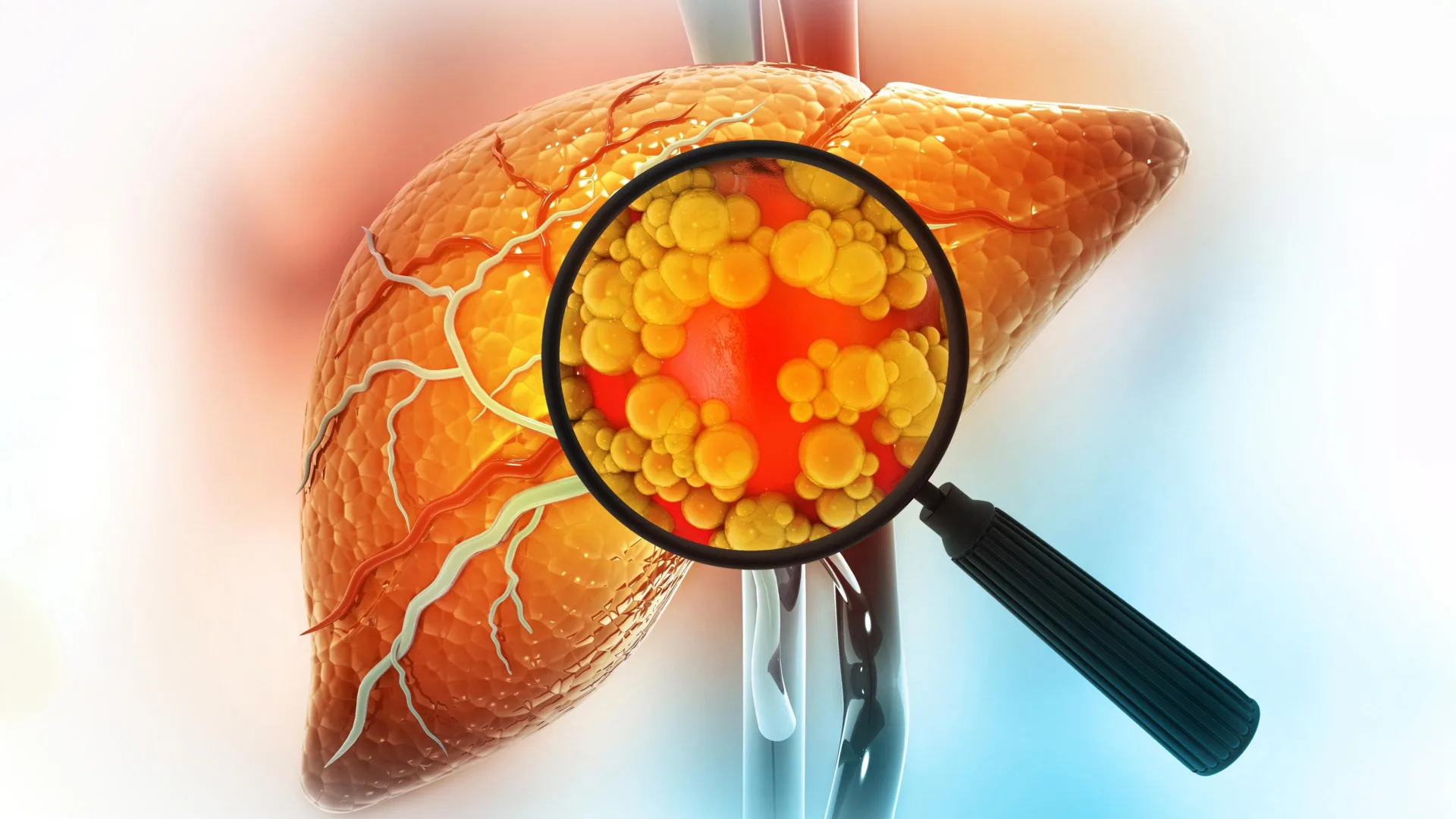
New research is casting a significant shadow over the perceived health benefits of sugar substitutes, particularly sugar alcohols like sorbitol. Once widely embraced as a healthier alternative to refined sugars such as glucose, sorbitol, commonly found in "sugar-free" candies and chewing gum, may pose unexpected metabolic challenges, according to a groundbreaking study published in Science Signaling. This discovery complicates the narrative that these sweeteners are an automatic win for health-conscious consumers, suggesting that the body’s intricate metabolic pathways can transform them into compounds with potentially detrimental effects, mirroring those associated with fructose.
The Fructose Connection: Unraveling Sorbitol’s Metabolic Identity
The study, spearheaded by Gary Patti, the Michael and Tana Powell Professor of Chemistry, in Art & Sciences, and of genetics and medicine at Washington University in St. Louis, builds upon years of his laboratory’s focused investigation into the metabolic fate and impact of fructose. Fructose, a simple sugar found naturally in fruits and honey, and added to many processed foods as high-fructose corn syrup, has been a subject of intense scientific scrutiny due to its significant role in liver health and disease.
Patti’s previous work had already illuminated concerning aspects of fructose metabolism. His research demonstrated that cancer cells can leverage the byproducts of fructose metabolism to fuel their rapid growth, a finding that raised alarms within the oncology community. Furthermore, his team contributed to the growing body of evidence identifying fructose as a key contributor to non-alcoholic fatty liver disease (NAFLD), a condition now affecting an estimated 30% of adults globally. NAFLD is characterized by the excessive accumulation of fat in the liver, leading to inflammation, fibrosis, and potentially cirrhosis.
The latest findings concerning sorbitol are particularly significant because of its close metabolic proximity to fructose. Patti explains this relationship in a way that underscores the potential for concern: sorbitol is essentially "one transformation away from fructose." This implies that the body possesses the biochemical machinery to readily convert sorbitol into a closely related compound that could elicit similar, and potentially harmful, metabolic responses as fructose. This metabolic lability is what distinguishes sorbitol from other sugar alcohols and raises questions about its widespread use in dietary products.
From Gut to Liver: Tracing Sorbitol’s Journey Within the Body
To understand the complex journey of sorbitol within the body, researchers employed zebrafish as a model organism, known for its genetic similarities to humans and its transparent embryos, which allow for direct observation of internal processes. Sorbitol, while a common additive in low-calorie confectionery, also occurs naturally in various stone fruits, such as peaches, plums, and cherries. However, the study revealed that the presence of sorbitol in the body is not solely dependent on dietary intake.
A critical finding of the research is that enzymes naturally present within the human intestine can synthesize sorbitol from glucose, the primary sugar found in the bloodstream. This process can occur following a meal, particularly when glucose levels rise. The subsequent metabolic fate of this internally generated sorbitol is then dictated by a confluence of factors, including the total amount of glucose and sorbitol consumed, and crucially, the composition of the gut microbiome – the vast community of bacteria residing in the digestive tract.
This intricate interplay creates multiple potential pathways through which fructose-related compounds, originating from either dietary sorbitol or internally produced sorbitol, can ultimately reach the liver. Historically, research into sorbitol metabolism has been largely focused on conditions like diabetes. In individuals with diabetes, chronically elevated blood glucose levels can trigger the body’s production of larger quantities of sorbitol. This is because the enzyme responsible for converting glucose to sorbitol, aldose reductase, has a relatively low affinity for glucose. It requires substantially elevated glucose concentrations to become highly active. Consequently, sorbitol production has been historically associated with the hyperglycemic state of diabetes.
However, the zebrafish experiments provided compelling evidence that diabetes is not a prerequisite for significant sorbitol production. Even in individuals with healthy blood glucose regulation, the concentration of glucose within the intestinal lumen can spike sufficiently after a meal to initiate substantial sorbitol synthesis by intestinal enzymes. This internal production, independent of direct dietary sorbitol intake, adds another layer of complexity to understanding its metabolic impact.
The Gut Microbiome: A Crucial Regulatory Filter
The study’s most significant revelation lies in the role of gut bacteria in mediating the metabolic consequences of sorbitol. Certain bacterial strains within the gut appear to act as a protective buffer, actively degrading and metabolizing sorbitol. Specifically, strains of Aeromonas bacteria capable of breaking down sorbitol were found to consume the sugar alcohol, converting it into benign bacterial byproducts. This microbial "cleanup" process is critical, determining whether sorbitol is neutralized within the gut or allowed to proceed further into the systemic circulation and eventually reach the liver.
"It can be produced in the body at significant levels," stated Professor Patti. "But if you have the right bacteria, turns out, it doesn’t matter. However, if you don’t have the right bacteria, that’s when it becomes problematic. Because in those conditions, sorbitol doesn’t get degraded and as a result, it is passed on to the liver."
This finding has profound implications, particularly for individuals managing metabolic disorders. Many people with diabetes or pre-diabetes actively seek out "sugar-free" products, often relying on sweeteners like sorbitol, with the intention of avoiding the adverse health effects associated with refined sugars. The research suggests that this strategy may be flawed if the individual’s gut microbiome is not equipped to handle the sorbitol load. When sorbitol bypasses degradation in the gut and reaches the liver, it can be converted into a fructose derivative, thereby potentially contributing to the same metabolic issues – such as fatty liver disease – that these individuals are trying to avoid.
When the Gut is Overwhelmed: Sorbitol’s Limit
At relatively low concentrations, such as those naturally encountered from consuming whole fruits, the gut microbiome appears to be highly effective at managing and eliminating sorbitol. However, the study highlights a critical threshold: when the amount of sorbitol exceeds the processing capacity of these beneficial microbes, the situation becomes problematic.
This overload can occur through two primary mechanisms. First, as previously noted, high dietary glucose intake can stimulate the intestine to produce more glucose-derived sorbitol. Second, consuming large quantities of sorbitol directly from food products significantly increases the overall sorbitol load. As both glucose and sorbitol consumption climb, even individuals who host robust populations of sorbitol-degrading bacteria may find their microbial defenses overwhelmed.
The complexity of modern processed foods further exacerbates this issue. Many products are formulated with a cocktail of various sugars and sugar substitutes, making it challenging for consumers to accurately assess their total intake of potentially problematic compounds. Professor Patti himself experienced this realization when he discovered a significant amount of sorbitol in a protein bar he regularly consumed. This personal anecdote underscores the pervasive nature of sorbitol in the food supply and the need for greater consumer awareness.
Sugar Alcohols: Beyond Simple Digestion
Sorbitol belongs to a class of compounds known as polyols, commonly referred to as sugar alcohols. These are popular in the food industry for their ability to provide sweetness with fewer calories than traditional sugars and their relatively low impact on blood glucose levels, making them attractive for diabetic diets. A long-standing assumption has been that sugar alcohols are largely inert, passing through the digestive system with minimal metabolic consequence.
The new findings directly challenge this simplistic view. The research provides clear evidence that sorbitol does not simply remain confined to the digestive tract. "We do absolutely see that sorbitol given to animals ends up in tissues all over the body," Professor Patti affirmed. This systemic presence suggests that sugar alcohols, contrary to prior belief, can indeed engage in metabolic processes beyond the gut.
Broader Implications for the Future of Sweeteners
The study’s conclusions carry significant weight for public health recommendations and the food industry. They reinforce a broader emerging lesson from research into alternative sweeteners: simply replacing refined sugar with another sweet-tasting compound does not automatically translate to improved metabolic health. The intricate interplay between diet, the gut microbiome, and individual metabolic pathways means that the effects of these substitutes can be highly variable and context-dependent.
Professor Patti’s summation, "there is no free lunch" when searching for sugar alternatives, serves as a crucial caution. The implication is that consumers should not assume that all sugar substitutes are universally beneficial. Instead, a more nuanced understanding of their metabolic fate is required, particularly for individuals managing chronic health conditions.
The research team is continuing to investigate the precise mechanisms by which bacteria break down and eliminate sorbitol, and how this process is influenced by different dietary components and individual gut microbiome compositions. Further studies are also needed to elucidate the specific downstream effects of sorbitol and its derivatives in human tissues, especially in the liver.
This ongoing scientific inquiry is vital for informing regulatory bodies, food manufacturers, and healthcare professionals. It may lead to revised dietary guidelines, clearer labeling practices for products containing sugar alcohols, and a more personalized approach to dietary recommendations for individuals seeking to manage their sugar intake and improve their metabolic health. The sweet promise of sugar substitutes may, in some cases, mask a more complex and potentially concerning metabolic reality.
This work was supported by grants from the National Institutes of Health (R35ES028365 to G.J.P. and P30DK056341 to S.K.).