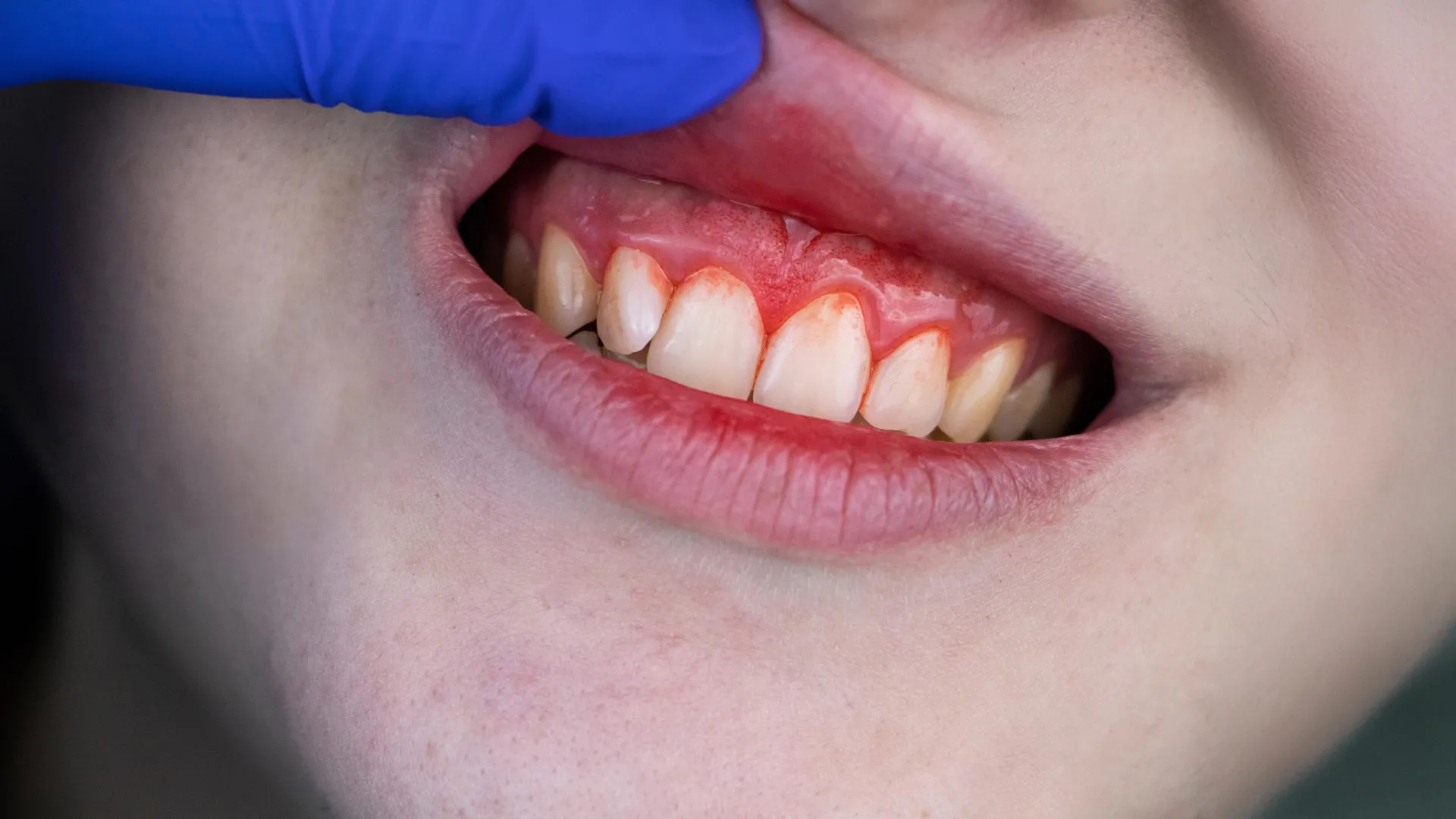
A groundbreaking yearlong clinical study has revealed that a combination of omega-3 fatty acids and low-dose acetylsalicylic acid (ASA) can perform nearly as effectively as conventional antibiotic treatments in managing severe periodontitis. This finding, published in the prestigious Journal of Periodontology, opens a compelling new avenue for treating this destructive inflammatory gum disease, potentially reducing reliance on antibiotics and mitigating the growing threat of antimicrobial resistance.
The research, a collaborative effort involving esteemed institutions such as Albert Einstein Israelite Hospital, Guarulhos University (UNG), the University of Taubaté (UNITAU), the Ribeirão Preto School of Dentistry at USP (FORP-USP) in Brazil, and Harvard University in the United States, offers a beacon of hope for patients with advanced periodontitis. The study’s implications are far-reaching, suggesting a paradigm shift in how severe forms of this oral affliction might be managed, particularly in an era where antibiotic stewardship is paramount.
Understanding the Devastation of Severe Periodontitis
Periodontitis, a chronic inflammatory condition, arises from the accumulation of bacteria beneath the gumline. These microorganisms trigger an immune response that, over time, erodes the supporting structures of the teeth, including the bone and ligaments. In its severe stages, periodontitis can lead to significant tooth mobility, deep periodontal pockets that harbor persistent bacterial colonies, and ultimately, tooth loss. This not only impacts an individual’s oral health but can also have profound effects on overall well-being, affecting nutrition, speech, and self-esteem.
Dr. Nádia Cristina Castro dos Santos, a dental surgeon, professor, and researcher at Einstein and the first author of the study, highlighted the challenges posed by advanced disease. "Patients with severe disease have very deep pockets, which act as reservoirs for bacteria associated with the disease. It’s a very challenging condition to treat," she stated. These deep pockets, often exceeding 6 millimeters in depth, are difficult to access with standard oral hygiene practices and professional cleaning alone, making them persistent sources of infection and inflammation.
The study, generously supported by FAPESP (projects 20/05874-2 and 20/05875-9), enrolled 109 participants diagnosed with advanced periodontitis. These individuals were meticulously monitored over a twelve-month period to assess the efficacy of different treatment regimens.
A Comparative Analysis of Four Treatment Strategies
To rigorously evaluate the potential of omega-3 and ASA, the researchers designed a comprehensive study comparing four distinct treatment arms. All participants underwent subgingival instrumentation, commonly known as scaling and root planing. This foundational procedure involves the thorough removal of bacterial plaque, calculus, and other irritants from the root surfaces of the teeth and within the periodontal pockets – a standard and essential first step in managing periodontitis.
The differentiating factor among the groups was the adjunctive therapy they received following the initial instrumentation. The four groups were structured as follows:
-
Control Group (Placebo): This group received placebo versions of the investigational treatments – omega-3, ASA, and antibiotics. These placebos were meticulously designed to mimic the appearance of the active medications, ensuring blinding and minimizing bias in participant reporting.
-
Antibiotic Group: Participants in this group were administered a 14-day course of a potent antibiotic combination: metronidazole and amoxicillin. This dual antibiotic therapy is recognized for its efficacy in combating the specific bacteria implicated in severe periodontitis, backed by substantial scientific evidence. The prescribed dosage was three times daily for the specified two-week period.
-
Omega-3 and ASA Group: This arm received a daily regimen of three grams of omega-3 fatty acids combined with a daily dose of low-dose aspirin. This supplementation was administered for an extended period of six months, allowing for a sustained impact on inflammatory processes.
-
Combined Therapy Group: This group received a sequential and concurrent approach, taking the antibiotic combination (metronidazole and amoxicillin) for the initial 14 days, followed by the six-month regimen of omega-3 and low-dose ASA. This arm was designed to explore whether a synergistic effect could be achieved by combining both intervention types.
The progress of each participant was systematically assessed at three, six, and twelve months post-treatment initiation. Researchers meticulously measured key periodontal parameters, including probing depth, clinical attachment loss, and bleeding on probing, to gauge the effectiveness of each therapeutic strategy in reducing inflammation and halting disease progression.
Omega-3 and Aspirin: A Near Match for Antibiotics
The results after one year of observation were striking and, in some respects, unexpected. The primary clinical target set by the researchers was the reduction of deep periodontal pockets (those exceeding 4mm) to no more than four remaining pockets per patient.
In the antibiotic group, approximately 58% of participants achieved this clinical success criterion. Remarkably, the group treated with omega-3 and low-dose ASA demonstrated a nearly identical success rate, with 57.7% of participants reaching the same benchmark. This finding strongly suggests that the omega-3 and ASA combination can indeed offer a comparable level of clinical benefit to traditional antibiotic therapy in the management of severe periodontitis.
The impact of these active interventions was starkly contrasted with the control group. In the placebo group, which only received standard scaling and root planing, a significantly lower percentage – just 23.1% – met the established clinical goal. This highlights the critical need for adjunctive therapies beyond mechanical debridement in achieving optimal outcomes for severe periodontitis.
Perhaps one of the most intriguing findings was the lack of additional benefit observed in the group that received both antibiotics and the omega-3/ASA regimen. This suggests that the efficacy of the omega-3 and ASA combination is substantial enough on its own that it does not confer further significant advantages when combined with antibiotics. This observation strengthens the argument for exploring the omega-3/ASA approach as a standalone alternative.
Dr. Castro dos Santos elaborated on the implications of the antibiotic findings: "The use of antibiotics isn’t considered the gold standard of treatment. Although metronidazole and amoxicillin yield good results in the most severe cases, their use should be evaluated on a case-by-case basis due to risks related to bacterial resistance and possible adverse effects." This sentiment underscores the ongoing global effort to judiciously use antibiotics and seek alternative strategies.
Building on Previous Research: The Anti-Inflammatory Power of Omega-3
The current study’s findings are not entirely without precedent. They build upon a growing body of research investigating the role of omega-3 fatty acids in managing inflammatory conditions, including periodontal disease. An earlier study, also supported by FAPESP and published in Scientific Reports, explored the effects of omega-3 supplementation in an animal model. In that research, omega-3 supplementation was found to significantly reduce inflammation and bone loss associated with periodontal disease in rats. The study noted a particularly pronounced effect when omega-3 supplementation was combined with physical exercise, suggesting a synergistic approach to combating the disease.
While the animal study provided valuable insights into the biological mechanisms, it could not definitively establish whether similar effects would translate to humans. However, it laid crucial groundwork by providing evidence that omega-3 possesses the potential to positively influence the complex inflammatory processes underlying oral diseases.
Mechanism of Action: Resolving Inflammation and Promoting Repair
Dr. Castro explained that omega-3 fatty acids operate through a distinct mechanism compared to conventional anti-inflammatory drugs. Instead of merely suppressing inflammatory pathways, omega-3s contribute to the production of specialized pro-resolving mediators (SPMs). These SPMs are endogenous molecules that actively help the body to naturally terminate inflammatory responses and facilitate tissue repair.
The inclusion of low-dose acetylsalicylic acid (ASA) was a strategic decision. ASA is known to enhance the production of these inflammation-resolving molecules, potentially amplifying the beneficial effects of omega-3. The researchers hypothesized that the synergistic action of omega-3 and ASA would equip the body with a more robust capacity to manage the persistent and often recalcitrant inflammation characteristic of periodontitis.
"We imagined that the combination of antibiotics and omega-3 would be most effective in controlling periodontitis in these patients. We also believed that the results for the group that used omega-3 with ASA would be slightly lower than those for the antibiotic group. The result was surprising because the two therapies performed very similarly, paving the way for it to become a treatment option for these patients," Dr. Castro remarked, emphasizing the unexpected yet highly encouraging nature of their findings.
Enduring Benefits: A Lasting Impact Beyond Treatment Cessation
Another remarkable observation from the study was the sustained efficacy of the omega-3 and ASA treatment even after supplementation ceased. Participants who had adhered to the omega-3 and ASA regimen continued to exhibit clinical results comparable to those recorded at the end of the twelve-month treatment period, even six months after they had stopped taking the supplements.
This prolonged effect suggests that modulating the body’s inflammatory response through omega-3 and ASA may lead to more durable benefits than traditional treatments that primarily target the microbial cause of the disease. The researchers are actively investigating the precise biological mechanisms behind this sustained impact, with the hypothesis that a fundamental shift in the body’s inflammatory resolution pathways might be responsible for these long-lasting improvements.
Dr. Magda Feres, a distinguished dental surgeon, full professor at the Harvard School of Dental Medicine and the Graduate Program in Dentistry at UNG, and the lead author of the study, underscored the significance of this extended benefit. She noted that the combination of omega-3 and low-dose aspirin achieved clinical benefits comparable to the metronidazole and amoxicillin protocol, presenting a genuine alternative for individuals who cannot tolerate antibiotics, such as those with allergies or sensitivities.
A Crucial Step Towards Reducing Antibiotic Dependency
The potential to manage severe periodontitis without resorting to antibiotics is particularly timely and relevant in the face of the escalating global health crisis of antimicrobial resistance. The overuse and misuse of antibiotics have driven the evolution of drug-resistant bacteria, making infections increasingly difficult to treat and posing a significant threat to public health worldwide.
By offering a viable alternative, this research contributes to the critical goal of antibiotic stewardship. "Demonstrating that it’s possible to treat severe periodontitis by modulating the body’s own response is new and relevant information that helps preserve antibiotics for when they are truly indispensable," stated Dr. Feres. This approach shifts the focus from solely eradicating bacteria to empowering the body’s natural defenses and resolution mechanisms.
Looking Ahead: Further Research and Cautious Optimism
Despite the highly promising results, the researchers are keen to emphasize that the combination of omega-3 and low-dose aspirin should not yet be considered a routine replacement for antibiotics in all cases of severe periodontitis. The current clinical trial was conducted on a specific cohort of patients who did not present with significant co-existing systemic or oral diseases.
Further, more extensive research is imperative to validate these findings across broader and more diverse patient populations. Future studies will aim to identify specific patient profiles that are most likely to benefit from the omega-3/ASA intervention, as well as to refine optimal dosages and treatment durations.
The research team is also undertaking in-depth microbiological analyses to gain a deeper understanding of the changes occurring within the periodontal pockets during treatment. Preliminary findings from these analyses suggest that the omega-3 and ASA therapies may not only reduce the prevalence of bacterial species strongly associated with periodontal disease but also promote the growth of microorganisms linked to healthier oral environments.
"It’s an important step forward, but not the end of the story. Therefore, the message is one of cautious optimism: we have a promising, scientifically plausible alternative to antibiotics in select cases. Routine replacement will require more evidence," concluded Dr. Feres, encapsulating the scientific community’s balanced perspective on this significant advancement. The journey towards a more nuanced and effective approach to severe periodontitis management has undoubtedly taken a crucial and exciting turn.